Canada in winter: provinces compared, activities and what to expect
What is the best province to visit in Canada in winter?
Quebec offers the richest winter culture (carnival, ice hotel, sugar shacks in late winter), Alberta and BC have the best skiing and Rocky Mountain winter landscapes, while Yukon and Manitoba offer unique experiences (aurora, polar bears, dog sledding).
| At a glance | |
|---|---|
| Where | Quebec for culture, Alberta/BC for skiing, Yukon for aurora, Manitoba for polar bears |
| Cost | Generally below summer rates outside ski-resort peak weeks; Carnival and Christmas markets push prices up locally |
| Time needed | 5–7 days per region; combining more than two regions in one winter trip is hard given the distances and weather |
| Getting there | Fly into Quebec City/Montreal, Calgary, Whitehorse or Winnipeg depending on the trip type |
| Best time | February for the sweet spot of snow, daylight and festivals; November for Churchill’s polar bears |
Why winter is a serious season in Canada
Canada does not do winter half-heartedly. Parts of the country see six months of snow cover, temperatures regularly drop below -20°C, and entire economies pivot to cold-weather tourism. For international visitors this can feel daunting — but winter is also when Canada is most distinctive, most photogenic, and most uniquely itself. Skating the Rideau Canal, watching polar bears on Hudson Bay, skiing champagne powder at Revelstoke, or dog-sledding across the Yukon — none of these have equivalents elsewhere.
This guide compares the provinces, breaks down what to expect weather-wise, and helps you choose where to go based on what you want from a winter trip.
Provinces compared for winter travel
Quebec — winter culture capital
Quebec embraces winter with more enthusiasm than any other province. Quebec City’s Winter Carnival (late January to mid February) is the world’s largest winter festival. The Hotel de Glace is rebuilt every winter outside Quebec City. Igloofest transforms Montreal’s Old Port into a winter electronic music festival. Sugar shack season starts in February, and every small town has outdoor skating, tobogganing, and hockey.
For a winter trip that captures the cultural side, Quebec wins decisively. See the Quebec winter itinerary and Quebec winter activities.
Best for: Culture, festivals, cosy city experiences, unique-to-Canada winter traditions.
Alberta and BC — world-class skiing and Rocky landscapes
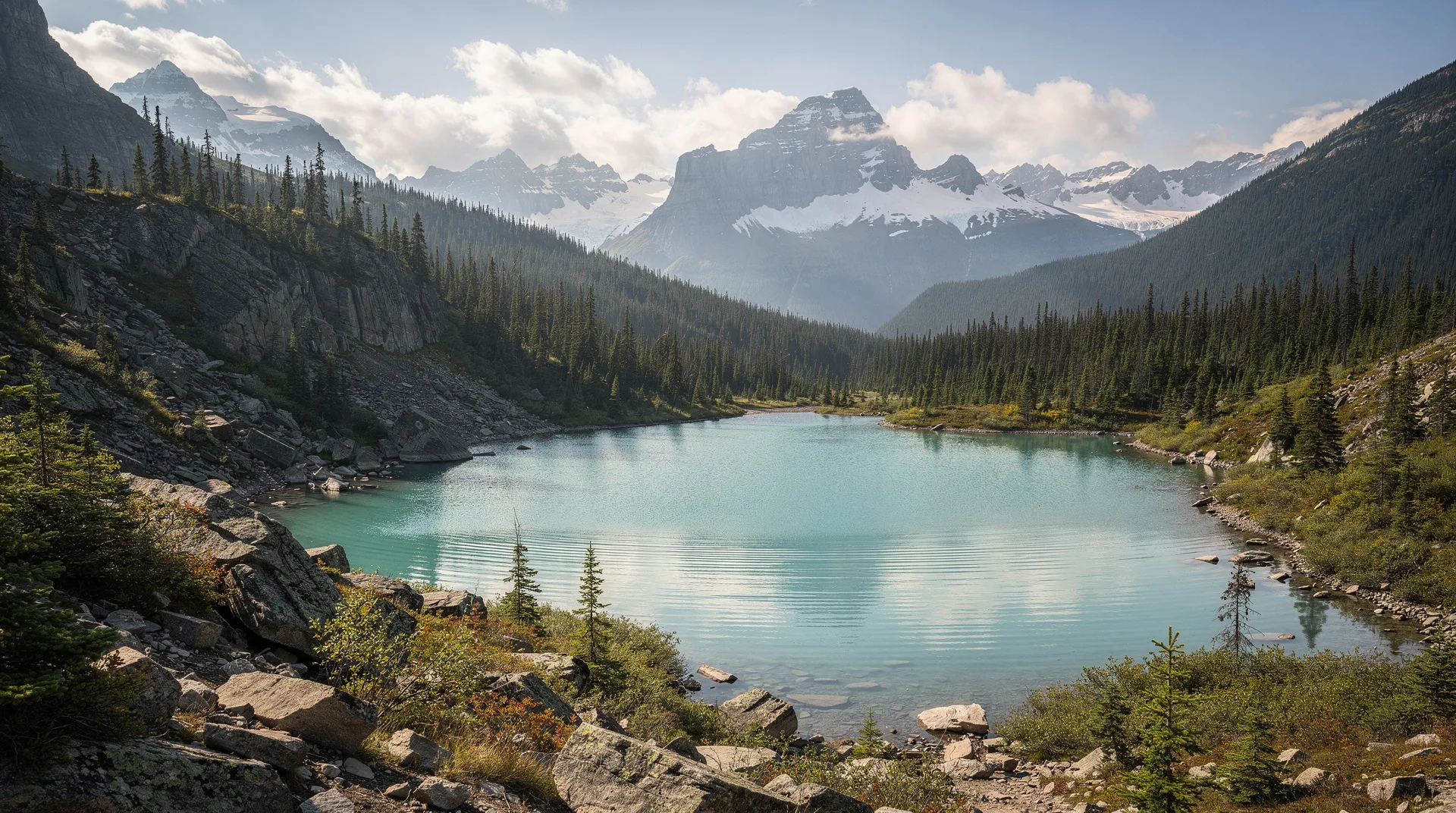
The Canadian Rockies in winter are almost unreal — frozen turquoise lakes, ice-walled canyons, endless powder bowls, and skating on Lake Louise in front of the Chateau. Banff, Lake Louise, Sunshine Village, Revelstoke, and Whistler rank among North America’s finest ski resorts.
For powder skiing, cross-country trails, ice walks, sleigh rides, and dog sledding against alpine backdrops, BC and Alberta are unmatched. See the BC ski resorts guide, Banff ski resorts, and best time to visit Banff.
Best for: Skiing, snowboarding, ice walks, mountain scenery.
Ontario — accessibility and city skating
Ontario’s winter identity centres on Ottawa’s Rideau Canal Skateway — the world’s largest outdoor skating rink — and on Toronto’s Harbourfront and Nathan Phillips Square rinks. Niagara Falls in winter is extraordinary — ice formations, fewer crowds, and the illuminated falls at night. See Niagara Falls in winter and skating the Rideau Canal.
Ontario ski hills (Blue Mountain, Collingwood) are smaller than western resorts but accessible from Toronto.
Best for: City-based winter, skating, Niagara Falls, ease of access.
Yukon — aurora and wilderness
Yukon is for travellers who want proper north — aurora borealis, dog sledding across frozen rivers, and the magical light of short winter days. Whitehorse is the hub. Temperatures are brutal (regularly below -30°C) but skies are often crystal clear. See aurora Yukon and Yukon dog sledding.
Best for: Aurora, adventure, bucket-list arctic experiences.
Manitoba — polar bears and winter wildlife
Churchill in November and early winter is the world’s polar bear capital, with tundra buggy tours that deliver the world’s most accessible wild polar bear encounters. See polar bears in Churchill and the tundra buggy experience.
Best for: Polar bears, Arctic wildlife, a specialist winter trip.
Atlantic Canada — quiet and coastal
Atlantic Canada has milder winters than the continental interior but can be windy, wet, and snowy. Newfoundland produces dramatic winter coastal scenery. Louisbourg Fortress is atmospheric in winter snow. The region is not a mainstream winter destination but rewards travellers who want quiet.
Best for: Off-the-beaten-path winter, storm watching, solitude.
Provinces compared at a glance
| Province/territory | Best for | Typical daytime temp | Signature experience |
|---|---|---|---|
| Quebec | Culture, festivals, cosy cities | -5 to -15°C | Winter Carnival, Hotel de Glace |
| Alberta/BC (Rockies) | Skiing, mountain scenery | -5 to -15°C, colder at elevation | Lake Louise skating, Banff ice walks |
| Ontario | Accessibility, city skating | -5 to -10°C in the south | Rideau Canal Skateway |
| Yukon | Aurora, wilderness adventure | -20 to -30°C+ | Aurora borealis, dog sledding |
| Manitoba | Polar bears, Arctic wildlife | -15 to -25°C | Churchill tundra buggy tours |
| Atlantic Canada | Quiet, coastal, off-beat | 0 to -10°C, wet | Storm watching, winter coastlines |
Weather reality by month
December: -5 to -15°C across most of the populated country, -25°C+ in the prairies and north. Short days (sunset around 4:30pm in the south, 3:00pm in the far north). Christmas markets and holiday season.
January: Coldest month. -10 to -25°C in Ontario and Quebec, -20 to -35°C on the prairies, -30°C+ in Yukon and NWT. Driest and clearest month for aurora viewing.
February: Similar to January but days noticeably lengthening. Peak ski and winter festival season. Quebec Winter Carnival, Igloofest.
March: -5 to -15°C with strong sun. Sugar shack season starts in late March in Quebec. Ski conditions still excellent at elevation.
The winter activities matrix
Skiing and snowboarding: BC (Whistler, Revelstoke, Big White, Sun Peaks) and Alberta (Lake Louise, Sunshine, Marmot Basin) are world-class. Quebec (Tremblant, Mont Sainte-Anne) for a more French-Canadian experience.
Cross-country skiing: Gatineau Park near Ottawa, Canmore Nordic Centre, and Mont Sainte-Anne have Olympic-quality trails. See cross-country skiing Canada.
Dog sledding: Yukon, Banff-Canmore, and Quebec offer day tours and multi-day expeditions. See dog sledding Canada.
Snowshoeing: Every Canadian national and provincial park has snowshoe trails. See snowshoeing Canada.
Ice fishing: Popular across Quebec, Ontario, and the prairies. See ice fishing Canada.
Snowmobiling: Quebec has 33,000 km of groomed trails, the world’s largest network. See snowmobile tours Canada.
Aurora viewing: Yukon, NWT, northern Saskatchewan, and northern Manitoba from December to March. See aurora Yellowknife.
Polar bears: Churchill in October-November. See polar bears Churchill.
Ice hotels and winter hotels: Hotel de Glace Quebec, Sparkling Hill BC, various Rockies lodges. See Hotel de Glace Quebec.
Browse Banff winter tours and activitiesHow to pace a winter day
Winter days in Canada run on a different rhythm. Daylight is short, so the best plan is to put the outdoor highlight early, when light is good and energy is high, and keep the late afternoon for something warm: a museum, a long lunch, a hot spring soak or a hotel lounge. In the Rockies, that might mean a morning on the slopes or on an ice walk, then an afternoon at the Banff Upper Hot Springs. In the cities, it often means a morning outdoors and an afternoon indoors, which is exactly how locals handle the season.
Cold also changes how long you can stay outside. Plan shorter, more frequent outings rather than one marathon, and build in a warm stop every hour or so. Cafés, gondola stations and lodge fireplaces are part of the experience, not interruptions to it. If you want a gentle first taste of mountain scenery without a full ski day, the Banff Gondola and a sleigh ride in the Rockies both give you big views with very little effort.
Winter experiences beyond the obvious
Many visitors build a winter trip around skiing and never look further, but some of the most memorable moments are quieter. Walking an ice canyon in Alberta, watching the sky from a dark-sky preserve in Quebec, or joining a Quebec snowmobiling outing across frozen farmland all show a side of the country that summer visitors never see. Families will find that Canada with kids works well in winter too, since skating, tobogganing and snow play need no special skill.
For aurora chasers, patience matters more than anything. Clear skies and a few nights of flexibility give far better odds than a single booked evening, which is why the aurora photography guide and the notes on the best months to see the aurora are worth reading before you commit to dates.
Choosing your winter trip type
First-time winter traveller: Quebec City and Montreal in late January or February — cosy, walkable, cultural, with excellent restaurants and a manageable weather exposure.
Ski trip: Banff or Whistler for 7-10 days, February or March when conditions are best.
Adventure bucket list: Yukon in February-March for aurora, dog sledding and snowshoeing.
Wildlife specialty: Churchill in November for polar bears.
City winter break: Ottawa in February during Winterlude for the Rideau Canal, Parliament Hill, and festival atmosphere.
Practical winter travel
Clothing: Canada-grade winter clothing is essential. Base layer, fleece, down or synthetic insulation, waterproof shell, proper winter boots (rated to at least -25°C), hat, gloves, scarf. Do not skimp on boots.
Driving: Winter tires are legally required in Quebec and BC in season. Snow and ice are realities. If you are not experienced with winter driving, choose trains, shuttles, and organised tours rather than self-drive. See driving Quebec in winter.
Flights: Weather disruptions are common. Allow buffer days around winter storms.
Packing smart: Layers matter more than any single heavy coat, because indoor spaces are well heated and you will be moving between extremes all day. Keep spare gloves and socks in your daypack. The packing list covers the basics, and the travel insurance guide is worth a look if your plans depend on flights and mountain roads. For a broader view of seasons, compare this guide with summer versus winter in Canada.
Hydration and sun: Dry winter air dehydrates quickly. Sunburn is real, especially at altitude.
Park passes still apply. Winter visits to Banff, Jasper and the other national parks still require a Parks Canada day pass or Discovery Pass — winter is not a free-entry season. Ski resorts and gondolas are separate, ticketed businesses on top of that.
If the intensity of a Canadian winter feels like too much, Canada in summer and Canada in spring offer a gentler introduction to the same regions.
Find Montreal winter experiencesFrequently asked questions about Canada in winter: provinces compared, activities and what to expect
Is Canada too cold to visit in winter?
Not if you dress for it. Canadians live in and enjoy winter actively. With proper clothing, a Canadian winter trip is one of the most distinctive travel experiences in North America.
What is the best month to visit Canada in winter?
February is generally the sweet spot — deepest snow, clearest skies, festivals in full swing, days noticeably longer than December, and ski conditions at their best.
Is it safe to drive in Canada in winter?
It can be, with experience and equipment. For visitors unfamiliar with winter driving, prefer trains (VIA Rail), shuttles, or organised tours. See scenic trains Canada.
Is there a cheap winter destination in Canada?
Quebec City in midweek February (excluding Carnival), smaller Ontario towns, and Atlantic Canada generally offer lower rates than Banff or Whistler.
Do I need special gear for a Canadian winter trip?
Yes — proper winter clothing and footwear are essential. Renting specialty gear (skis, snowshoes) is easy on arrival, but clothing should be brought or purchased on arrival at a Canadian outdoor retailer (MEC, Canadian Tire, Mountain Equipment).
Which Canadian city has the mildest winter?
Vancouver and Victoria, BC — temperatures typically hover 0-8°C with rain rather than snow. Not a winter-activities destination but a pleasant base for BC coastal winter travel.
Do I need a park pass to visit Banff or Jasper in winter?
Yes — a Parks Canada day pass or Discovery Pass is required year-round, including winter, regardless of whether you plan to ski or simply sightsee.
Is Quebec or Alberta better for a first Canadian winter trip?
Quebec City and Montreal are the easier introduction — walkable, milder logistics, and a shorter list of gear requirements. Alberta and BC reward travellers specifically prioritising skiing and mountain scenery, but involve more driving and colder, more variable conditions at elevation.