Best time to visit Banff: month-by-month breakdown
What is the best time to visit Banff?
Late September is the sweet spot: larch season, smaller crowds, good weather, and lower prices than July-August. For first-timers wanting everything accessible, late June through August offers the most options. December to March is excellent for skiing and winter scenery with far fewer crowds.
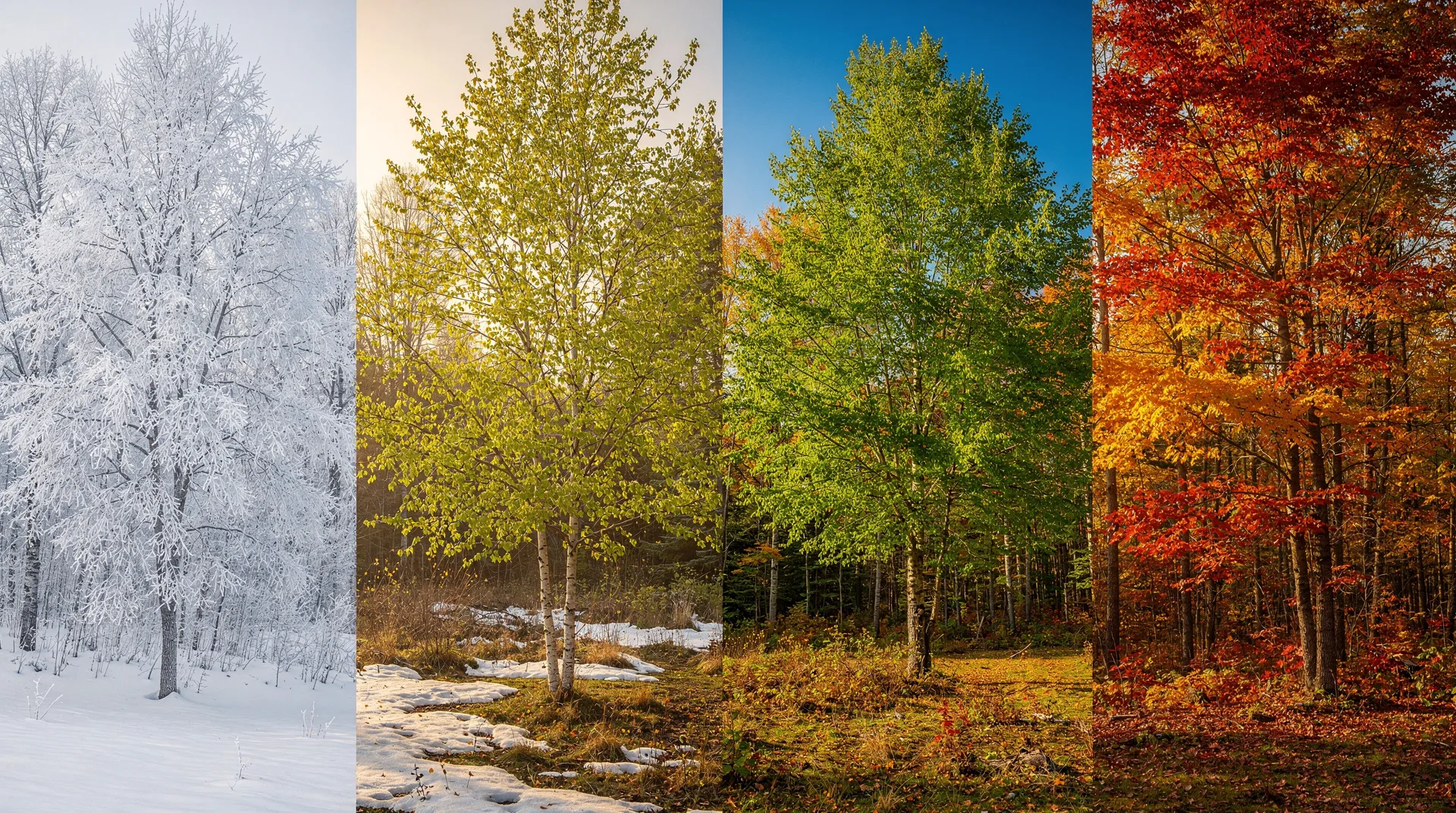
Banff National Park is open year-round and genuinely rewarding in every season — but what you can do, where you can go, and how many people you will be sharing it with varies enormously across the calendar. The park receives over four million visitors per year, with the vast majority concentrating in July and August. Understanding the seasonal pattern helps you match your visit to what matters most: first-time accessibility, larch season, skiing, wildlife, or simple solitude.
This guide goes month by month with honest assessments of conditions, crowd levels, and what is actually open.
| At a glance | |
|---|---|
| Where | Banff National Park, Alberta Rockies |
| Cost | Park pass required year-round — around CAD $12.25/adult day pass or CAD $83.50/adult annual Discovery Pass |
| Time needed | 3-5 days covers the highlights in any season |
| Getting there | Fly into Calgary (about 1.5 hours’ drive) or Edmonton for the north approach via Jasper |
| Best time | Late September for larches and lighter crowds; July-August for full access |
Overview: Banff by season
| Season | Months | Best for | Avoid if |
|---|---|---|---|
| Peak summer | July–August | Everything accessible, longest days | Crowds, prices bother you |
| Shoulder summer | June, September | Good conditions, manageable crowds | You need Moraine Lake Road open (early June) |
| Autumn | October | Quiet, cheap, possible snow | You want full access to all sites |
| Winter | November–March | Skiing, hot springs, ice magic | You want to hike or see turquoise lakes |
| Spring | April–May | Wildlife, waterfalls, emptiness | Most high-elevation roads still closed |
Month by month
January
Temperature: Average highs around -10°C; lows can reach -25°C or below
Crowds: Very low — Banff sees a fraction of its summer visitors
What is open: All ski resorts (Sunshine Village, Lake Louise Ski Resort, Norquay), Banff Gondola, Upper Hot Springs, town restaurants and shops. Icefields Parkway is open but requires winter driving experience.
What is closed: Moraine Lake (road buried under snow), most high-elevation trails. Some visitor services operate reduced hours.
January in Banff is cold, beautiful, and quiet. The mountains are completely snow-covered, the town is not overrun, and hotel rates are at their lowest of the year. The gondola offers views across a white Bow Valley. For skiers and winter sport enthusiasts, this is prime time. The annual Ice Magic festival (ice sculpting on the Fairmont Banff Springs grounds, typically mid-January) is a legitimate attraction.
February
Temperature: Similar to January; slightly longer days
Crowds: Low to moderate — Valentine’s Day weekend brings couples; Family Day long weekend (third Monday of February in Alberta) brings families
What is open: All ski resorts, Banff town, Icefields Parkway (conditions permitting)
February is the coldest month but the ski season is at full depth and quality. The Banff Upper Hot Springs are particularly appealing when it is -15°C outside and steam rises from the pool in the floodlit mountain darkness. Wildlife is easier to spot in winter against the snow — wolves, elk, and coyotes are sometimes visible from the roads.
March
Temperature: Gradually warming; typical highs around -3°C to 3°C
Crowds: Low to moderate; spring break brings families in the last two weeks
What is open: Ski season continues through late March or early April at Sunshine Village (the latest-closing resort in the Rockies). Hot springs, gondola, town services.
March offers a transitional experience: skiing is still excellent at higher elevations, but the days are noticeably longer and the light is warmer. The transition from deep winter to something like pre-spring begins. A good month for skiers wanting spring skiing conditions (usually not true “spring skiing” until April, but March weather can surprise).
April
Temperature: Highs around 5-12°C; cold nights still common; snow possible
Crowds: Low to moderate; Easter weekend is busy
What is open: Town, hot springs, gondola. The Bow Valley Parkway typically reopens for cyclists in spring (some sections close mid-month for wolf denning). Icefields Parkway open but check conditions.
April is transition month. The valley floor starts to lose snow; the high alpine is still deeply buried. Wildlife becomes more active — elk move out of the valley, bears begin to emerge from hibernation, and bird activity increases dramatically. Waterfall flows increase as snowmelt begins. This is also when Parks Canada opens the campsite reservation system for summer, so keep an eye on the booking dates if planning a summer visit.
May
Temperature: Highs around 10-18°C; snow possible at any time
Crowds: Low to moderate; steady increase toward June
What is open: Most trails and viewpoints. Moraine Lake Road typically opens to vehicles in late May (date varies by snowpack — sometimes not until early June). The Parks Canada shuttle to Moraine Lake may not yet be operational.
May is excellent for waterfalls, which are at their peak volume from snowmelt. Johnston Canyon runs hard; Bow Glacier Falls is dramatic. Wildflowers appear in the valley. Crowds are still manageable. If Moraine Lake Road is open to vehicles in May, you can drive in without a shuttle reservation — a rare window.
June
Temperature: Highs around 15-22°C; cooler at elevation
Crowds: Rising through the month; busy by late June
What is open: Most roads and trails. Moraine Lake Road typically opens to vehicles in early June and is then restricted to shuttles from late May or early June through mid-October (the shuttle system typically begins when the road opens). Check Parks Canada for current season dates.
June is an excellent month. The long days (sunset after 10 PM near the solstice), fresh green on the slopes, abundant waterfalls, and manageable crowds make it one of the most enjoyable times in the park. Mosquitoes emerge in earnest in the wetland areas by mid-June. Accommodation is still somewhat easier to find than July and August. The Parks Canada shuttle bookings for summer open in April, so June shuttle slots should be bookable well in advance.
Book Banff summer tours and guided experiencesJuly
Temperature: Highs 22-28°C in the valley; pleasant hiking weather
Crowds: Peak season — very busy, especially on weekends
What is open: Everything. All roads, all trails, all facilities, all services.
July is the most popular month and the most challenging for logistics. Accommodation is expensive and fills months in advance. Parking at major sites (Lake Louise, Johnston Canyon, Moraine Lake) overflows before 9 AM on peak days. The Moraine Lake shuttle requires advance booking made in April. Campgrounds run at capacity.
That said, July delivers the most intense lake colours (glacial rock flour at maximum concentration), the longest days, and the warmest temperatures. If you can book early enough and tolerate the crowds, July is spectacular. Book every element — accommodation, shuttles, campsites, restaurant reservations — months in advance.
August
Temperature: Similar to July; slight cooling toward month end
Crowds: Marginally less intense than July on weekdays; still very busy on weekends
What is open: Everything
The conditions in August are nearly identical to July: full access, excellent weather, peak crowds. The key difference is that by the last week of August, crowds begin to thin slightly as school resumes in many places. Larch trees begin their very earliest hints of colour at high elevation by the final week of August, with real larch season beginning in September.
September
Temperature: Highs 10-18°C early in the month, cooling toward 5-12°C by month end
Crowds: Noticeably less than July-August; drops further after Labour Day (first Monday of September)
What is open: Most roads, trails, and services. Shuttle to Moraine Lake typically runs until mid-October.
September is the favourite month of most experienced Banff visitors. After Labour Day, crowds drop significantly while conditions remain excellent. The weather is cooler but clear days are common and the light is extraordinary. Most importantly, larch season begins in late September — the subalpine larch trees above treeline turn brilliant gold, transforming hikes like Larch Valley above Moraine Lake into some of the finest walks in the Rockies. See our dedicated larch season guide for exact timing and locations.
Elk rut begins in September, with males bugling across the valleys and through the Banff townsite itself. Wildlife encounters are at their most dramatic.
October
Temperature: Highs around 5-12°C early; dropping toward 0°C and below by month end; snow possible at any time
Crowds: Low and continuing to fall
What is open: Banff town and core services. Icefields Parkway open but check conditions. Moraine Lake shuttle ends mid-October; road closes to vehicles when snow arrives.
Early October is a beautiful and quiet time in Banff. The larches finish their display, the first snows arrive on the high peaks (and eventually in the valley), and the park settles into autumn. Accommodation prices drop sharply. The Columbia Icefield facilities close by mid-October. A good time for photography, hiking on lower elevation trails, and simply having Banff at a fraction of its summer intensity.
November
Temperature: Cold; highs around -5°C to 2°C
Crowds: Very low
What is open: Town, hot springs, gondola. Ski season begins at Norquay by mid-November; Lake Louise Ski Resort and Sunshine Village typically open by late November (snowpack dependent).
November is the quietest month in Banff and the shoulder between autumn hiking and winter skiing. The early part of the month is between seasons. By late November, ski season opens and winter visitors begin arriving.
December
Temperature: Cold; average highs around -8°C
Crowds: Low early in the month; Christmas week is busy (family visitors and ski holidaymakers)
What is open: Ski resorts, town, hot springs, gondola, winter activities.
December brings the Ice Magic festival at the Fairmont Banff Springs (usually the week before Christmas), holiday decorations, and the beginning of the winter tourism season. The Christmas and New Year’s week sees hotels fill with families and ski groups — book early for this period. Otherwise, December is a quiet and atmospheric time to visit Banff.
The best month by travel style
First-time visitors: Late June or early July — everything is open, days are long, and the iconic lake colours are at their best.
Photography: Late September (larch gold, elk rut, morning frost) or any clear winter morning.
Hiking: July and August for full trail access; late September for larches and cooler temperatures.
Skiing: January through March for peak conditions; December and April for thinner crowds.
Budget travel: November, January (outside holidays), February for lowest accommodation prices.
Wildlife: September and October for elk rut; spring (April-May) for bears emerging and active wolves.
Avoiding crowds: October, November, February — all offer dramatically reduced visitor numbers.
Beating the crowds without changing your dates
If your dates are fixed and they happen to fall in July or August, you can still avoid the worst of the congestion by shifting where and when you go rather than when you visit. Start at Lake Louise and Moraine Lake before 7 AM — parking lots there routinely fill and close by mid-morning in peak season, and our Lake Louise hikes overview has the specifics.
Kananaskis Country, just south of Banff, has no shuttle system and a fraction of the crowds; see our Banff vs Kananaskis guide for when to choose it over the park itself. Basing yourself in Canmore rather than Banff townsite also cuts out a layer of congestion — our Banff vs Canmore guide compares the two directly. If you would rather skip the driving and parking, you can also browse guided tours across Canada that include Rockies day trips.
Which lake, and when
Lake Louise and Moraine Lake are often treated as interchangeable, but timing changes which is the better choice. Moraine Lake Road is shuttle-only for most of the season and closes to vehicles entirely once snow arrives, so early June and mid-October visitors have very different access than a July visitor booking months ahead. Our Lake Louise vs Moraine Lake guide breaks down the access differences by month, and Johnston Canyon makes a reliable alternative stop in any month when the road to Moraine Lake is closed or the shuttle is sold out.
Frequently asked questions about Best time to visit Banff: month-by-month breakdown
Is Banff worth visiting in winter?
Absolutely. Winter Banff is a different experience but a genuine one. The ski resorts (Lake Louise, Sunshine Village, Norquay) are world-class. The hot springs at -15°C is a memorable experience. The town is attractive in snow. Wildlife is easier to spot against white backgrounds. Prices are a fraction of summer. Many visitors prefer it.
When are the turquoise lakes most vivid?
July and August, when glacial melt is at its maximum and rock flour concentration in the water is highest. The colour fades through September as melting slows. By October, lakes are noticeably less vivid (still beautiful, but a different quality of blue).
Is Banff open on Christmas Day?
Banff town, its restaurants, and most hotels are open on Christmas Day. Ski resorts operate. Parks Canada visitor centres may have reduced hours. The park itself is always open.
What is larch season?
Larch season is the period in late September when the subalpine larch trees above treeline turn gold before dropping their needles. Unlike most conifers, larches are deciduous. The window is typically the last two weeks of September, though it varies by year and elevation. See our larch season guide for full details.
Is Banff or Canmore the better base?
Banff townsite puts you inside the national park with the shortest drive to Lake Louise and Moraine Lake, but at a premium price and with more congestion. Canmore, just outside the park boundary, is cheaper, quieter, and only about 20 minutes farther from most sites — see our Banff vs Canmore guide for a full comparison.
Do I need a shuttle to visit Moraine Lake year-round?
Only while the road is open to the public, roughly early June through mid-October. Outside that window the road is closed to both vehicles and shuttles due to snow, so Moraine Lake is not accessible at all in winter.
For more Banff planning, see our guides on 3 days in Banff, 5 days in Banff, and Banff with kids.