| At a glance | |
|---|---|
| Where | Manitoba and Saskatchewan, central Canada |
| Cost | A Churchill add-on (flights plus a Tundra Buggy day) typically runs well into four figures CAD per person; road-tripping Manitoba/Saskatchewan is comparatively affordable |
| Time needed | 5-10 days for the two provinces; add 4-5 dedicated nights for Churchill |
| Getting there | Fly into Winnipeg (YWG) or Saskatoon (YXE); Churchill is accessible only by air or the Via Rail Hudson Bay train |
| Best time | June to September for general travel; October-November for polar bears; February-March for aurora |
The Canadian Prairies stretch across the heart of the country — two provinces of astonishing sky, golden wheat fields, boreal forest, subarctic tundra, and some of the most remarkable wildlife encounters on earth. Manitoba and Saskatchewan are routinely skipped by international visitors racing between Toronto and the Rockies, but the travellers who pause here discover something that no other region in Canada quite matches: Indigenous cultures that predate European arrival by thousands of years, globally significant migratory bird habitat, the undisputed polar bear capital of the world in Churchill, and cities with cultural depth that punches well above their population size.
The cliché of flat endless farmland is only half true. The Manitoba Escarpment rises abruptly from the plains, the Canadian Shield bleeds in along the eastern edge, and in the deep south the last intact mixed-grass prairie of the continent survives in Grasslands National Park.
This is a region of genuine distances. From Winnipeg to Regina is a full day’s drive. From Regina to Grasslands is another half-day. Churchill is accessible only by air or by a two-night train journey. But those distances are part of what the Prairies sell — horizon-to-horizon space, night skies unbroken by light pollution, storms you can watch build a hundred kilometres away, and a pace of travel that feels genuinely restorative after the crowded viewpoints of Banff or the queueing of Vancouver.
Browse Manitoba tours and wildlife experiencesWhy the Prairies deserve a place on your Canada itinerary
Most international visitors fly over the Prairies on their way between eastern Canada and the Rockies. That is a mistake, and an increasingly common consensus among seasoned Canada travellers is that the Prairies are the country’s most underrated region. Three arguments make the case.
First, the wildlife. Churchill alone — a remote Hudson Bay town of fewer than a thousand residents — offers two of the rarest wildlife experiences on earth in a single location: polar bears gathering in October and November before the bay freezes, and beluga whales arriving in their tens of thousands in June and July. Nowhere else on the planet offers both with such reliability and relative accessibility. Beyond Churchill, Wapusk National Park is the world’s most important polar bear denning habitat, and Riding Mountain National Park supports elk, black bears, and one of Canada’s most accessible plains bison herds.
Second, the Indigenous heritage. The Prairies are home to some of the most culturally significant Indigenous sites in Canada: Wanuskewin near Saskatoon, a 6,000-year-old gathering place now nominated for UNESCO World Heritage status, and Batoche, the site of the 1885 Métis resistance and one of the most affecting national historic sites in the country. The Indigenous cultural experiences across the region are authentic, community-led, and far removed from the polished Indigenous tourism products that dominate other parts of Canada.
Third, the landscape scale. The short-grass prairie of Grasslands National Park, the Canadian Shield lakes of Whiteshell Provincial Park, the badlands of the Frenchman River, the subarctic tundra around Churchill — these are landscapes at continental scale, often visited by a handful of people per day. The aurora borealis, visible across much of the northern Prairies from September through March, burns with an intensity that surprises even seasoned northern travellers.
Manitoba
Manitoba is the eastern of the two Prairie provinces — the one where the plains give way to Canadian Shield rock and an extraordinary network of lakes in the east, and where the subarctic reaches farthest south along the shores of Hudson Bay. The province combines prairie farmland in the south, boreal lake country in the middle, and genuine Arctic ecosystems in the north, all inside a single political border.
Winnipeg: the Prairies’ cultural capital
Winnipeg sits at the confluence of the Red and Assiniboine rivers, at the precise geographic centre of North America. The city of around 800,000 has transformed itself over the past two decades into one of Canada’s most culturally interesting places, anchored by world-class museums and a food scene of surprising sophistication shaped by the Ukrainian, Filipino, Polish, Jewish, and South Asian communities that arrived across the 20th century.
The architectural headline is the Canadian Museum for Human Rights, which opened in 2014 and is unlike any other museum in Canada — Antoine Predock’s building rises from a base of Manitoba Tyndall stone through a tower of alabaster, and the galleries inside are among the most thoughtfully assembled museum spaces in North America. The Exchange District National Historic Site, immediately north of downtown, holds the largest surviving concentration of turn-of-the-century commercial architecture anywhere in Canada — block after block of Chicago Commercial warehouses that survived where other cities demolished. The Winnipeg Art Gallery holds the largest contemporary Inuit art collection in the world.
Find Winnipeg tours and cultural experiencesThe Forks: Winnipeg’s soul
The Forks, where the Red and Assiniboine meet, has been a human gathering place for 6,000 years. Today it is a 56-acre public site with a market building, food hall, waterfront trails, and the Oodena Celebration Circle — an outdoor Indigenous ceremonial space designed to honour the area’s original inhabitants. In summer, the paddleboards and patios spill out onto the riverbank. In winter, the Red River Mutual Trail freezes solid and becomes the world’s longest naturally frozen skating trail, extending up to eight kilometres through the city with architect-designed warming huts along the way.
Gimli and Lake Winnipeg
North of Winnipeg, Gimli is the heart of New Iceland — the settlement established in the 1870s by Icelandic immigrants who arrived to find the largest population of Icelanders outside Iceland itself. The town still celebrates its roots with the Íslendingadagurinn festival every August, and a giant statue of a Viking watches over the Lake Winnipeg waterfront. Lake Winnipeg itself is the tenth-largest freshwater lake in the world by surface area, and Gimli is its most characterful access point — a summer beach town with genuine cultural substance.
Riding Mountain National Park
Riding Mountain National Park rises abruptly from the surrounding prairie on the Manitoba Escarpment — a forested plateau of hardwood, boreal forest, and aspen parkland sitting nearly 500 metres above the plains below. The park supports elk, moose, black bears, and a fenced plains bison enclosure where a herd of several dozen animals ranges across a substantial section of restored prairie.
The lakeside townsite of Wasagaming on Clear Lake is the park’s hub: a summer cottage community with heritage log buildings, a beach, a 1930s cinema still in operation, and access to the park’s extensive trail network. The drive from Winnipeg is roughly three hours and makes an excellent weekend escape.
Whiteshell: Canadian Shield lake country
On the eastern edge of the province, where the prairie ends and the Canadian Shield begins, Whiteshell Provincial Park protects a vast expanse of forest and granite-shored lakes more often associated with Ontario than Manitoba. It is cottage country in the full Canadian sense — summer cabins along the shore, fishing for northern pike and walleye, hiking trails through jack pine and black spruce, and paddling routes that link dozens of lakes. Bannock Point Petroforms, stone figures arranged on bedrock by ancestral Anishinaabe peoples, are one of the most significant Indigenous ceremonial sites in the province.
Churchill: the polar bear capital of the world
Churchill sits on the western shore of Hudson Bay at 58 degrees north — further north than most of Europe, perched at the edge of the subarctic. The town of roughly 900 people hosts upward of 10,000 visitors a year, almost all drawn by one of three wildlife spectacles: polar bears in autumn, beluga whales in summer, or the aurora borealis in late winter.
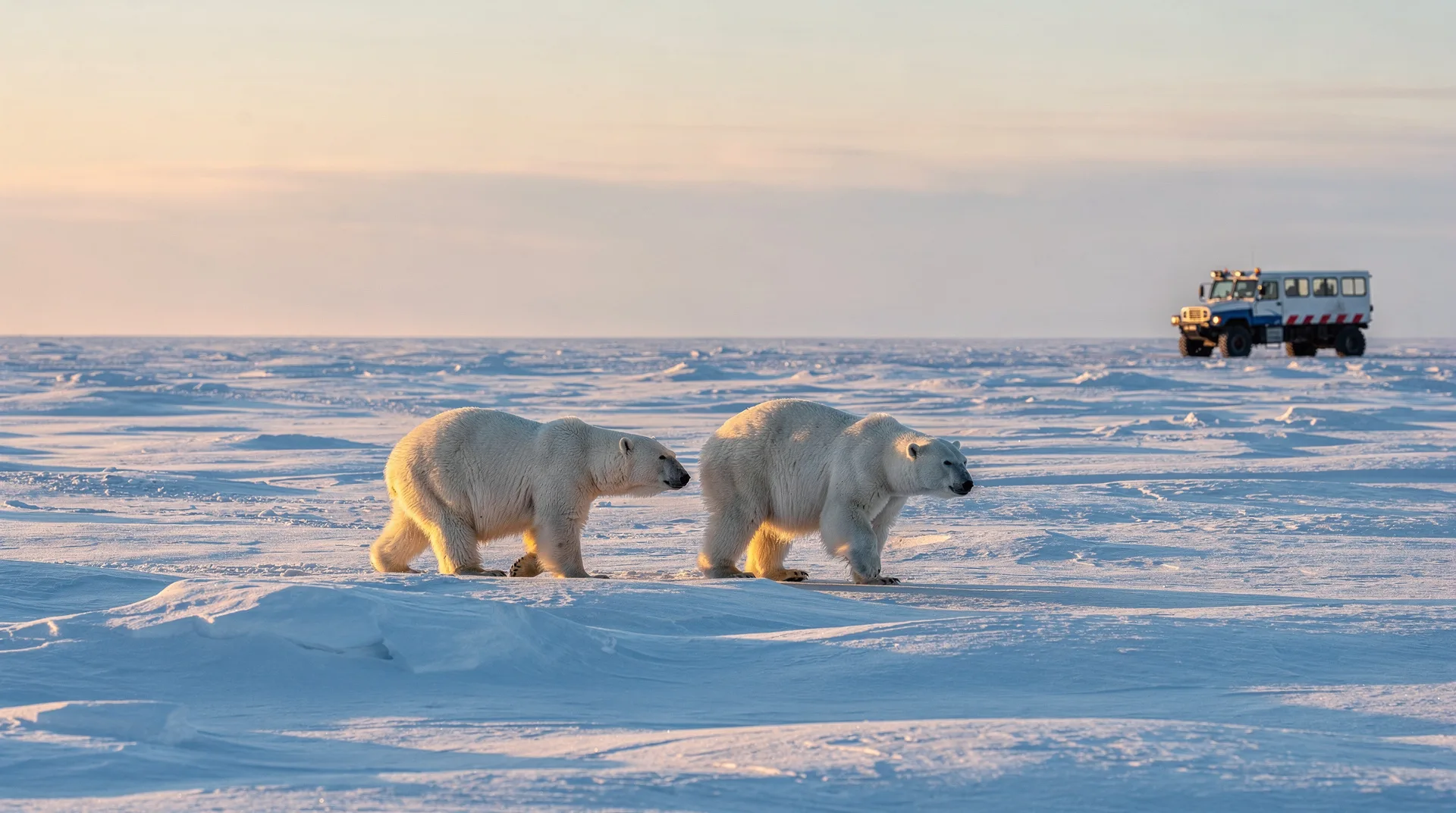
Polar bear season runs from mid-October to mid-November. Every autumn, bears gather near Churchill waiting for Hudson Bay to freeze so they can head out onto the ice to hunt ringed seals. The classic way to see them is aboard a Tundra Buggy — a purpose-built high-clearance vehicle that rolls across the coastal tundra, putting visitors within metres of wild bears in complete safety. Cubs born the previous winter are still with their mothers, and the sight of a sow with two cubs in the low November light is among the most moving wildlife encounters in Canada.
Book an exclusive Churchill Tundra Buggy day tripBeluga whale season runs through July and August. The Churchill River estuary receives an estimated 57,000 belugas each summer — one of the largest cetacean gatherings on earth. Visitors snorkel in drysuits alongside the whales, kayak among them, or watch from Cape Merry. Belugas are genuinely curious; they approach, circle, and hover beneath snorkellers, their vocal chatter audible underwater.
Aurora season runs from late August through April, with February and March offering the longest dark viewing windows. Churchill sits within the auroral oval, and the combination of long dark nights, frequent clear skies, and the open horizon of a frozen bay produces some of the most reliable northern lights viewing in Canada.
Wapusk National Park
Inland from Churchill, Wapusk National Park protects 11,000 square kilometres of subarctic wilderness on the Hudson Bay coastal plain. It is the world’s most important polar bear maternity denning area — every February and March, female bears emerge from their snow dens with cubs, one of the rarest wildlife encounters on earth. Access is only possible through a handful of licensed tour operators who run small-group expeditions from remote lodges inside the park. It is expensive, logistically demanding, and unforgettable.
Saskatchewan
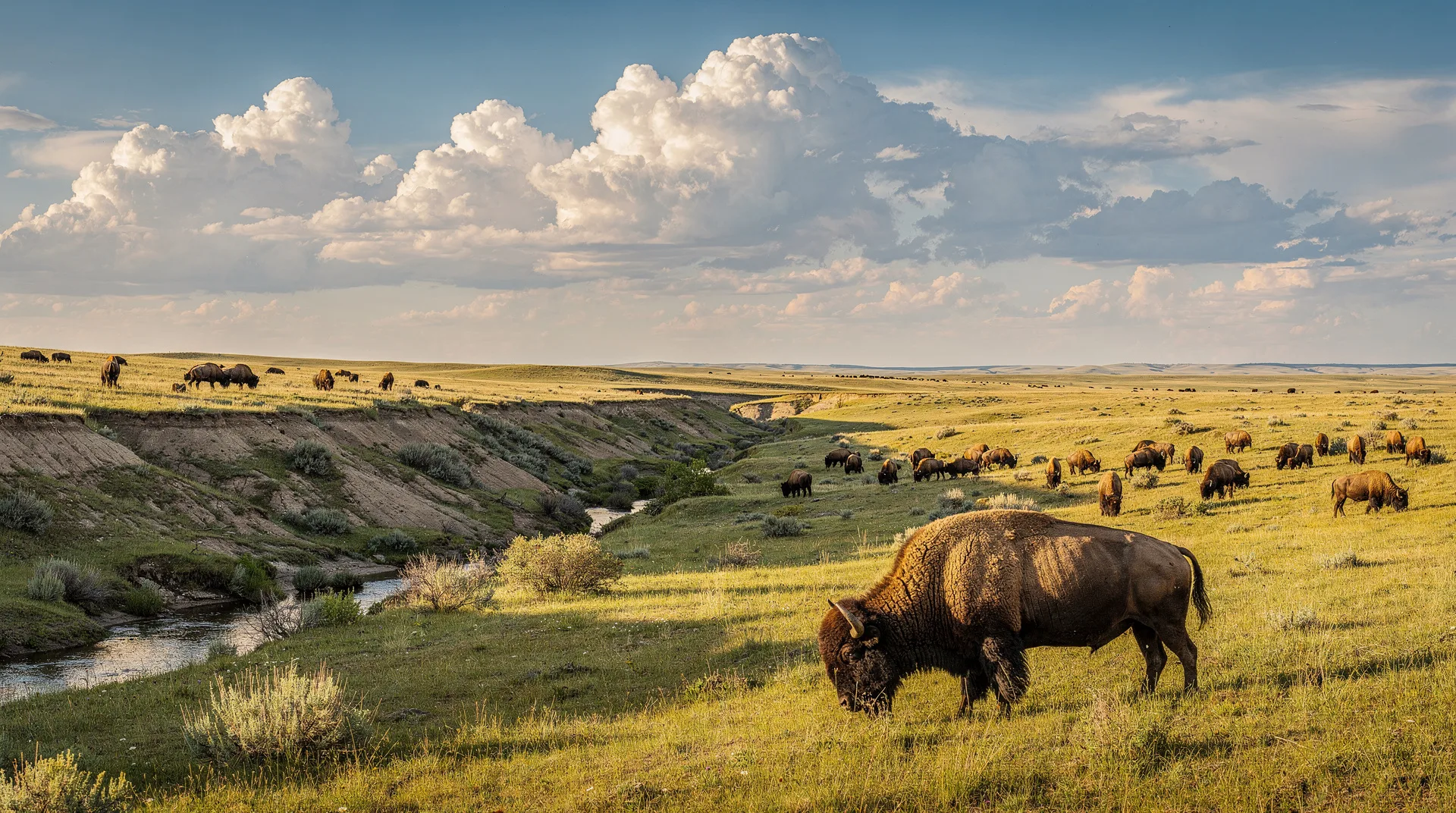
Saskatchewan’s reputation for flatness is only partly deserved. The southern plains are genuinely horizontal in places — you can watch storms build 100 kilometres away, which is alarming and magnificent simultaneously — but the province also contains boreal forest, river valleys, sand dunes, badlands, and extraordinary freshwater lakes. Saskatchewan is the least-visited province in Canada per capita, which is precisely part of its appeal. You will not queue here.
Saskatoon
Saskatoon sits on the South Saskatchewan River, its downtown reflected in the slow bend of the water. The university city of around 280,000 has grown into a confident, attractive place with a vibrant restaurant scene, a strong Indigenous arts community, and the excellent Remai Modern gallery — which holds one of the world’s largest Picasso linocut collections alongside its contemporary Canadian programming. The Meewasin Valley Trail system along both banks of the river is excellent for cycling, and the riverbank at sunset with the 1935 Broadway Bridge in silhouette is one of the most underrated urban views in Canada.
Wanuskewin Heritage Park
Just outside Saskatoon, Wanuskewin is one of the most significant Indigenous heritage sites in North America — a 6,000-year-old gathering place in the Opimihaw Creek valley, continuously used by Northern Plains peoples long before the arrival of Europeans. The site contains tipi rings, a medicine wheel, a buffalo jump, and a restored plains bison herd reintroduced in 2019. The interpretive centre is Indigenous-led and the programming is genuine. Wanuskewin is currently on Canada’s tentative list for UNESCO World Heritage status, and a visit here is easily the most culturally substantial thing you can do in the Saskatoon area.
Regina
Regina, Saskatchewan’s capital, lacks Saskatoon’s riverine setting but compensates with the Royal Saskatchewan Museum — exceptionally strong on the province’s natural history and First Nations cultures — and the RCMP Heritage Centre. The Royal Canadian Mounted Police were founded in Regina in 1873, and the training depot that still operates here is the only RCMP academy in the world. The Sergeant Major’s Parade, which visitors can attend, is a genuine piece of living institutional tradition. Wascana Centre, the park surrounding the provincial Legislative Building, is one of the largest urban parks in North America at 930 hectares.
Moose Jaw
Moose Jaw, an hour west of Regina, trades on two curious attractions. The Tunnels of Moose Jaw, beneath the downtown, are a network of underground passages that connect historic buildings — their origins contested (Chinese immigrant labour housing, bootlegging during Prohibition) but the guided tours are atmospheric. The Temple Gardens Mineral Spa, built over a geothermal aquifer, pumps genuinely hot mineral water into a rooftop pool — a legitimately pleasant experience in any season and particularly magical in winter snow.
Prince Albert National Park
Prince Albert National Park, two and a half hours north of Saskatoon, covers the transition zone between aspen parkland and boreal forest. The park’s crown jewel is Waskesiu Lake, one of the finest freshwater swimming lakes in Canada — clear, clean, and warm enough in July and August for extended days on the beach.
The park also protects wolves, black bears, elk, moose, and a free-ranging plains bison herd. For paddlers, the park offers access to Grey Owl’s cabin at Ajawaan Lake — a multi-day canoe trip to the remote home of the 1930s conservationist, preserved exactly as he left it. Prince Albert Park is Saskatchewan’s most complete boreal wilderness experience.
Grasslands National Park
In the deep southwest corner of the province, Grasslands National Park preserves the last large tract of mixed-grass prairie in Canada — an ecosystem once covering vast areas of the continent but 70% destroyed by agriculture. The park is one of Canada’s darkest certified Dark Sky Preserves; the Milky Way casts visible shadows on clear nights.
It has reintroduced plains bison, swift fox, and black-footed ferrets. Black-tailed prairie dogs — Canada’s only remaining wild population — occupy substantial colonies in the Frenchman River Valley. The Killdeer Badlands in the East Block contain Cretaceous fossil beds and sculpted sedimentary formations unlike anywhere else on the prairies. Entirely uncrowded, entirely magnificent, entirely worth the long drive.
Cypress Hills
Cypress Hills Interprovincial Park straddles the Saskatchewan-Alberta border at the highest elevation between the Rocky Mountains and Labrador — 1,468 metres at its peak. The hills are an ecological island, unglaciated in the last ice age, and support lodgepole pine forest and plant communities otherwise associated with the foothills of the Rockies hundreds of kilometres west. It is another Dark Sky Preserve, and the combination of elevation, forest, and genuine isolation makes it one of the most distinctive protected areas in the southern Prairies. Fort Walsh, the North West Mounted Police fort established in 1875, sits within the park.
Batoche National Historic Site
Batoche, in the South Saskatchewan River valley north of Saskatoon, is the site of the 1885 Métis resistance led by Louis Riel — the final military engagement of the Northwest Resistance and a defining moment in the history of the Métis Nation. The national historic site preserves the village landscape, the rectory, the cemetery where the Métis fallen are buried, and the rifle pits dug during the four-day battle. The interpretation, led substantially by Métis staff, is unflinching. Few places in Canada speak so directly to the contested history of the West.
Best things to do in the Prairies
Beyond the city and park headlines, a few experiences define what a Prairies trip actually feels like.
Watch polar bears from a Tundra Buggy in Churchill. The signature Canadian wildlife encounter, and one that no other country offers. Book six to twelve months ahead for peak season.
Chase the northern lights. Churchill, northern Saskatchewan, and the lake country north of Winnipeg offer reliable aurora viewing from September through March. The Dark Sky Preserve at Grasslands catches occasional strong auroral events to stunning effect.
Experience Indigenous heritage at Wanuskewin and Batoche. Two of the most significant Indigenous and Métis sites in Canada, both substantially interpreted by Indigenous staff.
Snorkel with beluga whales in the Churchill River. From mid-July through mid-August, tens of thousands of belugas fill the estuary. A drysuit snorkel among them is the most intimate cetacean encounter available anywhere.
Drive through endless wheat fields. In late July and August the southern prairie turns gold from horizon to horizon. The sight of a combine harvester throwing grain into a waiting truck against a sky of 180-degree blue is the Prairies’ most ordinary and most affecting image.
Stargaze at a Dark Sky Preserve. Grasslands National Park and Cypress Hills both deliver skies so dark that the Milky Way illuminates the landscape. Bring binoculars.
Skate the Red River Mutual Trail. The Forks anchors the world’s longest naturally frozen skating trail every January and February — an only-in-Winnipeg experience that captures the city’s relationship with its winter.
When to visit
June to August is high summer — long days, warm weather (regularly 25–30°C across the south, occasionally 35°C), festival season in Winnipeg, and the beluga season in Churchill. Wildflowers peak on the southern prairie in June. Mosquitoes can be serious in the boreal lake country and Churchill through July.
September is transitional and in many respects the best travel month — cool days, clear skies, autumn colour in the aspen parkland and boreal regions, harvest in full swing, and the earliest aurora activity. Fewer crowds everywhere.
October to November is polar bear season — the single most concentrated wildlife opportunity in Canada — and the beginning of aurora season. Much of the southern Prairies experiences its first heavy snow by early November.
December to February is deep winter. Daytime temperatures regularly reach -25°C to -35°C across the region, and Churchill can hit -40°C. The skating trail at The Forks, the winter festivals, and the aurora are the rewards. Preparation is serious.
March to April is the optimal aurora window in Churchill and northern Saskatchewan — maximum darkness, high clear-sky frequency, and photogenic snow-covered landscapes.
May is a shoulder month — still cool, melting snow, migratory birds arriving, and the beginning of the prairie wildflower bloom.
Getting around
The Prairies are big. Saskatchewan alone is larger than France. Distances between points of interest are substantial, but the highway network is excellent and driving is genuinely easy — flat terrain, light traffic outside the cities, well-maintained roads.
By car. The standard approach. Winnipeg to Regina is about 570 km (six hours). Regina to Saskatoon is 260 km (three hours). Saskatoon to Prince Albert National Park is about 2.5 hours. Regina to Grasslands is 3.5 to 4 hours, with the final stretch on gravel roads. Rental cars are available at all major airports. A mid-size sedan is fine for paved routes; for Grasslands or Cypress Hills in wet weather, consider an SUV.
By air. Winnipeg (YWG) and Saskatoon (YXE) have the best connections. Regina (YQR) and Brandon (YBR) handle regional traffic. Churchill has no road or commercial highway connection — Calm Air and Perimeter Aviation operate scheduled flights from Winnipeg (approximately 2 hours), and this is the standard way in. Expect to fly out of one airport and back to another if you are combining regions.
By train. Via Rail’s Hudson Bay train runs from Winnipeg to Churchill in 36 to 46 hours. The journey through boreal forest, muskeg, and tundra is an experience in its own right — the way Churchillians themselves travel, and a gradual introduction to the subarctic. Weather delays are common; do not connect it to tight onward plans.
Distances at a glance. Budget realistically: full travel days in the Prairies regularly cover 400 to 700 km. Leave margin.
Itineraries
Five days in Manitoba
Day 1. Arrive Winnipeg. Canadian Museum for Human Rights, walk The Forks, dinner in the Exchange District.
Day 2. Morning at the Winnipeg Art Gallery (Qaumajuq) and the Manitoba Museum. Afternoon at Assiniboine Park. Evening on Corydon Avenue.
Day 3. Drive three hours northwest to Riding Mountain National Park. Check into Wasagaming. Evening lakeside walk on Clear Lake.
Day 4. Full day in Riding Mountain — bison enclosure, Clear Lake, a hike on the Gorge Creek or Grey Owl trails.
Day 5. Drive back to Winnipeg via Gimli on Lake Winnipeg. Depart.
Seven days combined Manitoba and Saskatchewan
Days 1–2. Winnipeg — museums, The Forks, Exchange District.
Day 3. Drive to Riding Mountain. Overnight in Wasagaming.
Day 4. Drive across to Saskatoon (roughly 7 hours via Yorkton). Dinner on Broadway.
Day 5. Wanuskewin and Remai Modern in Saskatoon.
Day 6. Drive south via Moose Jaw (Tunnels tour, spa stop) to Regina. RCMP Heritage Centre.
Day 7. Return to Winnipeg (or fly from Regina). Alternative: extend by two nights to add Grasslands National Park from Regina.
Churchill special (4 nights)
Day 1. Fly Winnipeg to Churchill. Airport pick-up, orientation, Cape Merry walk, evening briefing.
Day 2. Full-day Tundra Buggy excursion (October–November) or beluga snorkel (July–August).
Day 3. Second wildlife day — dog sledding in winter, Wapusk National Park day trip, or kayaking with belugas in summer.
Day 4. Cultural Churchill — Itsanitaq Museum, Parks Canada visitor centre, Prince of Wales Fort by boat if summer. Evening aurora viewing if winter.
Day 5. Fly Churchill to Winnipeg. Connect onward.
Choosing between Manitoba, Saskatchewan, and Churchill
With limited time, prioritising matters more here than in most Canadian regions given the distances involved.
| If your priority is… | Focus on |
|---|---|
| City culture and food | Winnipeg — museums, The Forks, and the Exchange District alone justify 2-3 days |
| Indigenous heritage | Wanuskewin near Saskatoon and Batoche — both substantially Indigenous or Métis-led |
| Wildlife spectacle | Churchill — polar bears (October-November), belugas (July-August), or aurora (winter), but budget separate flights and 4-5 dedicated nights |
| Dark skies and open landscape | Grasslands National Park and Cypress Hills — the least-visited, most uncrowded corner of the region |
Frequently asked questions about The Canadian Prairies
When is the best time to see polar bears in Churchill?
Peak polar bear season runs from mid-October to mid-November. The bears congregate along the shore waiting for Hudson Bay to freeze, which typically happens in late November or early December. October tends to have slightly warmer weather; November has longer dark periods, which pairs well with aurora viewing. For Wapusk denning tours, February and March are the window, but those are specialised expedition-level trips.
Can you see the northern lights in Winnipeg?
On very active aurora nights the lights are occasionally visible from Winnipeg, but the city’s light pollution significantly reduces the experience. For reliable aurora viewing, travel north — Churchill and the lake country north of Winnipeg offer much better conditions. September through March is aurora season across northern Manitoba and Saskatchewan.
Is Saskatchewan worth visiting for international travellers?
Absolutely, particularly if you have interests in Indigenous culture, dark-sky stargazing, or genuinely remote landscapes. Grasslands National Park is one of Canada’s most underrated destinations. Prince Albert National Park offers excellent canoeing, hiking, and wildlife viewing with almost no crowds. Wanuskewin and Batoche together provide a more substantial Indigenous and Métis cultural experience than you will find in most other provinces.
How do I get to Churchill without flying?
Via Rail operates the Winnipeg to Churchill train service three times per week. The journey takes approximately 36 to 46 hours depending on direction and any delays. The train passes through boreal forest and subarctic terrain and is an experience in itself — though weather and track conditions can cause significant delays. Flying is faster and more reliable, particularly in winter.
What is the food scene like in Winnipeg?
Winnipeg punches significantly above its weight for food. The city has strong Filipino, Ukrainian, Jewish, and South Asian communities that contribute to a diverse dining landscape. The farm-to-table movement has taken hold strongly here, with chefs at Deer + Almond, Clementine, and Segovia making national reputations. The Forks market is excellent for grazing through diverse food vendors, and Alycia’s on McGregor Street has served traditional Ukrainian perogies and borscht since 1964.
Can you drive to all Prairies destinations?
Most of the Prairies is easily road-tripped — Saskatchewan and southern Manitoba have excellent highway networks. Churchill is the major exception: there is no road connection, so fly or take the train. Grasslands National Park requires a car and the final approach is on gravel roads that become difficult when wet. Wapusk National Park is accessible only by licensed guided expeditions.
How many days do I need for the Prairies?
For a meaningful first visit, allow at least five days — enough for Winnipeg plus either Riding Mountain or a short Saskatchewan loop. A combined Manitoba and Saskatchewan road trip is best at seven to ten days. Adding Churchill requires a dedicated four to five nights on top of the road trip, because of the fly-in logistics and the wildlife viewing requirements.
Is the aurora guaranteed in Churchill?
Aurora is never guaranteed anywhere — it depends on solar activity and clear skies. But Churchill’s position directly within the auroral oval, combined with the long winter nights and frequent clear weather, produces some of the highest probability of aurora viewing in Canada. Operators cite visible aurora on 80% or more of clear nights between January and March. Allow at least three nights to significantly improve your odds.
Browse Canada-wide tours and multi-day experiencesSee our best time to visit Canada guide for seasonal planning across all regions, and our budget planning guide for cost estimates. For the full regional picture, pair this guide with our Rockies and Ontario regional overviews.
Explore destinations in Manitoba & Saskatchewan
18 places to discover across the region — from headline cities to hidden villages. Tap a card to dive in.
Manitoba8
Winnipeg
Discover Winnipeg: The Forks, Canadian Museum for Human Rights, the Exchange District, arts, and Prairie hospitality.
The Forks Winnipeg: Market, Museum & Historic Meeting Place
The Forks is Winnipeg's historic heart — 6,000 years of human gathering at the junction of two rivers, now a market, museum
Gimli Manitoba: Icelandic Heritage on Lake Winnipeg
Gimli is Manitoba's Icelandic heart — a lakeside town with a Viking heritage, beaches, a summer festival, and excellent walleye fishing on Lake Winnipeg.
Riding Mountain National Park
Riding Mountain NP, Manitoba: boreal forest, prairie, bison herds, clear-water swimming at Clear Lake, charming Wasagaming townsite.
Wasagaming: Riding Mountain NP's Historic Townsite
Wasagaming is the charming townsite inside Riding Mountain National Park, Manitoba — beaches, wildlife, hiking and heritage in a boreal setting.
Whiteshell Provincial Park: Manitoba's Canoe Country
Whiteshell Provincial Park is Manitoba's most beloved wilderness retreat — Canadian Shield lakes, canoe routes
Churchill
Churchill is Canada's wildlife capital: polar bears in autumn, beluga whales in summer, and spectacular aurora borealis in winter on Hudson Bay.
Wapusk National Park: Polar Bear Denning Area
Wapusk National Park is the world's most important polar bear maternity denning area — remote, accessible only by licensed tour
Saskatchewan10
Saskatoon
Saskatoon stuns visitors with its river valley, Wanuskewin Heritage Park, the world-class Remai Modern art museum, and vibrant food and brewery scene.
Regina
Regina surprises visitors with beautiful Wascana Lake, the RCMP Heritage Centre, the Royal Saskatchewan Museum, and a vibrant arts and food scene.
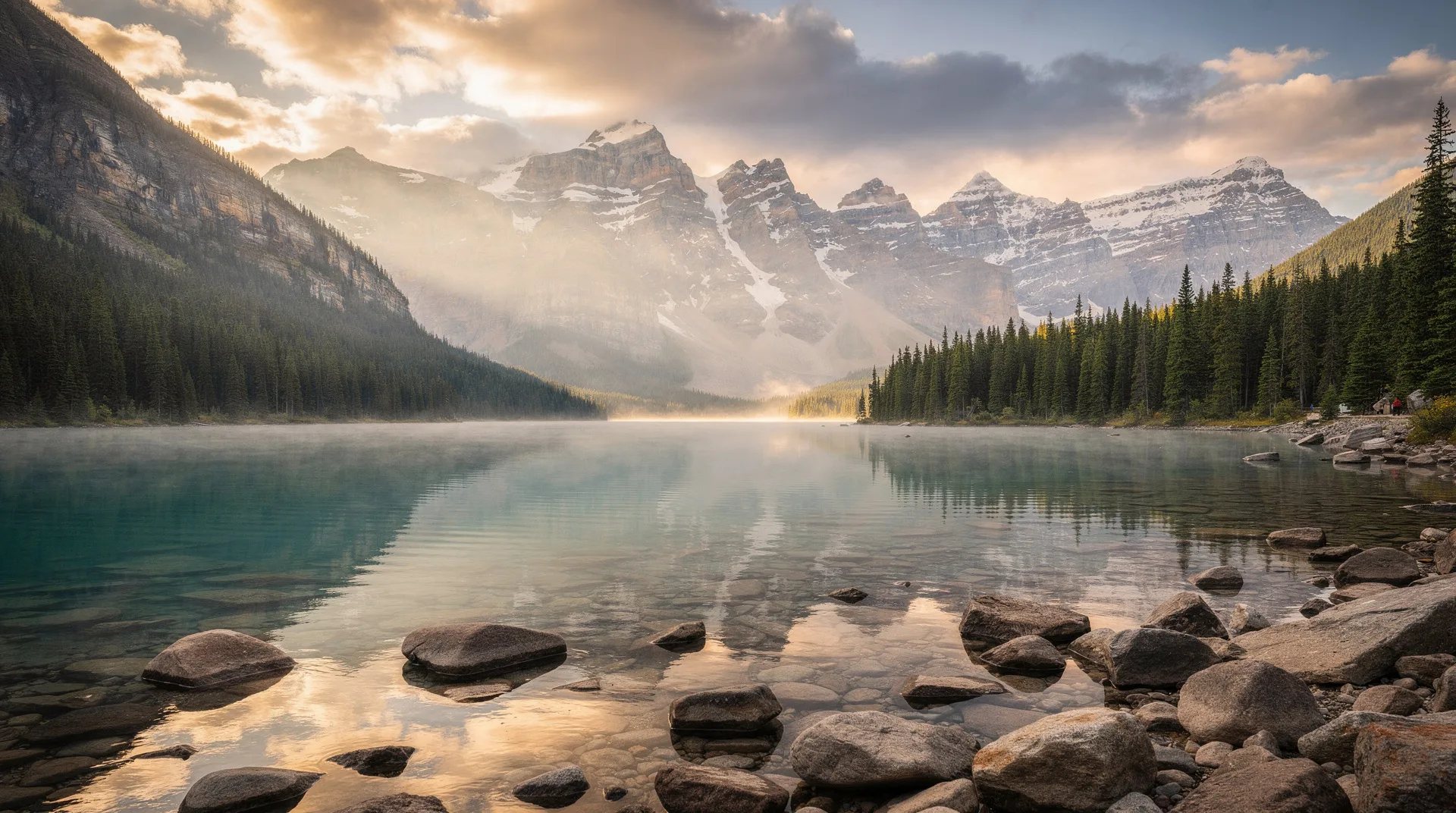
Moose Jaw Saskatchewan: Tunnels, Spas & Prairie Heritage
Moose Jaw combines underground tunnel history, Canada's best mineral spa, murals, and prairie heritage in a small Saskatchewan city full of personality.
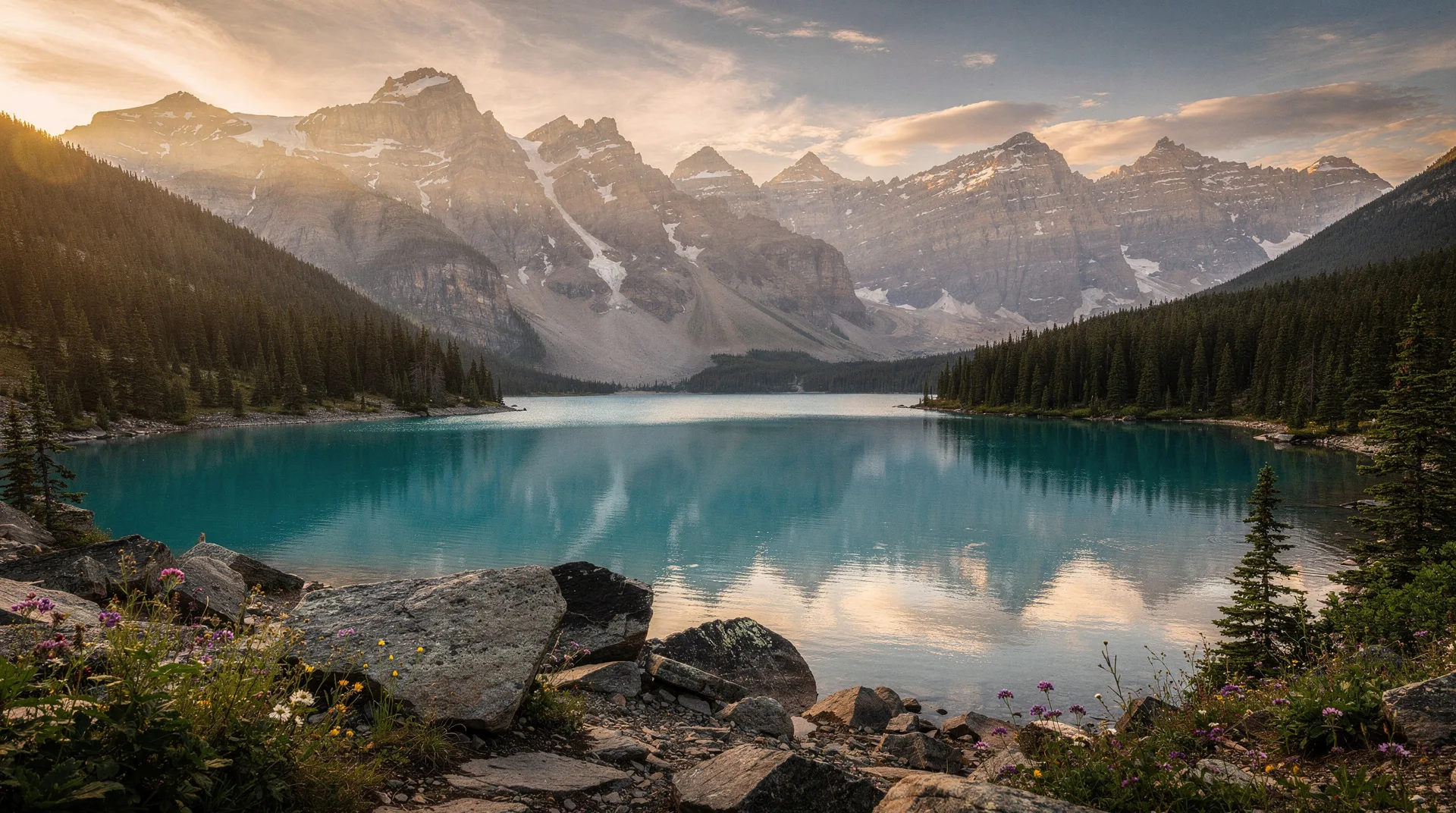
Prince Albert National Park: Grey Owl & Saskatchewan Wilderness
Prince Albert National Park protects Saskatchewan's northern wilderness — bison herds, grey owl's cabin, canoe routes, and Waskesiu's sandy beach.
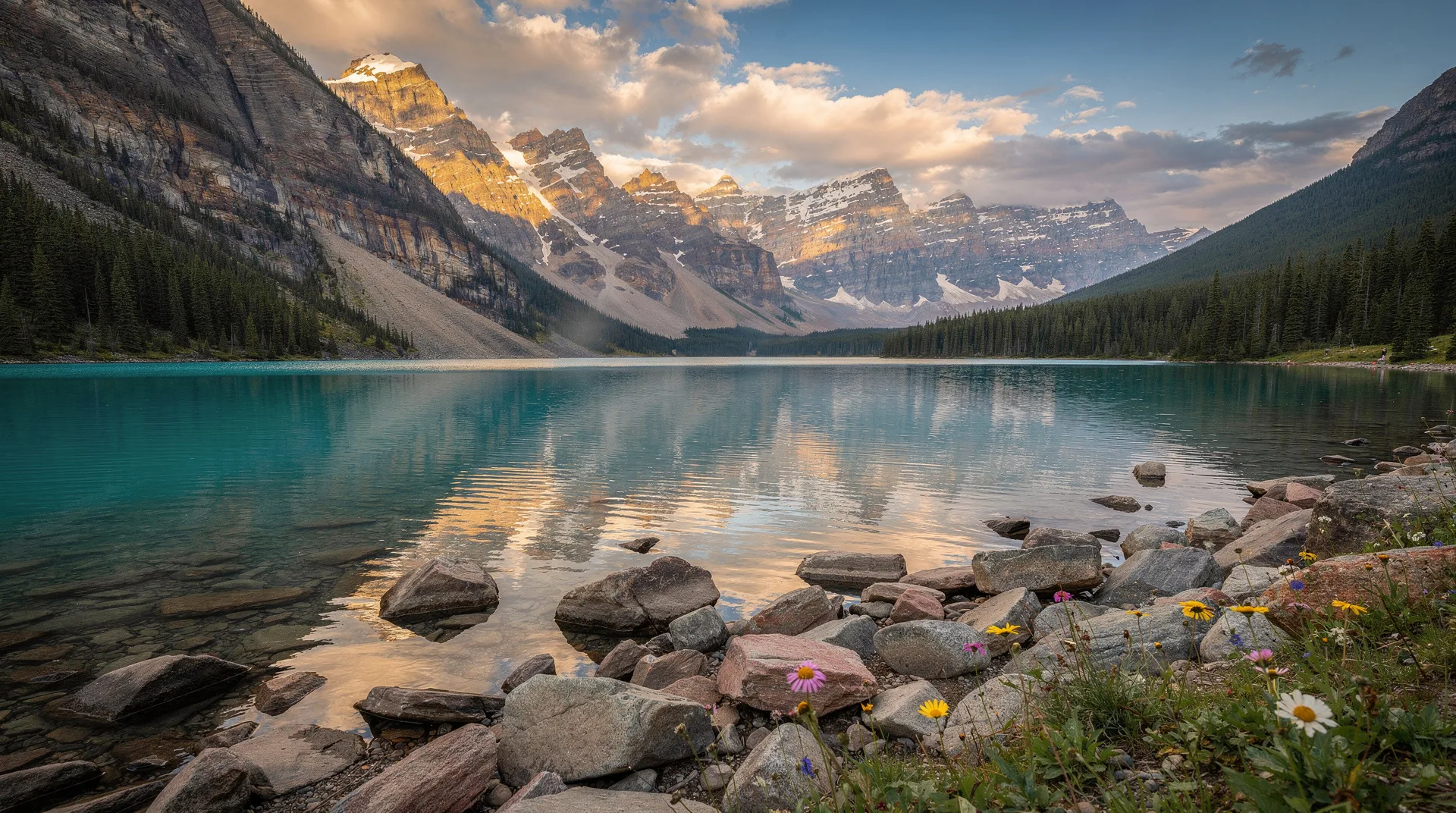
Prince Albert National Park, Saskatchewan
Prince Albert National Park in central Saskatchewan — boreal lakes, bison herds, Grey Owl's cabin, and the resort town of Waskesiu.
Grasslands National Park, Saskatchewan
Grasslands National Park preserves rare mixed-grass prairie in southwest Saskatchewan — wild bison, dark sky preserve, badlands and fossil beds.
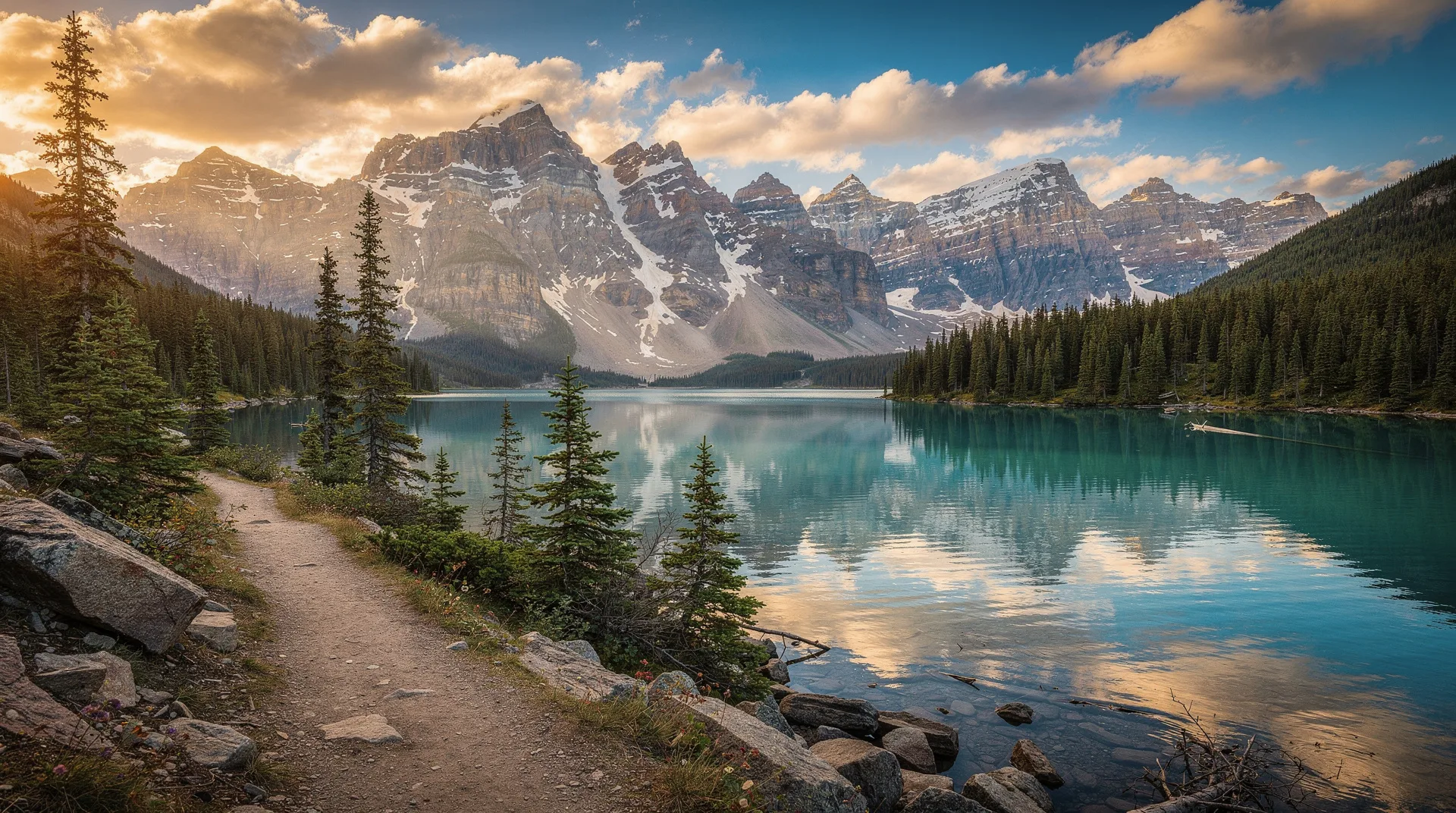
Grasslands National Park
Grasslands NP protects Canada's last mixed-grass prairie: bison herds, prairie rattlesnakes, dark skies, and profound wilderness solitude.
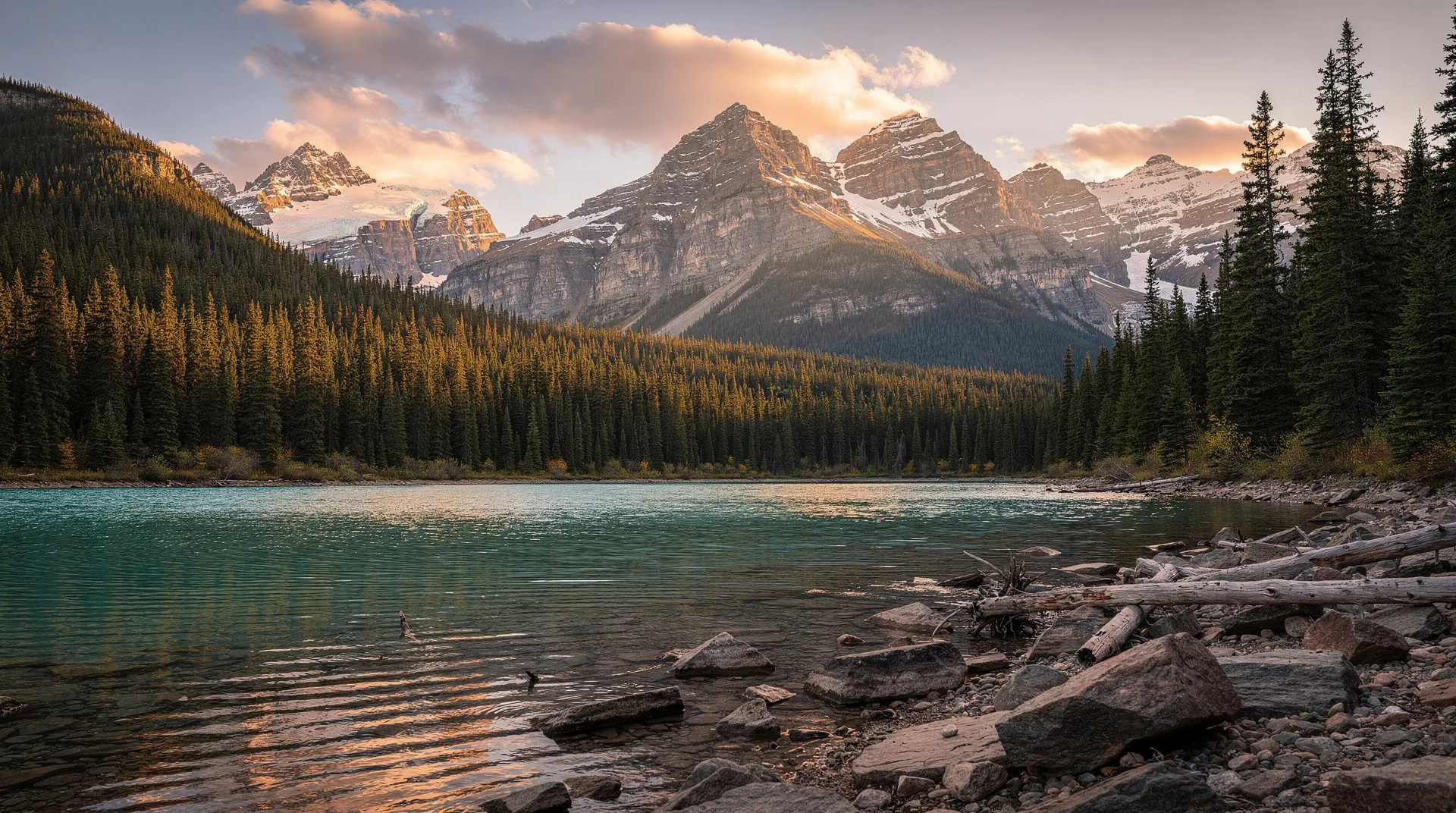
Cypress Hills Interprovincial Park: Prairie Oasis & Dark Sky
Cypress Hills rises above the prairies of Saskatchewan and Alberta — a forested plateau, dark sky preserve
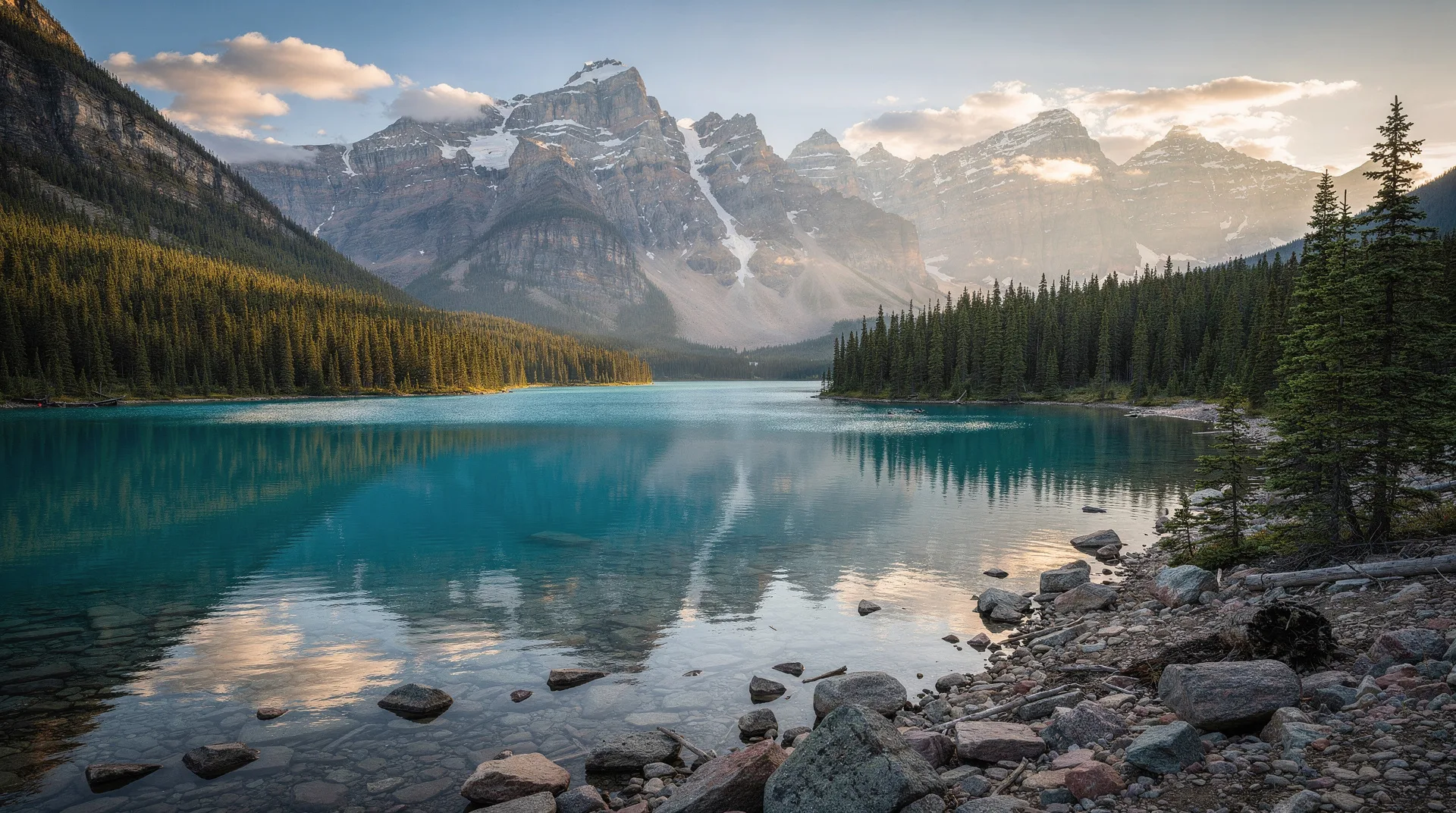
Batoche National Historic Site: The Métis Heritage Centre
Batoche National Historic Site in Saskatchewan — 1885 Resistance battlefield, Métis heritage, interpretive programming and summer festival.
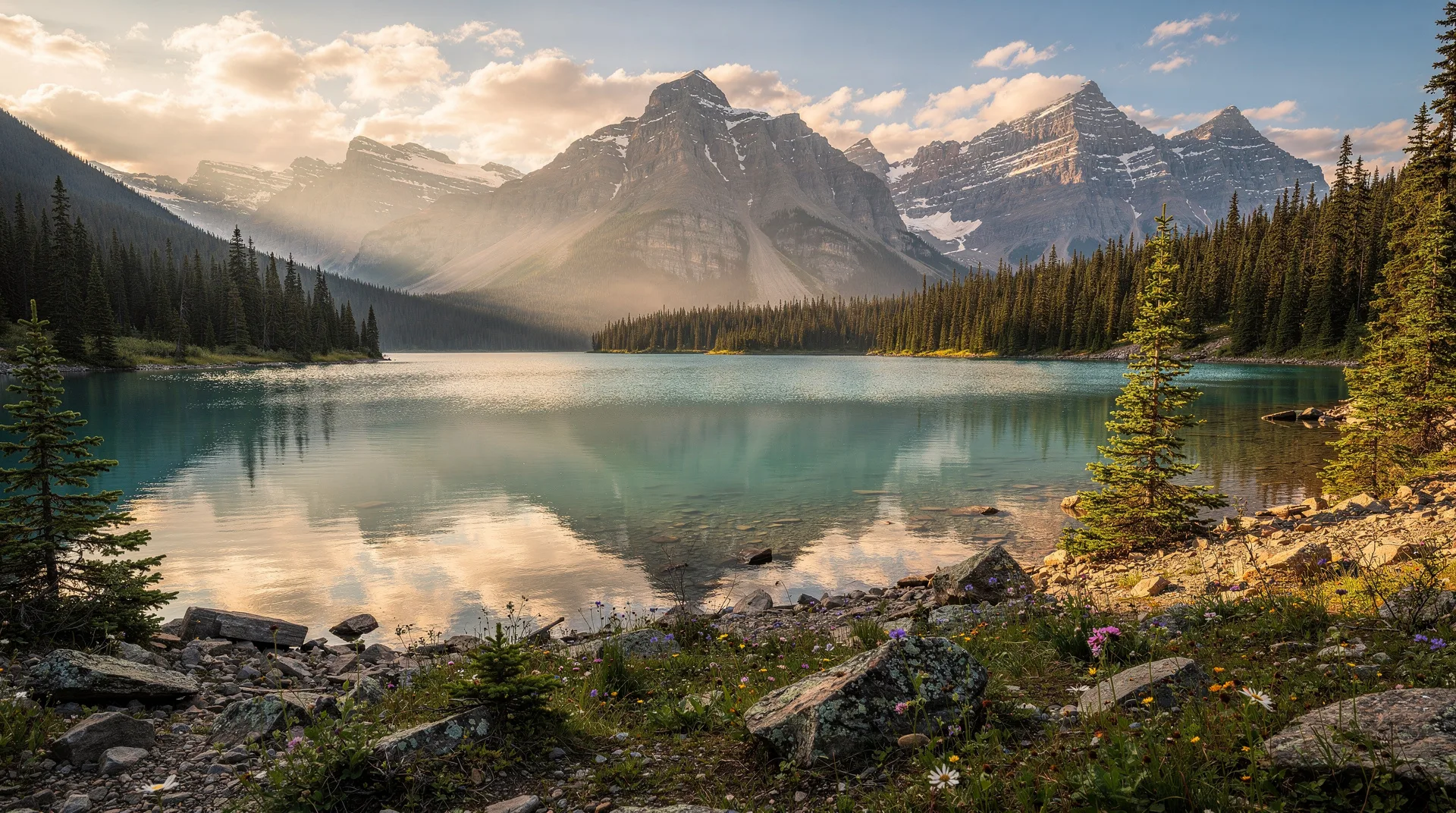
Wanuskewin Heritage Park, Saskatchewan
Wanuskewin Heritage Park near Saskatoon — 6,400 years of Northern Plains Indigenous history, bison herd, archaeology and cultural programming.