Canada’s heartland province
Ontario is the province most international visitors encounter first, and the one that most consistently refuses to be summarised. It is the country’s economic engine, its political capital, its cultural mosaic, and — improbably, given the reputation for cities — one of its great wilderness regions. From the glass towers of Toronto to the thunder of Niagara Falls, from the Parliament buildings of Ottawa to the loon-haunted interior of Algonquin Park, the province packs more variety into a single driveable circuit than most countries do across their entire territory.
The scale takes first-time visitors by surprise. Ontario stretches over 1.6 million square kilometres — larger than France, Germany, and Spain combined — with a tongue of southern farmland squeezed between the Great Lakes and, beyond it, a vast hinterland of boreal forest, Canadian Shield rock, and Indigenous homelands reaching to Hudson Bay. Most tourism concentrates in a relatively compact corridor along Lakes Ontario and Huron, where more than 12 million of the province’s 15 million people live, but the further you drive from that urban belt the more the scenery changes: the Shield country north of Toronto, the Great Lakes shoreline along Superior, the granite islands of Georgian Bay.
The compensations of this geography are substantial. You can stand under the CN Tower on a Monday morning, be paddling a canoe on a wilderness lake by Wednesday, taste Riesling in Niagara-on-the-Lake on Friday, and sleep in a limestone B&B in Kingston on Saturday — all within a single province. It is this combination, more than any single attraction, that makes Ontario the natural anchor for a first visit to Canada.
| At a glance | |
|---|---|
| Where | Southern and central Canada, anchored by Toronto and Ottawa, stretching north to Hudson Bay |
| Cost | Toronto mid-range hotels roughly CAD 180-320/night in summer; Niagara Falls attraction combos around CAD 60-90; VIA Rail Toronto-Ottawa around CAD 60-150 one-way depending on advance purchase |
| Time needed | 7-10 days for a first visit covering Toronto, Niagara and one more region; 14 days for a fuller loop |
| Getting there | Fly into Toronto Pearson (YYZ) or Ottawa (YOW); VIA Rail’s Quebec-Windsor corridor connects the main southern cities well |
| Best time | May-October for outdoor sightseeing and cottage country; late Sept-early Oct for fall colour; winter for the Rideau Canal Skateway |
Toronto and the GTA
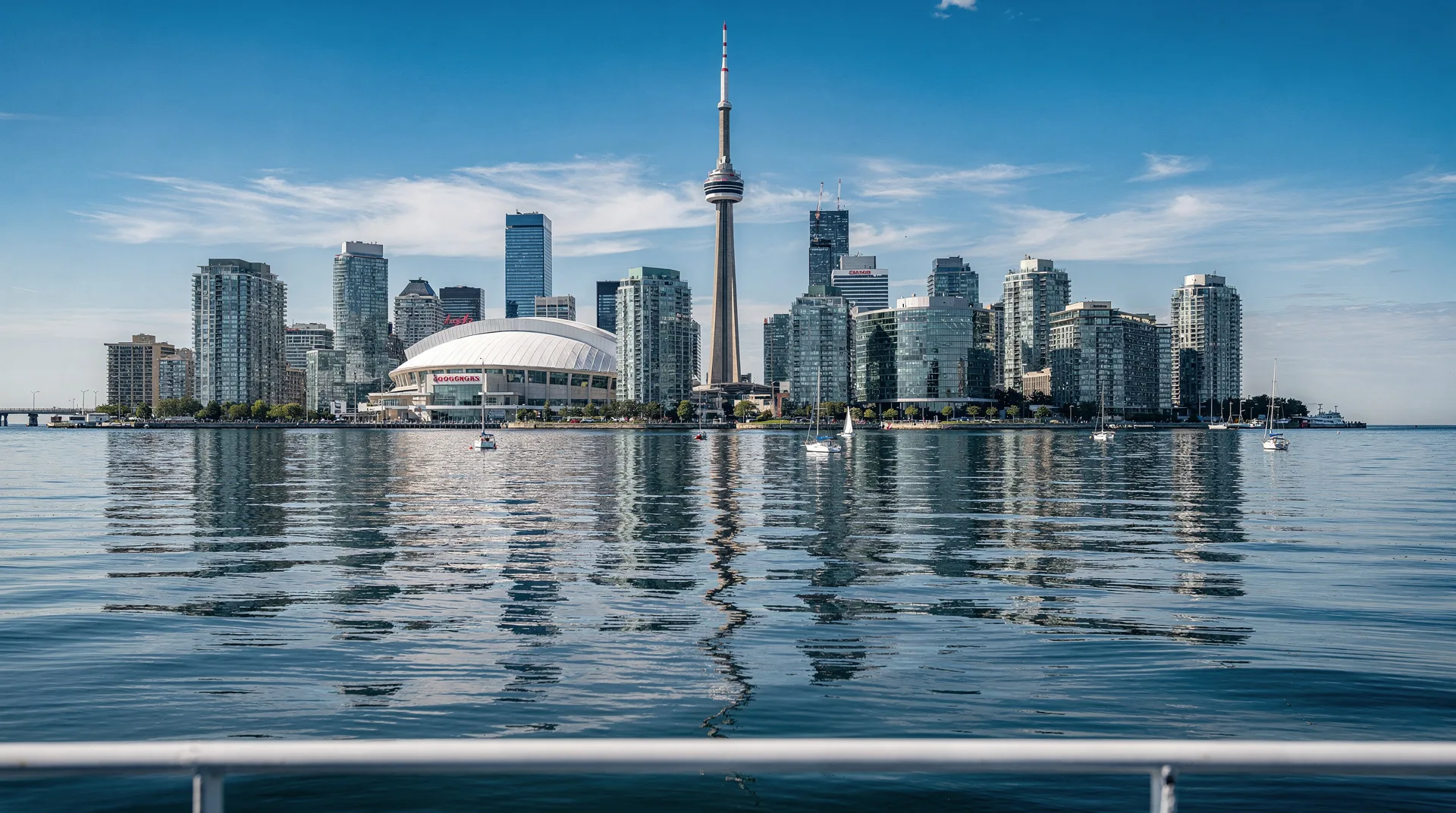
Toronto is the fourth-largest city in North America and comfortably one of the most cosmopolitan places on the continent. More than 200 languages are spoken across its neighbourhoods, and no single cultural tradition dominates the streetscape. The CN Tower still functions as the city’s most legible landmark — a useful directional anchor visible from almost anywhere downtown — but Toronto’s genuine character is dispersed across its neighbourhoods: Kensington Market’s bohemian tangle of fishmongers and vintage stores, the Distillery District’s Victorian brick preserved in aspic, Chinatown and Little Italy and Little Portugal and Little India all within a short streetcar ride of each other.
The cultural infrastructure matches the demographic diversity. The Royal Ontario Museum holds one of the finest natural history and world cultures collections in North America. Casa Loma, an Edwardian industrialist’s folly on the escarpment above the city, remains improbable and delightful. The Toronto International Film Festival, every September, transforms the downtown core into a Hollywood substation. Underneath it all runs the PATH — a 30-kilometre climate-controlled labyrinth of underground walkways that makes the city genuinely habitable through its harsh winters.
Book the Toronto 5-hour ultimate city tour Book CN Tower tickets and skip the lineAround Toronto, the Greater Toronto Area extends through a horseshoe of satellite cities along the lake. Hamilton, 70 kilometres southwest at the western tip of Lake Ontario, has reinvented itself in the past two decades from steel town to cultural outlier — over 100 waterfalls tumble from the Niagara Escarpment within its city limits, giving it an improbable claim to the title of “Waterfall Capital of the World.” The old downtown’s James Street North arts district, the Art Gallery of Hamilton, and the surprisingly good food scene make it more than a stopover en route to the Niagara Peninsula.
The Niagara region
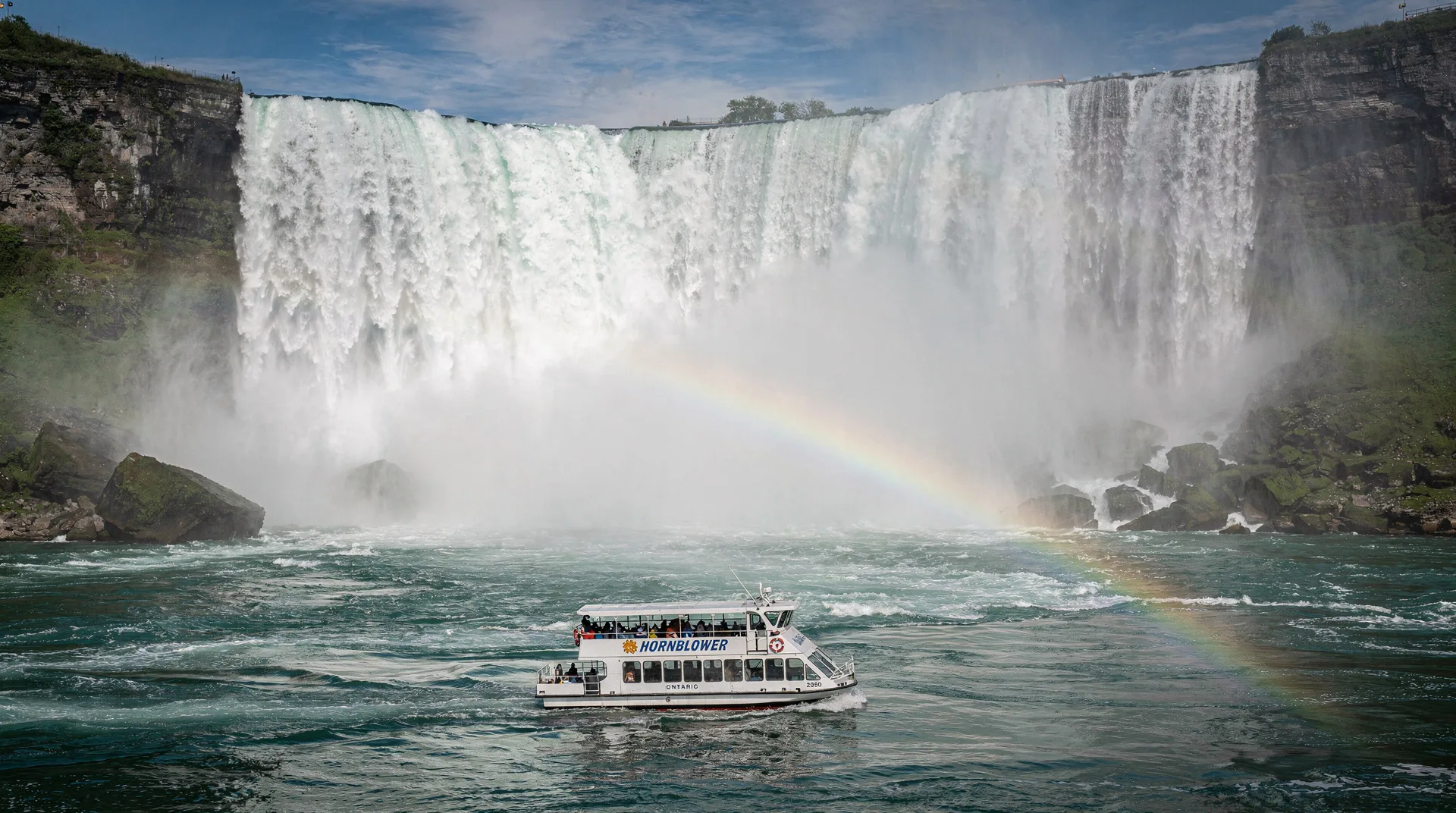
Forty-five minutes south of Hamilton, the Niagara Falls complex dominates the landscape on a scale that photographs never quite communicate. The Canadian Horseshoe Falls carries roughly 90 percent of the total flow of the Niagara River — over 2,800 cubic metres per second plunging 57 metres into the basin below — and bends in a U-shape that points directly toward the Ontario bank. The result is a geographical quirk that hands Canada the superior viewing geometry: from the Canadian side you see the full arc of the cataract; from the American side you look along its edge.
What elevates Niagara from tourist trap to genuine experience is the proximity the infrastructure allows. The Niagara City Cruises boat tour drives directly into the spray basin at the foot of the falls. The Journey Behind the Falls tunnels, drilled through the bedrock in the 1880s, emerge at a portal directly behind the sheet of water where conversation becomes shouting over the roar. The Skylon Tower lifts you 236 metres above the gorge for the overview. At night, the falls are illuminated with shifting colour, and in summer fireworks explode above the basin twice a week.
Book the Niagara Falls Canadian side combination experienceFifteen kilometres north along the Niagara Parkway — a road Winston Churchill once called “the prettiest Sunday afternoon drive in the world” — lies Niagara-on-the-Lake, a preserved Georgian town of white-porch inns, wisteria-draped verandas, and the Shaw Festival theatre.
The surrounding Niagara Peninsula is Ontario’s most important wine region, with a moderating microclimate from Lake Ontario that produces world-class Riesling, Cabernet Franc, and the internationally prized ice wine made from grapes left on the vine until they freeze naturally. A day spent tasting your way along the Niagara Wine Route, ending with dinner at Treadwell or one of the estate dining rooms, is among the most civilised experiences the province offers.
Ottawa and eastern Ontario
Four hours east of Toronto along Highway 401, the landscape softens into the lower St. Lawrence valley — the historic spine of early European Canada and, today, a region of limestone towns, water-threaded countryside, and one of the country’s most underrated capital cities.
Ottawa is a city that rewards visitors who arrive expecting little. Its Parliament Hill, perched on a limestone bluff above the Ottawa River, is one of the most impressive pieces of Gothic Revival architecture in North America. The National Gallery of Canada — designed by Moshe Safdie as a glass cathedral — houses works by Monet, Renoir, and the Group of Seven alongside the giant Louise Bourgeois spider sculpture “Maman” that has become an unofficial civic mascot.
The Rideau Canal, UNESCO-listed, runs eight kilometres through the city centre and in January transforms into the world’s largest naturally frozen skating rink — genuinely used by Ottawans for the commute, not merely as a novelty. The ByWard Market just east of Parliament is the city’s social heart, with its bakeries producing the famous BeaverTails pastries and its restaurants operating from breakfast to late night.
Book Ottawa sightseeing tours and experiencesSouthwest of Ottawa, at the point where the Rideau Canal meets Lake Ontario and the St. Lawrence River begins its run to the Atlantic, Kingston occupies one of the most historically layered sites in the country. It served briefly as Canada’s capital in the 1840s and retains its limestone streetscape from that era in better condition than almost any Canadian city. Fort Henry, a preserved nineteenth-century British fortification on the bluff above the harbour, stages summer-evening military tattoos.
Queen’s University gives the modest city a year-round energy out of proportion to its size. Kingston is also a natural base for exploring the Thousand Islands — technically 1,864 of them — which scatter across a 90-kilometre stretch of the upper St. Lawrence between here and Brockville. Some are bare granite with a single windswept pine; others carry improbable Victorian summer castles built by Gilded Age millionaires. The most famous, Boldt Castle on Heart Island, was abandoned when its builder’s wife died unexpectedly in 1904.
Book Thousand Islands cruises from Kingston and GananoqueThe natural launching point for Thousand Islands cruises is Gananoque, a small riverside town 30 kilometres east of Kingston whose entire downtown seems calibrated to the rhythms of the tour boats. Its 1,000 Islands Playhouse theatre, harbour-front restaurants, and network of B&Bs make it a pleasant overnight alternative to Kingston.
Further south and west, the Lake Ontario shoreline bends into a long peninsula that Ontarians have belatedly discovered as one of the province’s most distinctive regions. Prince Edward County — universally known simply as “The County” — has in the past two decades transformed from quiet farmland into Ontario’s most fashionable wine and food destination, with some sixty wineries, a growing concentration of chef-driven restaurants, and converted-Victorian boutique inns that have made it a weekend retreat for Torontonians.
At the County’s southern edge, Sandbanks Provincial Park protects one of the largest freshwater baymouth sand dune systems in the world — a twelve-kilometre crescent of beach and dune that feels genuinely transporting, particularly in late August when the water of Lake Ontario reaches its warmest.
Explore Prince Edward County wineries and food experiencesThe cottage country
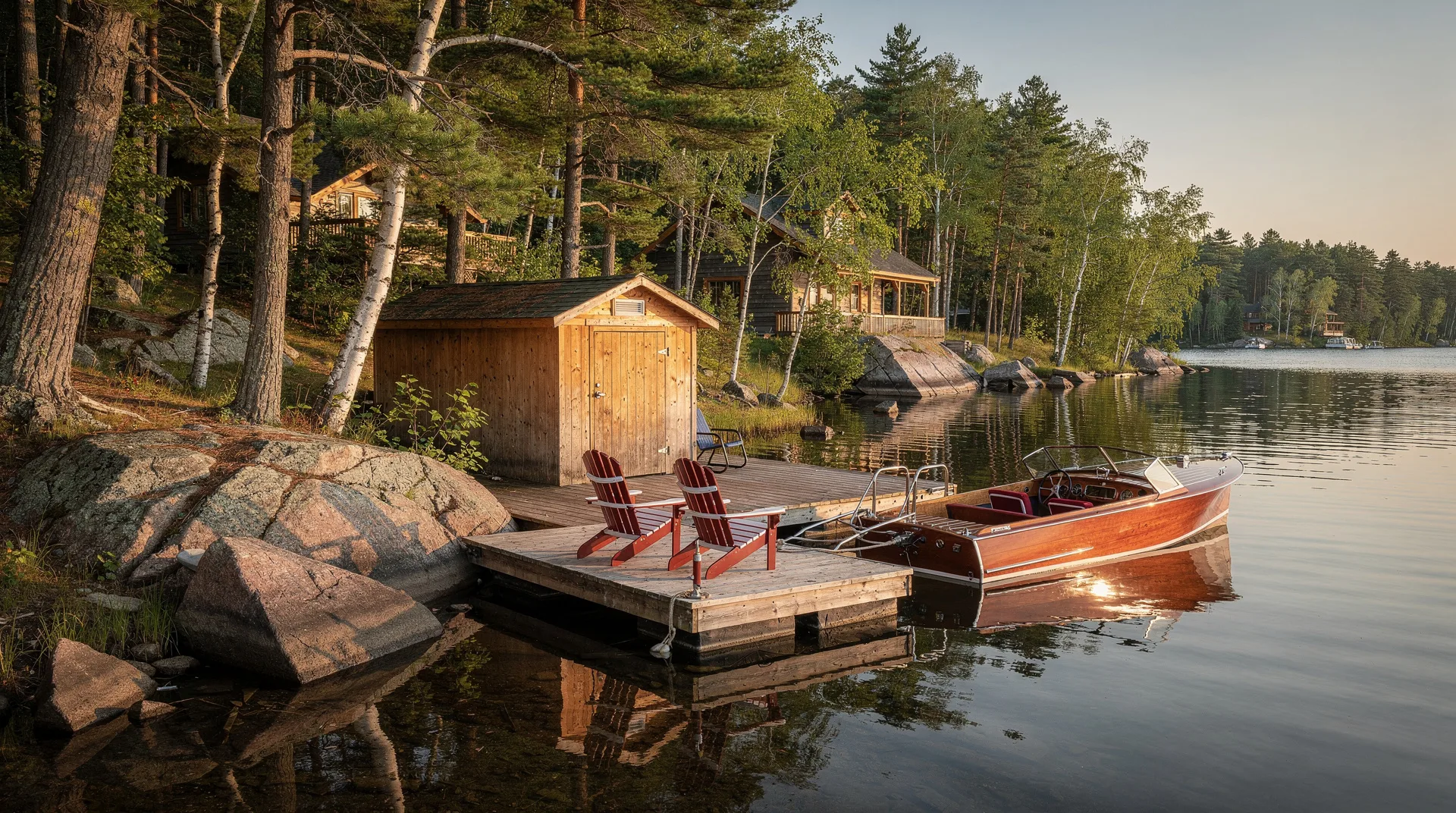
Two hours north of Toronto, the Canadian Shield rises out of the southern farmland and the landscape changes with startling suddenness. The granite bedrock, scraped bare by the last ice age, is pocked with lakes and veneered with mixed forest of white pine, sugar maple, and birch. This is Ontario’s cottage country — a region more psychological than geographical, but one that every Ontarian recognises the moment they cross its invisible boundary.
Muskoka, centred on the big three lakes of Rosseau, Joseph, and Muskoka itself, has been the most celebrated summer retreat in eastern Canada since the late nineteenth century. The original grand railway hotels on its lakes (most long since burned down or converted) were replaced over generations by private cottages ranging from modest cabins to boathouses the size of suburban homes.
Today, Huntsville, Gravenhurst, Bracebridge, and Port Carling anchor a network of lake resorts and converted heritage properties such as Windermere House and the Rosseau. The region has become shorthand for a certain kind of Canadian leisure — long dock days, swimming at dusk, loon calls carrying across glass-still water — and the Muskoka chair itself, that broad-armed Adirondack variant painted red, is its unofficial symbol.
East of Muskoka, the Haliburton Highlands offer a similar landscape with a different texture: less developed, less moneyed, more studio-and-trail oriented. The Haliburton Forest and Wildlife Reserve operates a canopy walk through old-growth forest and a resident wolf centre. The region’s county-wide studio tour each autumn opens painters’, potters’, and woodworkers’ workshops to visitors — a demonstration that cottage country has a year-round cultural life beyond the summer season.
South of both Muskoka and Haliburton, the Kawarthas spread across a chain of interconnected lakes with the towns of Peterborough, Lakefield, and Fenelon Falls at their centre. The lakes here are generally shallower and warmer than those further north — good for swimming and family boating — and the region’s Trent-Severn Waterway, a 386-kilometre chain of lakes, rivers, and canals connecting Lake Ontario to Georgian Bay, threads through its heart. The Peterborough Lift Lock, the world’s highest hydraulic boat lift, is the most peculiar engineering attraction in the province.
Deeper in, and the wildest by far, lies Algonquin Park — 7,653 square kilometres of Shield lakes, boreal forest, and wolf country that is the cathedral of Ontario outdoor culture. Established in 1893 as Ontario’s first provincial park, Algonquin contains 2,400 lakes and 1,200 kilometres of marked canoe routes, sustaining multi-week interior expeditions without repeating a portage.
The Highway 60 corridor that bisects its southern portion offers accessible moose-viewing (dawn and dusk, almost guaranteed in May and June), the most celebrated fall-colour drive in eastern Canada, and the summer-evening Public Wolf Howl, when park naturalists call the resident wolves and a pack answers from somewhere in the forest dark.
Book Algonquin Park guided canoe trips and day toursGeorgian Bay and the Bruce
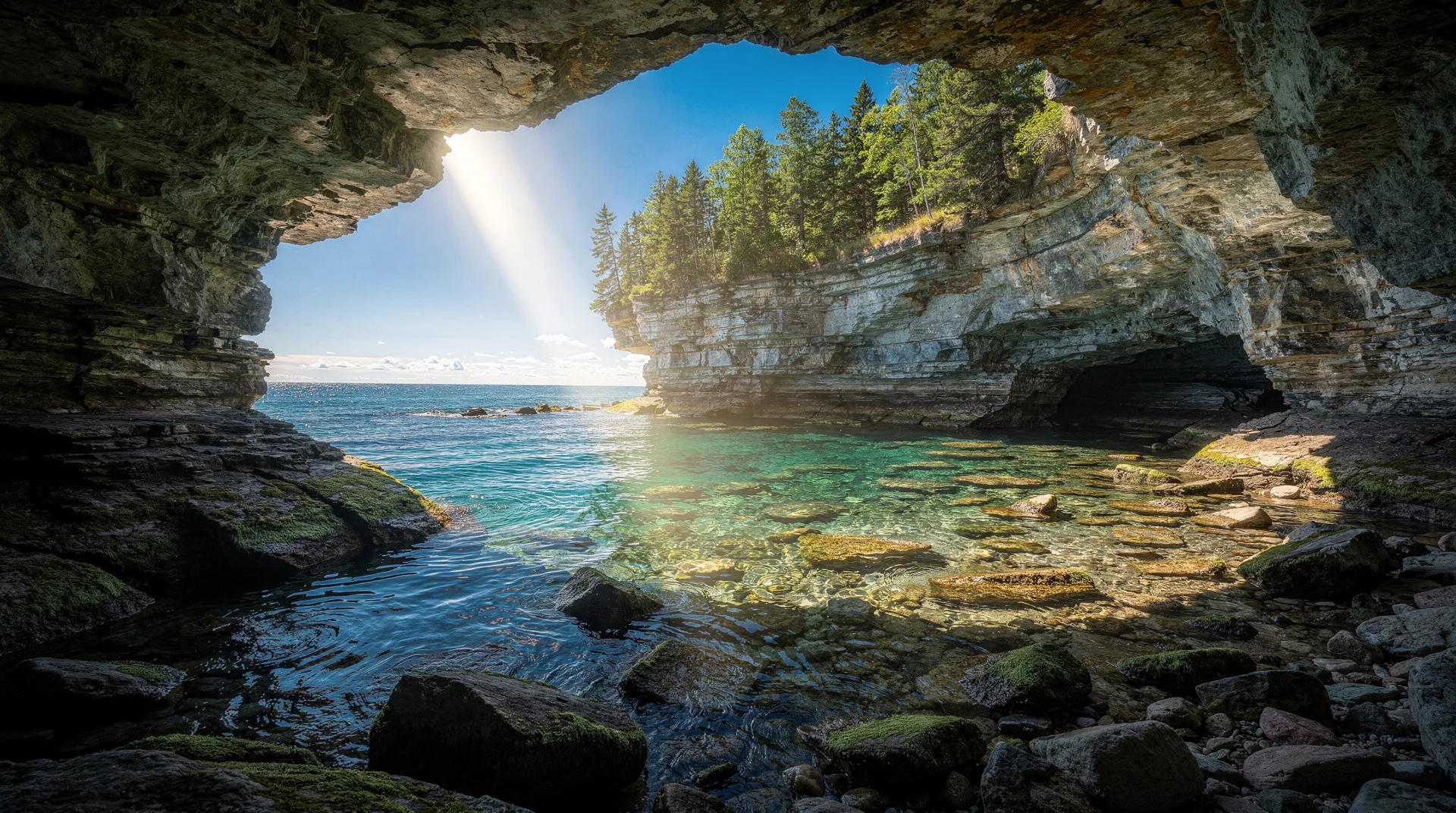
West of cottage country, the landscape pivots toward Georgian Bay — the enormous eastern arm of Lake Huron that, were it not a bay, would rank as one of the world’s largest freshwater lakes in its own right. The eastern shoreline from Honey Harbour north is a UNESCO-listed biosphere of 30,000 islands, an almost incomprehensible scatter of granite, pine, and turquoise water that defines the Group of Seven’s visual idea of Canada. The shoreline here is the painted landscape of A.Y. Jackson and Tom Thomson — wind-bent pines on bare rock, water of improbable clarity, horizons of layered grey and blue.
Georgian Bay proper is best experienced by boat. From Parry Sound, the 30,000 Island Cruise ships run two-hour loops through the archipelago. Further south, the Beausoleil Island section of Georgian Bay Islands National Park is reachable by Parks Canada water taxi from Honey Harbour. The scenery is improbable enough that first-time visitors routinely assume they have misidentified the latitude.
The western side of Georgian Bay rises into the Bruce Peninsula, a limestone finger that separates the main body of Lake Huron from Georgian Bay. The Bruce Peninsula National Park at its tip, centred on the village of Tobermory, offers some of the most dramatic coastal scenery in central Canada: limestone cliffs, crystalline turquoise water, and the improbable Grotto sea cave that looks more Mediterranean than Ontarian.
Fathom Five National Marine Park just offshore contains two dozen shipwrecks in water clear enough to snorkel over — the combination makes Tobermory an unexpected dive and snorkel destination. The Bruce Trail, at 900 kilometres the longest marked footpath in Canada, runs the length of the Niagara Escarpment from Queenston to Tobermory, with the most dramatic sections here in the national park.
On the southern shore of Georgian Bay, Blue Mountain has developed into Ontario’s largest ski resort — a 200-hectare hill whose modest elevation is compensated for by lake-effect snow and a pedestrian-only village of shops and restaurants that functions as a year-round mountain town. In summer it pivots to mountain biking, treetop trekking, and the Scenic Caves. Nearby Wasaga Beach, stretching 14 kilometres along Nottawasaga Bay, is the longest freshwater beach in the world — a classic summer-weekend destination with the scruffy charm that implies.
Across Georgian Bay to the north, connected by ferry from Tobermory, lies Manitoulin Island — the world’s largest freshwater island and one of Ontario’s most culturally distinctive places. Home to six Anishinaabe First Nations and a long-established settler farming community, the island combines Indigenous cultural experiences (the Great Spirit Circle Trail operates excellent guided tours) with empty beaches, inland lakes, and a rural pace unchanged for decades. The Chi-Cheemaun ferry from Tobermory is itself part of the experience.
North of Manitoulin, Killarney Provincial Park protects the La Cloche Range — a spine of white quartzite mountains, rising above jewel-turquoise lakes, whose raw visual drama so moved the Group of Seven painters that they successfully lobbied for the area’s protection in 1933. The Crack, a short but strenuous hike to a quartzite summit with panoramic views over the park’s lakes, is one of the best half-day hikes in Ontario.
Northern Ontario
North of the Great Lakes, the province opens into something genuinely different. This is Canadian Shield country at its full scale — a vast, lake-riddled, forested expanse of boreal and mixed forest stretching 1,500 kilometres west from the Ottawa Valley to the Manitoba border, thinly populated by resource towns, Indigenous communities, and an entirely different rhythm of life.
Sudbury, the major city of northeastern Ontario, began as a nickel-mining town whose century of smelter emissions famously stripped the surrounding landscape to bare blackened rock — and which, through one of the most successful large-scale ecological rehabilitation programs anywhere, has steadily reforested itself over the past four decades. The city’s Dynamic Earth science centre and Big Nickel monument play on that mining heritage. The lakes in and around Sudbury, paradoxically, are now some of the cleanest in the region.
Two hundred kilometres northwest, Sault Ste. Marie sits where Lake Superior narrows into the St. Mary’s River at the border with Michigan. The Agawa Canyon Tour Train, which departs from the Sault each autumn and climbs 183 kilometres into the heart of the Algoma Highlands, is one of the great North American train journeys — a day-trip through painted Group of Seven country at the peak of fall colour.
North of the Sault, the Trans-Canada Highway runs along the eastern shore of Lake Superior, which is simply one of the most beautiful drives on the continent. Lake Superior Provincial Park protects 1,556 square kilometres of this shoreline — beaches, cliffs, river mouths, and the Agawa Rock pictographs where Ojibwe images painted in red ochre look out over the vast lake. Further west, Pukaskwa National Park is the only true wilderness national park on the Great Lakes — its 1,878 square kilometres accessible primarily on foot via the 60-kilometre Coastal Hiking Trail, one of Canada’s classic backpacking routes.
Thunder Bay, at the far western end of the Ontario lakehead, is the largest city on the Canadian side of Lake Superior and the cultural anchor of northwestern Ontario. The Sleeping Giant Provincial Park just east of the city, a peninsula whose dramatic cliffs form the silhouette of a reclining figure visible from the city waterfront, offers some of the most spectacular hiking in the province. The Terry Fox Monument on the highway east of Thunder Bay marks the point where Terry Fox’s 1980 Marathon of Hope ended, and remains one of the most moving roadside memorials in Canada.
Temagami, between Sudbury and North Bay, protects some of the last remaining old-growth red and white pine forest in eastern North America. Its interconnected lake-and-river network sustains a canoe-tripping culture that rivals Algonquin’s, and its ancient pines — some over 400 years old — are the largest trees most Ontario visitors will ever see.
Park passes and what actually costs money
Ontario’s parks and attractions are not free by default, and it’s worth budgeting for this before arrival. Algonquin Park, the Bruce Peninsula and Killarney Provincial Park are Ontario Parks facilities requiring a day-use or camping fee (typically in the CAD 12-21 per vehicle range for day use); Bruce Peninsula National Park and Pukaskwa National Park are Parks Canada sites requiring a park pass — the Parks Canada Discovery Pass is worth comparing against single-park day passes if you’re visiting more than one national park site on your trip.
Niagara Falls viewing from the promenade is free, but the boat tours, Journey Behind the Falls and Skylon Tower are all ticketed separately, and these add up quickly if you do all three — a combination ticket, where available, is usually better value than booking each individually.
Theatre and culture towns
Ontario’s cultural geography extends well beyond Toronto, and nowhere more surprisingly than to Stratford, a small southwestern Ontario town of 30,000 people that nonetheless hosts the largest classical repertory theatre festival in North America. Founded in 1953 on the model of its English namesake, the Stratford Festival now runs from April to October across four purpose-built theatres, staging Shakespeare alongside musicals and contemporary work at a standard that reliably draws audiences from Toronto, New York, and Chicago.
The town itself — with its swan-dotted Avon River, its restored downtown, and its fine-dining scene out of all proportion to its size — is a pleasure in its own right. Stratford also happens to be the birthplace of Justin Bieber, a fact commemorated by a self-guided walking tour that the town treats with appropriate irony.
The best things to do in Ontario
Stand below the Canadian Horseshoe Falls
No visit to the province is complete without the boat ride into the mist basin at the foot of Niagara Falls. Combined with the Journey Behind the Falls tunnel walk and a sunset drink at the Skylon Tower, it remains one of the great set-piece experiences in Canadian tourism.
Book the Niagara Falls combination tour — above and behind the fallsWalk behind a Victorian castle in Toronto
Casa Loma delivers the improbable pleasure of a Gothic Revival mansion complete with secret passages, stables, and panoramic city views from its towers — an unlikely landmark that has become a beloved Toronto institution.
Book Casa Loma entry with multimedia audio guideTaste Riesling and ice wine in Niagara-on-the-Lake
A day on the Niagara Wine Route, hopping between estate tasting rooms and ending with dinner at Niagara-on-the-Lake, shows off a side of Ontario that first-time visitors rarely expect — one of the world’s most distinctive cool-climate wine regions, minutes from the falls.
Cruise the Thousand Islands from Gananoque
The 90-kilometre scatter of islands between Kingston and Brockville is best seen from the water. The three-hour cruise from Gananoque that crosses into American waters to reach Boldt Castle is the classic version of the experience.
Paddle an interior lake in Algonquin
Spend at least one night on an interior canoe-camping trip in Algonquin Park. Even a single-night beginner route to a lake two portages from road access delivers the loon-and-wolf-and-still-water experience that Ontarians carry with them for life.
Watch the mist from Queen’s Park in Ottawa
Ottawa is best experienced by walking — from Parliament Hill across the Alexandra Bridge to the Canadian Museum of History, along the Rideau Canal to the National Gallery, and into the ByWard Market for dinner. In January, swap the walking shoes for skates.
Hike the Grotto on the Bruce Peninsula
The turquoise water and limestone caves at the Grotto in Bruce Peninsula National Park represent the most photogenic single site in inland Ontario. Arrive early; parking reservations are required in summer.
See a Shakespeare play in Stratford
A Tuesday evening performance at the Festival Theatre, followed by dinner in one of Stratford’s independent restaurants, is a cultural experience that anyone who lazily dismisses Ontario as a cultural desert should be forced to undergo.
When to visit
Summer (June to August) is the high season and, for most activities, the best time to visit. Warm weather opens cottage country, Georgian Bay, and the northern parks for swimming, paddling, and camping. The Niagara Falls illuminations and fireworks are in full swing. Toronto’s patio and festival seasons peak. The trade-offs are crowds and prices — book cottage-country accommodation months ahead.
Autumn (September to October) is many Ontarians’ favourite season. The fall colour through the Canadian Shield north of Toronto — especially in Algonquin Park and the Agawa Canyon out of Sault Ste. Marie — ranks among the great natural spectacles in eastern Canada, typically peaking in the last week of September and first week of October. The Niagara wine harvest, the Stratford Festival’s closing weeks, and the Toronto International Film Festival all fall in this season. Temperatures moderate and crowds thin after Labour Day.
Winter (December to March) is cold — genuinely cold, particularly in the north — but it is also the season of the Rideau Canal Skateway in Ottawa, the Winter Festival of Lights at Niagara Falls, Toronto’s Christmas Market in the Distillery District, and a full season of skiing at Blue Mountain and the smaller Ontario hills. Bundled properly, winter travel in Ontario is genuinely rewarding.
Spring (April to May) is shoulder season with its own pleasures: the Canadian Tulip Festival in Ottawa (over a million bulbs along the canal and in Commissioners Park), the cherry blossoms in Toronto’s High Park, maple syrup season across the rural sugar bushes, and Niagara Falls running at its highest flow from snowmelt upstream. The early weeks (April) can be muddy and grey; by mid-May the province is properly open.
Getting around
Flying in. Toronto Pearson International Airport (YYZ) is Canada’s busiest airport, with non-stop service from major European and Asian hubs. The Union Pearson Express train connects Pearson directly to Union Station in downtown Toronto in 25 minutes. Ottawa (YOW) is the other main international gateway, with direct flights from London, Paris, and Frankfurt. Thunder Bay, Sudbury, Sault Ste. Marie, and North Bay have smaller regional airports for northern access.
Driving. Ontario’s 400-series highways — the 401 from Windsor to the Quebec border is the continent’s busiest — are generally well-maintained. A car is effectively essential for exploring cottage country, the Bruce Peninsula, the Thousand Islands, and anywhere in the north. The Toronto-area rush hour is famously severe; plan major moves around it.
Trains. VIA Rail’s Toronto-Ottawa-Montreal corridor is the most useful train service in the country — frequent, reliable, and genuinely faster than driving. Toronto to Kingston runs about 2.5 hours; Toronto to Ottawa 4.5 hours; Toronto to Niagara Falls via GO Transit about 2 hours. The seasonal Agawa Canyon Tour Train from Sault Ste. Marie is a destination in its own right.
Public transit within cities. Toronto’s TTC (subway, streetcar, bus) covers the city thoroughly. Ottawa’s O-Train and OC Transpo bus network suffice for most visitor movement. Beyond the cities, intercity bus and regional transit are thin to non-existent.
Ferries. The Chi-Cheemaun ferry from Tobermory to South Baymouth on Manitoulin Island is the most significant Great Lakes ferry in Ontario, operating seasonally from May to October and carrying both passengers and vehicles.
Itineraries
Five days: Toronto and Niagara
This is the classic first-visit circuit, concentrated on the two headline attractions.
Day 1: Arrive Toronto. CN Tower and harbourfront in the afternoon; dinner in the Distillery District. Day 2: Royal Ontario Museum, Kensington Market, Chinatown, and an evening along Queen Street West. Day 3: Guided day tour to Niagara Falls or drive yourself — Niagara City Cruises boat, Journey Behind the Falls, Skylon Tower, evening illuminations from the promenade. Day 4: Niagara-on-the-Lake — the old town, two or three wineries, and a matinee at the Shaw Festival if dates align. Return to Toronto in the evening. Day 5: Casa Loma, Toronto Islands ferry, final downtown walk, departure.
Ten days: Ontario highlights
A fuller loop covering Toronto, the capital, the St. Lawrence, and the Niagara region.
Days 1-3: Toronto — city neighbourhoods, museums, Toronto Islands, and a day trip to Hamilton for its waterfalls and art gallery. Day 4: Drive Toronto to Kingston via Prince Edward County. Afternoon in The County — wineries and Sandbanks — then continue to Kingston for the night. Day 5: Thousand Islands cruise from Gananoque (three-hour Boldt Castle version), Fort Henry in the afternoon.
Day 6: Drive to Ottawa via the Rideau Canal towns. Days 7-8: Ottawa — Parliament Hill, National Gallery, ByWard Market, Canadian Museum of History. Evening stroll along the canal. Day 9: Long drive back through Algonquin Park on Highway 60 — moose-spotting, a short hike on the Lookout Trail, overnight in Huntsville. Day 10: Muskoka lakes morning, return to Toronto for departure.
Fourteen days: Ontario in depth
Two weeks allows the province to show its full range — city, wine country, cottage country, Georgian Bay, and the national-capital region.
Days 1-3: Toronto. City core, Toronto Islands, a full day for museums (ROM, AGO) and the Distillery District. Day 4: Day trip or overnight to Niagara Falls and Niagara-on-the-Lake. Day 5: Drive north to Muskoka. Check into a lake resort and do absolutely nothing for the rest of the day. Day 6: Muskoka paddle or boat cruise; transfer east to Algonquin Park in the afternoon.
Days 7-8: Algonquin — one interior canoe-camping night if feasible, otherwise lodge-based with day hikes (Track and Tower, Centennial Ridges) and Highway 60 wildlife drives. Day 9: Continue east to Ottawa. Days 10-11: Ottawa — Parliament, galleries, markets, canal walk. Day 12: Drive to Kingston via the Rideau Canal. Day 13: Thousand Islands cruise and Prince Edward County wine country; overnight in The County. Day 14: Morning in Prince Edward County, return to Toronto for departure.
For a more northern or wilderness-oriented fourteen days, substitute Days 5-9 with a Georgian Bay and Bruce Peninsula loop (Tobermory, Manitoulin Island, Killarney, Sudbury, and the Agawa Canyon out of Sault Ste. Marie).
Frequently asked questions about Ontario
How many days do you need to see Ontario?
At least seven to ten days for a meaningful first visit covering Toronto, Niagara Falls, and one or two other regions — typically Ottawa and Algonquin Park or the Thousand Islands. Two weeks allows a far fuller loop including cottage country, Prince Edward County, and the wine region. The province is too large to see in full on a single visit.
Is Niagara Falls worth a detour from Toronto?
Unambiguously yes. Niagara Falls is 130 kilometres from Toronto — about 90 minutes by car or GO Transit bus — and the experience reliably exceeds expectations rather than disappointing them. Many visitors do it as a long day trip; staying overnight allows you to see the evening illuminations, which are significantly more dramatic than the daytime falls.
When does the Rideau Canal skateway open?
The Rideau Canal Skateway in Ottawa typically opens in late January or early February, once the ice reaches the 30-centimetre minimum thickness that Parks Canada requires. The skating season lasts four to six weeks depending on temperatures. Skating itself is free; only skate rentals cost money.
What is cottage country and how do I visit it?
Cottage country refers loosely to the lake-and-Shield region of Muskoka, the Haliburton Highlands, and the Kawarthas north of Toronto, two to three hours by car. Public transit is thin; a car is essentially required. Visitors either rent lakeside cottages by the week (book months in advance for July and August) or stay at resort hotels such as Deerhurst Resort near Huntsville or Windermere House on Lake Rosseau.
Is Ontario easy to visit without a car?
Southern Ontario is reasonably well-served by rail and bus — Toronto, Niagara Falls, Kingston, and Ottawa all connect by VIA Rail or GO Transit, and you can comfortably do a seven-day Toronto-Niagara-Ottawa-Kingston loop car-free. For cottage country, the Bruce Peninsula, Prince Edward County, or anywhere in the north, a car is effectively essential.
When is the fall colour peak in Ontario?
Peak colour typically falls in the last week of September and first week of October in the Canadian Shield north of Toronto — Algonquin Park, Muskoka, Haliburton Highlands, and along the Agawa Canyon rail route from Sault Ste. Marie. Farther south, the colour peaks a week or two later, typically mid-October. The Ontario Parks colour-tracker website updates weekly through September.
What Indigenous experiences are available in Ontario?
Manitoulin Island offers the most developed Indigenous tourism in the province, through the Great Spirit Circle Trail cooperative that operates cultural workshops, medicine walks, and guided canoe experiences with Anishinaabe hosts. Wikwemikong Unceded First Nation on Manitoulin hosts one of Canada’s largest pow-wows each August. Further afield, the Six Nations of the Grand River near Brantford, the Mohawks of the Bay of Quinte near Belleville, and various First Nations communities in the north all offer visitor experiences ranging from museum interpretation to guided cultural programs.
Is Ontario safe for tourists?
Very. Toronto consistently ranks among the safest large cities in North America, and rural Ontario is genuinely low-crime. The standard urban precautions apply in major-city downtowns and entertainment districts; outside of those, the main safety considerations are practical rather than criminal — weather, wildlife in the backcountry, and Great Lakes water conditions (cold and deceptively powerful). Winter driving requires appropriate tires and preparation.
Explore destinations in Ontario
27 places to discover across the region — from headline cities to hidden villages. Tap a card to dive in.
Niagara region2
Niagara Falls
Discover the Canadian side of Niagara Falls: Horseshoe Falls, Skylon Tower, Journey Behind the Falls, boat tours, and nearby wine country.
Niagara-on-the-Lake
Discover Niagara-on-the-Lake: Ontario's most beautiful historic town, world-class icewine, the Shaw Festival theatre, and Niagara wine country cycling.
Ottawa & eastern Ontario6
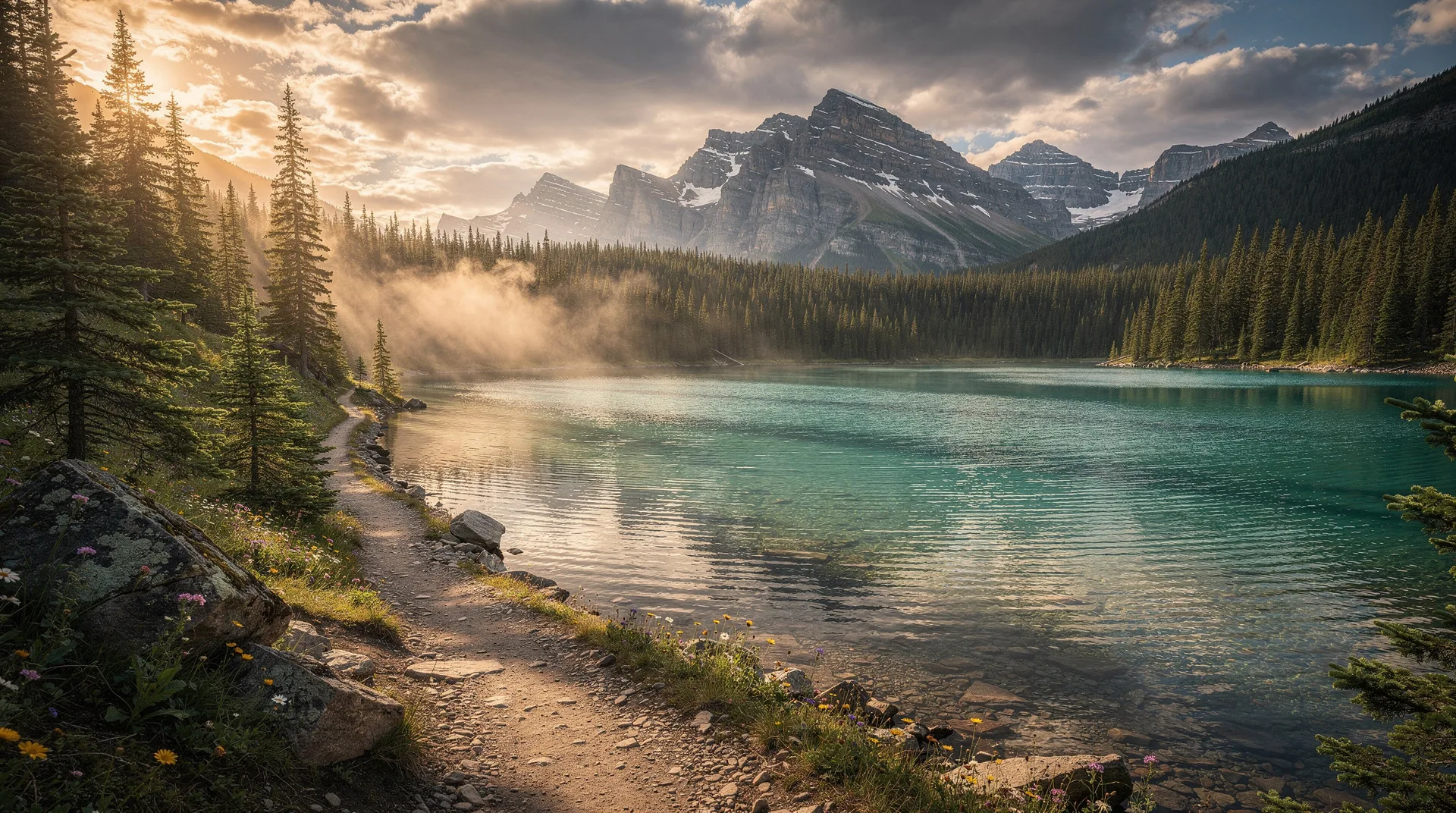
Ottawa
Explore Canada's capital: Parliament Hill, Rideau Canal skating, ByWard Market, world-class museums, and a bilingual city with distinct charm.
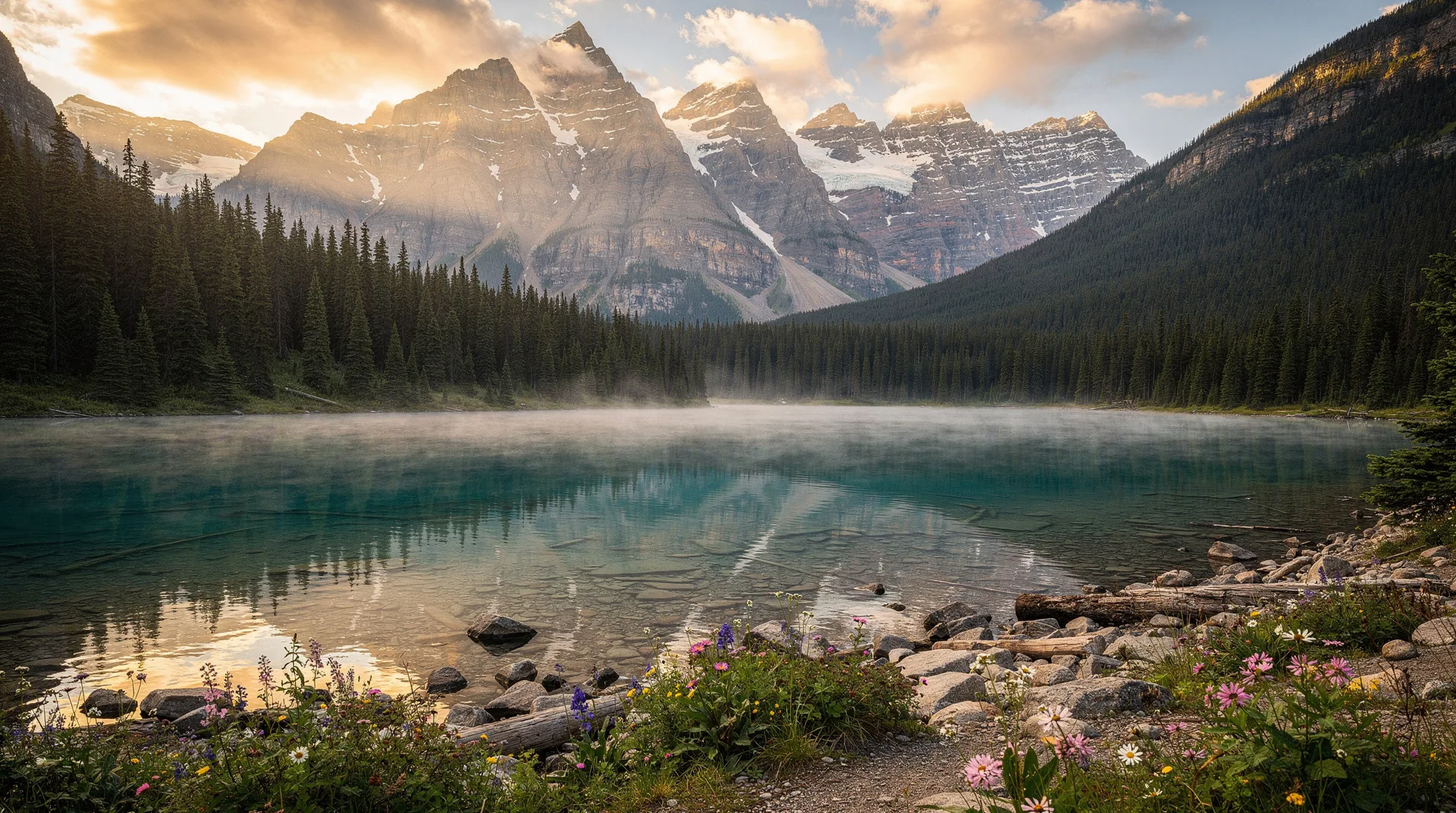
Kingston
Kingston combines Fort Henry, Queen's University, a vibrant limestone waterfront, and the Thousand Islands gateway — 2.5 hours from Toronto.
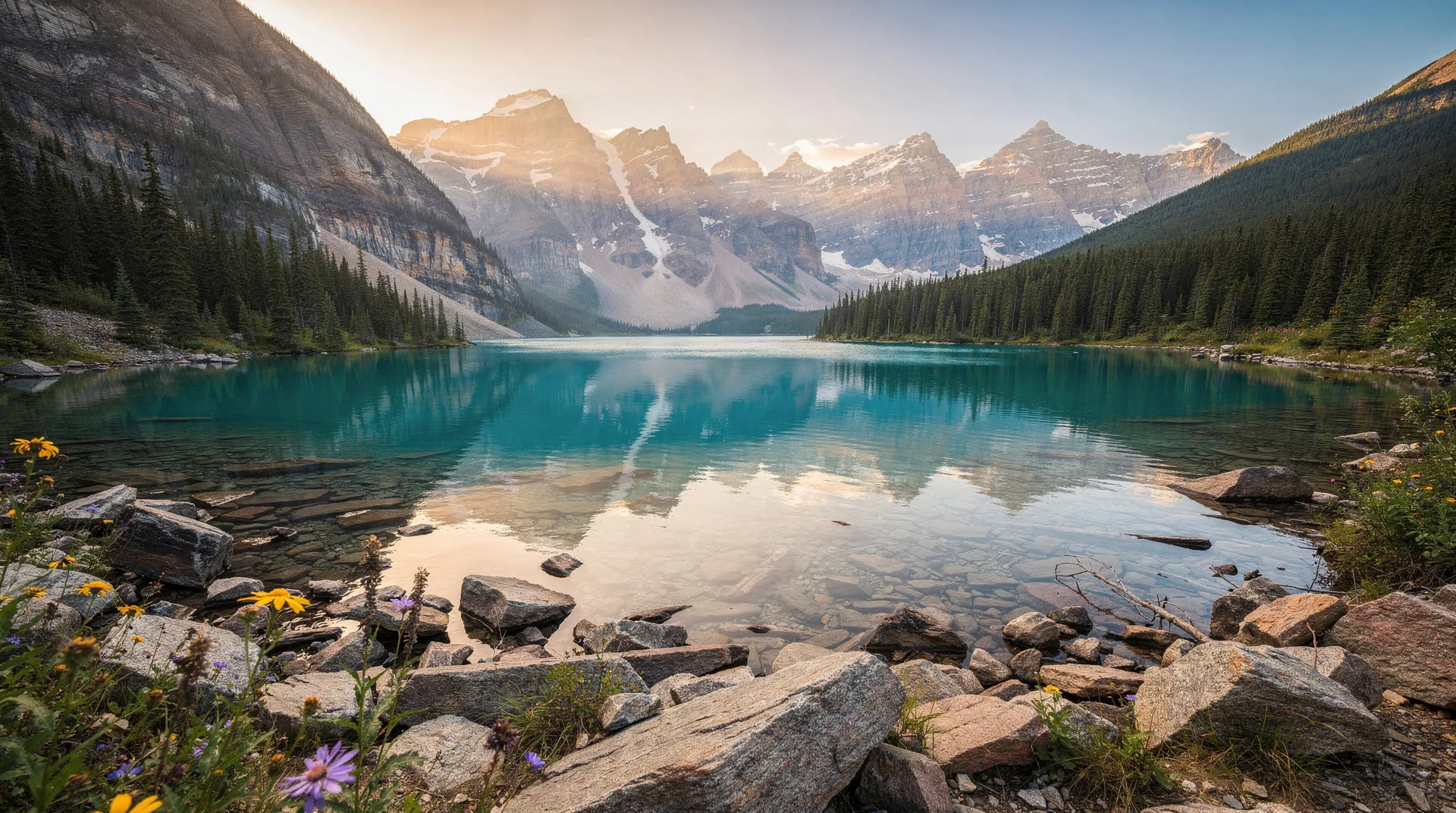
Gananoque
Gananoque travel guide: Thousand Islands boat tours, Boldt Castle, kayaking, 1000 Islands Parkway cycling, and the best base for the St
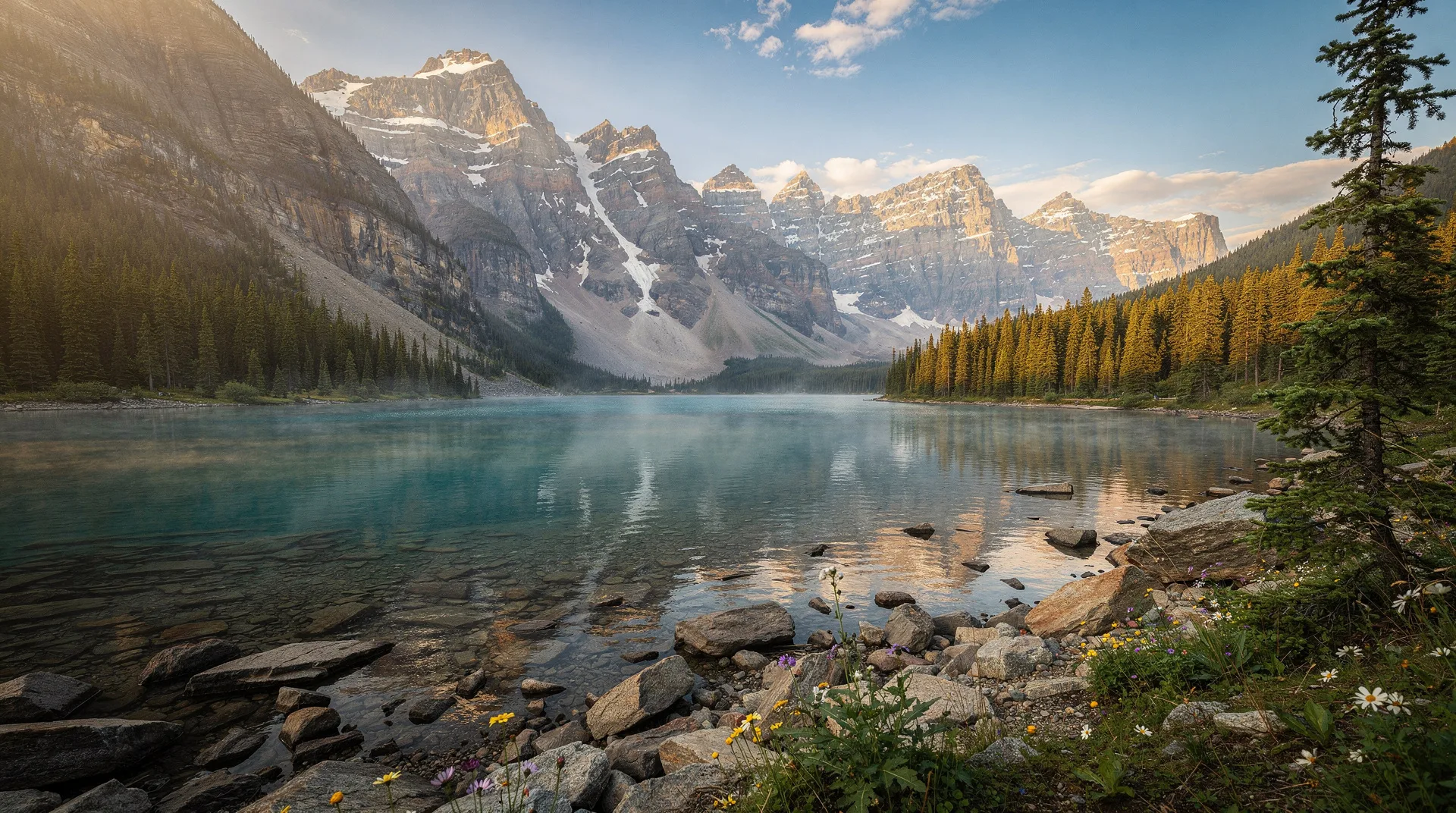
Thousand Islands
The Thousand Islands stretch 80 km along the St. Lawrence: 1,864 islands, Boldt Castle, boat cruises, and Gananoque as the perfect gateway.
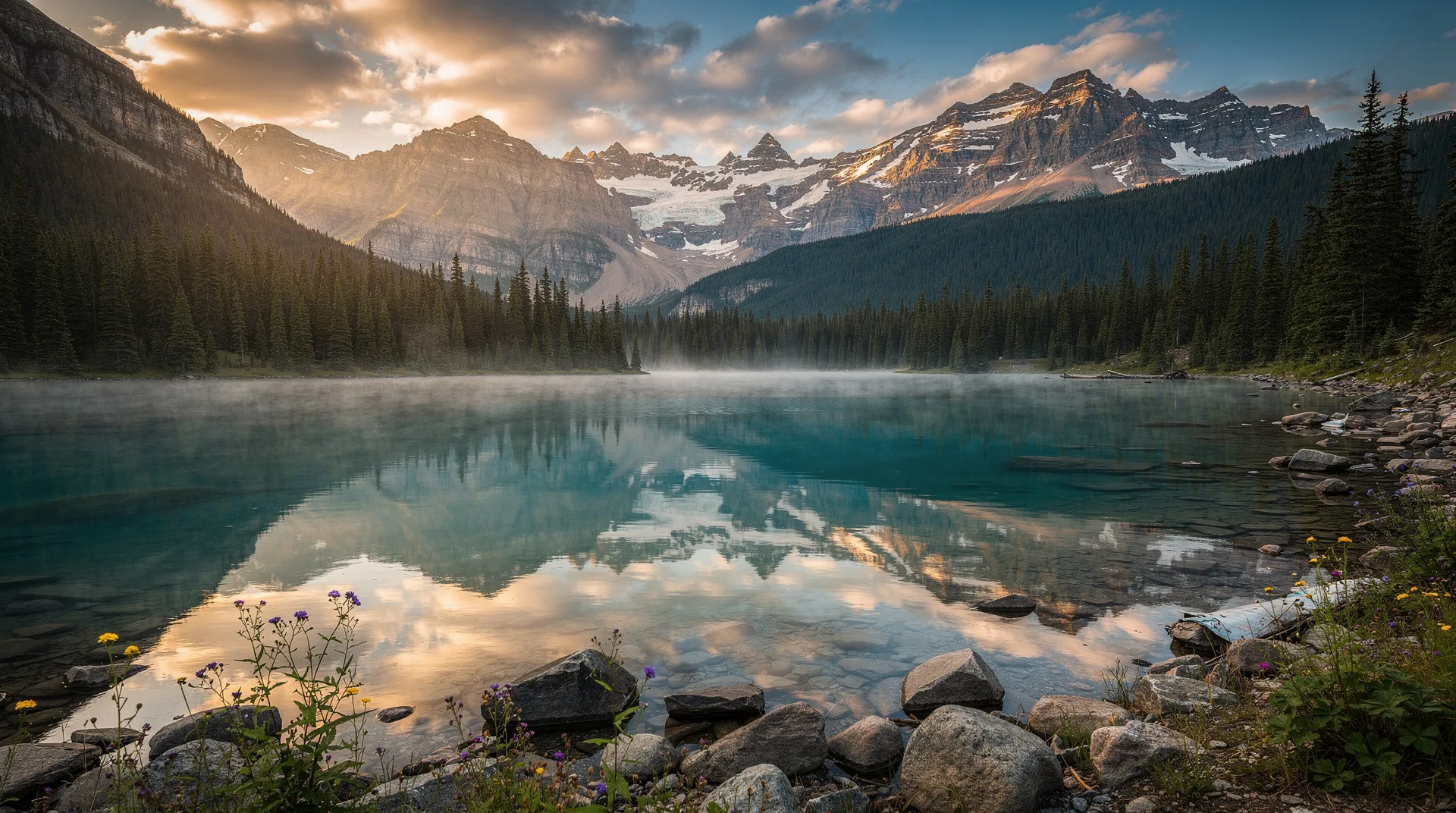
Prince Edward County
Prince Edward County blends Ontario's top wine trails, Sandbanks Provincial Park beaches, artisan food, and craft cider — all 2 hours from Toronto.
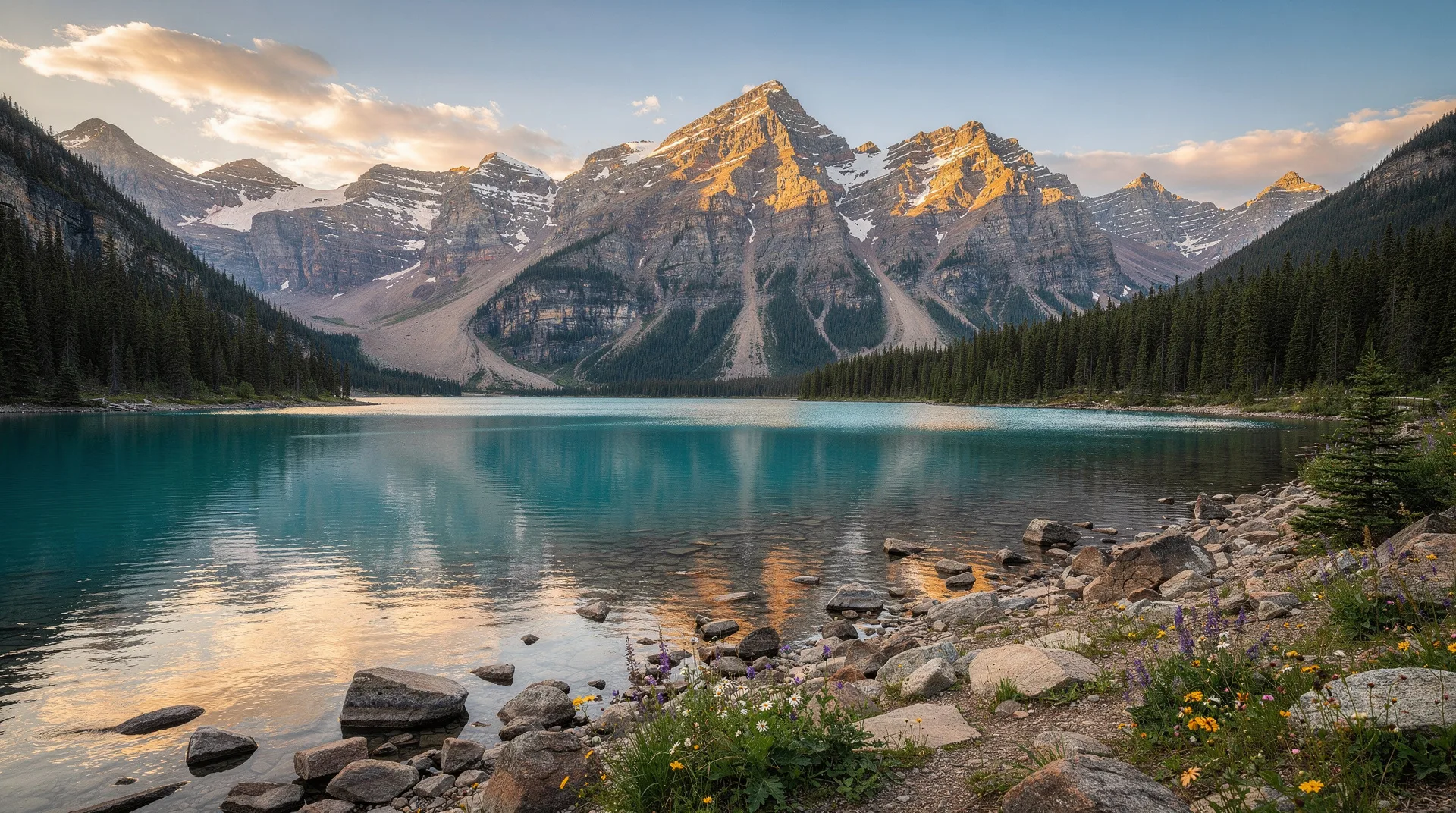
Sandbanks Provincial Park: Beaches, Camping and Visitor Guide
Sandbanks Provincial Park: Ontario's best beaches, sand dunes, camping, Prince Edward County location, and tips for summer visits.
Cottage country4
Muskoka
Discover Muskoka, Ontario's lake country: iconic cottage culture, clear granite-lake swimming, boat cruises, fall colours, and relaxed small-town charm.
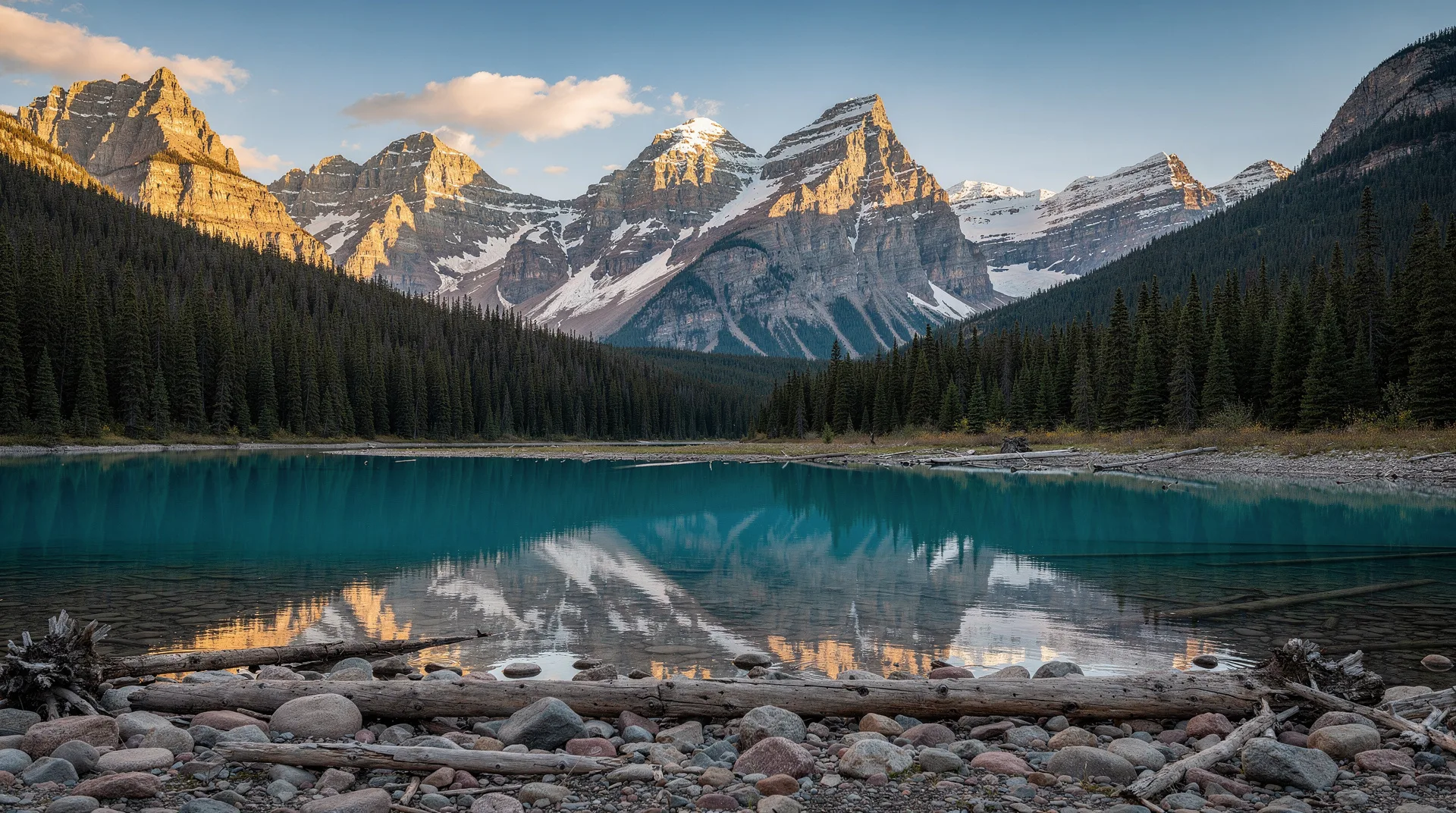
Haliburton Highlands: Hiking, Canoeing and Arts Scene Guide
Haliburton Highlands guide: Ontario's arts-driven cottage country, 600+ lakes, hiking, canoeing, and a quieter alternative to Muskoka.
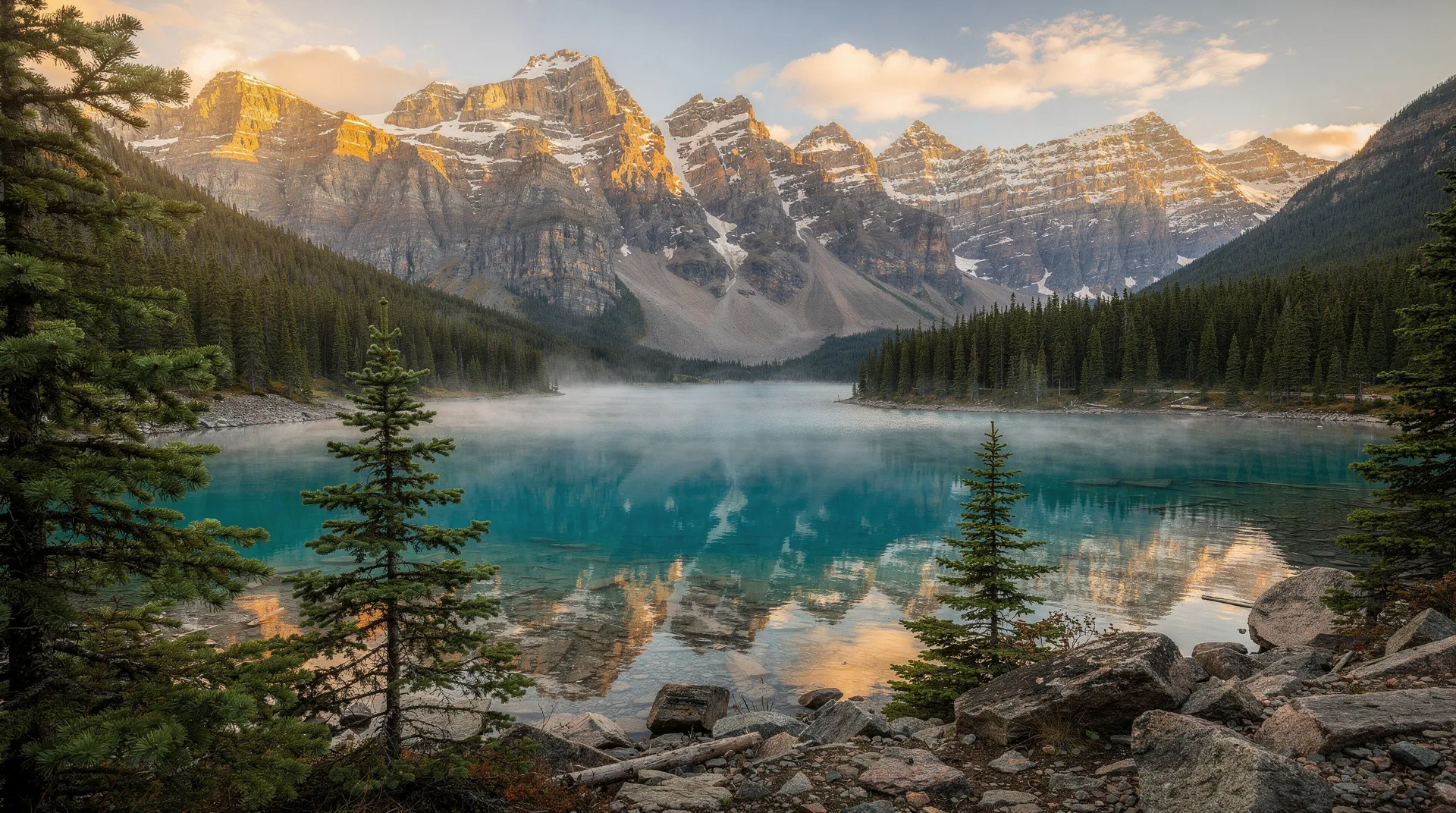
The Kawarthas
The Kawarthas travel guide: Trent-Severn Waterway, Peterborough Lift Lock, Bobcaygeon, lake swimming, and cottage country east of Muskoka.
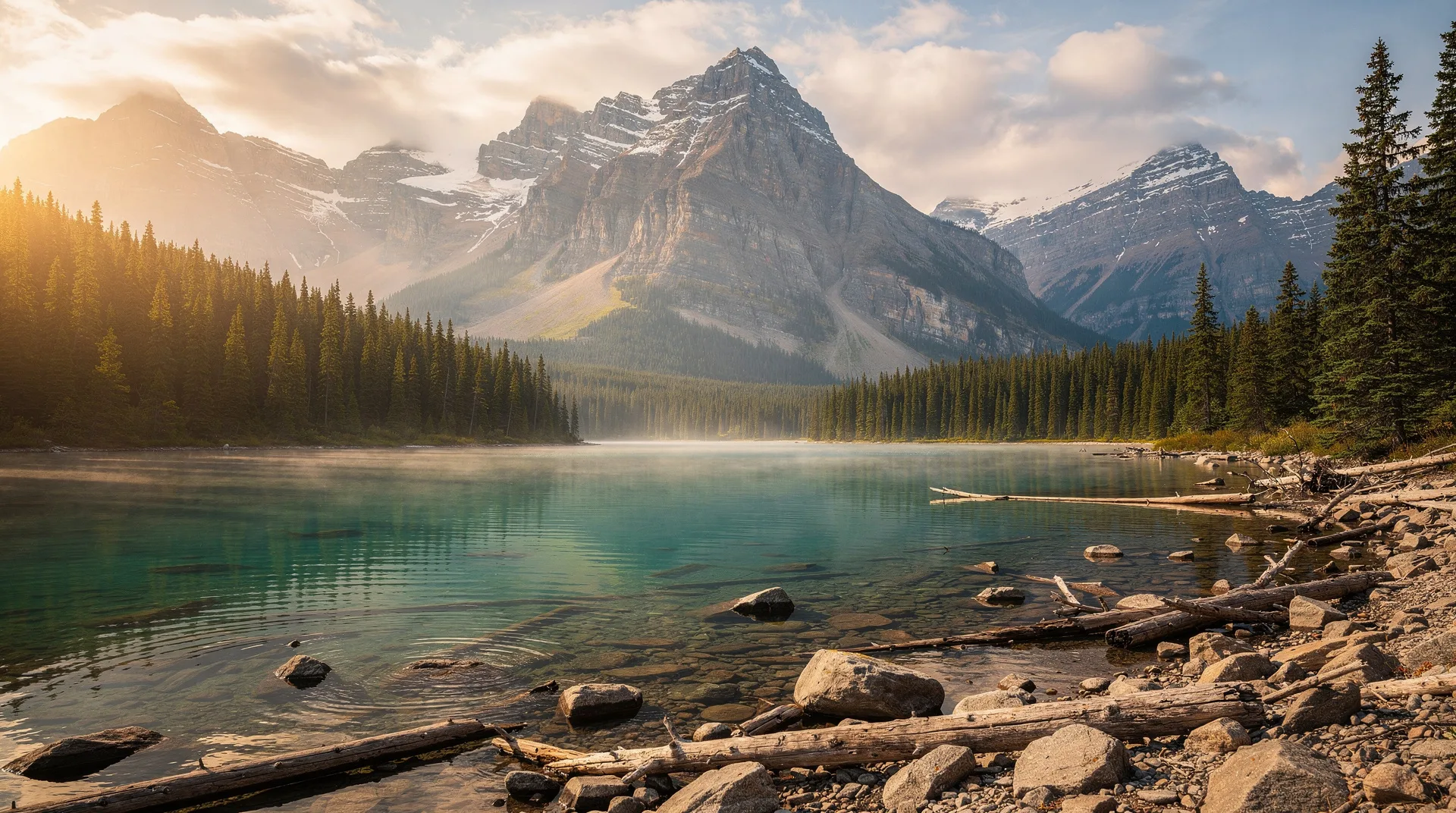
Algonquin Provincial Park
Explore Algonquin Provincial Park: world-famous canoe routes, moose sightings, extraordinary fall colours, wildlife, and wilderness camping in Ontario.
Georgian Bay & the Bruce6
Bruce Peninsula
The Bruce Peninsula offers Ontario's most dramatic wilderness: the Grotto, Flowerpot Island, turquoise Georgian Bay waters, and Fathom Five's shipwrecks.
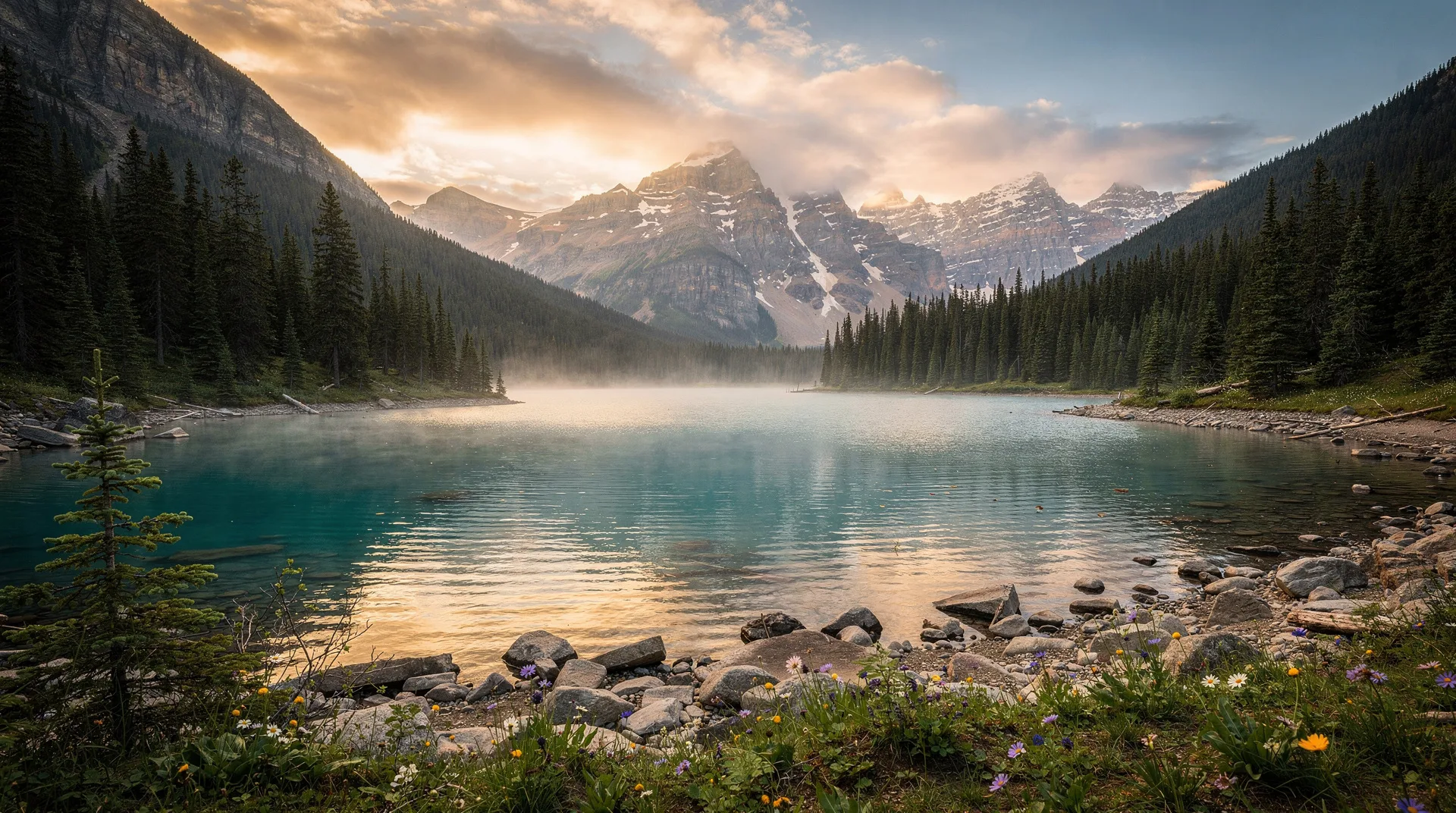
Georgian Bay: The Complete Travel Guide (Parry Sound and 30,000 Islands)
Georgian Bay travel guide: 30,000 Islands boat tours, Parry Sound, Tobermory, sea kayaking, and the best towns to base yourself.
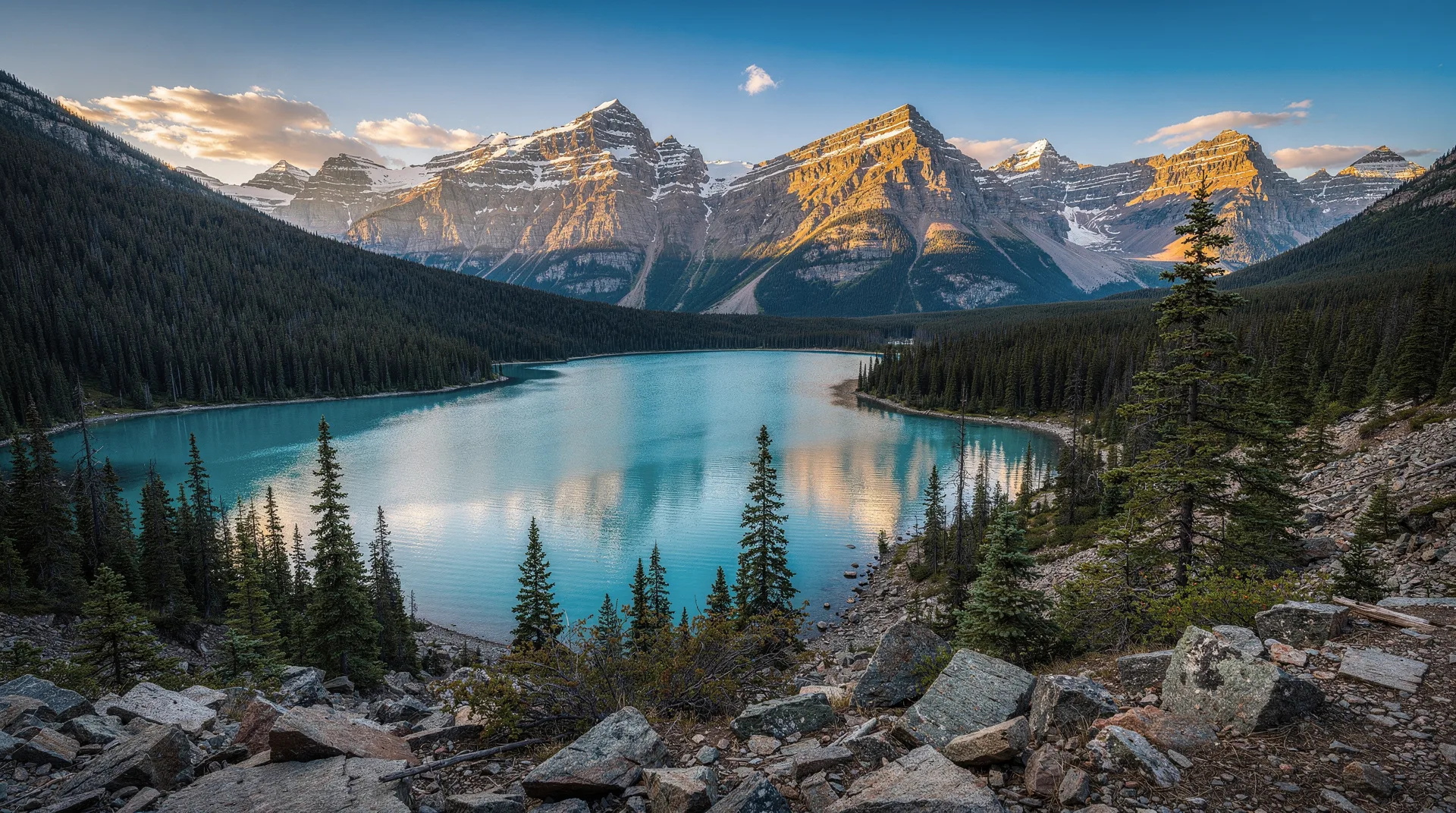
Blue Mountain
Blue Mountain near Collingwood offers Ontario's best ski resort, Scenic Caves, Niagara Escarpment trails, and Georgian Bay — year-round adventure.
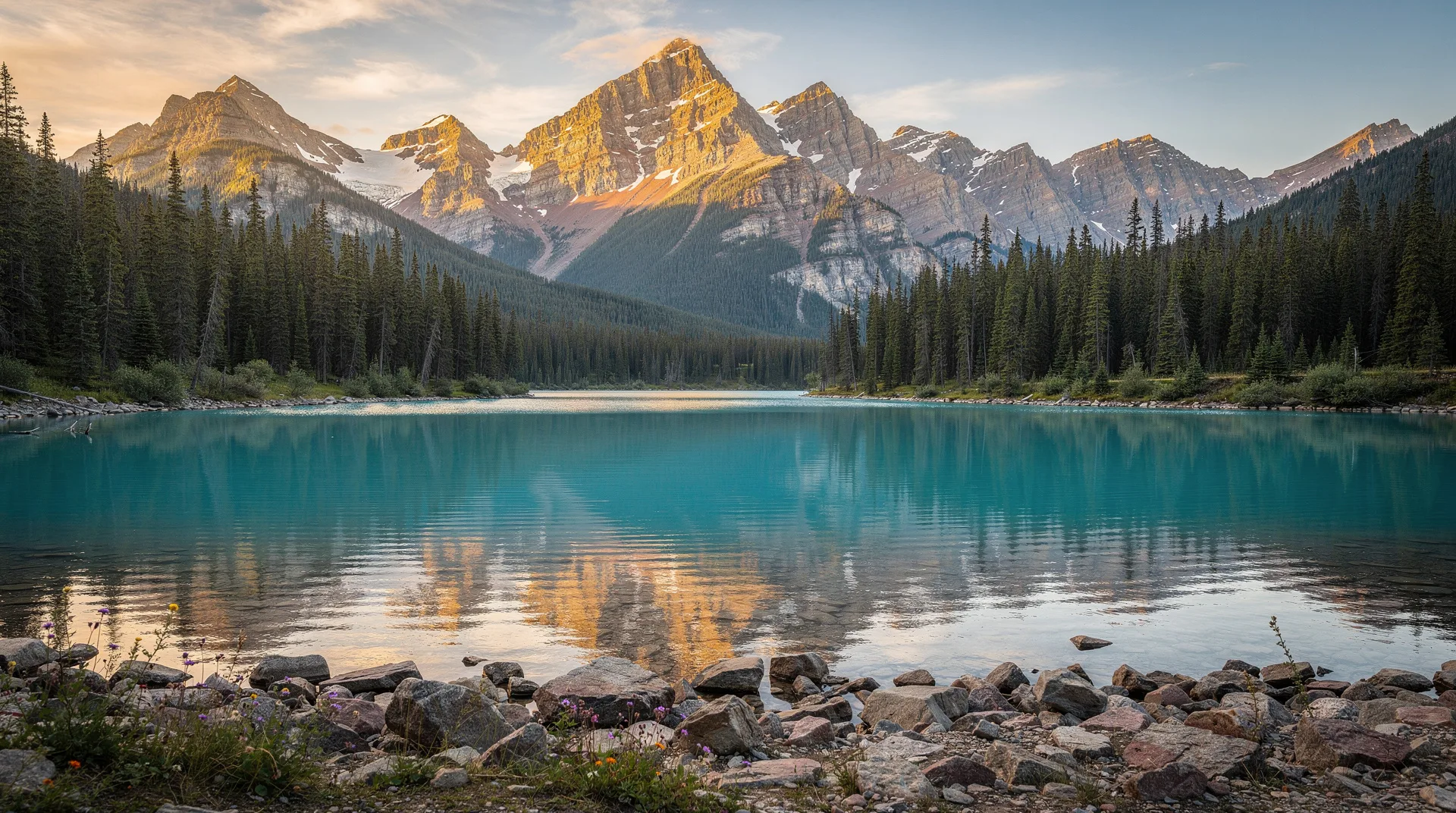
Wasaga Beach
Wasaga Beach travel guide: the world's longest freshwater beach, Georgian Bay swimming, Collingwood day trips, and the full summer visitor experience.
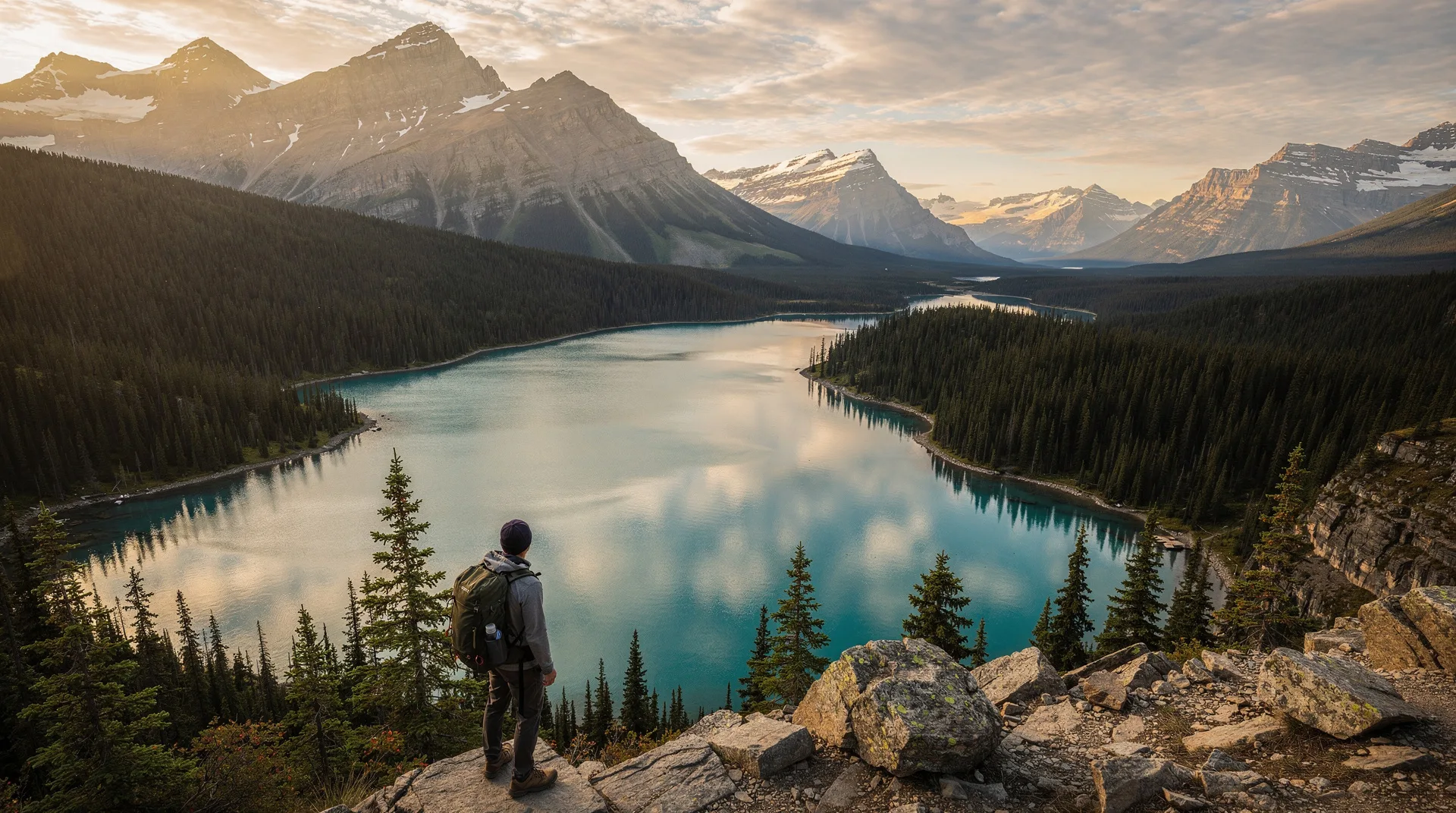
Manitoulin Island
Manitoulin Island travel guide: ferry from Tobermory, First Nations culture, Lakes within the island, hiking
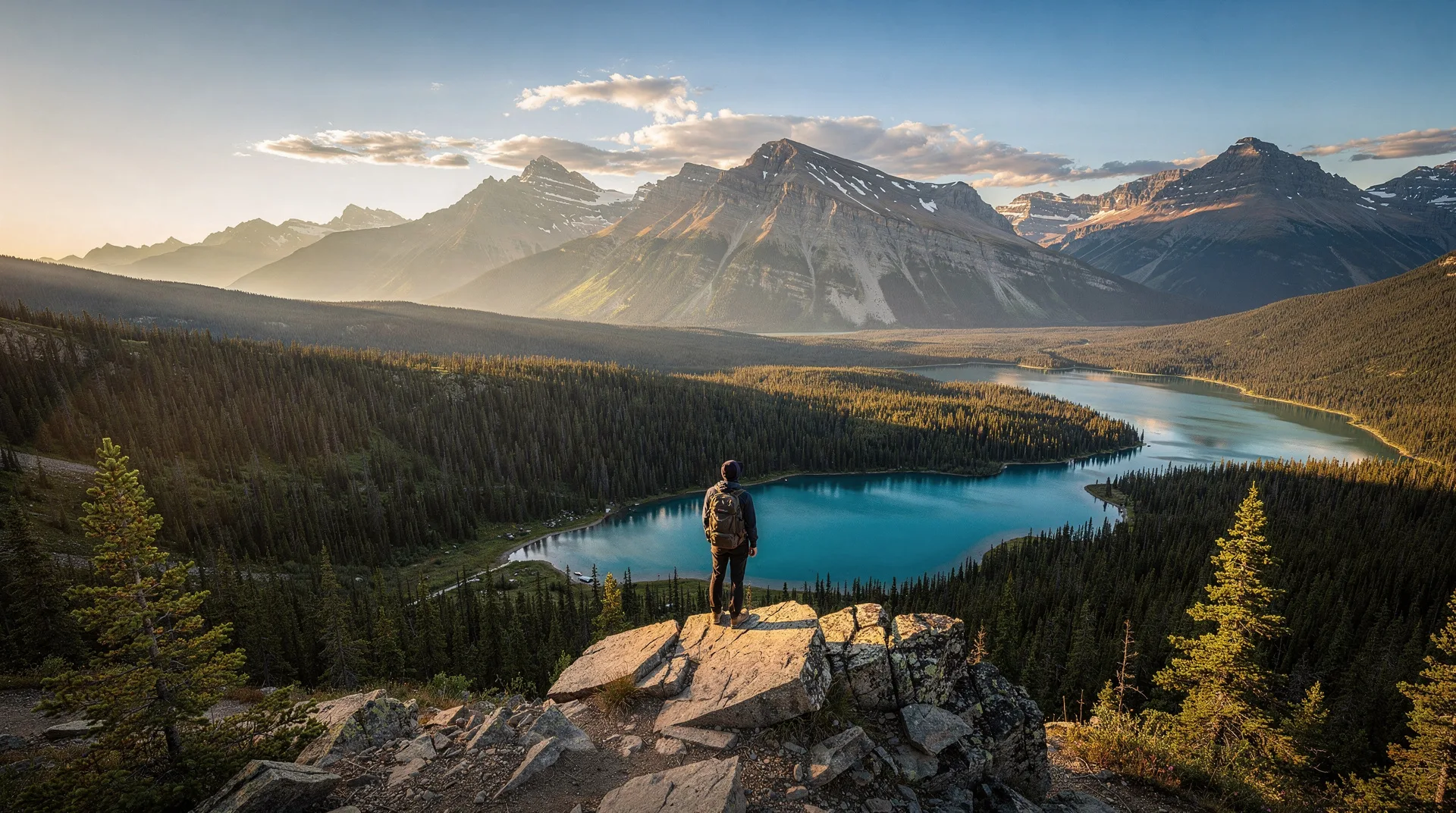
Killarney Provincial Park
Killarney Provincial Park guide: La Cloche Silhouette Trail, canoeing clear lakes, white quartzite ridges
Northern Ontario6
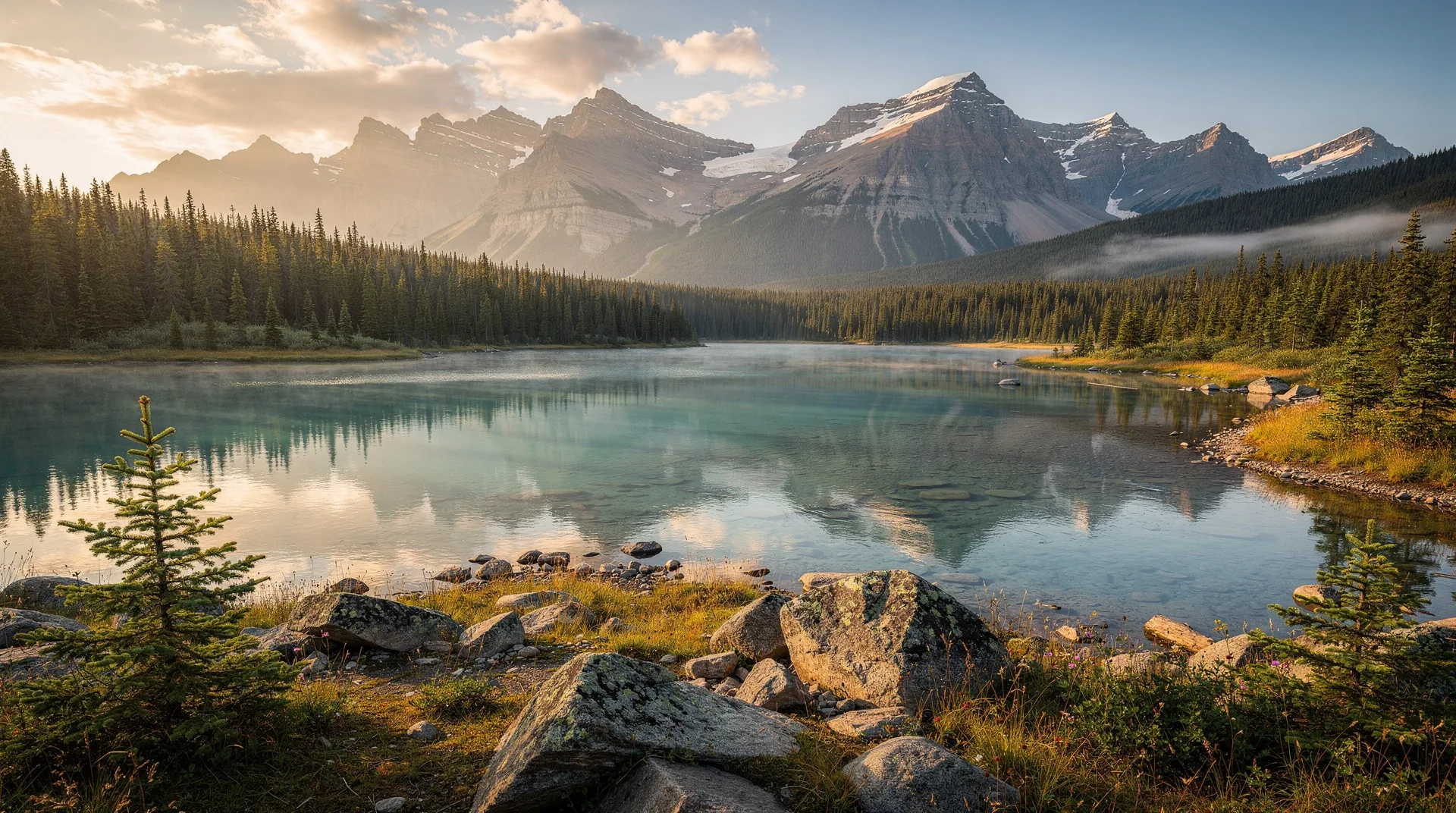
Sudbury Travel Guide: Science North, Dynamic Earth and Northern Ontario's Mining Capital
Sudbury travel guide: Science North, Dynamic Earth, Big Nickel, mining history, and the gateway to Killarney and Manitoulin in Northern Ontario.
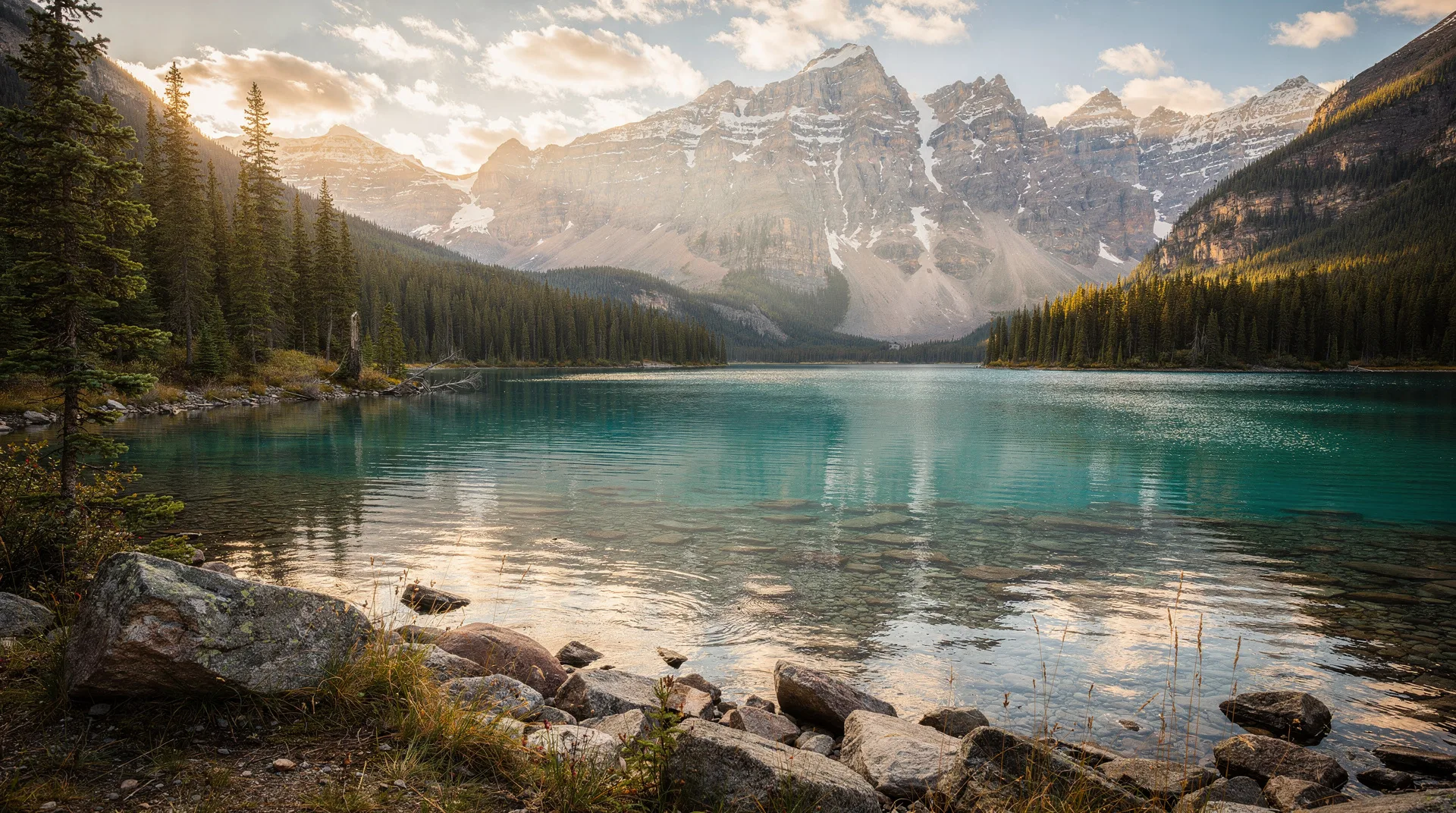
Sault Ste. Marie
Sault Ste. Marie travel guide: the Agawa Canyon Tour Train, Soo Locks, Canadian Bushplane Heritage Centre, and Lake Superior's eastern gateway city.
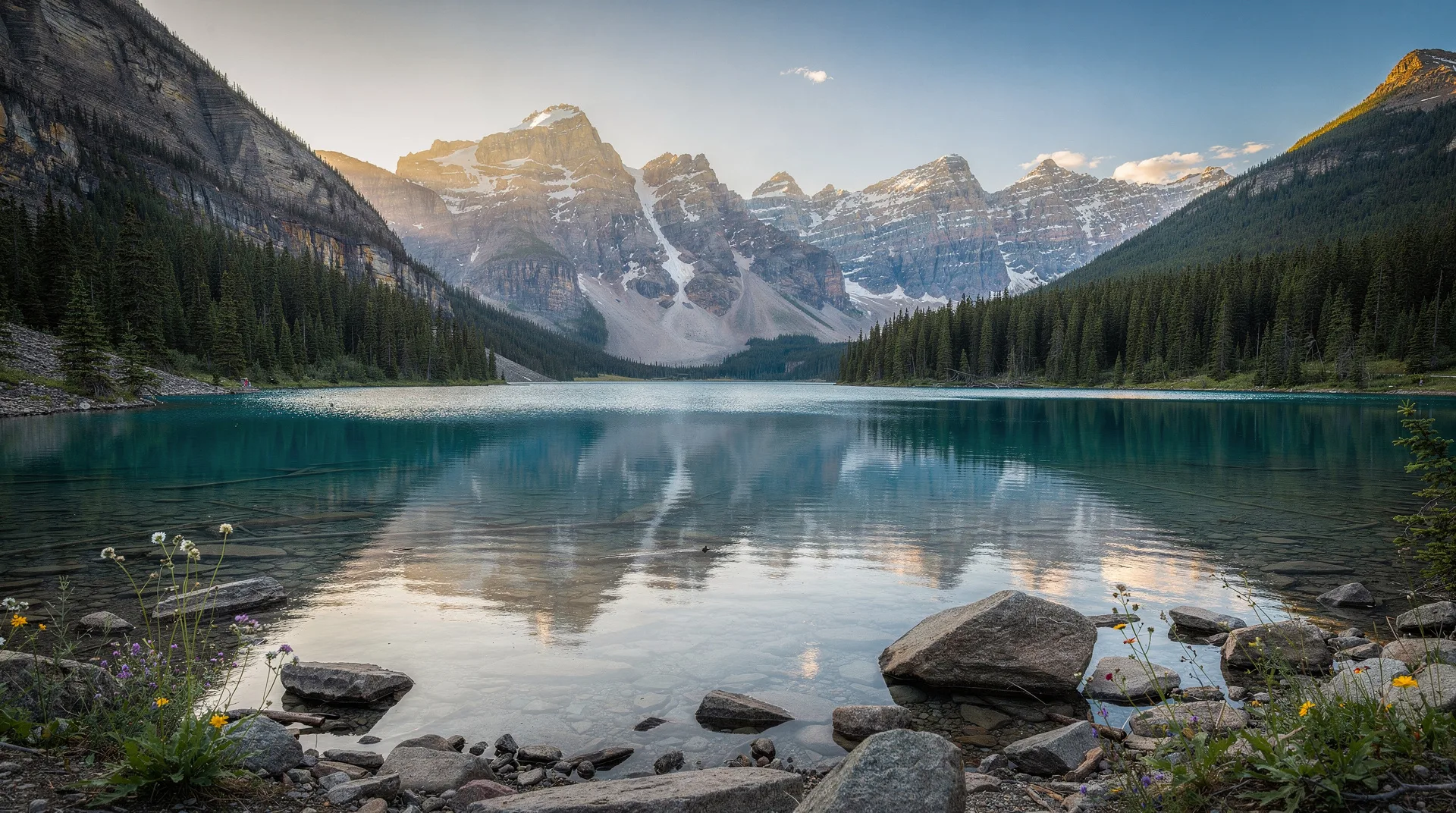
Thunder Bay
Thunder Bay travel guide: Sleeping Giant hikes, Fort William fur trade history, Lake Superior sunsets, and the best of Ontario's northwestern gateway city.
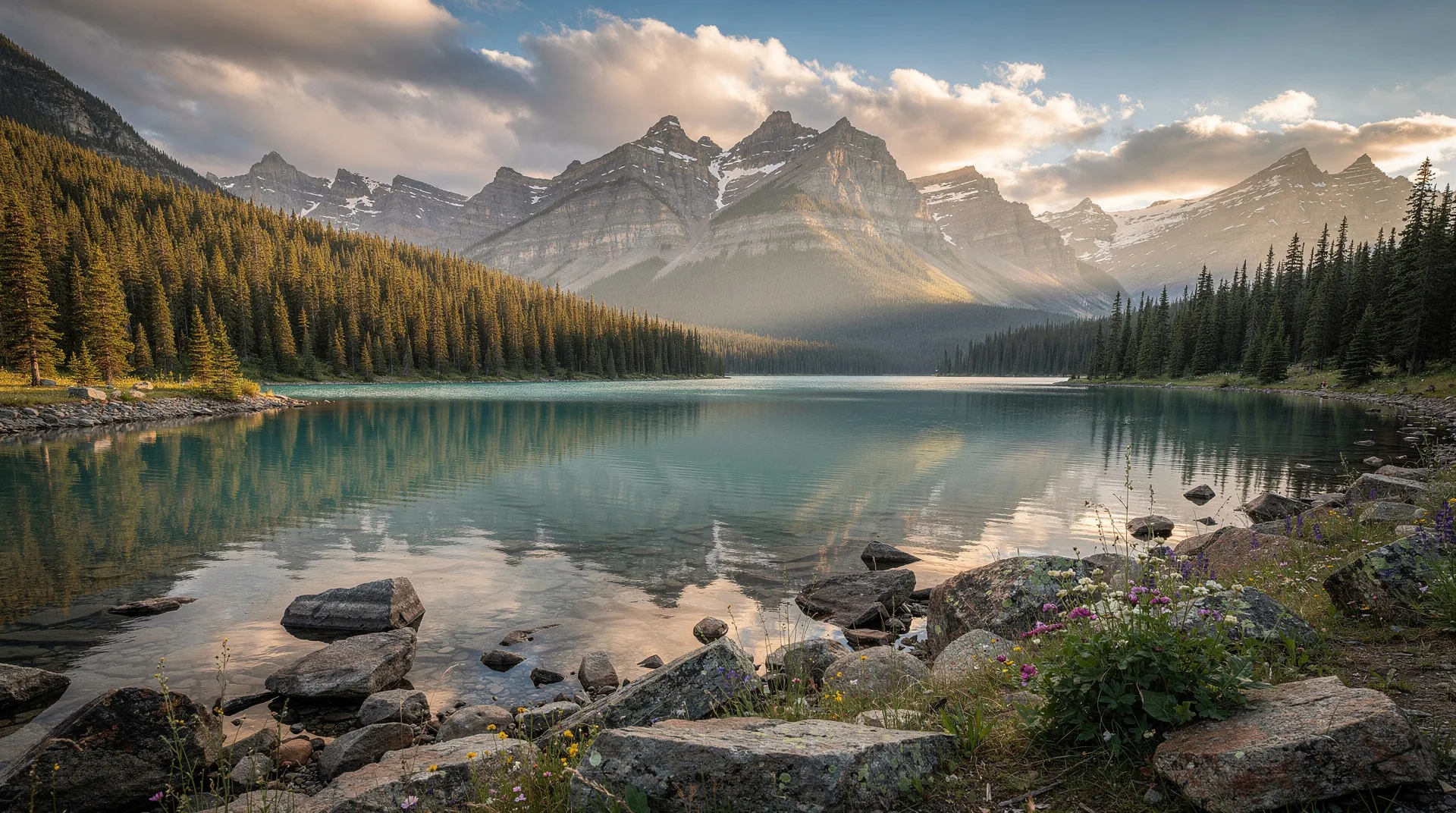
Lake Superior Provincial Park: Road Trip and Hiking Guide
Lake Superior Provincial Park guide: coastal hikes, Agawa rock pictographs, Trans-Canada Highway, camping, and northern Ontario scenic drives.
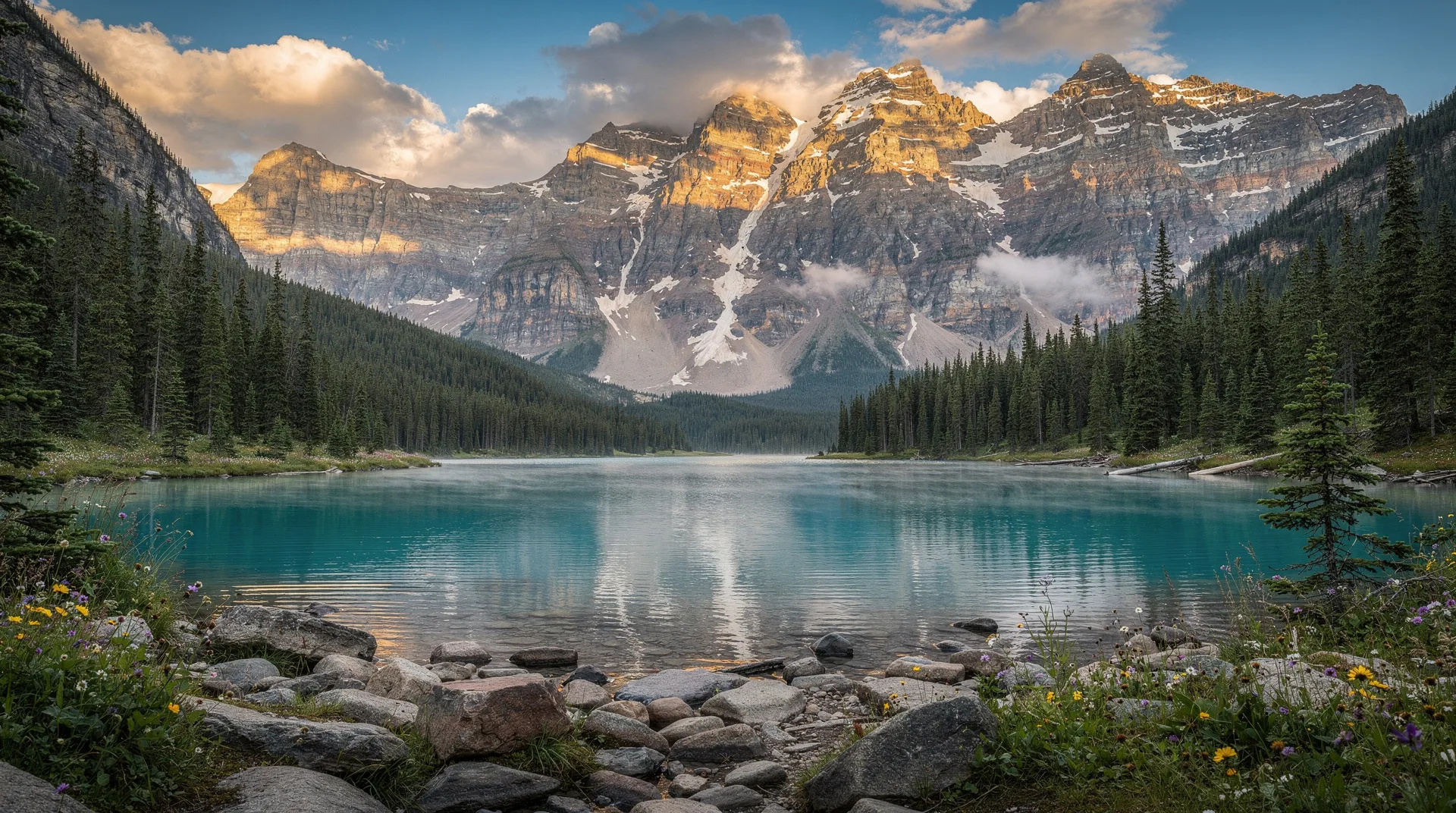
Pukaskwa National Park: Ontario's Only Wilderness National Park
Pukaskwa National Park: Ontario's only wilderness national park on Lake Superior, Coastal Hiking Trail, Hattie Cove, and remote backpacking.
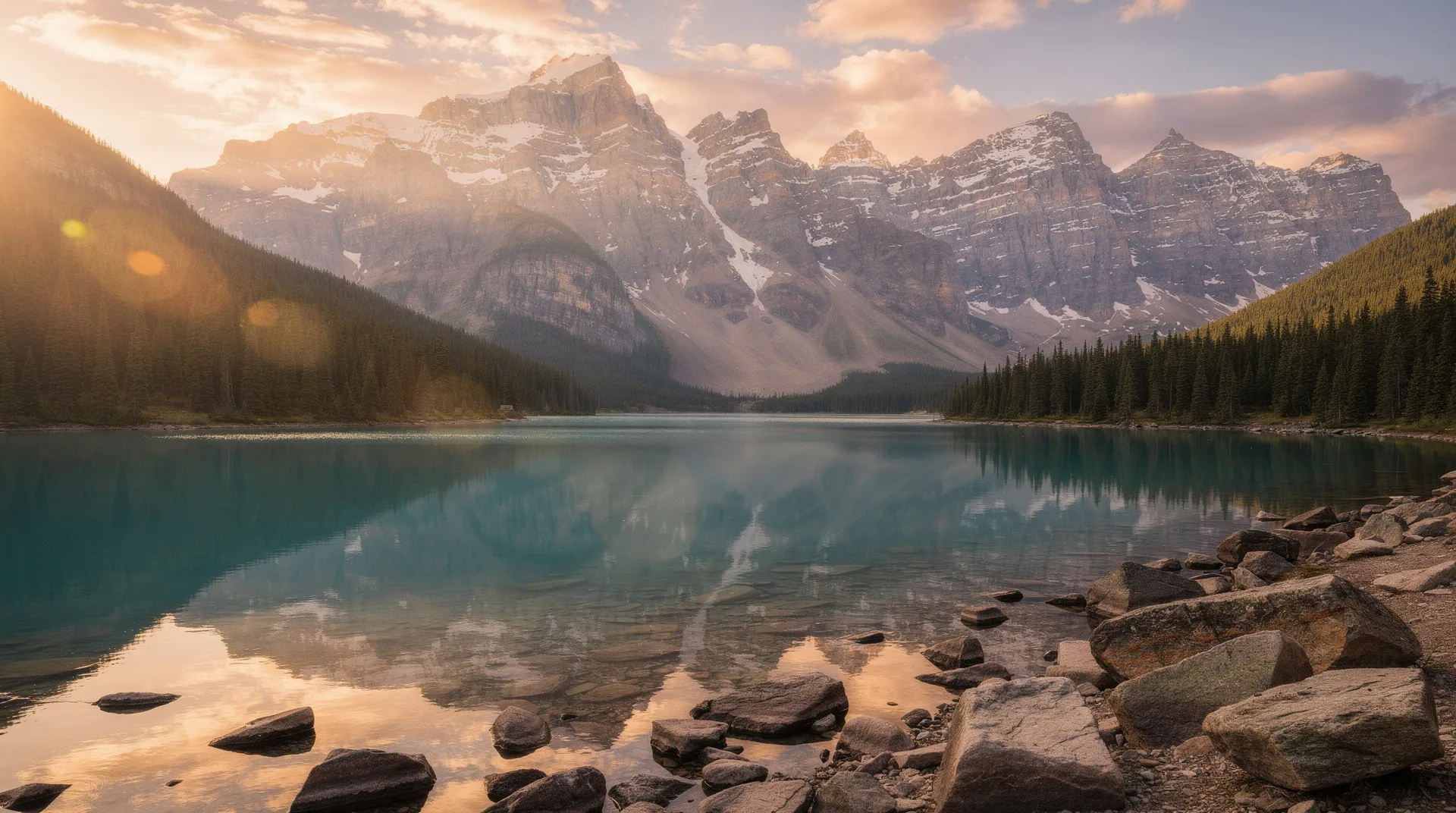
Temagami: Ultimate Canoeing and Wilderness Guide
Temagami guide: 4,700 km of canoe routes, old-growth pine forests, Lake Temagami, and Ontario's hidden wilderness alternative to Algonquin.