| At a glance | |
|---|---|
| Where | Canada’s westernmost province, Pacific coast to the Rockies |
| Cost | Wide range — a budget week around Vancouver is far cheaper than a multi-week loop into Haida Gwaii or a ski week in Whistler |
| Time needed | 7 days minimum for a coastal sampler; 2-3 weeks for a fuller loop including the interior |
| Getting there | Fly into Vancouver International Airport (YVR); a rental car is needed for most itineraries beyond the cities |
| Best time | June to September for hiking and touring; December to March for skiing |
A province that refuses to sit still
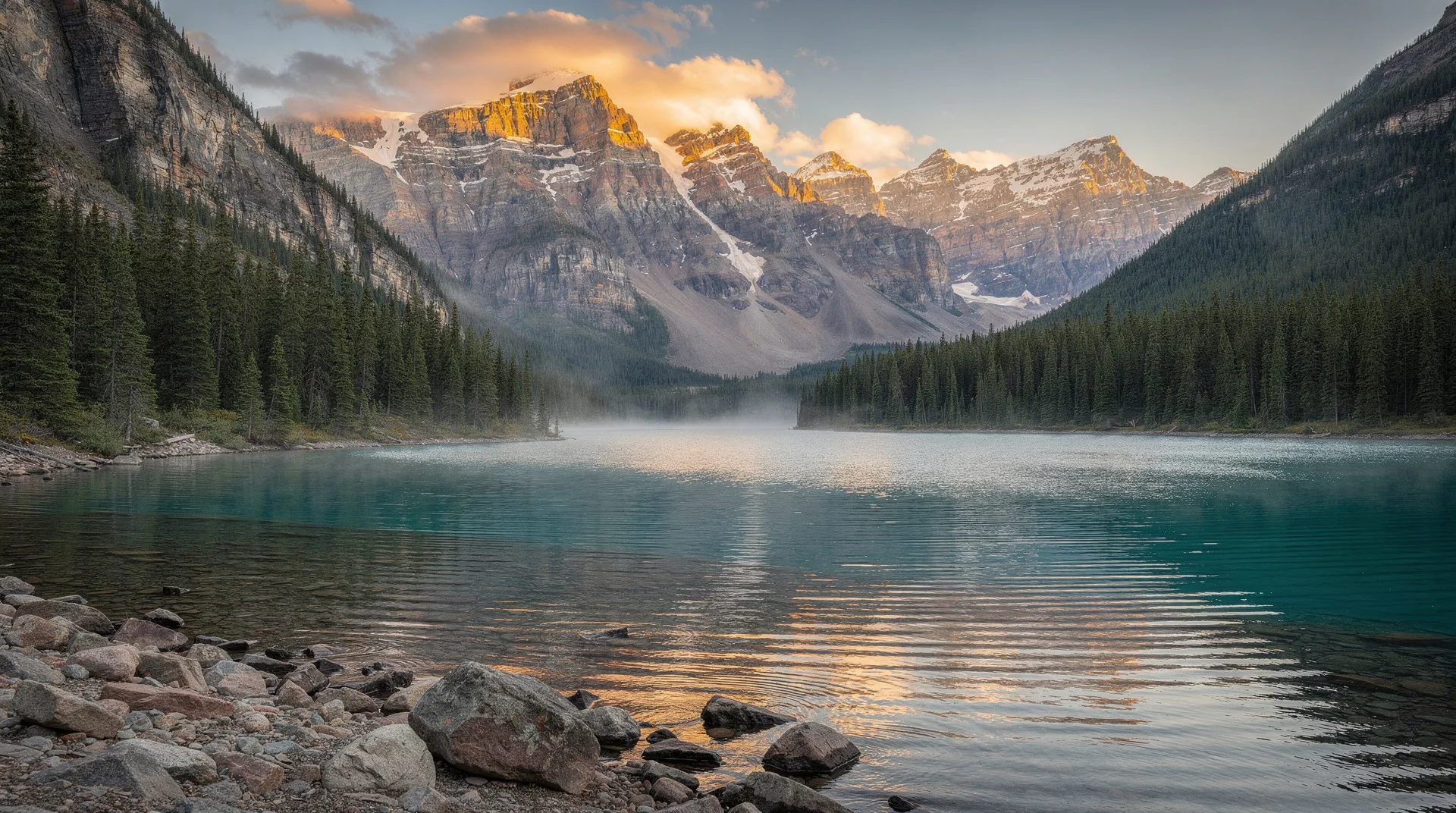
British Columbia is the Canada that photographs always promise and rarely deliver — except here, where the Pacific actually does break against old-growth rainforest, where grizzlies actually do step out of the trees to fish a glacial river, and where the skyline of a major city is routinely interrupted by snow-capped peaks. It is a place of almost implausible scale: a province larger than France and Germany combined, hemmed in by the ocean on one flank and the Rockies on the other, threaded with fjords and volcanic plateaus and braided rivers and wine valleys, and stitched together by a handful of highways and ferries that, between them, make every road trip feel like an expedition.
Most visits begin in Vancouver, a glass-and-cedar city of two million people wedged between the Coast Mountains and the Salish Sea, where the boundary between urban life and wilderness is almost comically thin — you can be eating dumplings in Chinatown at noon and standing on a suspension bridge through old-growth forest by two.
From there, the province unfolds in several directions at once: north up the Sea-to-Sky Highway to the ski slopes and bike park of Whistler; west across the Strait of Georgia by ferry to Vancouver Island and its capital city Victoria; east over the Coast Mountains into wine country, desert, and eventually the Rockies; and, for the boldest travellers, far up the coast to archipelagos where the totem poles still stand where they were raised.
What holds the whole thing together — the thing that makes British Columbia feel coherent rather than just geographically overwhelming — is the Indigenous cultures that have shaped this coast for at least thirteen thousand years. From the Musqueam, Squamish, and Tsleil-Waututh territories on which Vancouver sits, to the Nuu-chah-nulth Nations of the west coast of Vancouver Island, to the Haida of Haida Gwaii, these communities are no historical footnote. They are the living context of any thoughtful visit to the province, and a growing network of Indigenous-led tourism experiences offers the kind of insight no conventional guidebook can approximate.
The coastal cities: Vancouver and Victoria
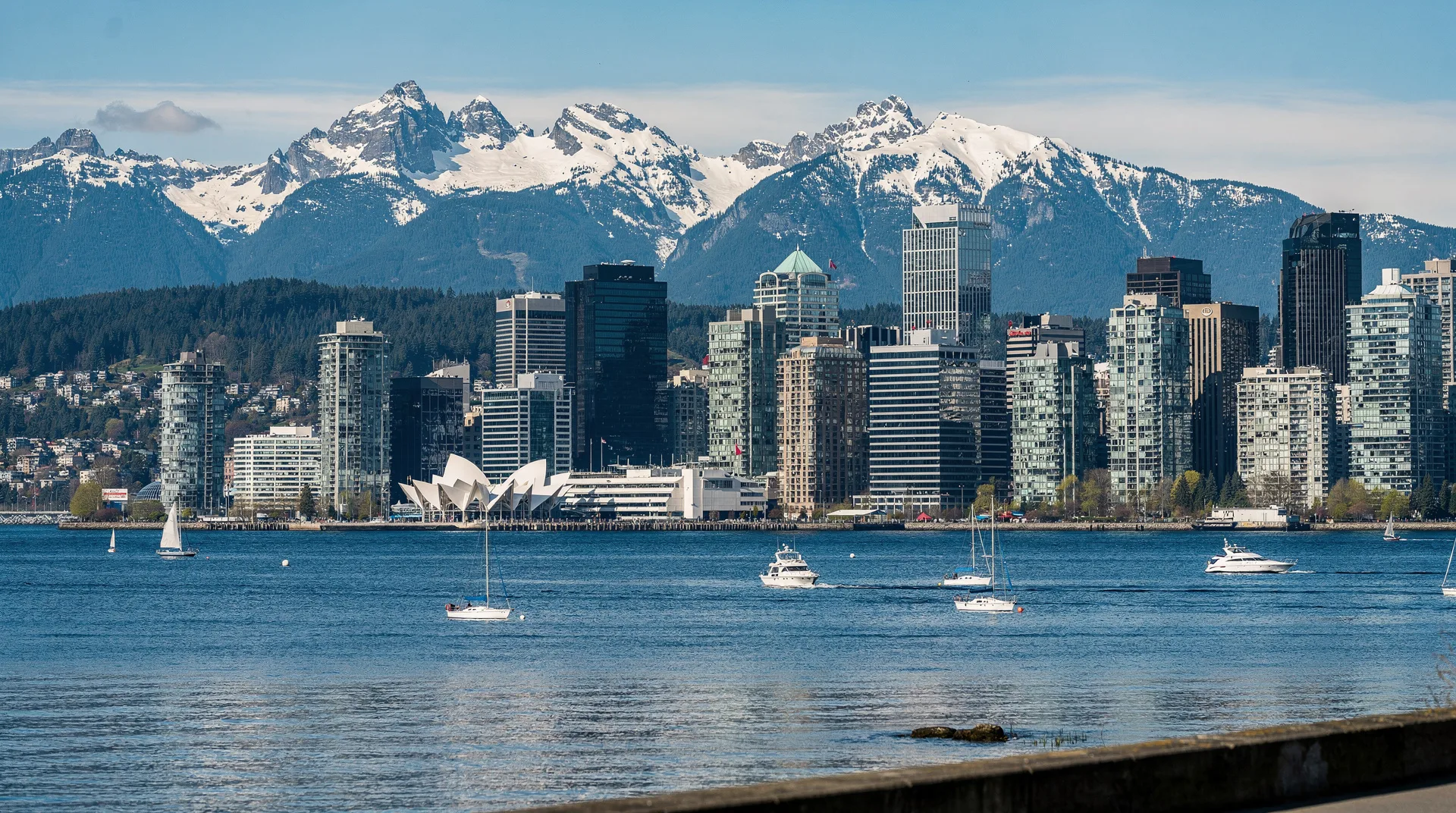
Vancouver is the logical starting point and one of the most beautiful cities in North America. Stanley Park — a 400-hectare old-growth peninsula jutting into Burrard Inlet, ringed by an 8.8-kilometre seawall — exists right at the city’s heart. Granville Island’s public market, the Victorian-era brick streets of Gastown, and Richmond’s remarkable Asian food scene give the city genuine cultural depth. The North Shore Mountains are visible from almost every street corner, a constant reminder that wilderness is never more than a SeaBus ride away. Any itinerary in British Columbia that doesn’t include at least two or three nights in Vancouver is a missed opportunity.
Book Vancouver tours including Stanley Park, Capilano and Grouse MountainAcross the Strait of Georgia, a 95-minute BC Ferries crossing brings you to Victoria, the provincial capital and arguably Canada’s most charming small city. The Inner Harbour — where float planes, whale-watching zodiacs, and the ivy-draped Fairmont Empress share a single postcard frame — sets the tone for a city that takes its British colonial inheritance seriously without being stuffy about it. The Royal BC Museum is among the country’s best, Butchart Gardens draws garden lovers from around the world, and a mild maritime climate means the famous hanging flower baskets bloom from March well into autumn. Victoria’s food scene has grown teeth in the last decade, and the cocktail bars rival Vancouver’s.
Book Victoria whale watching and day toursVancouver Island: surf coast, forests, and small-town life
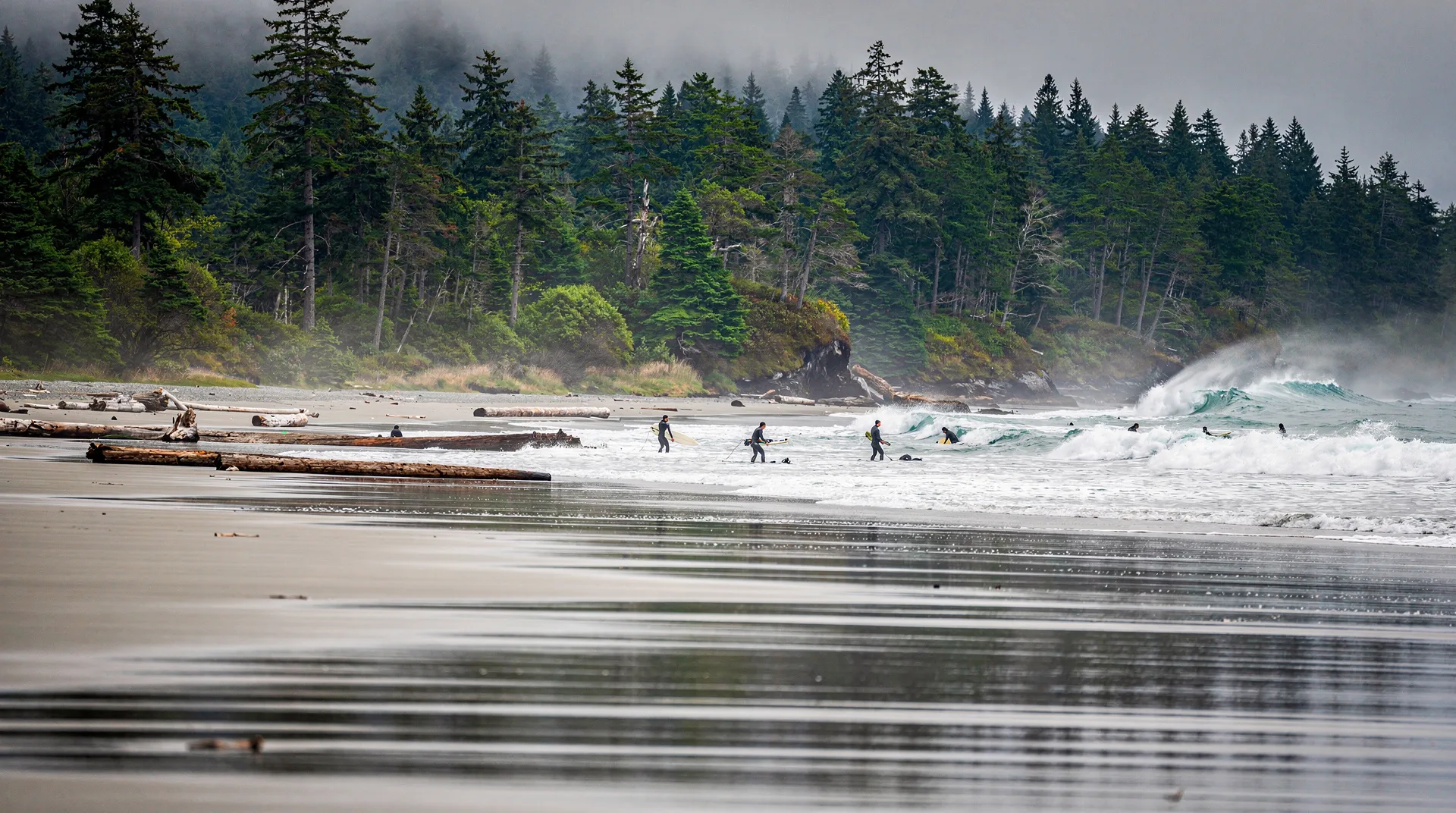
Vancouver Island is roughly the size of the Netherlands and deserves its own trip. The headline act is Tofino, a town of two thousand people at the far western edge of the island, where the North Pacific rolls uninterrupted across thousands of kilometres of open ocean before breaking on the 11-kilometre arc of Long Beach.
Tofino is Canada’s surf capital in summer and its storm-watching capital in winter — a place where the Wickaninnish Inn essentially invented the idea of booking a luxury hotel room specifically to watch 10-metre swells explode against a headland. Just down the road, Ucluelet offers the same Pacific Rim access at half the price, with a clifftop Wild Pacific Trail that rivals anything in Tofino for raw coastal drama.
Moving back across the island’s mountain spine, Nanaimo is the practical mid-island hub — a ferry port with a surprisingly good harbour walk and an underrated craft beer scene. North of Nanaimo, Parksville-Qualicum draws families to its warm shallow bays and long sandy beaches, while the Comox Valley balances ocean, farmland, and the lift-served skiing of Mount Washington in a single compact region. For wine and cider lovers, the Cowichan Valley south of Nanaimo is Canada’s only officially designated maritime Mediterranean microclimate, producing some of the most interesting small-production wines in the country.
Go further north and the island starts to feel genuinely remote. Campbell River bills itself as the salmon capital of the world and is the gateway to grizzly viewing in Bute Inlet. Telegraph Cove, a restored boardwalk village on the northeast coast, is one of the premier launching points for orca watching in Johnstone Strait, where northern resident pods gather each summer to rub themselves on the pebble beaches of Robson Bight. At the island’s tip, Port Hardy is the jumping-off point for the BC Ferries Inside Passage sailing north to Prince Rupert — a 15-hour coastal voyage that is, on a clear day, one of the great ferry rides in the world.
The Rockies and interior mountains
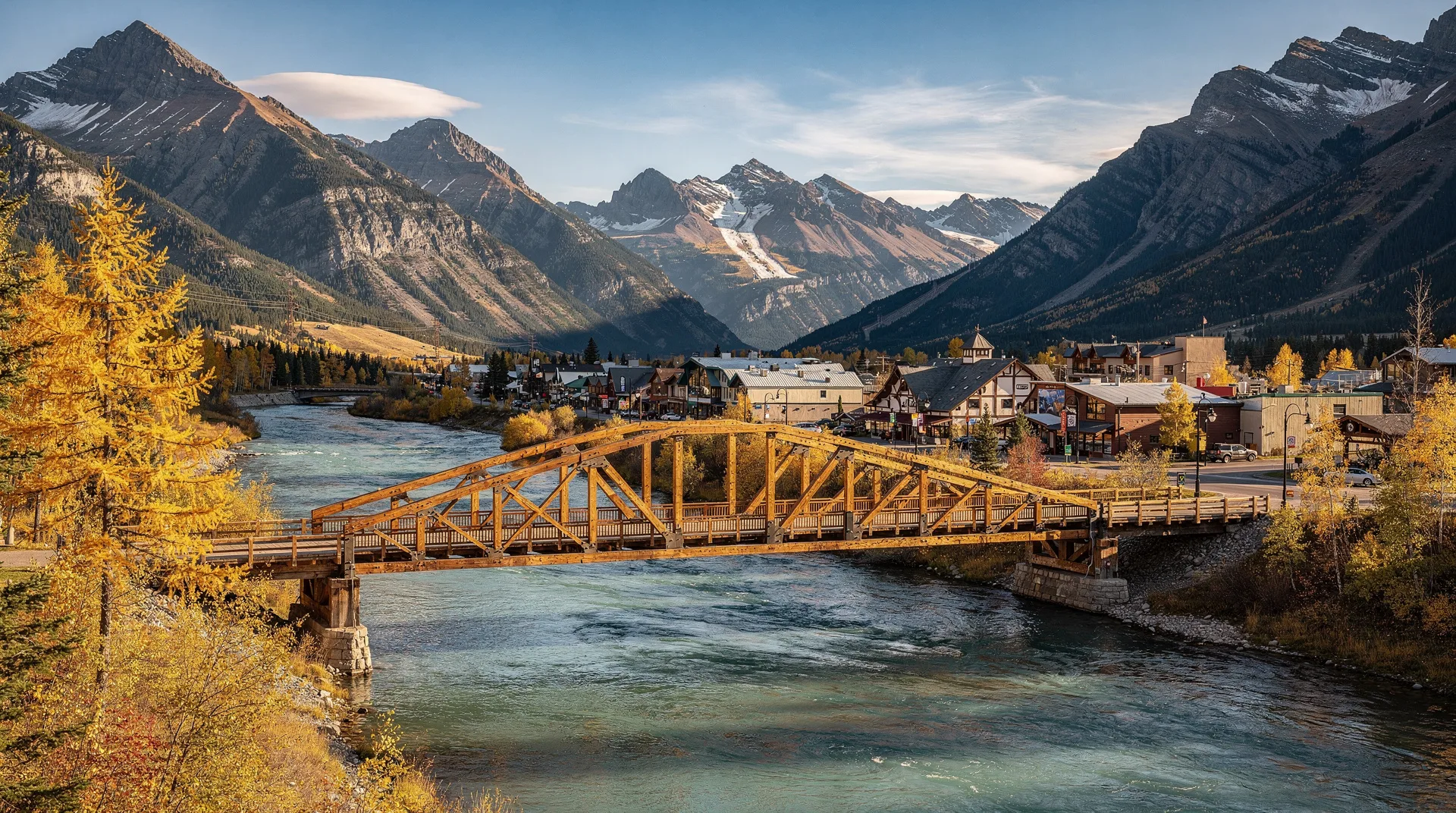
East of the coast, British Columbia turns into mountain country on a scale that even seasoned travellers find hard to absorb. The southeastern corner of the province — the Kootenay Rockies — is a string of former mining towns and purpose-built ski resorts strung through valleys of alpine lakes and old-growth forest. Golden, at the confluence of the Kicking Horse and Columbia rivers, is the nearest BC town to Banff and Yoho national parks, with world-class whitewater rafting on the Kicking Horse and a compact ski area (Kicking Horse Mountain Resort) that locals describe as the Champery of North America.
An hour west on the Trans-Canada, Revelstoke is the powder capital of inland BC — a railway town turned ski town with the greatest vertical drop of any ski resort in North America and a heli-skiing culture that defines the industry. Further south, Fernie occupies an Elk Valley amphitheatre of limestone peaks and draws a devoted winter following to its tree skiing and relentless snow. The quieter and more family-friendly Kimberley, a former mining town with a Bavarian-themed downtown, and Cranbrook, the Kootenay’s practical hub and the gateway to Fort Steele Heritage Town, round out the southeastern corner.
On the western side of the Kootenays, Nelson is arguably the most characterful small town in BC — a Victorian-era mining town perched on the shore of Kootenay Lake that reinvented itself in the 1970s as a counterculture hub and never looked back, all painted heritage facades, artisan food, and a hot springs circuit within easy reach. The nearby Rossland, another mining-turned-ski town, sits beneath Red Mountain Resort, one of the genuine cult powder destinations on the continent.
Closer to the Okanagan, Sun Peaks is Canada’s second-largest ski area by skiable terrain — a purpose-built village in the Shuswap Highlands north of Kamloops that has earned a reputation as one of the best family ski resorts in North America. North of the Trans-Canada, Wells Gray Provincial Park is the waterfall-laden wilderness sometimes called Canada’s Niagara — 39 named waterfalls across 5,250 square kilometres of backcountry, anchored by the 141-metre Helmcken Falls.
Sea-to-Sky corridor and the North Shore
The drive from Vancouver north on Highway 99 is one of the iconic scenic routes in North America — the Sea-to-Sky Highway hugs the cliffs above Howe Sound, climbs past Shannon Falls, and delivers you into the mountain resort village of Whistler in under two hours. Whistler is the largest ski resort in North America, with over 8,100 acres of skiable terrain across two mountains connected by the world-record-setting Peak 2 Peak Gondola. In summer, the Whistler Mountain Bike Park is the largest lift-served bike park on the planet, and the hiking from Whistler’s alpine gondolas rivals anything in the Rockies. It is, simply, one of the most complete year-round mountain resorts in the world.
Book Whistler activities, tours and adventure experiencesThe town of Squamish, halfway between Vancouver and Whistler, has quietly become one of the most exciting outdoor-sports towns in Canada. The Stawamus Chief, a 652-metre granite monolith, is one of the world’s great rock-climbing walls; the Sea-to-Sky Gondola provides non-climbers with access to the equivalent summit views; and the Squamish Spit has turned the town into a destination for kiteboarding and windsurfing. Just off the highway, Garibaldi Provincial Park protects 195,000 hectares of alpine lakes, volcanic peaks, and the famously turquoise Garibaldi Lake — some of the best day hikes in BC start from trailheads along this corridor.
North-west of Vancouver, across Howe Sound, an entirely different rhythm governs the Sunshine Coast — a 180-kilometre stretch of coastal communities that is technically part of mainland BC but reachable only by ferry. Artist studios, small working harbours, and a slower pace define the region.
Powell River, at the northern end of the Sunshine Coast, is the launching point for the Powell Forest Canoe Route, a remarkable 80-kilometre circuit of eight wilderness lakes connected by portages. Closer to Vancouver, the short ferry ride from Horseshoe Bay delivers you to Bowen Island, a quietly bohemian island that functions as Vancouver’s weekend escape — hiking, a pretty harbour village, and reliably good fish and chips.
Okanagan wine country and the interior plateau
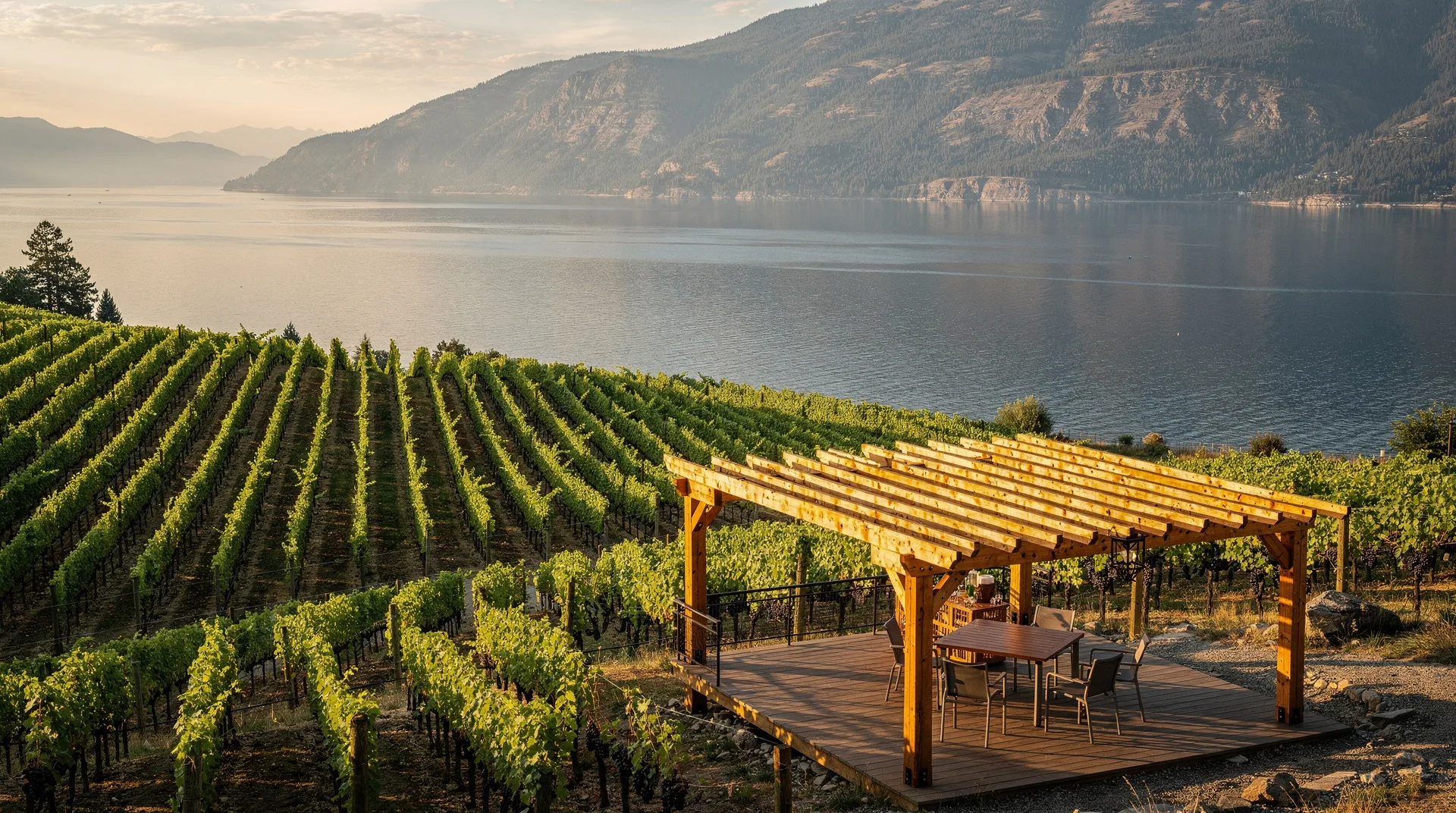
Four hours east of Vancouver, the landscape changes completely. The Okanagan Valley is a 200-kilometre trough of glacial lakes and semi-arid benchland that produces some of Canada’s best wines, its sweetest stone fruit, and its most consistent summer weather. The valley is effectively the Canadian Napa, except the beaches are real, the lakes are deep and clean, and the prices haven’t yet gone mad.
Kelowna, the valley’s largest city, sits on the shore of Okanagan Lake at roughly the midpoint of the valley. It has evolved from a fruit-packing town into a sophisticated small city with tasting rooms, lakeside beaches, and a steady stream of cycling and paddling tourists. Within an hour of downtown Kelowna you can tour forty wineries or hike ridge trails with panoramic lake views. Summer water temperatures on Okanagan Lake reach a swimmable 22°C — a claim no other major Canadian lake can make.
Book Kelowna wine tours and Okanagan Valley experiencesSouth of Kelowna, Penticton sits between two lakes at the narrow waist of the valley — Okanagan Lake to the north, Skaha Lake to the south — and is both a working fruit town and a summer resort with two excellent beaches. Just outside Penticton, the Naramata bench is the Okanagan’s most concentrated wine-touring district, a 20-kilometre stretch of hillside vineyards along a quiet country road where the tasting rooms face the lake and tour operators run cycling-and-tasting day trips between them. It may be the single most civilised way to spend a summer afternoon in interior BC.
North and west of the Okanagan, Kamloops occupies the wide confluence of the North and South Thompson rivers — a sagebrush-and-grassland landscape that feels closer to the American intermountain west than to coastal BC. The city is a practical road-trip hub and the base for fishing the Thompson’s famous rainbow trout, exploring the grasslands of Lac du Bois, and accessing Sun Peaks Resort, a 45-minute drive north.
The wild north coast and outer islands
Northwest British Columbia is where the province becomes seriously remote. The mainland coast between Vancouver Island and Alaska is cut by the deep inlets and fjord systems of the Great Bear Rainforest — 6.4 million hectares of intact temperate rainforest, home to grizzlies, coastal wolves, and the rare white-coated spirit bear. Access is by boat or floatplane from communities like Bella Bella and Bella Coola, the latter sitting at the end of a 450-kilometre fjord and reachable by road via the jaw-dropping “Hill” — a 1,500-metre descent on a gravel switchback from the interior plateau that has become a bucket-list drive among a certain kind of BC road-tripper.
Further north, Prince Rupert is BC’s largest north-coast port — a rainy, atmospheric working town with a Haida-influenced cultural scene, world-class salmon fishing, and the terminal for the BC Ferries Inside Passage from Port Hardy and the ferry across to Haida Gwaii.
Haida Gwaii itself is the most extraordinary destination in the province: a remote archipelago of 150-plus islands off the BC coast, home to the Haida Nation, the UNESCO-listed SGang Gwaay village with its standing mortuary poles, and the sea-kayaking wilderness of Gwaii Haanas National Park Reserve. It is Canada’s Galapagos and its most significant living Indigenous cultural landscape, and it deserves at minimum a week of anyone’s trip.
Much closer to Vancouver, the Gulf Islands scatter themselves across the Strait of Georgia between the mainland and Vancouver Island, a necklace of small-community islands that have been attracting artists, writers, and seasonal escape-seekers for decades. Salt Spring Island, the largest and most populous of the group, hosts one of Canada’s best Saturday markets (from April to October) and is the obvious introduction to the chain. Galiano, Mayne, Pender, and Saturna — each with their own character — round out the main Southern Gulf Islands, all reachable by BC Ferries from Tsawwassen or Swartz Bay.
Near Vancouver: day-trip country
Some of the best side trips from Vancouver are the shortest. The Fraser Valley, stretching east of the city along the Trans-Canada, is a landscape of working farms, cider houses, berry fields, and eagle-watching rivers that turns vividly rural within forty-five minutes of downtown. Chilliwack and Abbotsford anchor the valley; the corn-maze-and-pumpkin-patch rhythm of September and October is a Vancouverite’s family tradition.
A little further east, Harrison Hot Springs wraps around the south end of Harrison Lake, its public pools fed by natural hot mineral springs. It is the closest proper hot-springs village to Vancouver, a 90-minute drive out of the city, and has the slightly faded lakeside-resort feel of a small BC town that knows exactly what it is.
Best things to do in British Columbia
Ski or ride at Whistler Blackcomb. The largest ski resort in North America delivers the complete mountain experience — 8,171 skiable acres, a Peak 2 Peak Gondola between the two summits, and a village that actually functions as a town. The season runs from late November to late April, with glacier skiing into June. In summer, the mountain pivots seamlessly to bike-park laps and alpine hiking.
Watch orcas off Telegraph Cove or Victoria. The Salish Sea and Johnstone Strait are two of the most productive orca-viewing waters on Earth. Resident pods are regularly seen from May through October; transient Bigg’s orcas can appear at any time. Half-day tours from Victoria and full-day trips from Telegraph Cove deliver consistently excellent encounters.
Storm-watch or surf at Tofino. From November through February, North Pacific storms drive ten-metre swells onto Long Beach and Cox Bay — a Canadian weather phenomenon with its own hotel industry. From July to September, the same beaches are Canada’s best surf destination, with beginner-friendly waves and schools on every corner.
Browse Vancouver Island surf, whale watching and rainforest toursSea-kayak Gwaii Haanas in Haida Gwaii. Multi-day kayaking through the southern third of the Haida Gwaii archipelago, with stops at Haida Watchmen-guarded village sites and the UNESCO World Heritage Site of SGang Gwaay, is one of the great wilderness journeys in North America.
Drive the Sea-to-Sky Highway past Squamish and into the Coast Mountains. Highway 99 from Vancouver to Whistler, taking in Shannon Falls and the granite wall of the Stawamus Chief, is one of the most scenic drives in Canada — memorable even as a day trip.
Taste wine on the Naramata bench and around Kelowna. The Okanagan produces world-class Pinot Noir, Riesling, and icewine; forty-plus wineries within an hour of Kelowna and the entire Naramata bench south of Penticton make for an exceptional two-to-three-day tasting itinerary.
Soak in a hot spring, from Harrison Hot Springs to the backcountry. BC is hot-springs country — Harrison is the easiest from Vancouver, but the Kootenay circuit (Ainsworth, Halcyon, Nakusp) and the undeveloped wild springs of the north coast rival anything in the Rockies.
Ride the Inside Passage ferry from Port Hardy to Prince Rupert. BC Ferries’ 15-hour summer daylight sailing through the fjords of the central coast is one of the great ferry rides in the world, and a genuinely affordable way to experience the Great Bear Rainforest.
When to visit
Summer (June to September) is peak season and the default time for most visitors. The Gulf Islands and Vancouver Island are at their sunny best; the Okanagan is reliably hot and dry; Whistler is full-on in its summer guise; Gwaii Haanas is open for the Watchmen programme; and the Inside Passage is accessible in daylight. July and August bring the largest crowds and the highest prices, especially in Tofino and Whistler; June and September offer excellent conditions with more room to breathe.
Autumn (mid-September to October) is arguably the province’s sweet spot. Salmon are running, the Fraser and Campbell rivers are full of spawning fish and the bears and eagles that follow them, the Okanagan vineyards are heavy with fruit, and the larches in the Kootenays turn gold in late September. Wine-tasting, hiking, and wildlife viewing are all at their best, and prices drop noticeably outside the ski-resort towns.
Winter (late November to March) is ski and storm-watch season. Whistler averages 11 metres of snow a year; Revelstoke, Fernie, Red Mountain at Rossland, and Kimberley all deliver legitimate powder conditions; Sun Peaks is one of the best family ski areas in North America. Meanwhile Tofino and Ucluelet turn into storm-watching destinations, and Vancouver itself remains a mild coastal city that rarely sees snow at sea level.
Spring (April to May) brings grey whales migrating north past the Vancouver Island coast, the Pacific Rim Whale Festival in Tofino, cherry blossoms in Vancouver, early-season wildflowers in the Okanagan, and the quietest shoulder season in the ski towns. The Fraser Valley is green and lush; the Gulf Islands are at their most Mediterranean.
Getting around
Vancouver International Airport (YVR) is the main western gateway to Canada, with direct connections to European, Asian, and US hubs. Air Canada and WestJet serve Victoria and Kelowna airports from across Canada, and Pacific Coastal and Central Mountain Air run scheduled services to smaller coastal communities including Haida Gwaii, Bella Coola, and Campbell River.
Within British Columbia, a car is essential for almost any itinerary beyond the cities. BC Ferries is the single most important piece of transport infrastructure outside the highway network — it connects Vancouver to Victoria (Tsawwassen to Swartz Bay, 95 minutes), to Nanaimo (both from Tsawwassen and Horseshoe Bay), to the Sunshine Coast, to the Gulf Islands, and — via the Inside Passage — to Prince Rupert and onward to Haida Gwaii. Reservations are effectively required in summer for vehicle sailings.
The main highway arteries are worth knowing. Highway 99 is the Sea-to-Sky Highway from Vancouver up through Squamish to Whistler. Highway 1, the Trans-Canada, heads east through the Fraser Valley, up the Fraser Canyon, through Kamloops, and eventually to the Rockies via Revelstoke and Golden.
Highway 3, the Crowsnest, is the southern route through the Kootenays, linking Penticton, Nelson, Rossland, Fernie, and Cranbrook. Highway 97 runs the full length of the Okanagan, north through Kelowna, connecting eventually to Highway 16 and the north. Winter tires are mandatory on designated highways from October through April — this is not a polite suggestion, and rental companies will comply without asking.
Internal flights shrink the province dramatically. A 90-minute flight from Vancouver to Prince Rupert replaces a two-day drive; a 35-minute Harbour Air float plane from downtown Vancouver to downtown Victoria is one of the more glamorous short-hops in the country.
Browse all British Columbia tours and experiencesSuggested itineraries
7 days: the essential west-coast sampler
Days 1-2: Vancouver — Stanley Park seawall, Granville Island, Gastown dinner, North Shore day with Capilano and Grouse Mountain. Day 3: Drive the Sea-to-Sky Highway, stopping in Squamish for the Sea to Sky Gondola or a Stawamus Chief hike, continuing to Whistler. Day 4: Full day in Whistler — Peak 2 Peak Gondola in summer, ski day in winter.
Day 5: Ferry from Horseshoe Bay to Vancouver Island, drive to Tofino via Cathedral Grove. Day 6: Tofino — surf lesson, bear-watching boat tour, dinner at Wolf in the Fog. Day 7: Drive back via Ucluelet and the Wild Pacific Trail, ferry out of Victoria.
14 days: the full coastal loop
Days 1-3: Vancouver, including a day trip east into the Fraser Valley or a soak at Harrison Hot Springs.
Day 4: Sea-to-Sky Highway to Whistler, stopping at Squamish and the access point for Garibaldi Provincial Park. Days 5-6: Whistler — mountain activities, Peak 2 Peak, dinner in the village. Day 7: Ferry to Vancouver Island; base in Parksville-Qualicum or the Comox Valley.
Day 8: Drive north via Campbell River to Telegraph Cove for an orca-watching day on Johnstone Strait. Day 9: Return south, stopping in Nanaimo and continuing to Tofino via Ucluelet. Days 10-11: Tofino — surfing, Hot Springs Cove, old-growth hiking.
Day 12: Drive east via the Cowichan Valley wine region to Victoria. Day 13: Victoria — Butchart Gardens, Royal BC Museum, harbour whale watching. Day 14: Ferry to Salt Spring Island via the Gulf Islands; return to Vancouver the following morning.
3 weeks: coast, mountains, Okanagan and Kootenays
Days 1-4: Vancouver and Whistler as above. Days 5-9: Vancouver Island loop including Tofino, Ucluelet, and Victoria. Day 10: Ferry back to Vancouver, drive the Coquihalla east to Kamloops. Day 11: Kamloops to Kelowna via Highway 97. Days 12-13: Okanagan Valley — tasting rooms around Kelowna and down the Naramata bench from Penticton. Day 14: Drive east through the Kootenays to Nelson for two nights.
Day 15: Day trip from Nelson to Rossland and the Kootenay hot springs circuit. Day 16: Nelson to Fernie via Kimberley and Cranbrook. Day 17: Fernie — Elk Valley hiking or skiing. Day 18: Drive to Golden via the Rocky Mountain Trench. Day 19: Golden — whitewater rafting on the Kicking Horse or a day trip into Yoho National Park. Day 20: Golden to Revelstoke on the Trans-Canada. Day 21: Revelstoke and Mount Revelstoke National Park, then return west to Vancouver via Kamloops.
For travellers with three or four weeks and genuine appetite for remoteness, add the Inside Passage ferry from Port Hardy to Prince Rupert, a week in Haida Gwaii, and a fly-in visit to Bella Coola or the Great Bear Rainforest for grizzly and spirit bear viewing.
Season-by-season snapshot
| Season | Weather | Crowds | Best for |
|---|---|---|---|
| Summer (Jun-Sep) | Warm, dry on the coast and interior | Peak, especially July-Aug | Hiking, ferries, wine touring, Vancouver Island |
| Autumn (mid-Sep-Oct) | Mild, golden light, salmon runs | Moderate, dropping after Labour Day | Wildlife viewing, larch colour, lower prices |
| Winter (late Nov-Mar) | Cold and snowy in the mountains, mild and wet on the coast | High in ski towns, quiet elsewhere | Skiing Whistler, storm-watching in Tofino |
| Spring (Apr-May) | Cool, increasingly green | Low, quietest shoulder season | Whale migration, cherry blossoms, budget travel |
Practical planning essentials
Before booking flights, check whether you need an eTA for Canada — most visa-exempt air travellers do. Once in the province, a rental car is close to essential for anything beyond Vancouver, Victoria, and Whistler; see the Canada car rental guide for what to expect on pricing and winter-tire requirements.
Because BC’s distances are easy to underestimate, the BC driving distances guide is worth checking before mapping out a multi-stop itinerary — what looks like a short hop on a map can be a five-hour mountain drive. Skiers planning a winter trip should also compare resorts using the BC ski guide rather than defaulting to Whistler alone, since several of the interior mountains offer comparable terrain with far shorter lift lines.
For hikers, the best hikes in BC roundup is a better starting point than trying to piece together trail options destination by destination, since it spans the coast, the Rockies-adjacent interior, and Vancouver Island in one place. And if timing is the main question, the dedicated best time to visit BC guide goes deeper than the seasonal snapshot above, covering regional variation between the coast, the interior, and the north.
Frequently asked questions about British Columbia
How many days do I need for British Columbia?
At minimum, a week — enough for Vancouver, Whistler, and a taste of Vancouver Island. Two weeks allows a comfortable coastal loop including Tofino and Victoria. Three weeks or more lets you combine the coast with the Okanagan and the Kootenays, or add a proper wilderness leg into Haida Gwaii or the Great Bear Rainforest. The province is genuinely big: underestimating driving distances is the most common first-trip mistake.
Do I need a car to visit BC?
For Vancouver alone, no — the SkyTrain, SeaBus, and local buses are excellent. For Victoria and Whistler alone, no — scheduled buses and ferries work well. For almost any itinerary that includes Tofino, the Okanagan, the Kootenays, or the north, yes. A rental car is essentially required, and winter tires are legally mandatory on designated routes from October through April.
When is the best time to visit British Columbia?
July through September for coastal and interior adventures, wine touring, and whale watching. January through March for skiing. May, June, and late September are the sweet-spot shoulder seasons with fewer crowds and reliably good conditions for most non-winter activities. November to early March suits storm-watchers in Tofino and powder-chasers in Whistler, Revelstoke, and Fernie.
How do I get from Vancouver to Vancouver Island?
BC Ferries sails frequently from Tsawwassen (south of Vancouver) to Swartz Bay (north of Victoria), a 95-minute crossing, and from both Tsawwassen and Horseshoe Bay to Nanaimo. Reservations are strongly recommended for vehicles in summer; foot passengers and cyclists can sail without booking. Harbour Air and Helijet operate float plane and helicopter services between downtown Vancouver and downtown Victoria in around 35 minutes.
Is British Columbia good for families?
Exceptionally so. Vancouver’s beaches, Stanley Park, Science World, and the Grouse Mountain wildlife refuge keep children happily occupied. Whistler has outstanding kids’ ski programmes in winter and a dedicated children’s biking and hiking infrastructure in summer.
Parksville-Qualicum and the Comox Valley on Vancouver Island have some of the warmest, gentlest beaches in Canada. Sun Peaks, Kimberley, and Mount Washington regularly appear on “best family ski resort” lists. Wildlife — bears, orcas, whales, eagles — makes memorable trips at any age.
Can I see bears in British Columbia?
Yes — BC is arguably the best bear-watching destination in the world. Black bears are seen routinely on Vancouver Island, in the Great Bear Rainforest, and in valleys throughout the Coast and Kootenay mountains.
Grizzlies are concentrated along the central and north coast — Bute Inlet trips from Campbell River, Knight Inlet from Telegraph Cove, and the lodges of Bella Coola and the Great Bear offer reliable viewing in August and September. Spirit bears — a rare white-coated variant of the black bear — can be seen in parts of the Great Bear Rainforest and Haida Gwaii. Always use licensed operators who follow responsible viewing guidelines.
What are the best wine regions in British Columbia?
The Okanagan Valley is the main event — Kelowna, Penticton, and particularly the Naramata bench offer four or five concentrated days of world-class tasting. The Cowichan Valley on Vancouver Island is Canada’s only officially designated maritime Mediterranean wine region, producing small-lot wines in a very different style. Smaller regions in the Fraser Valley and on the Gulf Islands round out the picture.
How do I get to Haida Gwaii?
Air Canada flies from Vancouver to Sandspit Airport (Moresby Island) and to Masset Airport (Graham Island) on Haida Gwaii. BC Ferries operates a scheduled crossing from Prince Rupert to Skidegate — 6 to 8 hours depending on conditions, typically three sailings a week in summer. Most visitors combine the ferry one way with a flight the other. On the islands, a rental car is essential on Graham Island; Moresby Island is accessed only by boat or floatplane. Book months in advance for summer travel — accommodation and rental-car supply are limited.
Do I need a rental car for British Columbia?
For Vancouver, Victoria, and Whistler alone, no — transit and scheduled buses cover the essentials. For the Okanagan, the Kootenays, Vancouver Island beyond Victoria, or the north, yes. See the Canada car rental guide for pricing and winter-tire requirements before booking.
Is British Columbia expensive to visit?
It varies widely. A Vancouver-and-Whistler week in peak summer or ski season runs on the higher end of Canadian travel costs, especially for accommodation. Shoulder-season travel (May, June, or late September) and self-catering on Vancouver Island or in the Okanagan bring costs down considerably.
Explore destinations in British Columbia
41 places to discover across the region — from headline cities to hidden villages. Tap a card to dive in.
Vancouver
Discover Vancouver, Canada's Pacific gem. Explore Stanley Park, Capilano Suspension Bridge, Grouse Mountain, and one of the world's most liveable cities.
Explore Vancouver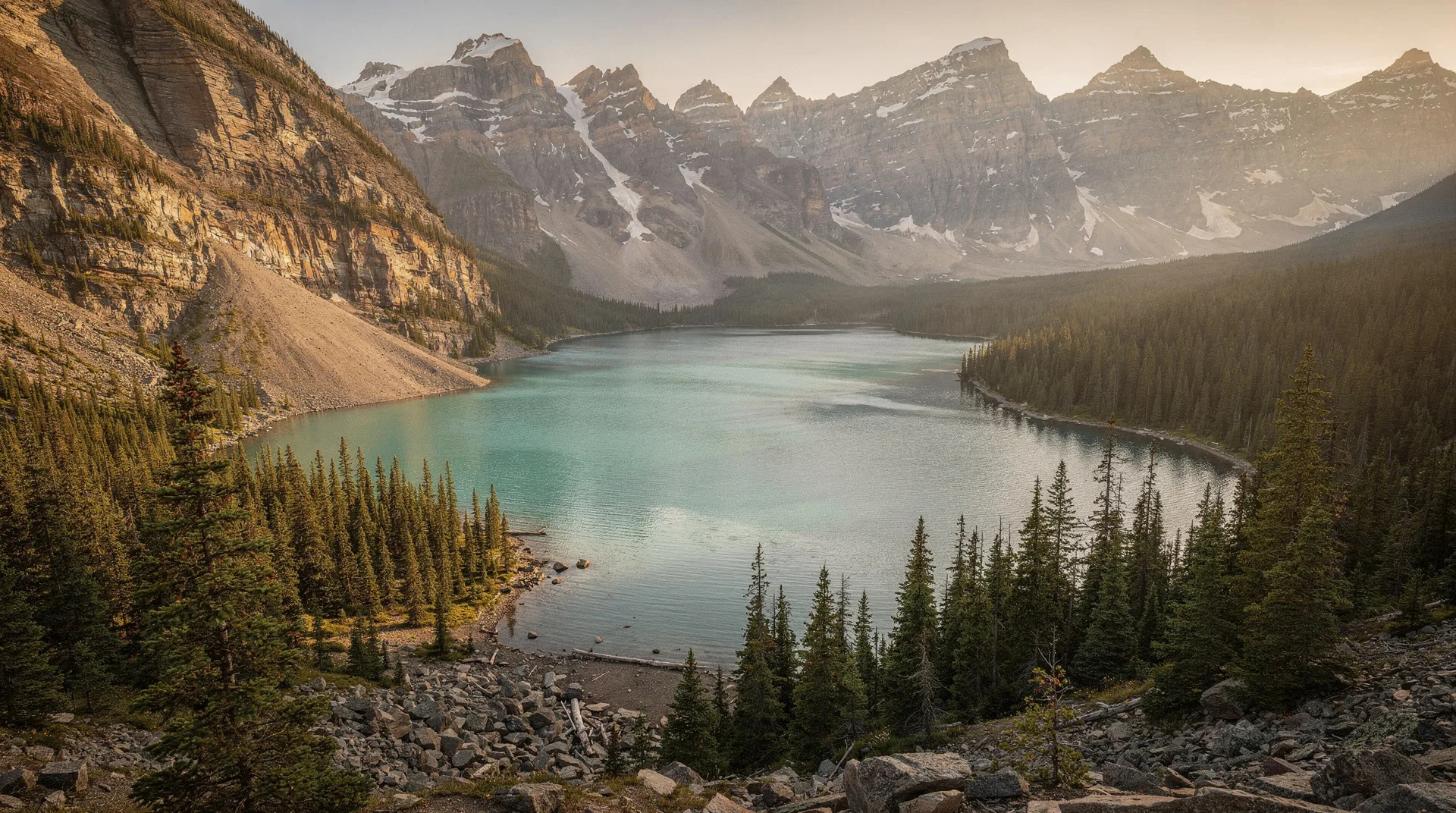
Vancouver Island
Vancouver Island spans old-growth rainforests, Pacific surf breaks, orca waters, and charming cities. BC's island paradise for outdoor adventurers.
Explore Vancouver Island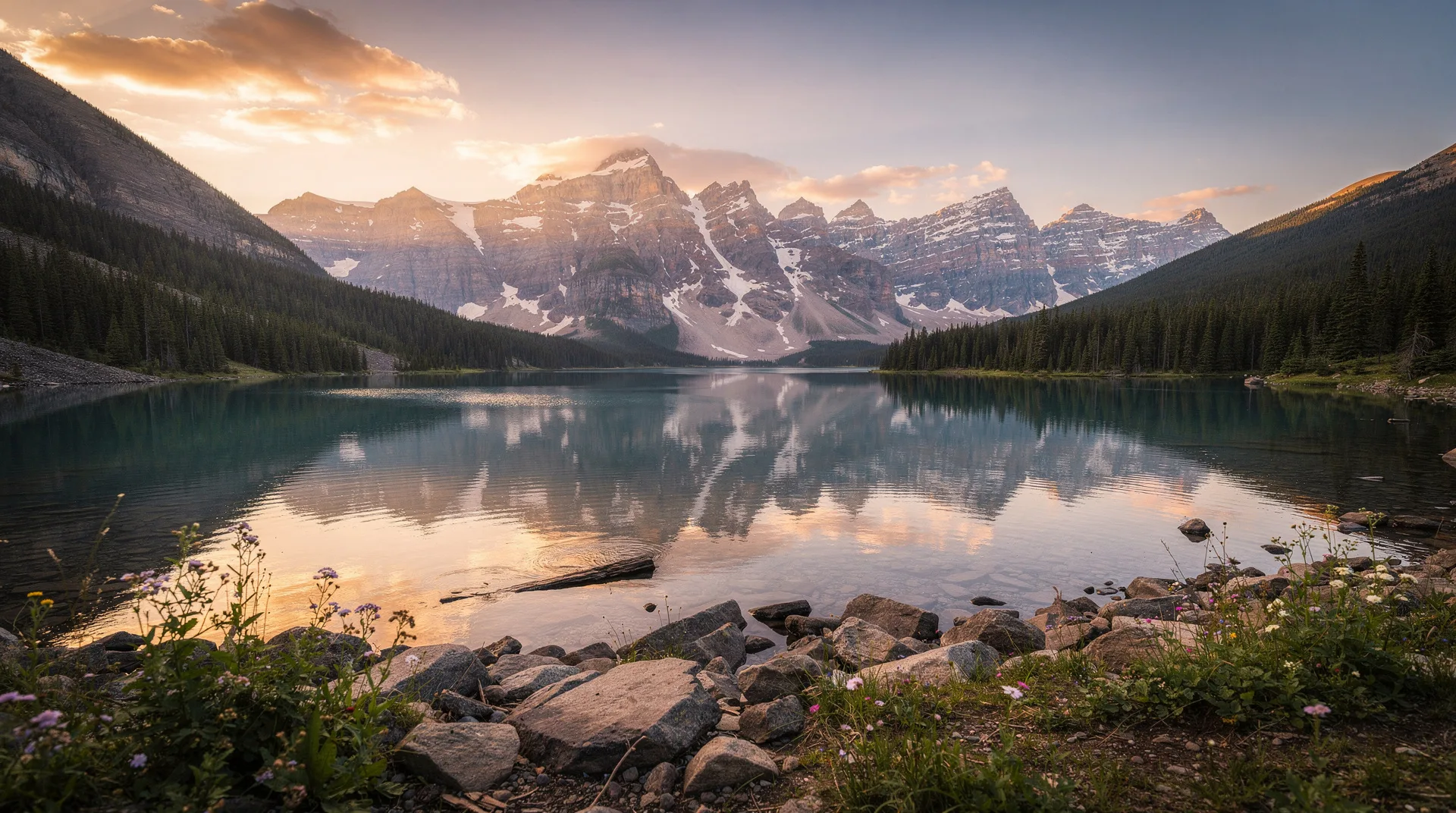
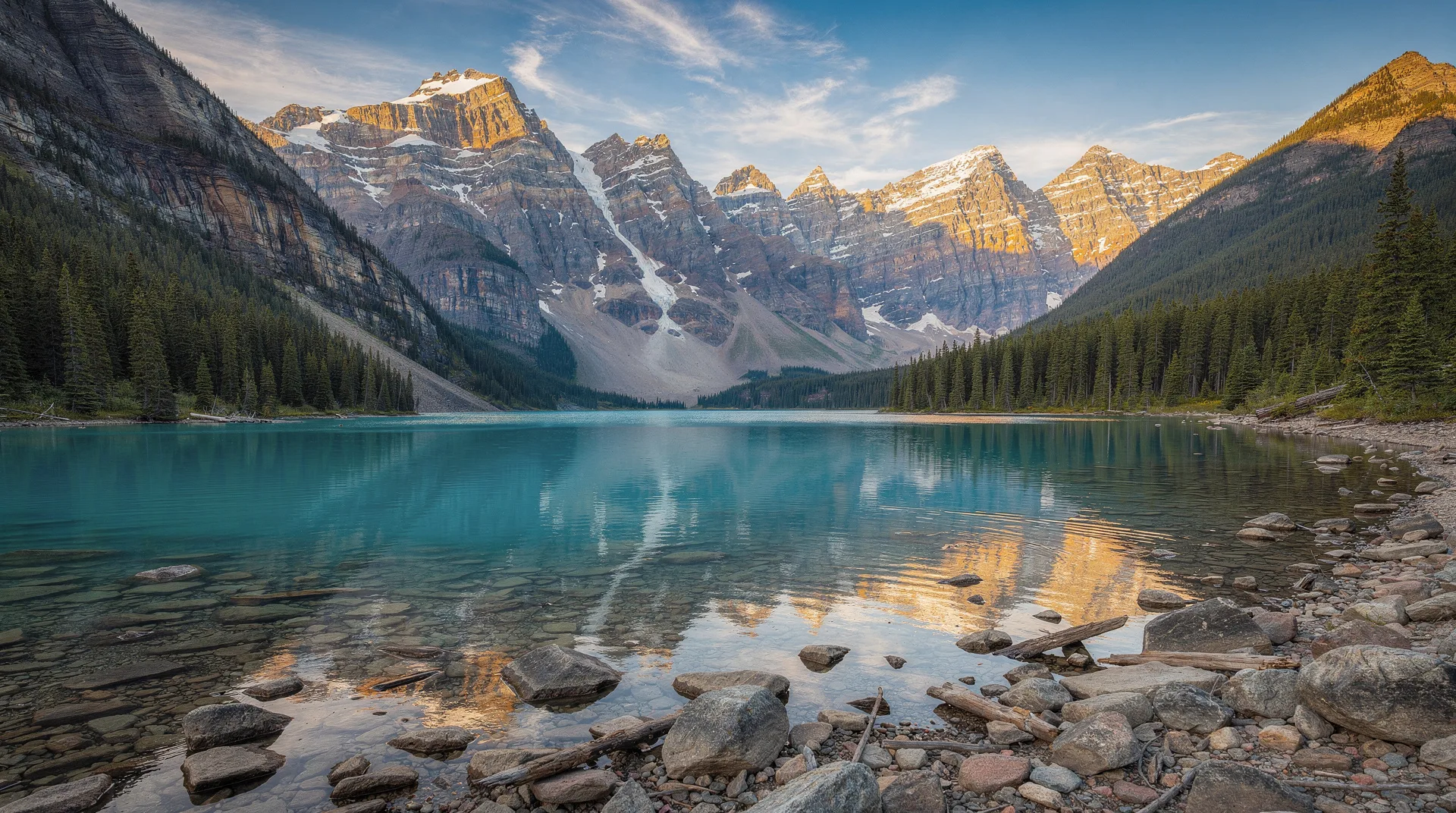
Whistler
Discover Whistler, BC's world-class mountain resort. Ski two peaks, ride Peak 2 Peak gondola, and explore the spectacular Sea to Sky corridor.
Explore WhistlerVancouver & the coast7
Bowen Island
Bowen Island: a 20-minute ferry from Horseshoe Bay delivers hiking, beaches, coffee shops and the easiest nature escape from downtown Vancouver.
Fraser Valley BC: Day Trips from Vancouver Guide
Fraser Valley day trips from Vancouver: farm markets, Bridal Veil Falls, Cultus Lake, Chilliwack, Fort Langley, wineries
Harrison Hot Springs BC: Mineral Pools & Sasquatch Country
Harrison Hot Springs guide: natural mineral pools, Harrison Lake, Sasquatch Provincial Park, sand sculptures
Squamish
Squamish is Canada's outdoor capital: rock climbing the Stawamus Chief, kiteboarding, eagle watching, and mountain trails on the Sea-to-Sky corridor.
Garibaldi Provincial Park
Plan your Garibaldi Provincial Park hike: Black Tusk, Garibaldi Lake, Panorama Ridge, and Elfin Lakes — BC's most spectacular alpine destination.
Sunshine Coast BC: The Complete Ferry Travel Guide
Complete guide to BC's Sunshine Coast: two ferry rides, Gibsons Landing, Sechelt, Powell River, kayaking Desolation Sound
Powell River BC: Kayak Capital of BC
Powell River BC: gateway to Desolation Sound, the Sunshine Coast Trail, the Inland Lake canoe circuit, historic townsite
Vancouver Island10
Victoria
Discover Victoria, BC: world-famous Butchart Gardens, the Inner Harbour, Royal BC Museum, afternoon tea, whale watching, and Vancouver Island charm.
Nanaimo
Explore Nanaimo BC: the Harbour City gateway to Vancouver Island — Old City Quarter, dive sites, Nanaimo bars, and ferry links to the mainland.
Tofino
Explore Tofino: Pacific Rim National Park, Long Beach, West Coast Trail, storm watching, surfing and rainforest trails in BC.
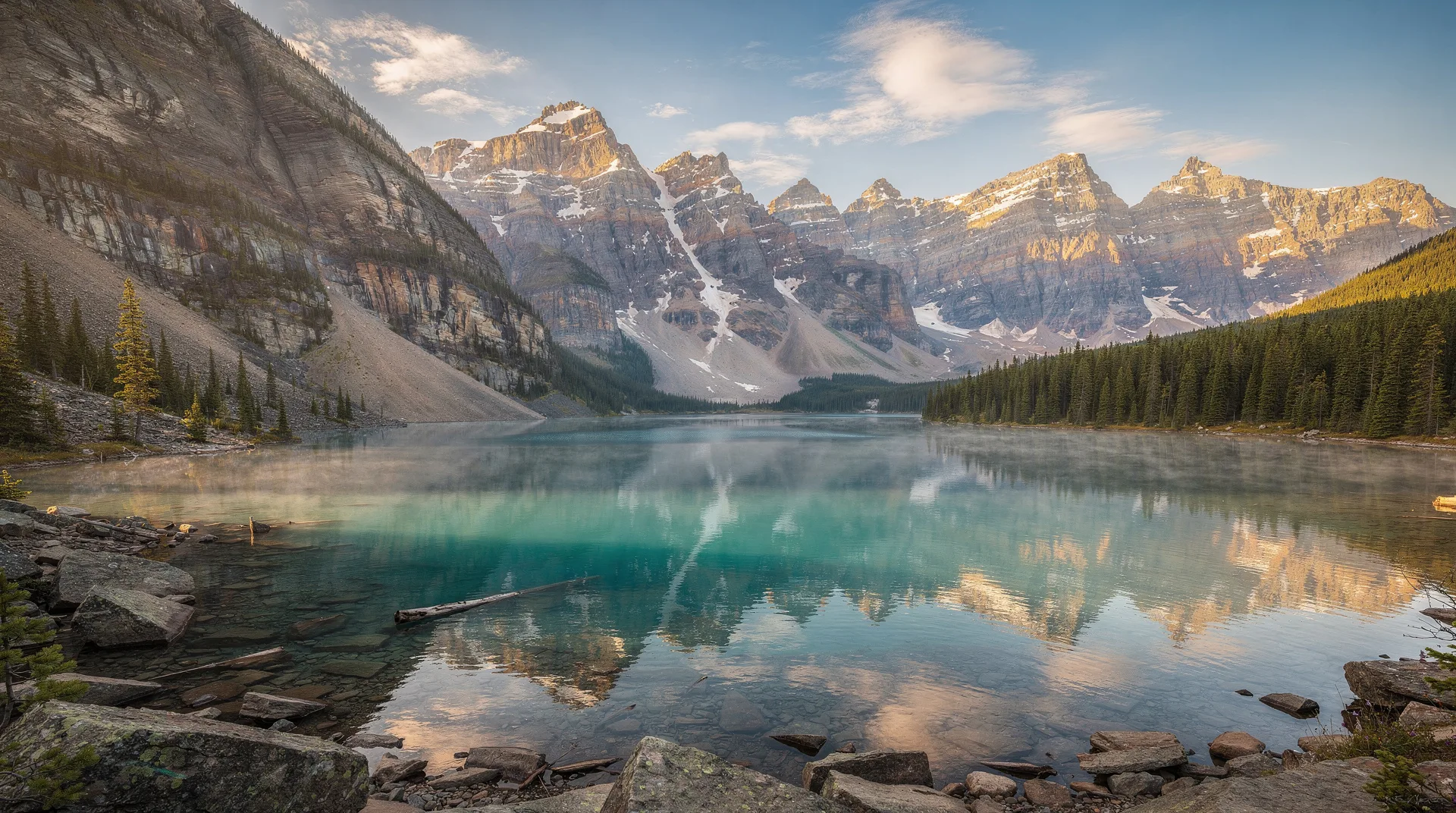
Ucluelet
Discover Ucluelet BC: the Wild Pacific Trail, Big Beach surf, whale watching, and storm season on Vancouver Island's rugged west coast.
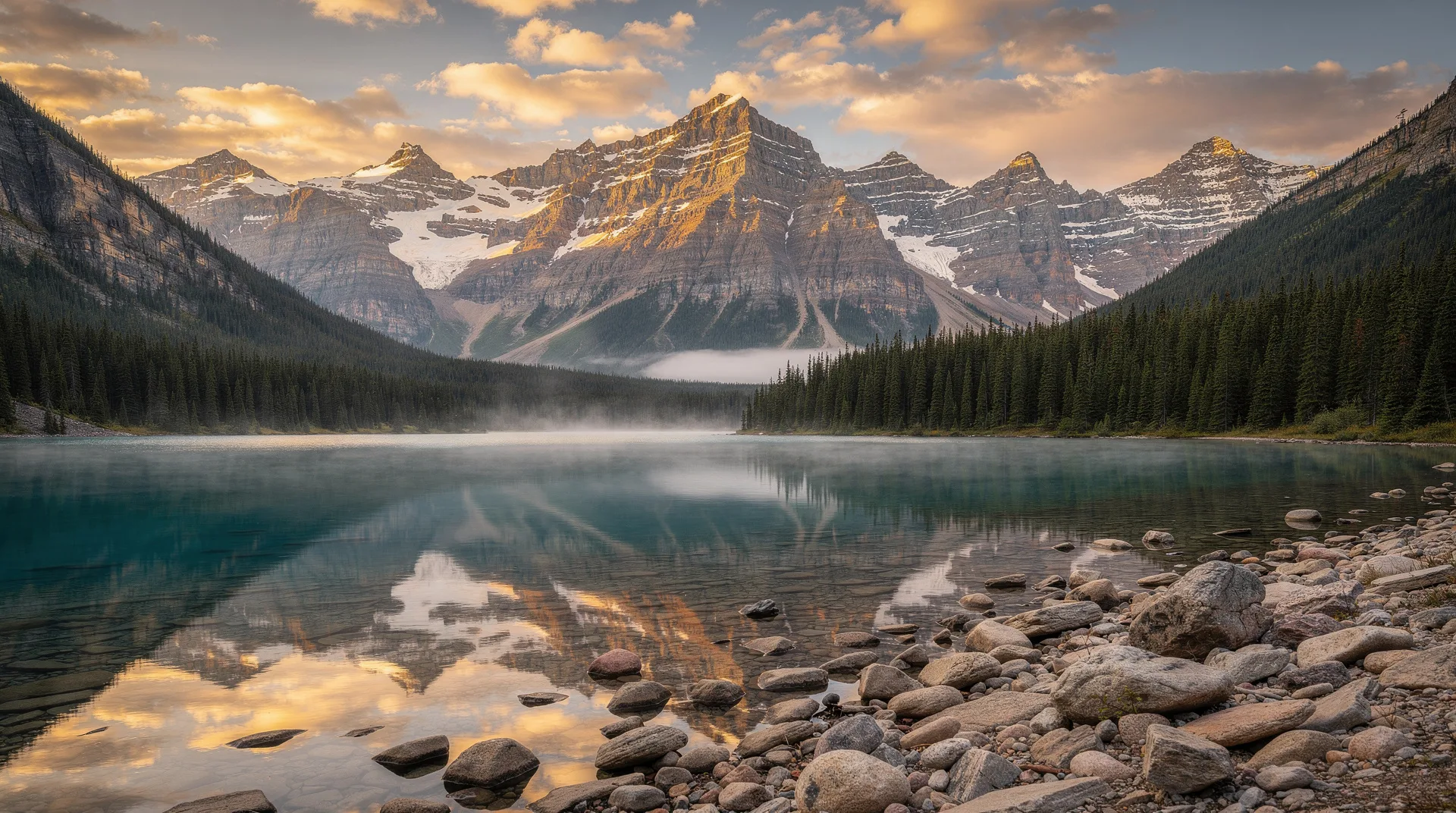
Cowichan Valley
Cowichan Valley, BC's warmest wine region on Vancouver Island: 40+ wineries, cideries, farm trails, Indigenous culture and a thriving food scene.
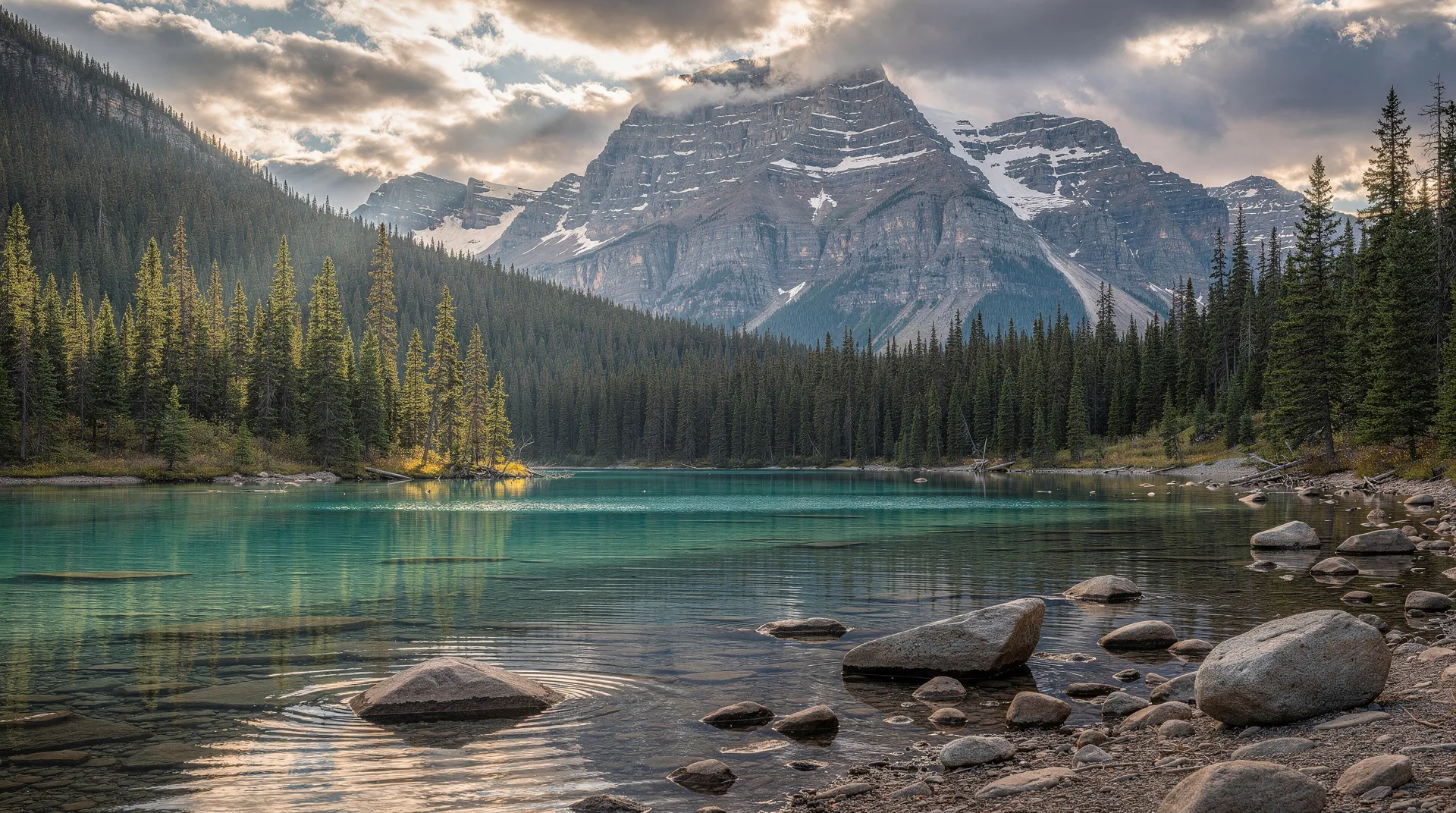
Comox Valley
Discover the Comox Valley BC: ski Mount Washington, kayak the estuary, explore Courtenay's arts scene, and taste Vancouver Island's best farm food.
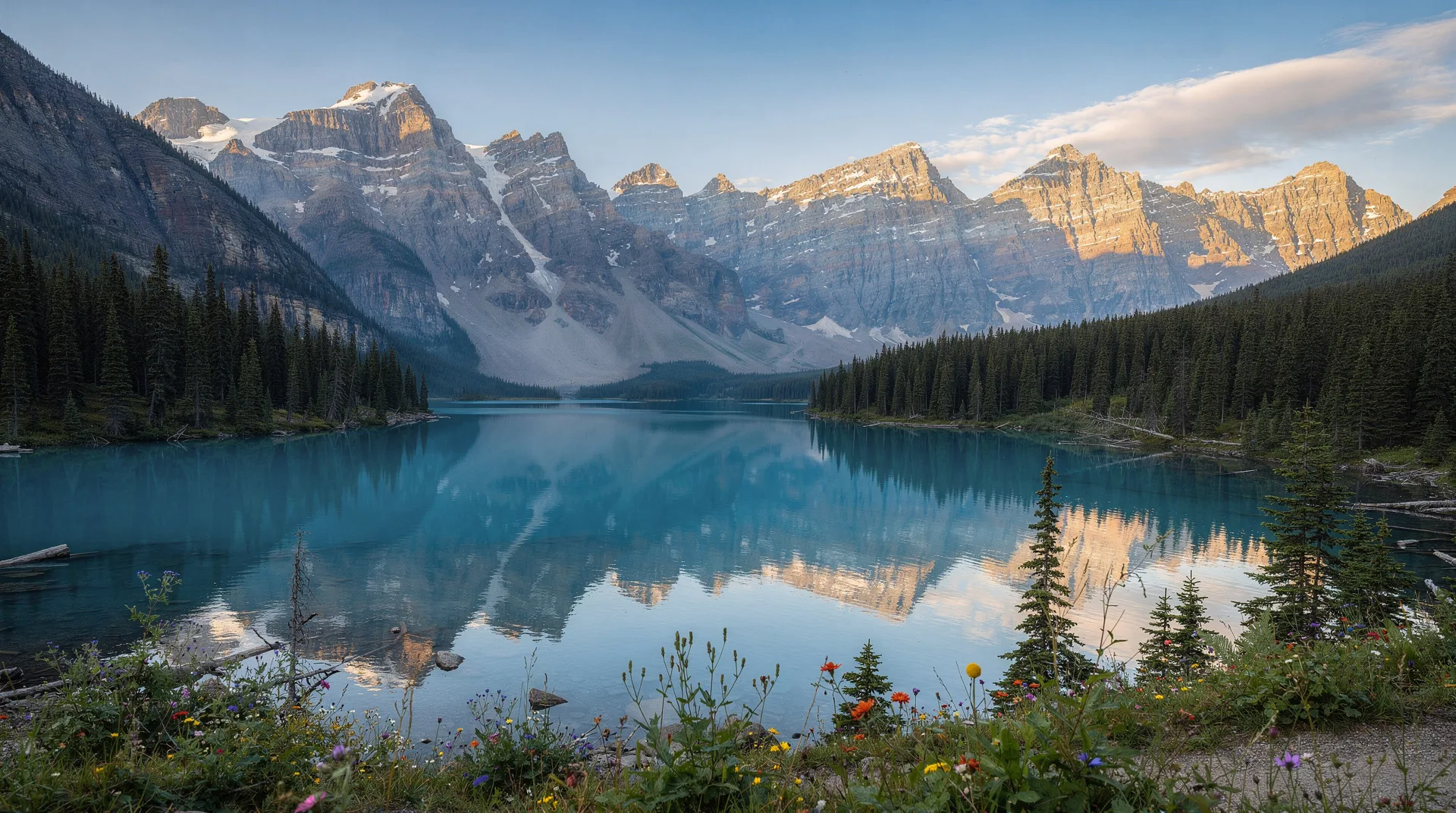
Parksville and Qualicum Beach: Vancouver Island's Family Coast
Parksville and Qualicum Beach on Vancouver Island: warm-sand beaches, the sandcastle festival and BC's best family holiday coast. Full guide.
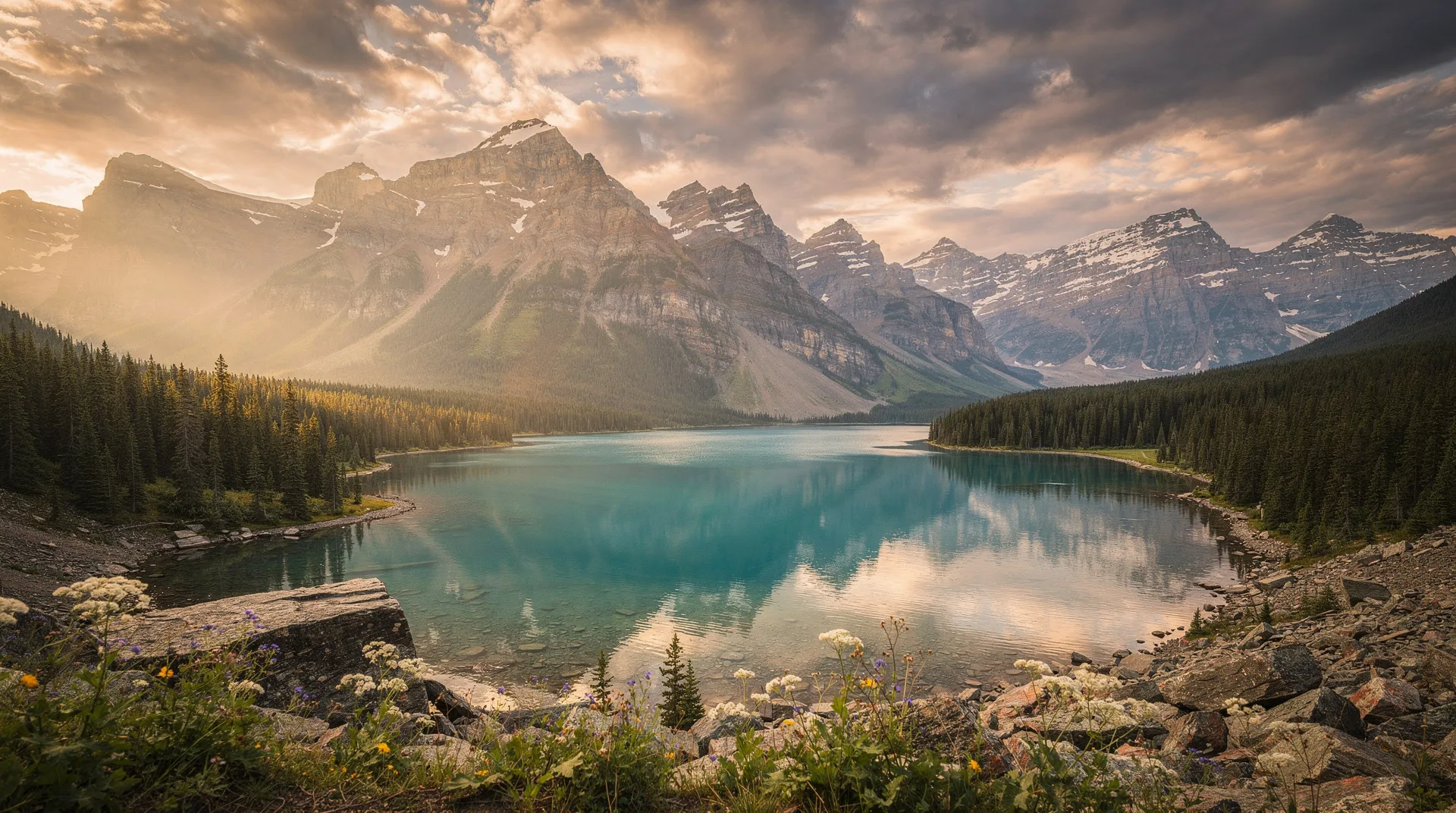
Campbell River
Explore Campbell River BC: world-class salmon fishing, whale watching, kayaking the Discovery Islands, and gateway to Strathcona Provincial Park.
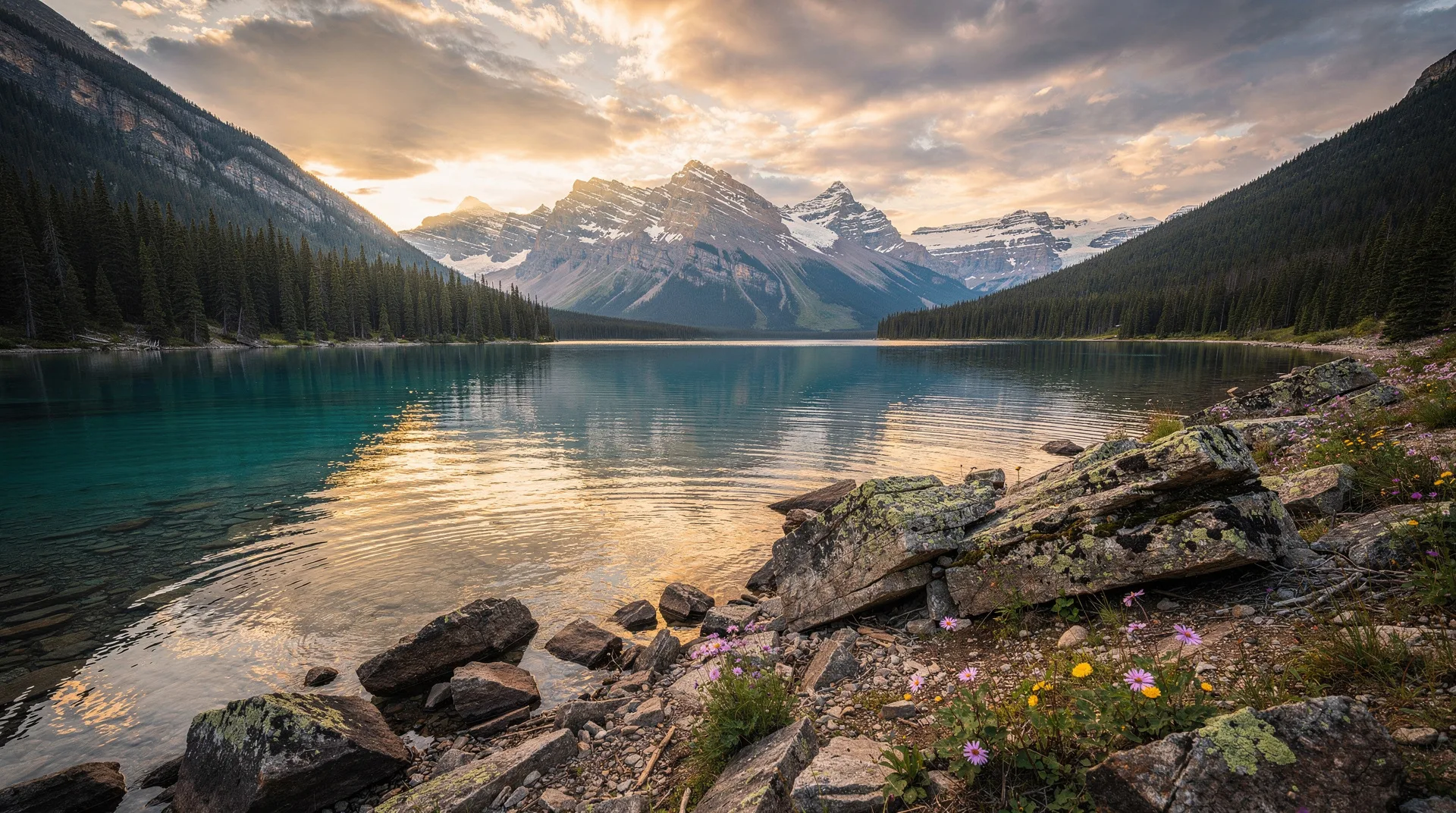
Telegraph Cove
Discover Telegraph Cove BC: historic boardwalk village, orca whale watching in Johnstone Strait, kayaking the Broughton Archipelago, and old-growth forest.
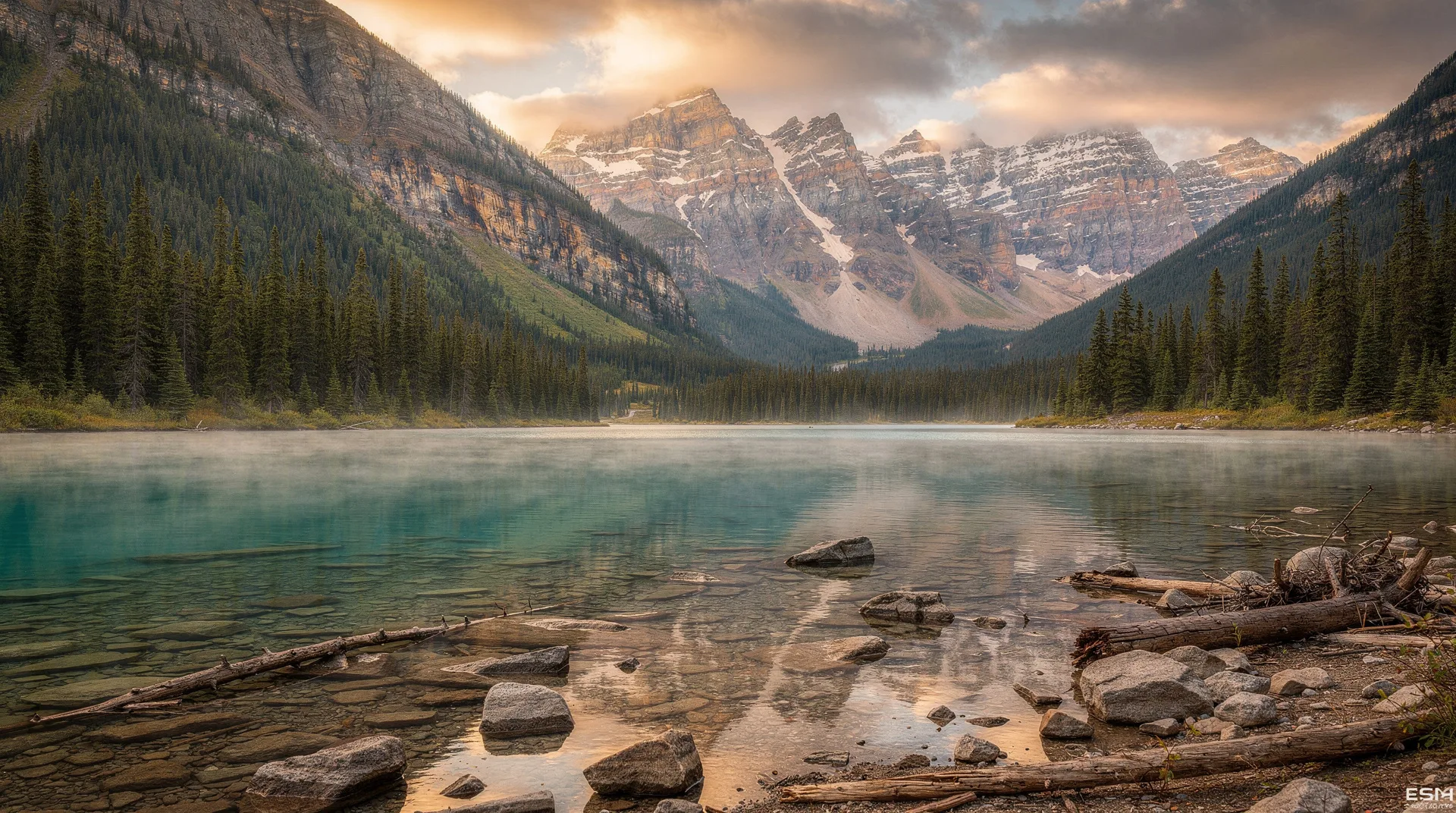
Port Hardy BC: Gateway to the North Island
Port Hardy is Vancouver Island's northern town: Inside Passage ferry, Cape Scott trails, wildlife viewing and the jumping-off point for the BC coast.
Okanagan & southern interior6
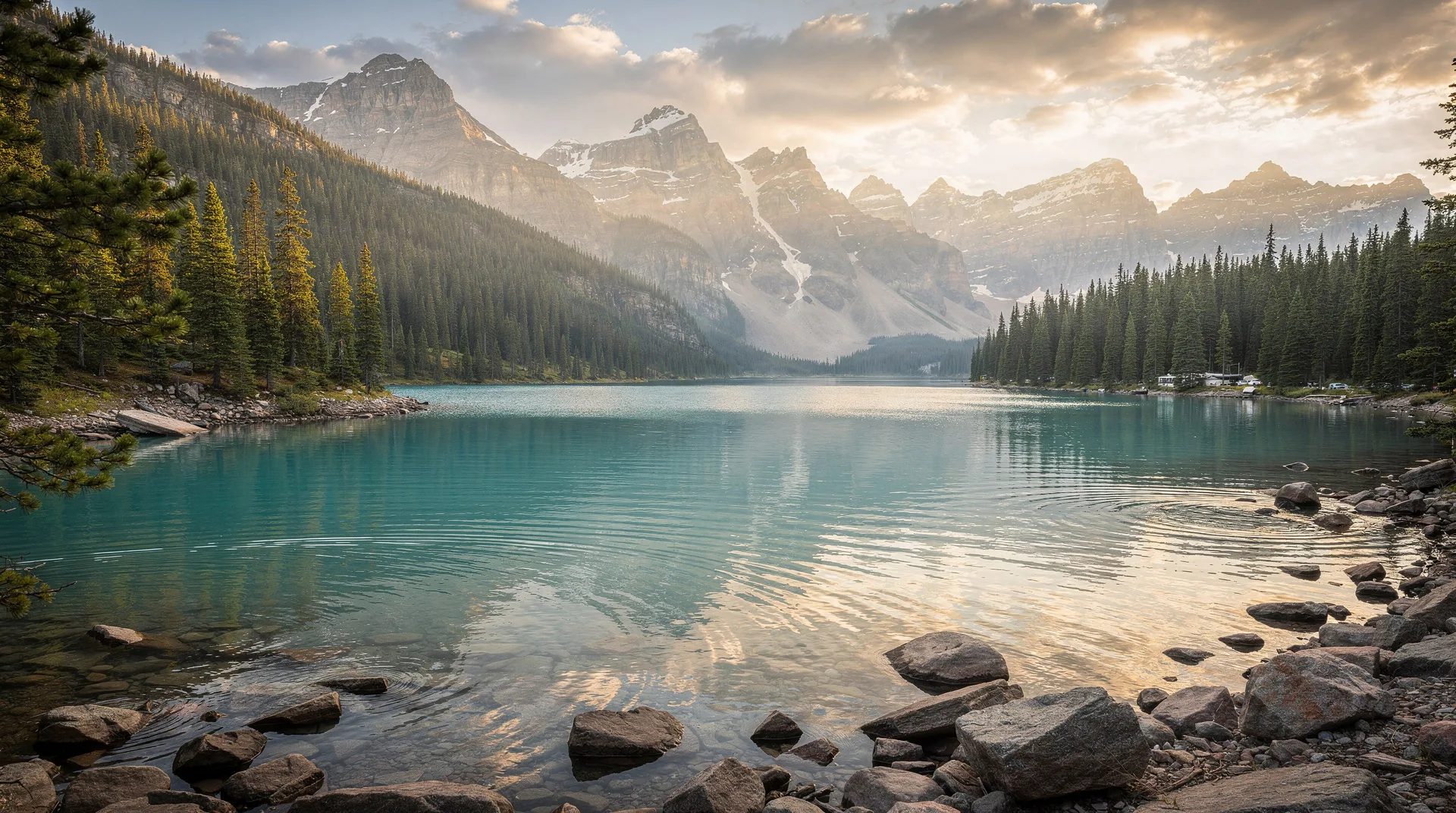
Okanagan Valley
Okanagan Valley: 200+ wineries, Canada's warmest lakes, Kelowna-Penticton-Osoyoos, desert climate. BC's wine and summer capital.
Kelowna
Explore Kelowna in BC's Okanagan Valley: award-winning wineries, sandy beaches on Lake Okanagan, fruit orchards, and four-season recreation.
Penticton
Discover Penticton BC: sandy beaches between Okanagan and Skaha Lakes, Naramata Bench wineries, the legendary Peach Festival, and Ironman racing.
Naramata BC: The Okanagan Wine Bench Guide
Naramata is the Okanagan's boutique wine village: the Naramata Bench wineries, the KVR cycling trail, beaches and slow-lane summer. Full visitor guide.
Kamloops
Discover Kamloops BC: mountain biking, river adventures, Sun Peaks ski resort gateway, and Canada's Tournament Capital in BC's Thompson River country.
Sun Peaks
Plan your Sun Peaks BC trip: 4,270 acres of ski terrain, a car-free alpine village, summer hiking, and one of Canada's best mountain resort experiences.
The Rockies & Kootenays8
Golden
Explore Golden BC: world-class Kicking Horse Mountain Resort skiing, Kicking Horse River rafting, heli-skiing, and gateway to five Canadian national parks.
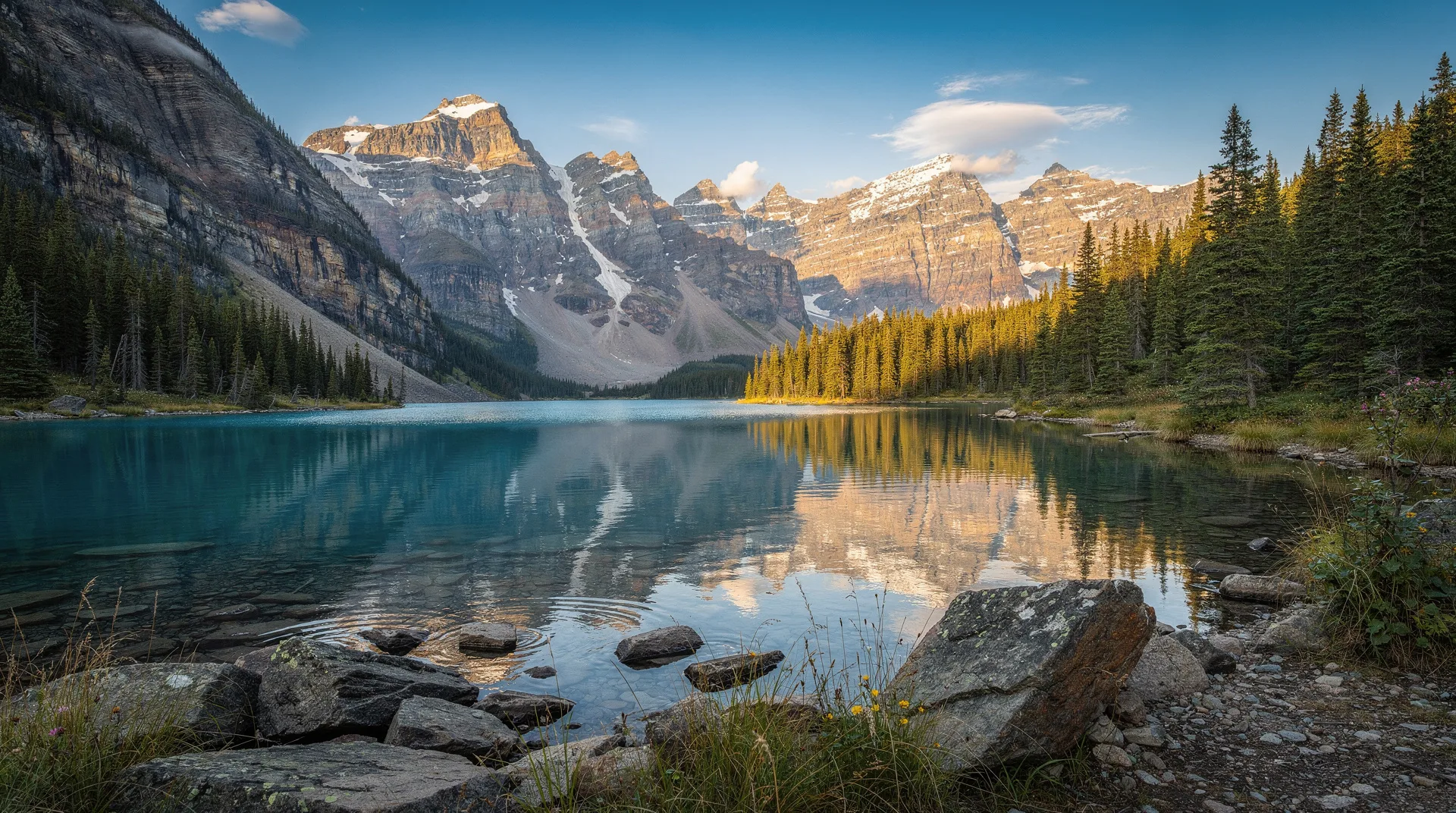
Revelstoke
Revelstoke BC: Canada's deepest snowpack, world-class skiing at Revelstoke Mountain Resort, Rogers Pass, national parks, Columbia River.
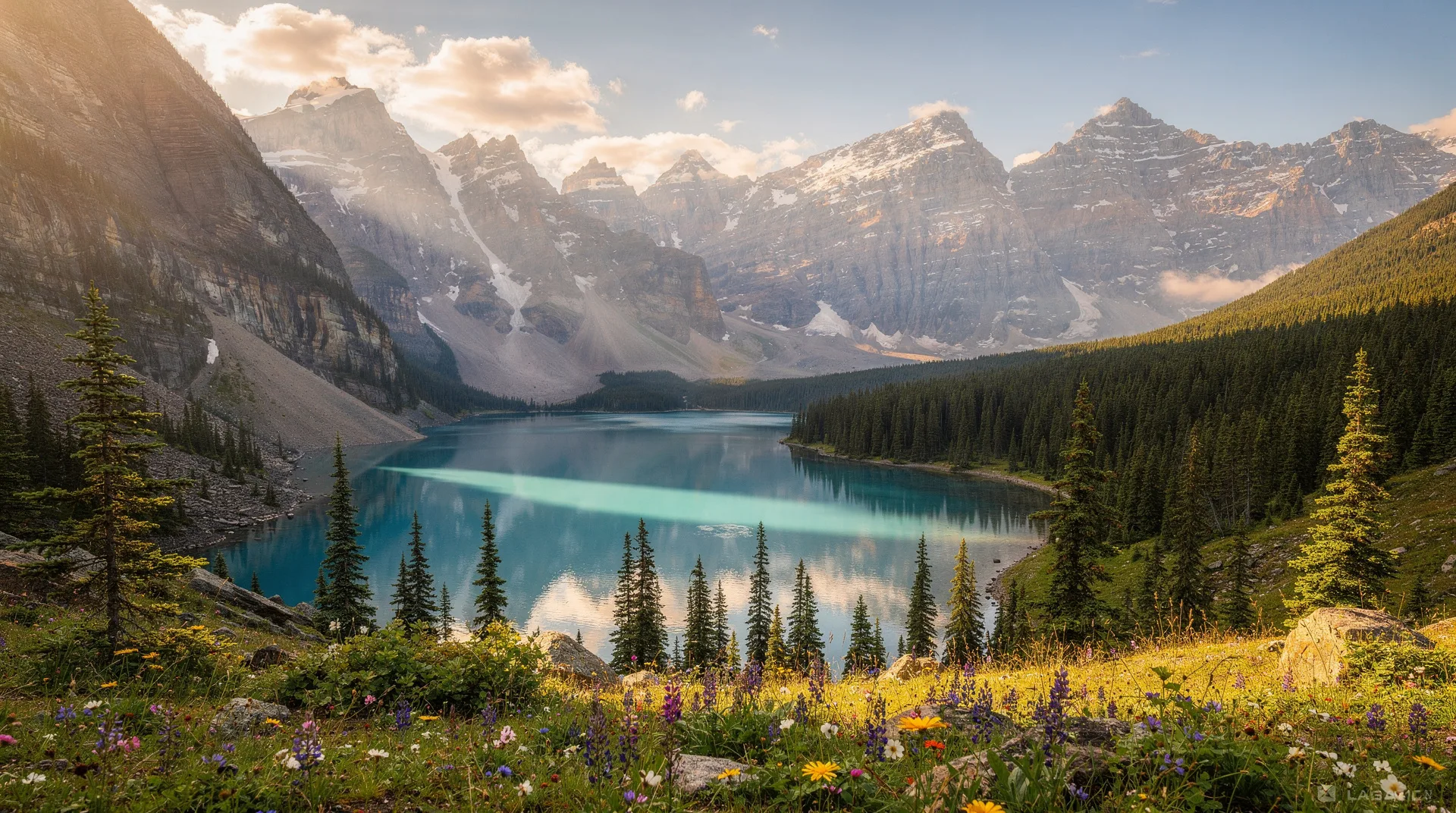
Fernie
Discover Fernie BC: world-class powder skiing at Fernie Alpine Resort, mountain biking the Elk Valley, hot springs, and a charming heritage mountain town.
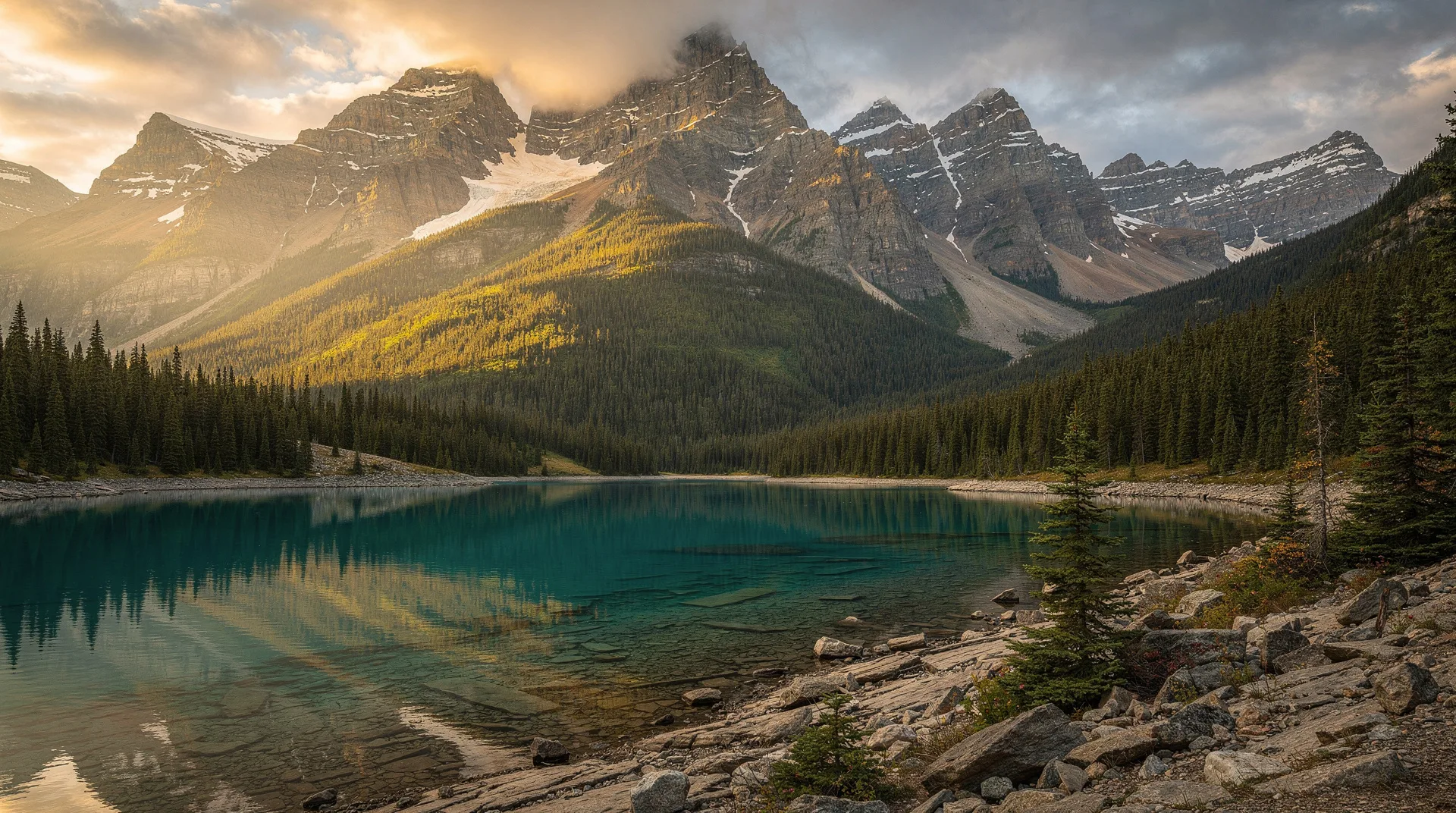
Kimberley
Discover Kimberley BC: voted BC's best small town, a Bavarian-themed Platzl village, year-round ski resort, and history at the Sullivan Mine.
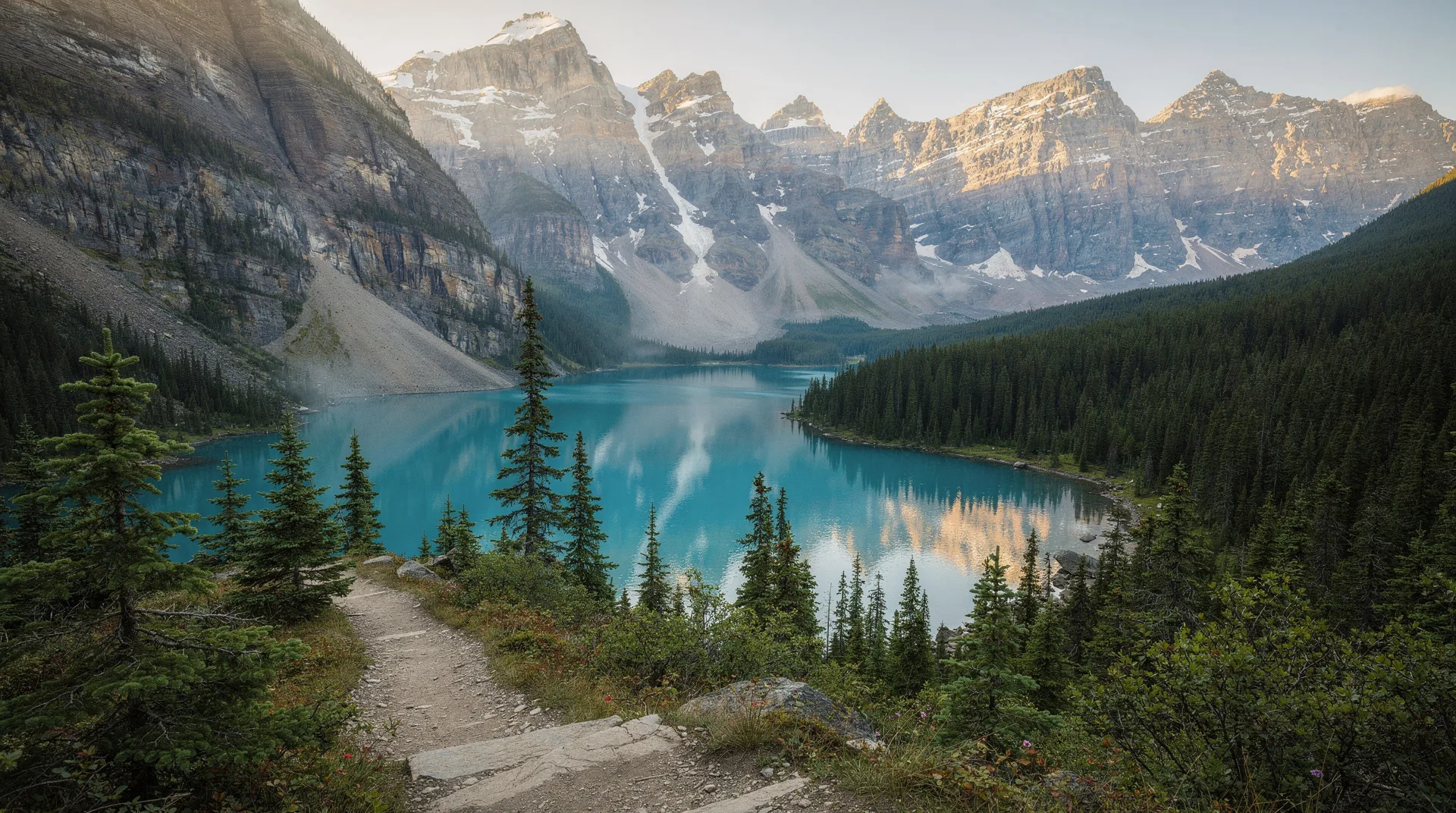
Cranbrook
Cranbrook BC: East Kootenays hub, Canadian Museum of Rail Travel, the Rail Trail to Kimberley, and gateway to Fernie and the Rockies.
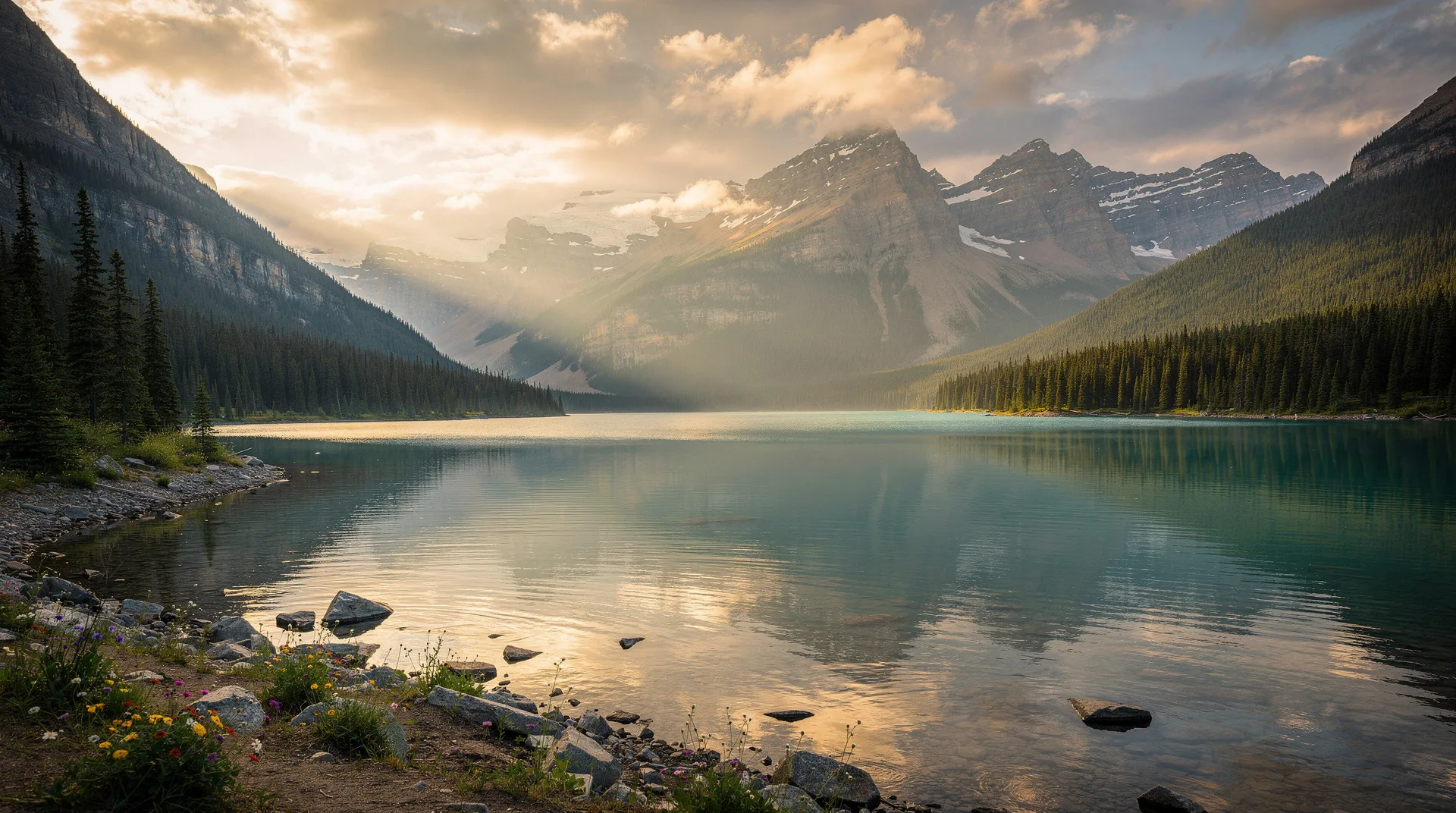
Rossland
Rossland BC: Red Mountain Resort powder skiing, the legendary 7Summits mountain bike trail, gold rush heritage and an authentic Kootenay town.
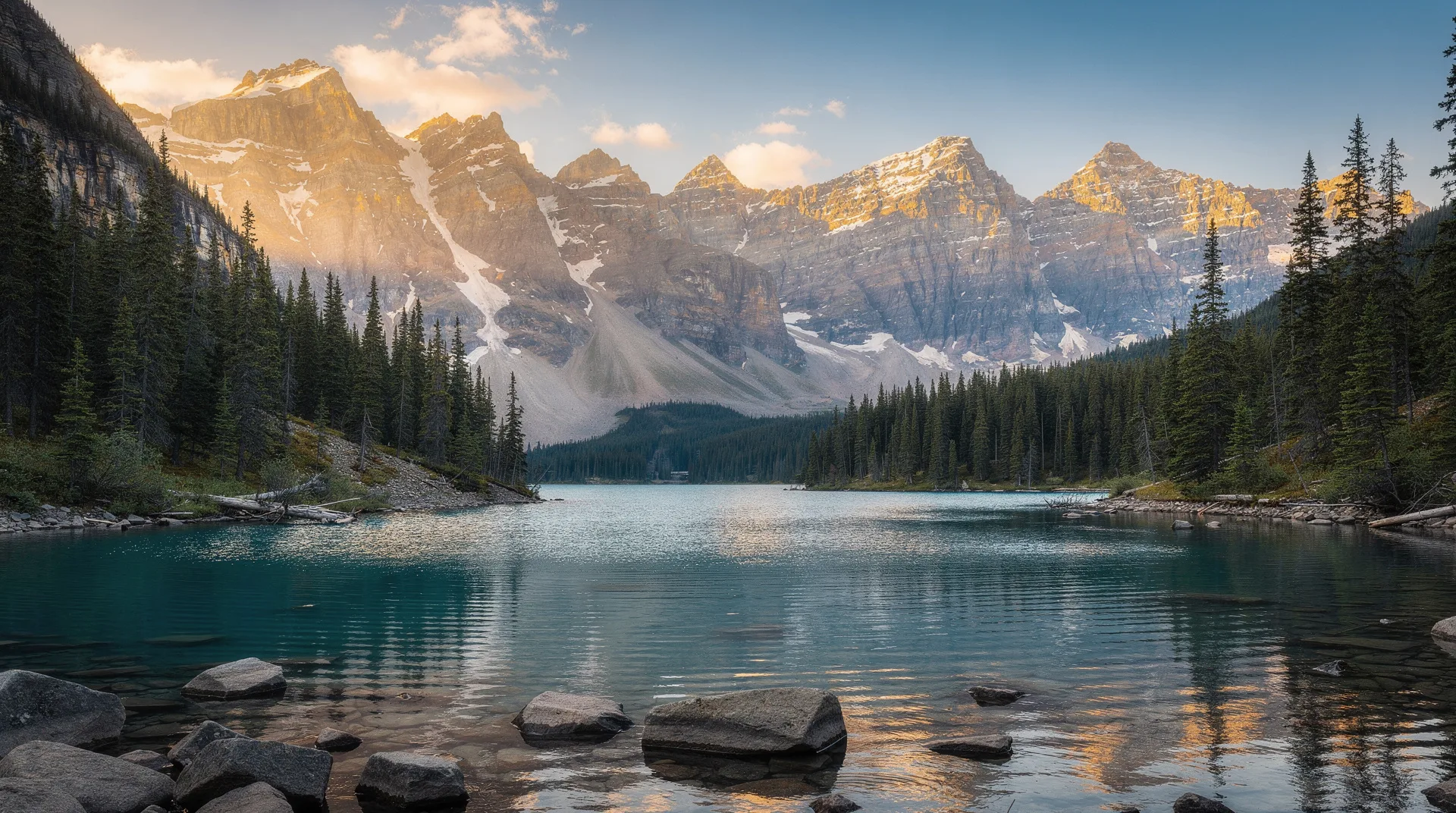
Nelson
Nelson BC blends a stunning heritage downtown with Kootenay mountain living: ski Whitewater, soak in hot springs, and explore Canada's arts capital.
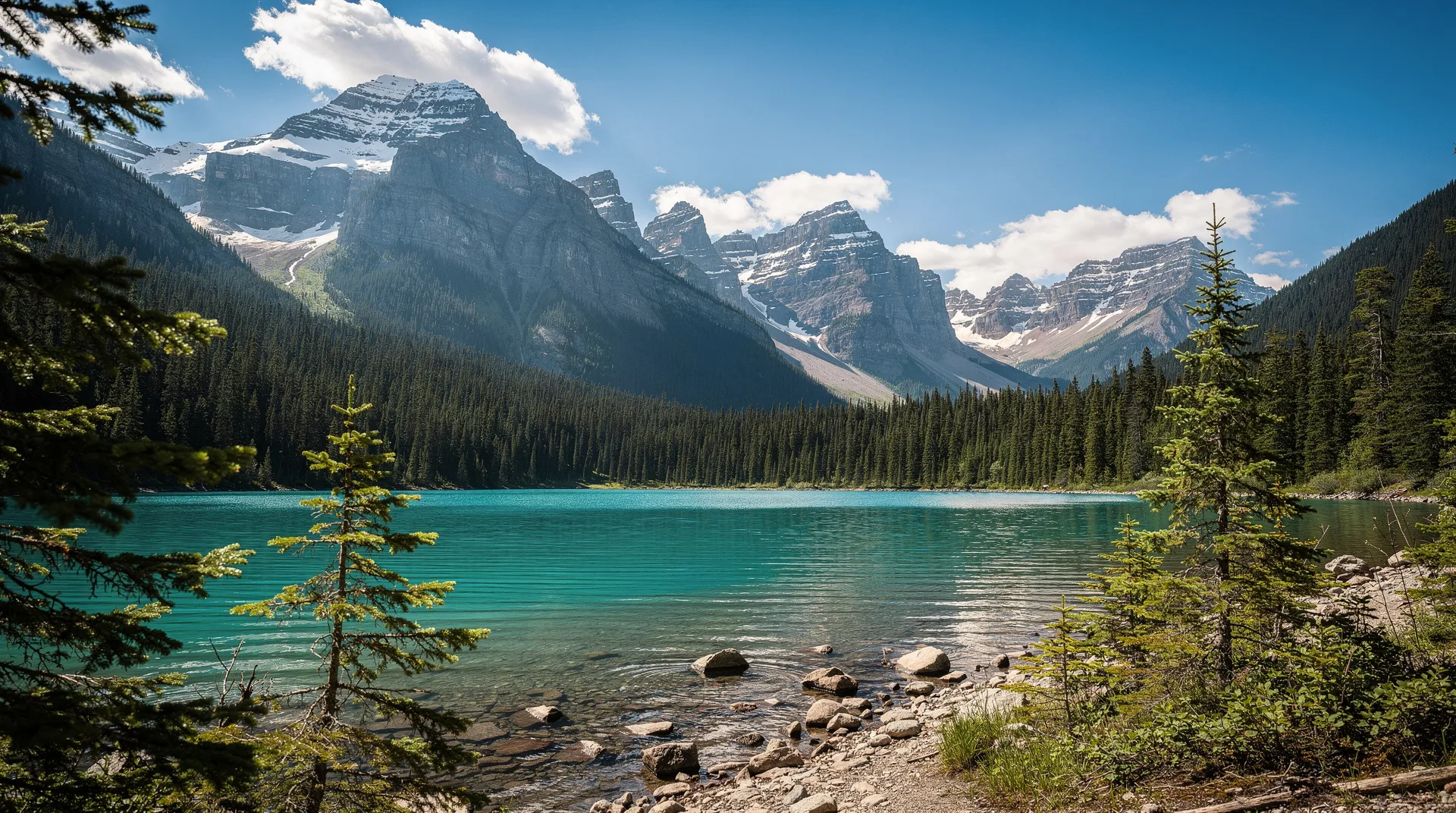
Wells Gray Provincial Park
Explore Wells Gray Provincial Park BC: Helmcken Falls, Dawson Falls, volcanic landscapes, wilderness canoeing, and hiking in BC's wildest interior park.
Northern BC & remote islands4
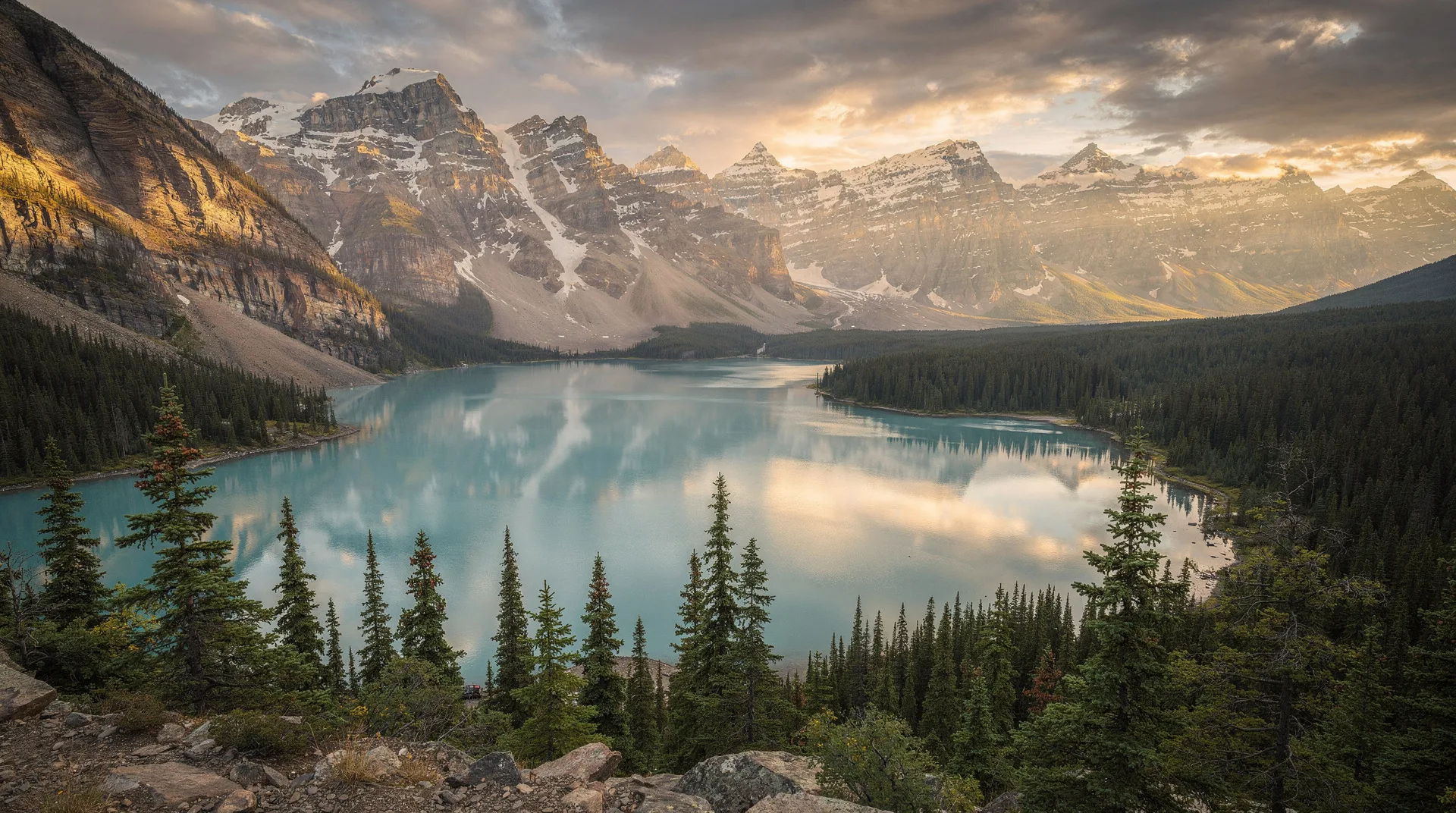
Haida Gwaii
Haida Gwaii is Canada's Galapagos: Gwaii Haanas National Park Reserve, ancient totem poles, spirit bears, and the Haida Nation's living culture.
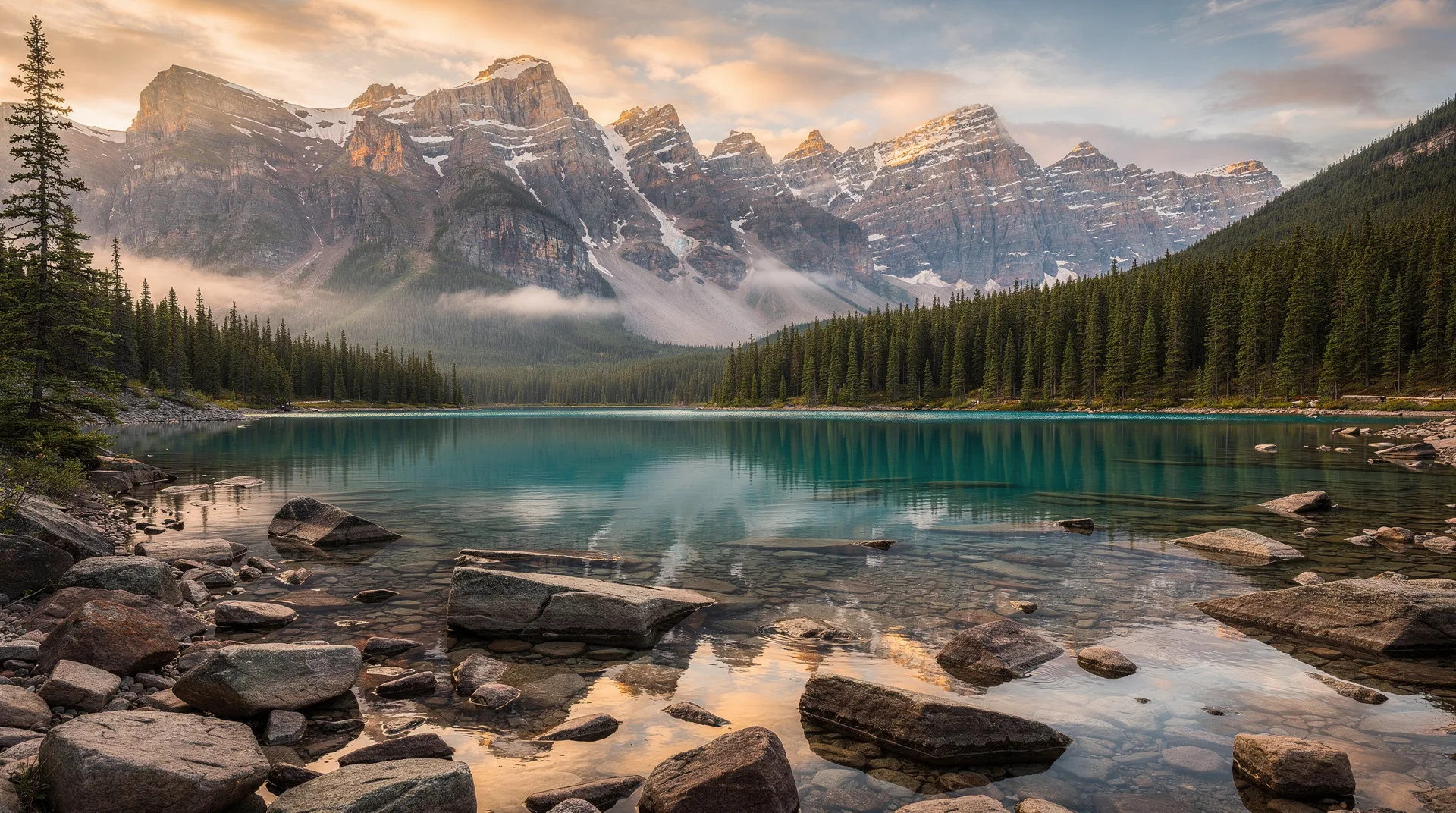
Prince Rupert
Prince Rupert is BC's north coast gateway: grizzly bears at Khutzeymateen, Inside Passage ferry terminus, Haida culture, and world-class fishing.
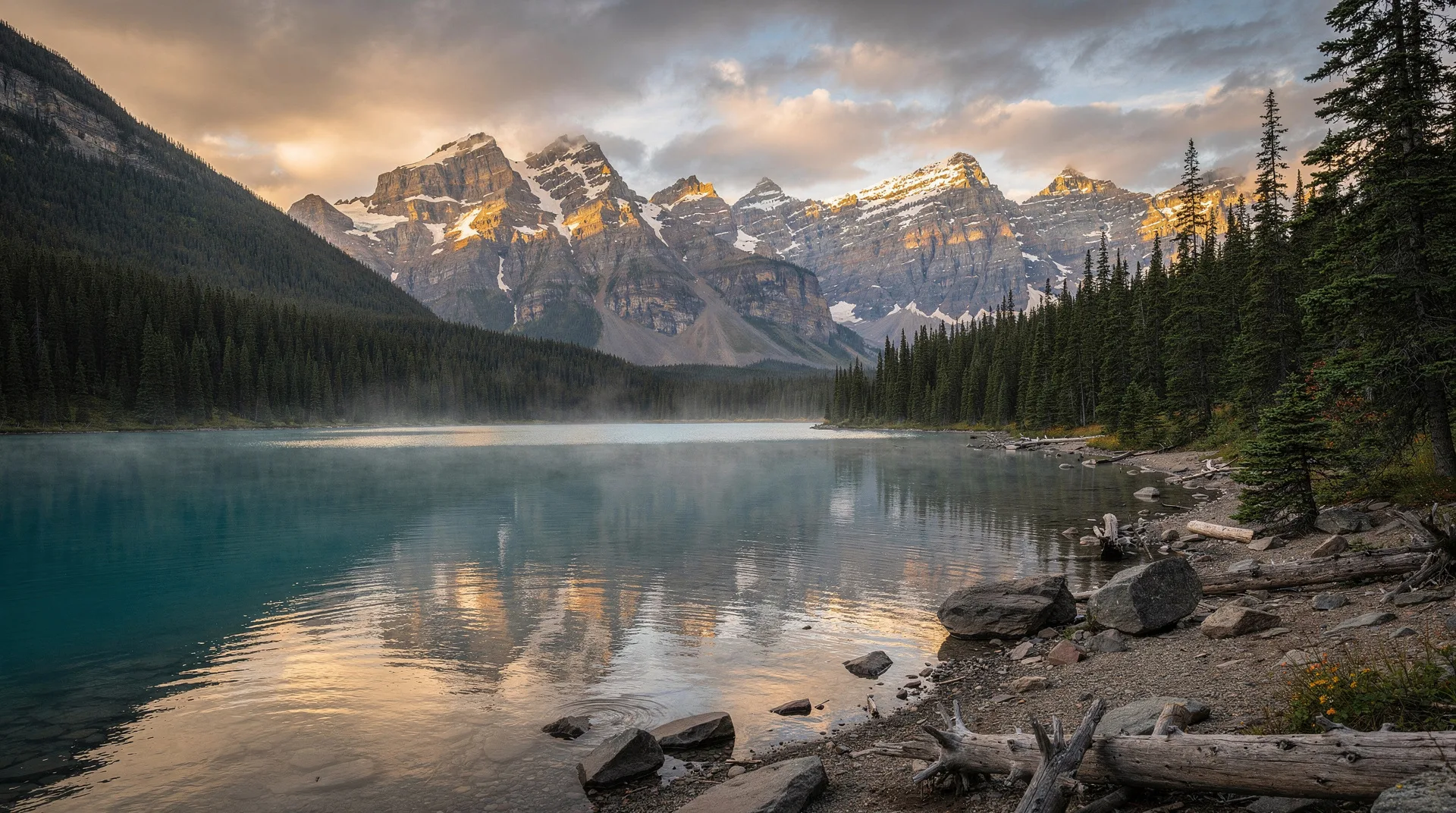
Great Bear Rainforest
Explore the Great Bear Rainforest BC: Kermode spirit bears, grizzlies on salmon rivers, old-growth temperate rainforest, and remote wild coast wilderness.
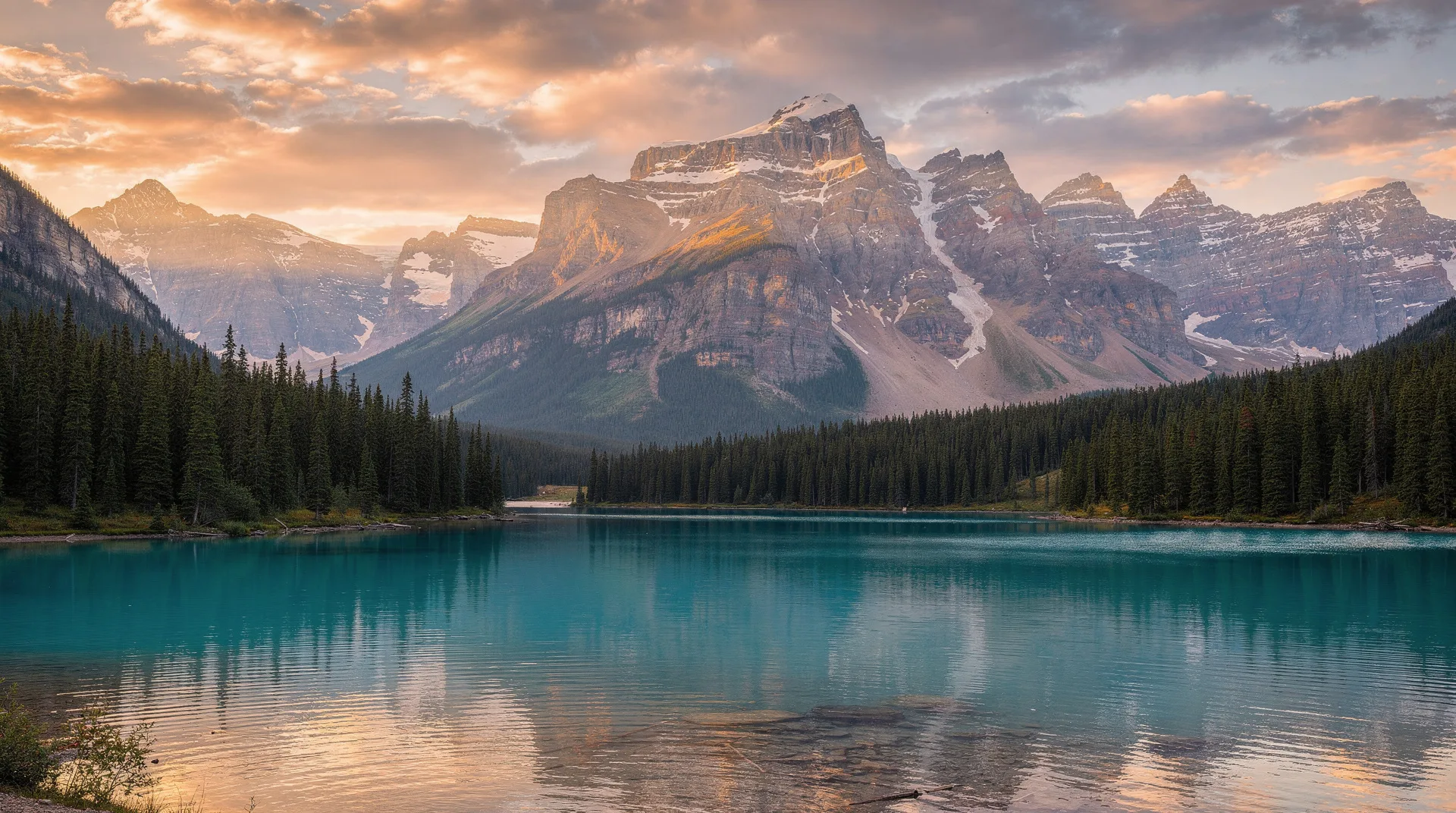
Bella Coola
Discover Bella Coola: grizzly bear viewing, the Great Bear Rainforest, Nuxalk culture and one of BC's most remote and spectacular valleys.
Gulf Islands2
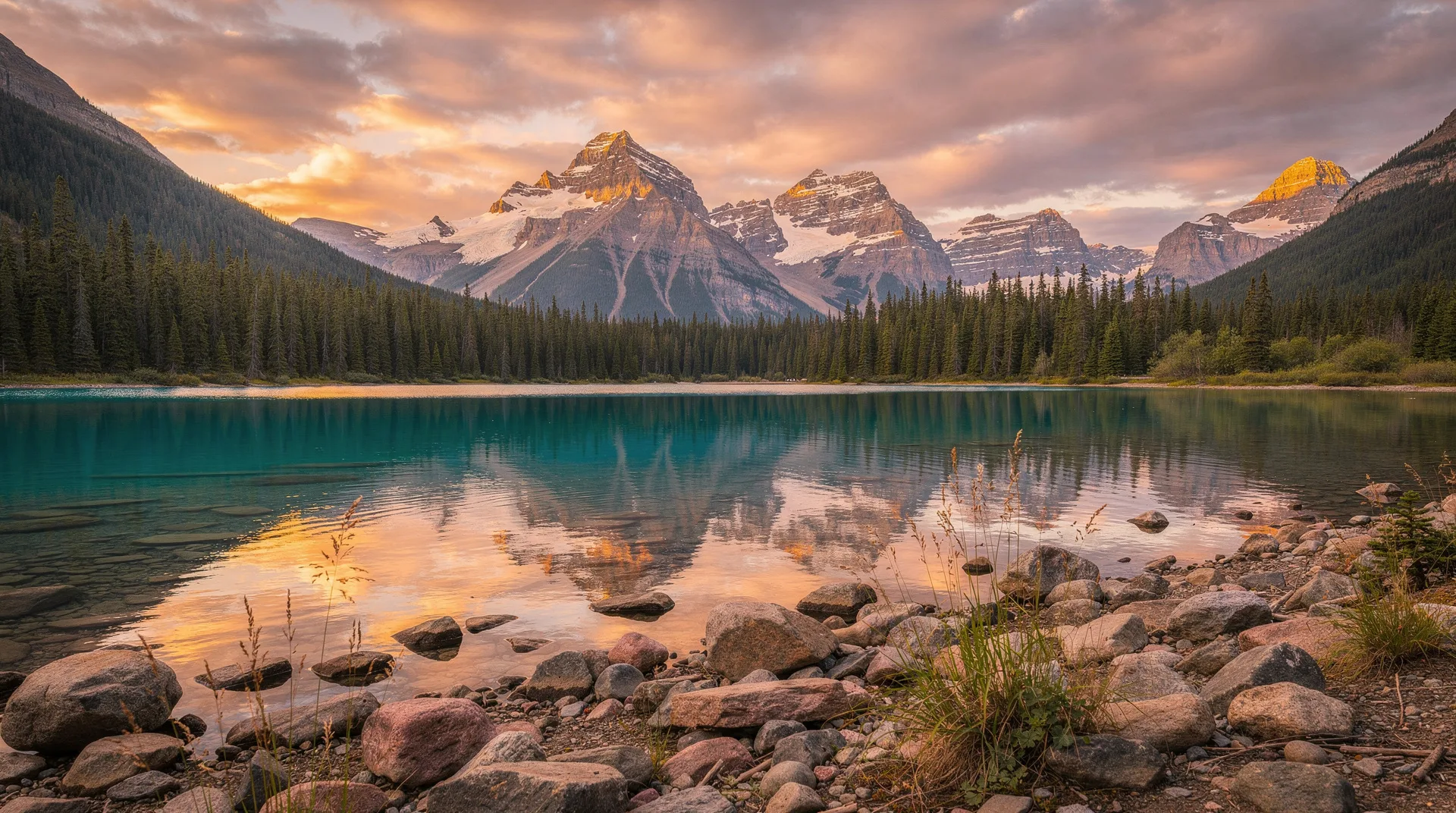
Gulf Islands BC: Complete Guide to All 5 Southern Islands
Guide to BC's five Southern Gulf Islands: Salt Spring, Galiano, Mayne, Pender and Saturna, with ferries, stays and things to do.
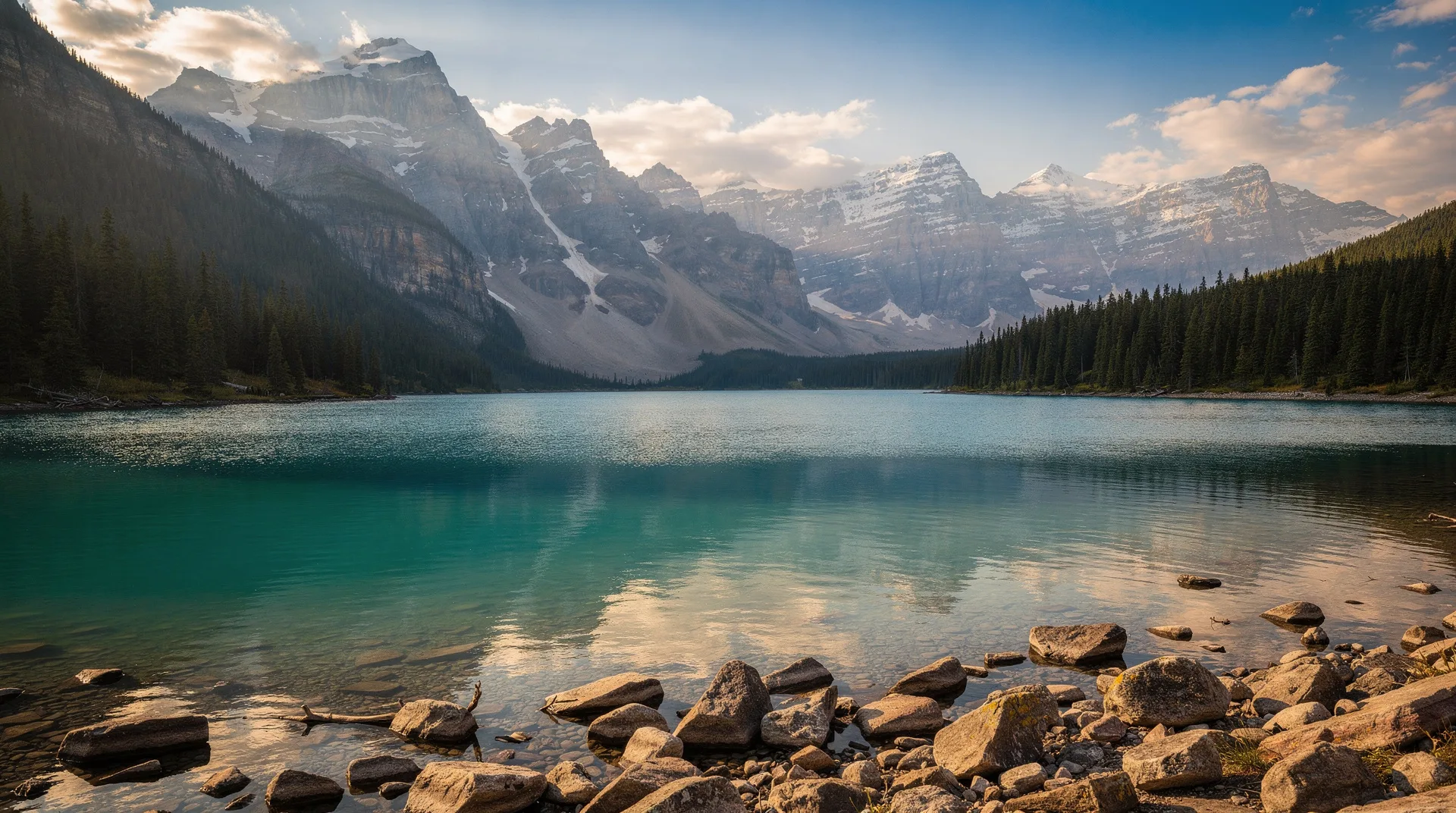
Salt Spring Island
Explore Salt Spring Island: the Saturday Market, artisan studios, Ruckle Park, cheese dairies and the best of the Southern Gulf Islands.