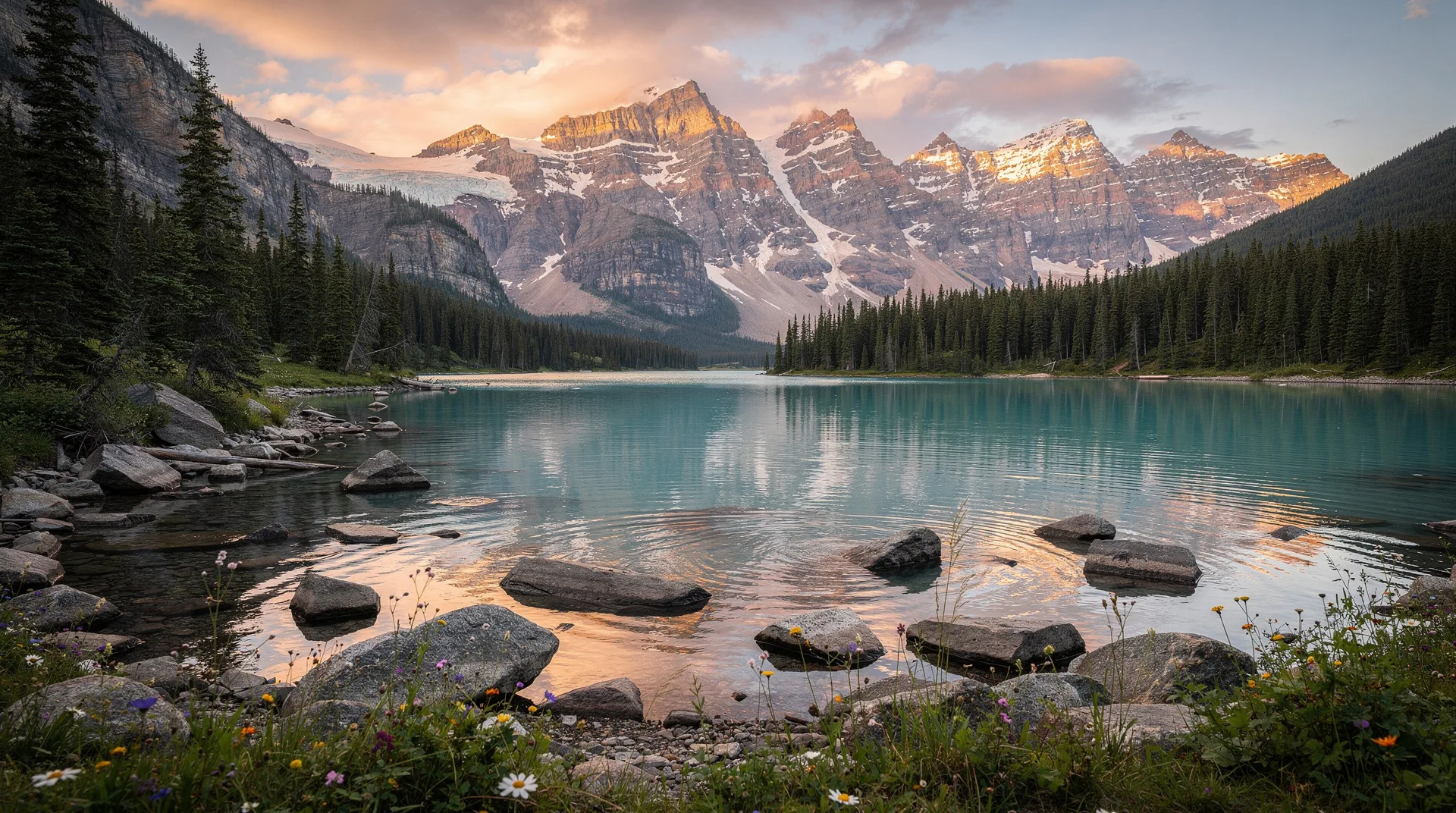
Where Canada meets the sea
Atlantic Canada is the country’s oldest inhabited corner and its most relentlessly maritime. The four provinces — Nova Scotia, New Brunswick, Prince Edward Island, and Newfoundland and Labrador — share a coastline measured not in kilometres but in inlets, capes, beaches, sea cliffs, and fishing stages, and a cultural character that has been shaped since the sixteenth century by cod, shipbuilding, emigration, and the weather.
European fishermen were drying cod on Newfoundland beaches before the Pilgrims landed at Plymouth. Mi’kmaq and Beothuk and Innu communities were here long before that. The region has been living with the North Atlantic Ocean, in other words, for a very long time, and it shows in everything from the vernacular architecture to the way people tell a story over a kitchen table.
For a first-time visitor, three anchor places define the shape of a typical Atlantic Canada trip. Halifax is the largest city and the natural air gateway, with a harbour-front walkable capital that combines a working port, world-class seafood, and an unhurried pace that feels refreshing after a week in Toronto or New York.
Cape Breton on the northeastern tip of Nova Scotia, connected to the mainland by a causeway, holds the Cabot Trail — 298 kilometres of coastal highway around the northern highlands that is consistently ranked among the finest scenic drives in the world. And Gros Morne, on the west coast of Newfoundland, is a UNESCO World Heritage Site containing exposed ancient sea floor, a landlocked fjord with 600-metre cliffs, and a sense of the Earth’s geological scale that no other Canadian national park quite matches.
Around those three anchors, Atlantic Canada fans out into a remarkable web of smaller places, each with a distinct identity: fishing villages with painted wooden houses, Acadian communities on the Bay of Chaleur, Viking archaeological sites above the Strait of Belle Isle, Loyalist-era New Brunswick towns on broad tidal rivers, and PEI farming landscapes that look exactly as Lucy Maud Montgomery described them.
The food throughout the region is exceptional in its simplicity: freshly boiled lobster, Digby scallops, Malpeque oysters, Newfoundland cod, and everywhere — everywhere — a bowl of seafood chowder. The pace is slow by design. The welcome is genuine. And the light, particularly on a clear September afternoon when the crowds have thinned and the sea is still summer-warm, is as good as coastal light gets anywhere in Canada.
Browse guided Halifax and Atlantic Canada tours on GetYourGuide| At a glance | |
|---|---|
| Where | Nova Scotia, New Brunswick, PEI and Newfoundland & Labrador — Canada’s eastern seaboard |
| Cost | Mid-range; generally cheaper than Toronto or Vancouver for accommodation and dining, though car rental and ferries add up |
| Time needed | 7 days minimum for Nova Scotia and PEI; 2 weeks to add Newfoundland |
| Getting there | Fly into Halifax (YHZ), the main regional hub, or St. John’s (YYT) for Newfoundland |
| Best time | June to September, with September/early October offering thinner crowds and warm seas |
Nova Scotia
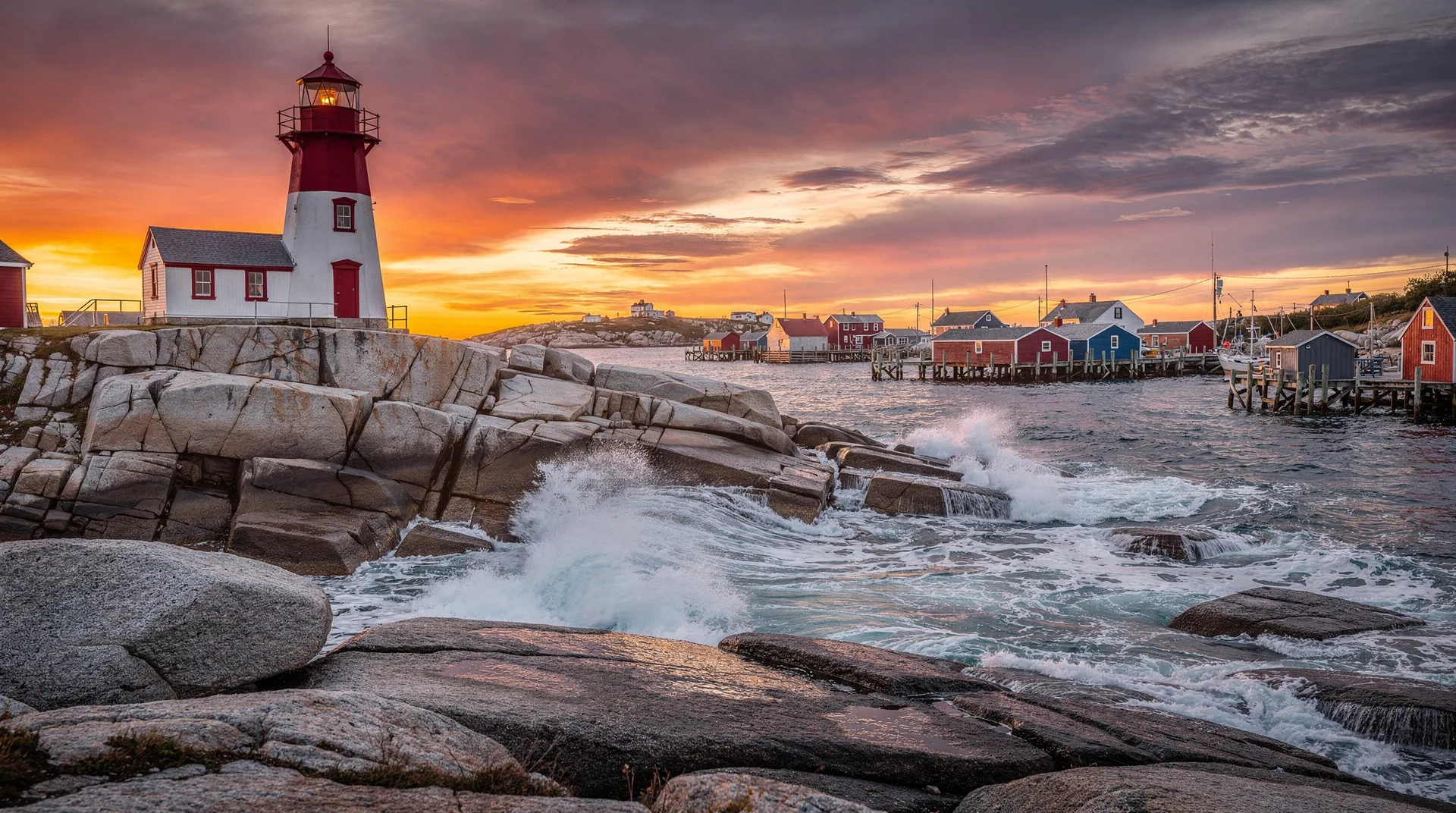
Nova Scotia, the “New Scotland” named by Sir William Alexander in 1621, is the most populous Atlantic province and the most visited. A narrow peninsula joined to the continent by a short neck of land at the New Brunswick border, plus the attached island of Cape Breton, the province offers a kilometre of coastline for every fifty square kilometres of land — more shoreline per capita than almost anywhere else on Earth. It is also the best-organized province in Atlantic Canada for a road-trip visitor, with scenic routes clearly signed, accommodation abundant along the coasts, and distances between highlights that are genuinely manageable.
Halifax and the approach from the sea
Halifax, the provincial capital and regional metropolis (450,000 in the wider metro area), is the city around which most Atlantic Canada trips are built. Founded as a British naval garrison in 1749, it grew into one of the continent’s great deep-water harbours and became, through the nineteenth and twentieth centuries, the point of arrival for waves of immigration and the staging port for two world wars.
Today the waterfront boardwalk, the star-shaped Citadel on its central hill, the Maritime Museum of the Atlantic (with its Titanic collection and exhibit on the catastrophic 1917 Halifax Explosion), and a restaurant scene anchored by extraordinary seafood at prices that feel almost historical by Toronto standards make Halifax one of the most rewarding city stops in Canada.
The South Shore and the Lighthouse Route
From Halifax, Highway 333 and Highway 103 run southwest along the famous Lighthouse Route. Peggys Cove, 44 kilometres out, is the most photographed lighthouse in Canada — a white tower perched on wave-smoothed granite boulders above a tiny fishing village of perhaps forty people. Continue an hour further and Lunenburg, a UNESCO World Heritage Site, presents the best-preserved planned British colonial settlement in North America: a grid of coloured wooden buildings stepping down steep streets to a working waterfront where the Bluenose II, Canada’s most celebrated schooner, is homeported.
A few minutes further along the coast, Mahone Bay is famous for the composition of three nineteenth-century churches reflected together in the sheltered bay — one of Nova Scotia’s signature photographs. The whole Lighthouse Route continues south through Liverpool and Shelburne toward Yarmouth, the Acadian-influenced port town at the province’s western tip that serves as the terminal for the seasonal ferry from Bar Harbor, Maine.
The Annapolis Valley and the Fundy shore
Nova Scotia’s Bay of Fundy coast is quieter than the South Shore and rewards visitors who take the time. Wolfville, a university town in the Annapolis Valley, sits at the heart of Nova Scotia’s emerging wine country — a handful of excellent cool-climate wineries, cider producers, and farm-to-table restaurants that have earned the valley comparisons (moderate, not hyperbolic) to Oregon’s Willamette.
Digby on the western Fundy shore is world-famous for its scallops, which are pan-seared to perfection at every waterfront restaurant, and is the terminal for the ferry across to Saint John, New Brunswick. Annapolis Royal, the former French colonial capital of Acadia and one of the oldest continuously settled European towns in North America, has preserved more seventeenth- and eighteenth-century history than any other community in Atlantic Canada.
Inland, Kejimkujik National Park (universally “Keji”) protects an inland landscape of mixed Acadian forest, lakes, and Mi’kmaq cultural sites — excellent for canoeing, wilderness camping, and Dark Sky Preserve astronomy. Along the Eastern Shore east of Halifax, Sherbrooke Village is a reconstructed 1860s Nova Scotia village where costumed interpreters demonstrate the trades of the shipbuilding era — a living-history experience genuinely engaging for adults and children alike.
Cape Breton Island
Cape Breton, linked to the mainland by the Canso Causeway, is the reason many visitors come to Nova Scotia. The Cabot Trail, circling the northern highlands for 298 kilometres, is among the great coastal drives of the world — sea cliffs, highland moors, Acadian fishing villages, Celtic music halls, and a national park of boreal wilderness that holds moose, bald eagles, and the occasional pilot whale offshore.
Baddeck, on the shore of the inland sea Bras d’Or Lake, is the traditional start and end of the Cabot Trail loop and the summer home, for the last thirty-seven years of his life, of Alexander Graham Bell — the Alexander Graham Bell National Historic Site above the village is one of the most engaging single-subject museums in Canada.
Cape Smokey on the eastern side of the trail offers a gondola ride to a ridgetop with 360-degree views over the Atlantic and the Cape Breton Highlands. Pleasant Bay, on the northwest coast, is the main departure point for whale-watching tours onto the rich waters of the Cabot Strait where pilot whales and minke whales concentrate in summer.
Louisbourg, on the southeast coast, preserves the reconstructed French fortress that fell twice to British attack in the eighteenth century and is today the largest historical reconstruction in North America — staff in period costume reenact the daily life of an eighteenth-century French colonial town with a completeness that feels like time travel. Sydney, the island’s largest community, is the embarkation point for ferries to Newfoundland and the gateway for cruise-ship arrivals.
Find Cape Breton Cabot Trail tours and experiences on GetYourGuideNew Brunswick
New Brunswick is the quiet sibling of the Atlantic provinces — less visited than Nova Scotia, less photographed than PEI, and less mythologized than Newfoundland. That is almost entirely to its advantage. The province holds the highest tides on the planet, the oldest French-speaking community in North America outside Quebec, two national parks, a chain of Fundy coastal islands reachable only by ferry, and a string of nineteenth-century river towns built on the lumber and shipbuilding trades. It is also the land crossing between Quebec and the rest of the Maritimes, which means most road-trippers pass through — but not always through at a pace that does the province justice.
The Saint John River valley
Fredericton, the provincial capital, sits on the broad Saint John River among elm-lined streets and gracious brick buildings that evoke a provincial English county town. The Beaverbrook Art Gallery holds a surprisingly good collection (including a Dali and works by most of the Group of Seven), the historic garrison district preserves the military history of the Loyalist era, and the riverside walking trails run for kilometres along both banks.
Downriver, Saint John (population 70,000, always called “Saint John” in full to distinguish it from Newfoundland’s St. John’s) is New Brunswick’s industrial port and the oldest incorporated city in Canada, with a striking nineteenth-century downtown, the spectacular Reversing Falls where the Fundy tide reverses the St. John River’s flow twice a day, and a revitalized harbour-front that rewards an afternoon.
The Fundy coast
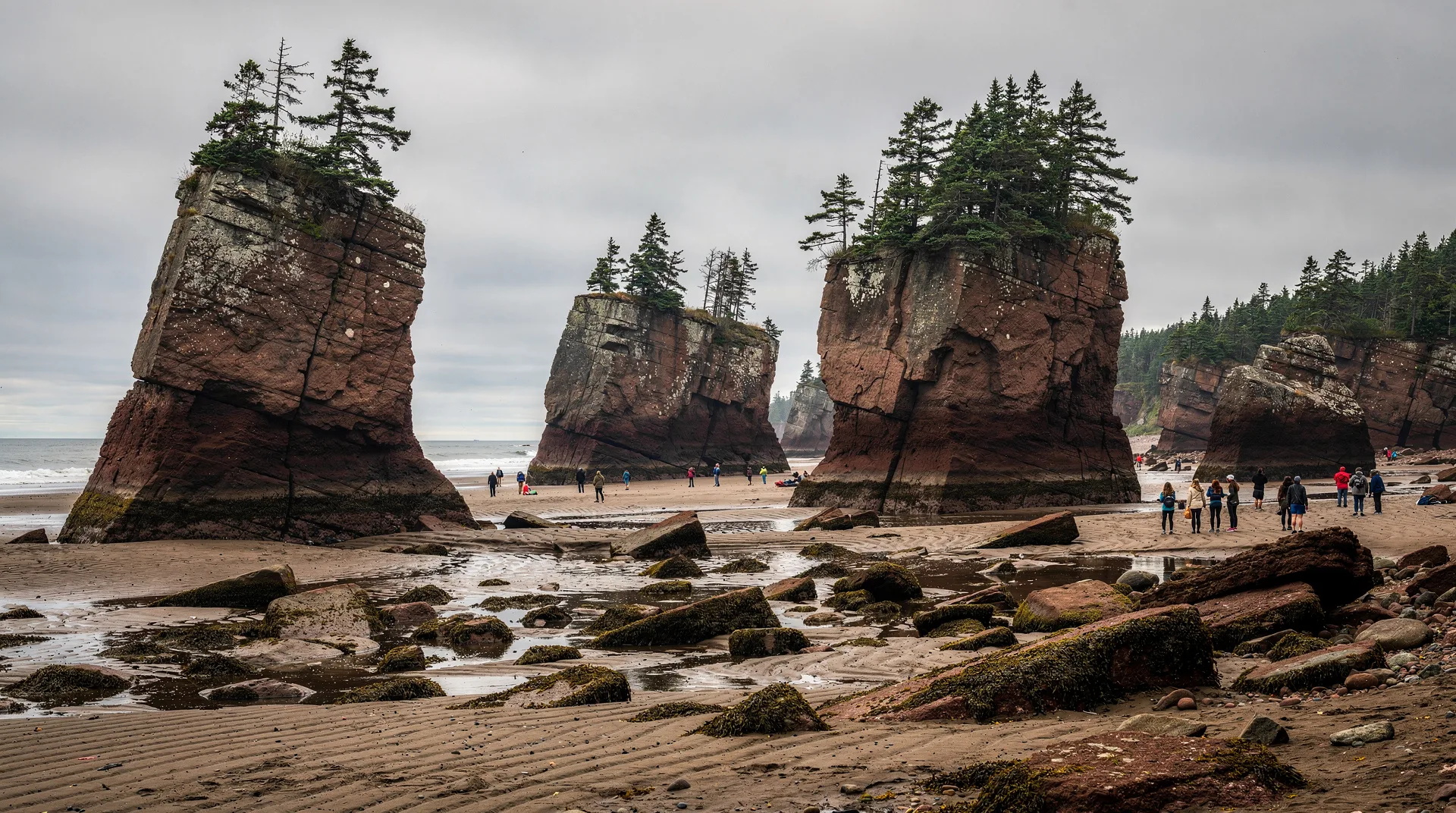
The Bay of Fundy, shared with Nova Scotia, is New Brunswick’s landscape signature. Tides here rise and fall up to 16 metres twice daily — the highest tidal range on Earth — and the effects are most dramatic at Hopewell Rocks, where massive limestone sea stacks emerge at low tide from the exposed sea floor. Walking among the “flowerpot rocks” on the ocean bed — in an environment that will lie beneath metres of water six hours later — is one of the genuinely unique experiences in Canada.
Moncton, twenty minutes inland, is New Brunswick’s busiest tourism base and the only officially bilingual city in Canada: the Petitcodiac tidal bore surges past the downtown twice daily and Magnetic Hill (an optical illusion where cars appear to roll uphill) still draws amused visitors. Shediac, on the Northumberland Strait a half-hour north, calls itself the “Lobster Capital of the World” with some justification — the mid-July Lobster Festival is a decisive argument.
On the western Fundy shore, St. Andrews by-the-Sea is the most complete Loyalist-era resort village in Atlantic Canada, a nineteenth-century summer retreat with the landmark Algonquin Resort hotel, excellent whale-watching boats departing the town wharf, and a walkable grid of painted shingle houses.
Grand Manan Island, reached by a 90-minute ferry from Blacks Harbour, is a self-contained island community of fishing villages and 90-metre sea cliffs where right whales are seen in unmatched concentrations in summer. Campobello Island, further south along the Fundy entrance, holds the FDR Roosevelt International Park — the summer home of President Franklin D. Roosevelt and a jointly administered Canadian-American historic site.
The Acadian coast
The eastern and northern shore of New Brunswick along the Gulf of St. Lawrence is Acadian country — the descendants of French settlers who arrived in the seventeenth century, were brutally deported in 1755 (the Grand Derangement), and eventually returned to establish the communities that still speak the distinctive Acadian dialect of French. Kouchibouguac National Park on this coast protects a landscape of barrier beaches, salt marshes, and sheltered lagoons where grey seals haul out, piping plovers nest, and some of the warmest saltwater swimming in Atlantic Canada is reliably available on the dune beaches from mid-July.
Explore New Brunswick Bay of Fundy tours and experiencesPrince Edward Island
Prince Edward Island is Canada’s smallest province — a crescent-shaped island in the Gulf of St. Lawrence, 280 kilometres long, 60 kilometres at its widest, connected to New Brunswick by the 12.9-kilometre Confederation Bridge and to Nova Scotia by the summer ferry at Wood Islands.
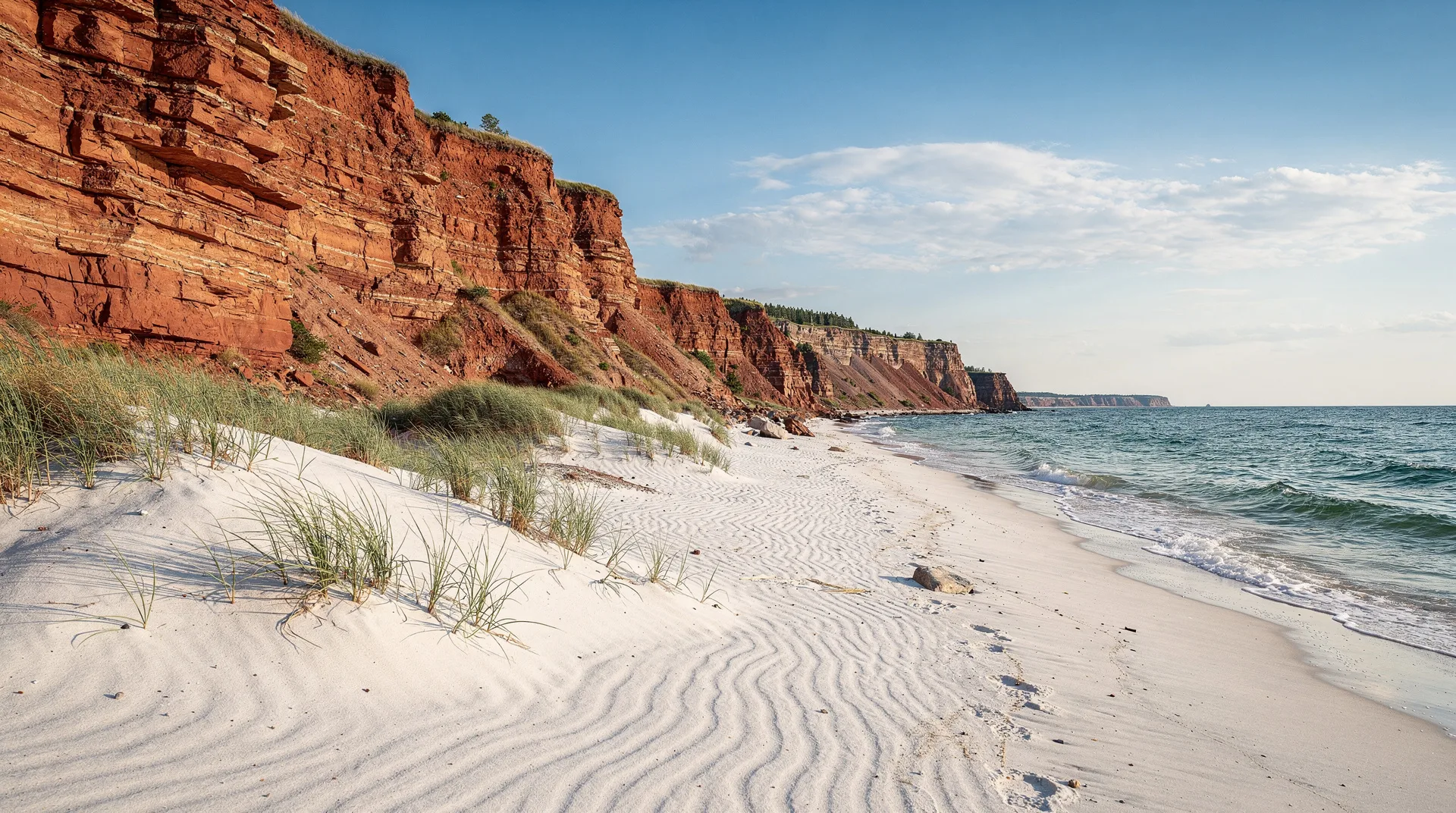
The landscape is singular in Canada: rust-red sandstone cliffs, emerald potato fields, long white beaches on the Gulf shore, and the sheltered estuaries that have made PEI oysters — Malpeque especially — internationally famous. The pace is deeply agricultural. The scale is personal. And the cultural identity is disproportionate to the island’s size, anchored by lobster suppers, a disproportionately large music and theatre scene, and the enduring worldwide popularity of Lucy Maud Montgomery’s Anne of Green Gables.
Charlottetown, the provincial capital and PEI’s only city (population 40,000), is the cradle of Canadian Confederation — the founding delegates of Canada met here in 1864, and Province House, the legislature building where they negotiated, is preserved as a National Historic Site. The compact downtown, with painted wooden houses, excellent restaurants, and the waterfront arts district at Peakes Quay, is walkable end to end in an afternoon. The Confederation Centre of the Arts hosts the long-running Anne of Green Gables: The Musical, now past its sixtieth consecutive summer season.
North of Charlottetown, Cavendish is the heart of Anne-of-Green-Gables country. The Green Gables Heritage Place, the farmhouse that inspired Montgomery’s imagination, is now a Parks Canada site visited by pilgrims (the Japanese reverence for Anne is particularly touching). The surrounding beaches of Prince Edward Island National Park — long, unbroken white sand backed by red cliffs — are among the finest in eastern Canada. The Anne of Green Gables circuit connects the various Montgomery-related sites across the central and northern part of the island and rewards a full day’s exploration for anyone with a connection to the books.
For food-focused visitors, the PEI Culinary Trail threads together the island’s oyster wharves, lobster-supper church halls, farm shops, distilleries, and fine-dining restaurants — an organising framework for one of the most serious food destinations in Atlantic Canada. The ritual lobster supper, typically served at a community hall with rolls, mussels, chowder, and strawberry shortcake for a fixed price, is a PEI institution no visitor should miss.
Book the Charlottetown and Prince Edward Island small-group tourNewfoundland and Labrador
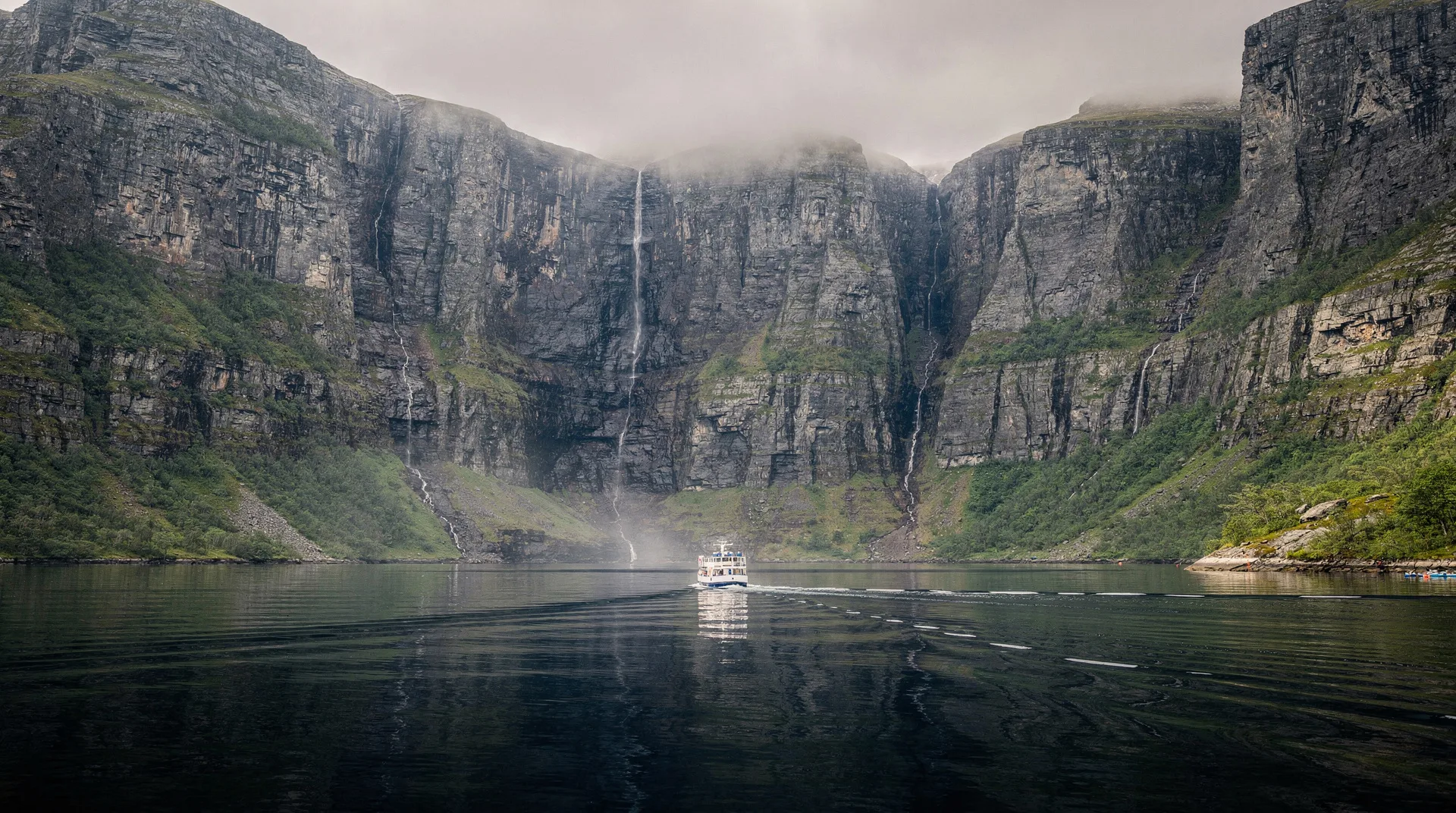
Newfoundland and Labrador is the strangest, most distinctive, and most rewarding province in Atlantic Canada. Separated from the mainland by the Strait of Belle Isle and the Cabot Strait, it joined Canada only in 1949 — later than Hawaii joined the United States — and still feels, in accent and attitude, like a place slightly apart. The island of Newfoundland is roughly the size of England. Labrador on the mainland is four times larger again but almost unpopulated. The geography alone requires planning: distances are long, the weather is changeable, and the season for comfortable travel is short. The rewards are proportionate.
St. John’s and the Avalon Peninsula
St. John’s, the provincial capital, is the oldest city in North America — founded as a seasonal fishing port by Portuguese, English, and French fishermen before 1500 and continuously settled since at least 1583. The modern city of 110,000 people occupies a steep natural amphitheatre above a narrow harbour entrance guarded by Signal Hill, where Guglielmo Marconi received the world’s first transatlantic wireless signal in 1901.
Jelly Bean Row — the brightly painted row houses of the downtown — is genuinely photogenic, George Street holds the highest concentration of pubs per capita in Canada, and the restaurants have quietly become among the most interesting in the country, reinterpreting Newfoundland traditional ingredients (cod, moose, partridgeberry) with a contemporary sensibility.
The Northern Peninsula and Gros Morne
The west coast of Newfoundland is the other essential Newfoundland region. Gros Morne, a UNESCO World Heritage Site on the Northern Peninsula, is the most geologically significant national park in Canada — the Tablelands expose ancient ocean mantle rock at the surface (a Martian-looking orange plateau toxic to most plants), and Western Brook Pond is a landlocked fjord with 600-metre cliffs that are the tallest in eastern North America. The two-hour boat tour up the fjord, beneath those cliffs, is one of the signature Canadian experiences.
At the northern tip of the Northern Peninsula, L’Anse aux Meadows is the only confirmed Norse settlement in North America — the site where Leif Eriksson’s Greenlanders landed around 1000 CE and built eight turf-sod buildings whose remains were excavated in the 1960s. Also a UNESCO site, it is operated by Parks Canada with reconstructed longhouses, costumed Viking interpreters, and a powerful sense of standing at the exact place where European and North American history first briefly touched.
Bonavista, Trinity, and the central coast
Bonavista, on the eponymous peninsula facing the open Atlantic, is where John Cabot is said to have made landfall in 1497 — the landing site is marked with a statue and a lighthouse on a dramatic headland where puffins nest on an offshore rock in summer. Nearby Trinity is arguably the most photogenic fishing village in Newfoundland, a preserved community of saltbox houses on a protected harbour that has served as the location for multiple period films. The Rising Tide theatre company’s summer season, staged outdoors in the village, is an institution.
Further west along the coast, Twillingate calls itself the “Iceberg Capital of the World” and has the boat-tour infrastructure to back up the claim — icebergs drift down the Labrador Current and past the north coast of Newfoundland from late April through early July, and Twillingate is the most reliable viewing base. Fogo Island, reached by ferry from Farewell, has become internationally famous in the last decade through the radical Fogo Island Inn — a contemporary luxury hotel built to a design of striking modern architecture on a historic outport, with the profits directed back into the island’s community.
Gander, inland on the Trans-Canada Highway, is the aviation town made world-famous by the events of September 11, 2001 — when 38 inbound transatlantic flights were diverted to its oversized airport and the local community of 10,000 absorbed nearly 7,000 stranded passengers with a hospitality that became the subject of the Broadway musical Come From Away.
Labrador
Labrador, the mainland portion of the province, is a wilderness essentially untouched by mass tourism. For those who make the effort, Torngat Mountains National Park in northern Labrador is the ultimate Canadian wilderness destination — a range of ancient mountains rising directly from the sea, caribou herds, polar bears, Inuit cultural sites, and a base camp accessible only by charter flight. It is not a casual visit. It is a genuine expedition. It is also one of the last Canadian landscapes of a scale and remoteness matched only by the High Arctic.
Browse Newfoundland and Labrador tours and nature experiencesBest things to do in Atlantic Canada
Drive the Cabot Trail
The Cabot Trail around Cape Breton’s northern highlands is the definitive Atlantic Canada road trip — a 298-kilometre loop through coastal cliffs, Acadian fishing villages, and Celtic music country. Allow two full days minimum, ideally three, with overnight stops in Cheticamp and Ingonish. The western descent through French Mountain into the Cheticamp valley and the eastern climb over North Mountain into Pleasant Bay are the scenic highlights.
Walk the ocean floor at Hopewell Rocks
At low tide in the Bay of Fundy, the limestone sea stacks at Hopewell Rocks emerge from the water to reveal an alien landscape of flowerpot-shaped columns 15 metres tall. Walking among them on the exposed sea bed — knowing that six hours later the same ground will lie beneath 12 metres of seawater — is genuinely surreal. The on-site tidal schedule dictates timing.
Boat up Western Brook Pond
The two-hour boat tour up the landlocked fjord of Western Brook Pond in Gros Morne is Newfoundland’s most-photographed landscape for a reason — the 600-metre cliffs, the waterfalls dropping from the plateau edge, the sense of scale against a small tour boat. Book weeks ahead in July and August.
Watch icebergs and whales on the Newfoundland coast
Late spring (late April through June) is iceberg season; summer (June through September) is whale season. Twillingate is the prime iceberg base. St. Anthony and the Northern Peninsula rival it. For whales, the boat tours out of Pleasant Bay in Cape Breton, Brier Island in Nova Scotia, and Grand Manan Island in New Brunswick’s Fundy are the regional highlights.
Eat a lobster supper on PEI
The classic Prince Edward Island lobster supper — at a community hall or a rural restaurant, with rolls, mussels, chowder, a full boiled lobster, and strawberry shortcake — is a ritual as much as a meal. New Glasgow Lobster Suppers and St. Ann’s Lobster Suppers are the two institutional choices on the island.
Explore a UNESCO town and a UNESCO fjord in the same week
Lunenburg on Nova Scotia’s South Shore and Gros Morne on Newfoundland’s west coast are Atlantic Canada’s two UNESCO World Heritage Sites. Combining both in a single two-week itinerary — ideally with L’Anse aux Meadows, the region’s third UNESCO site — makes for one of the most complete cultural-natural trips in the country.
Sail on the Bluenose II
When the replica of Canada’s most celebrated schooner is in home port at Lunenburg, two-hour harbour sails run twice daily in summer. Book in advance — they sell out.
Hike the Skyline Trail in Cape Breton Highlands
The short, dramatic Skyline Trail in Cape Breton Highlands National Park culminates at a headland boardwalk 300 metres above the Cabot Trail below — one of the most celebrated viewpoints in Atlantic Canada and an excellent place to spot pilot whales in the strait at sunset.
When to visit
June is the gentle start of the season. Iceberg viewing in Newfoundland peaks in late May and into June. Whale-watching tours begin on the Fundy and Cape Breton coasts. Lobster season is in full swing in PEI and eastern Nova Scotia. The weather is variable and occasionally cool, but accommodation prices have not yet reached peak and the crowds are thin.
July and August are the peak of Atlantic Canada summer. All boat tours, guided hikes, and interpretive centres are operating at full capacity. The beaches of PEI and Kouchibouguac reach comfortable swimming temperature. Rural festivals — folk music in Lunenburg, Celtic Colours in Cape Breton, lobster carnivals in Shediac and elsewhere — fill the calendar. Book accommodation three to six months ahead for Cape Breton, PEI, and Gros Morne in this window.
September and early October are arguably the finest weeks of the year. The crowds have thinned, the sea remains warm, and the hardwood foliage on the Cabot Trail and through the Annapolis Valley turns gold and red against the coastal blue. The Celtic Colours International Festival across Cape Breton in October is one of Canada’s major roots-music events.
Late October through April is genuine off-season. Storms are frequent, particularly in Newfoundland. Many tourism businesses close for the season. It is not a casual visit — but for those with winter-specific goals (cross-country skiing in Cape Breton, snowshoeing in Kejimkujik, the quiet drama of a Maritime coast in winter light) it can be rewarding.
Getting around
Airports and arrival
Halifax Stanfield International Airport (YHZ) is the primary regional hub, with direct flights from Toronto, Montreal, Ottawa, most major US cities, and London Heathrow. St. John’s International Airport (YYT) handles most Newfoundland arrivals; Deer Lake Regional (YDF) is the closer airport for Gros Morne. Charlottetown (YYG), Moncton (YQM), and Fredericton (YFC) all have daily service from Toronto and Montreal.
The rental car is essential
Public transit between Atlantic Canadian communities is minimal and in many places non-existent. A rental car is effectively required for any itinerary that moves beyond a single city. Reserve well in advance in peak season — Halifax in July and August routinely runs short of rental vehicles, and rates spike sharply.
Driving the Cabot Trail
The Cabot Trail is a paved, well-maintained highway that any standard passenger vehicle can drive comfortably. Sections are steep and winding — particularly the climbs over French Mountain, MacKenzie Mountain, and North Mountain — and the posted speed limits reflect reality. Drive the loop in whichever direction you prefer; counter-clockwise (Baddeck to Cheticamp first) keeps you on the inland side of the road and out of traffic on the most dramatic clifftop sections, which some travellers prefer. The full loop is two days minimum, three days preferably.
Ferries
Ferry services knit the region together. Northumberland Ferries runs Caribou, Nova Scotia to Wood Islands, PEI (75 minutes, summer only) — a pleasant alternative to the Confederation Bridge. Marine Atlantic runs North Sydney, Nova Scotia to Port aux Basques, Newfoundland (seven to eight hours, year-round) and to Argentia (longer, seasonal). Bay Ferries runs Digby, Nova Scotia to Saint John, New Brunswick (two hours, year-round) and the seasonal CAT ferry from Yarmouth to Bar Harbor, Maine. Smaller ferries reach Grand Manan, Campobello, Fogo Island, and the outer Newfoundland coast — all play their own roles in a well-planned trip.
The Confederation Bridge
The 12.9-kilometre Confederation Bridge from Cape Jourimain, New Brunswick to Borden-Carleton, PEI is one of the longest bridges over ice-covered waters in the world. It is free to enter the island. You pay the toll (approximately CAD $51 for a standard vehicle in 2026) only when you leave. Plan logistics accordingly.
Distances are deceptive
Atlantic Canada looks compact on a map and drives much slower in reality. Halifax to St. John’s is over 1,500 kilometres of driving plus an overnight ferry crossing. Halifax to Charlottetown is three hours. Halifax to Gros Morne is two full days. Underestimating driving times is the single most common planning error in Atlantic Canada.
Suggested itineraries
7 days: Nova Scotia and PEI core
Day 1: Arrive Halifax — waterfront boardwalk, Citadel Hill, seafood dinner. Day 2: South Shore — Peggys Cove, Lunenburg UNESCO town, overnight on the South Shore. Day 3: Wolfville and Annapolis Valley wine country, continue to Annapolis Royal.
Day 4: Drive to Cape Breton via the Canso Causeway, overnight in Baddeck. Day 5: Cabot Trail — western side through Cheticamp, overnight in Pleasant Bay or Ingonish. Day 6: Complete the Cabot Trail, ferry at Caribou to PEI, overnight in Charlottetown. Day 7: Cavendish and Green Gables, Confederation Bridge out, drive to Halifax for departure.
10 days: Nova Scotia, PEI and New Brunswick’s Fundy
Days 1-4: As the 7-day itinerary above through Lunenburg, the Annapolis Valley, and Cape Breton. Day 5: Complete Cabot Trail, drive to PEI via ferry, overnight Charlottetown. Day 6: Cavendish, Anne of Green Gables, PEI Culinary Trail oysters and lobster supper. Day 7: Confederation Bridge to New Brunswick, overnight in Moncton.
Day 8: Hopewell Rocks at both low and high tide, overnight Shediac or coastal. Day 9: St. Andrews by-the-Sea, whale watching, optional Campobello Island detour. Day 10: Return to Halifax via Saint John or direct, departure.
2 weeks: Full Atlantic Canada including Newfoundland
Days 1-4: Halifax, South Shore, Annapolis Valley, Cape Breton (as above). Day 5: North Sydney to Port aux Basques overnight ferry. Day 6: Drive north along Newfoundland’s west coast to Gros Morne. Day 7: Gros Morne — Tablelands trail, Bonne Bay ferry. Day 8: Western Brook Pond boat tour, Gros Morne Mountain hike. Day 9: Drive to L’Anse aux Meadows, tour the Viking site, overnight St. Anthony area.
Day 10: Return south, overnight in Deer Lake area. Day 11: Cross to Twillingate for icebergs or whales. Day 12: Drive to St. John’s via Gander, optional Trinity and Bonavista detour. Day 13: St. John’s — Signal Hill, harbour, Cape Spear (the easternmost point in North America). Day 14: Fly home from St. John’s (direct to Toronto or Halifax).
Comparing the four provinces
First-time visitors often struggle to decide how to split limited time across four very different provinces. This is a rough guide, not a ranking — each province rewards a different kind of traveller.
| Province | Signature draw | Best for | Realistic minimum |
|---|---|---|---|
| Nova Scotia | Cabot Trail, Lunenburg, Peggys Cove | First-timers, road trippers, seafood lovers | 4-5 days |
| Prince Edward Island | Anne of Green Gables, red-sand beaches, lobster suppers | Families, food-focused travellers, easy pace | 2-3 days |
| New Brunswick | Bay of Fundy tides, Hopewell Rocks, Acadian culture | Tidal phenomena, quieter itineraries | 2-3 days |
| Newfoundland & Labrador | Gros Morne fjords, icebergs, outport culture | Wilderness, geology, a genuinely different Canada | 5-7 days |
Nova Scotia and PEI pair naturally into a single week thanks to the short ferry and bridge connections. New Brunswick’s Fundy coast slots easily onto either end. Newfoundland is logistically separate — it needs its own flight or ferry leg and rewards being treated as a distinct trip rather than an add-on, unless you have two full weeks to work with.
Frequently asked questions about Atlantic Canada
How many days do I need in Atlantic Canada?
Seven days is the minimum for Nova Scotia and PEI combined. Ten days comfortably covers Nova Scotia, PEI, and the New Brunswick Fundy coast. Two weeks allows the addition of Newfoundland — either the west coast and Gros Morne, or a longer loop including St. John’s. Three weeks does the whole region properly. Trying to include Newfoundland in a trip of less than twelve days is not recommended; the logistics eat too much of the available time.
When is iceberg season in Newfoundland?
Iceberg season runs from late April through early July, with peak viewing in late May and early June. The bergs calve from Greenland glaciers, drift south on the Labrador Current, and pass the north and east coasts of Newfoundland. Twillingate is the single most reliable base; the Northern Peninsula around St. Anthony is also excellent. Boat tours get you alongside; the icebergs are also visible from shoreline headlands on clear days. Every year is different — warm winters produce fewer bergs, cold winters produce more.
Is the Cabot Trail drivable in a standard car?
Yes. The Cabot Trail is a fully paved, well-maintained provincial highway drivable in any standard passenger vehicle. No off-road capability or special clearance is needed. The road is occasionally steep (grades up to 13 percent on French Mountain) and narrows in places, but nothing about the route exceeds the capabilities of a normal rental car. Drive in daylight if you can; moose on the road at dusk are a real hazard throughout Cape Breton Highlands National Park.
What is the difference between Acadian and Quebecois French?
Acadians are descendants of French settlers who arrived in Atlantic Canada in the seventeenth century, primarily in what is now Nova Scotia and New Brunswick. Their communities were devastated by the 1755 Grand Derangement — when British authorities forcibly deported an estimated 11,500 Acadians, scattering them across the American colonies, Louisiana (where they became the Cajuns), the Caribbean, and France.
Returning survivors rebuilt communities along the coasts of New Brunswick and eastern Nova Scotia. Acadian French is a distinct dialect, older in origin than standard Quebecois French and preserving certain archaic features from seventeenth-century France. Culturally, Acadians have their own flag, anthem (Ave Maris Stella), and National Day (15 August).
How do I get from Halifax to Newfoundland?
Two routes. By air: direct flights from Halifax to St. John’s (one hour) and to Deer Lake (an hour and a half). By sea: drive four hours from Halifax to North Sydney, Nova Scotia, and take the Marine Atlantic ferry to Port aux Basques (seven-eight hours, overnight service available with cabins) or to Argentia (sixteen hours, seasonal, closer to St. John’s). Most visitors doing a full Atlantic Canada road trip use the ferry outbound and the plane back — this allows a car-based exploration of Newfoundland and avoids the double ferry crossing.
Is PEI accessible year-round?
Yes. The Confederation Bridge is open year-round. Summer (June to September) is peak season with all attractions, lobster suppers, and beach facilities operating. Winter sees most tourism-oriented businesses close, but the island remains fully inhabited and accessible. Shoulder seasons (May and October) offer good weather with much lower crowds, though some smaller operations will be closed.
What is the best single week in Atlantic Canada?
If you have to choose one week, base it in Nova Scotia. Halifax for two days, the South Shore (Peggys Cove, Lunenburg, Mahone Bay) for one day, a ferry to PEI for one day (Charlottetown, Cavendish, a lobster supper), and three days for Cape Breton and the Cabot Trail. This concentrates the most photographed, most culturally distinctive, and most reliable experiences of the region into a single manageable week. Add Newfoundland only if you have a second week available.
What should I eat in Atlantic Canada?
Fresh boiled lobster — especially in May and June at peak season, ideally at a community-hall supper on PEI. Digby scallops, pan-seared in brown butter. Malpeque oysters, raw on the half-shell with mignonette. Nova Scotia seafood chowder, creamy and thick. Halifax donairs (the unofficial food of the city — spiced meat with a sweet condensed-milk sauce, an acquired taste worth acquiring).
In Newfoundland, cod tongues (the small muscle behind the gill, pan-fried in pork fat), fish and brewis (salt cod with hardtack bread, rehydrated and fried with scrunchions), toutons (fried dough served with molasses), and a ceremonial shot of screech rum with the kissing of a cod fish for initiation as an honorary Newfoundlander. Throughout the region, a bowl of chowder at a waterfront cafe on a foggy morning remains the defining Atlantic Canada meal.
Is Atlantic Canada expensive to visit?
It is generally more affordable than Toronto or Vancouver for accommodation and restaurants, though the region is not cheap in absolute terms. Rental cars, ferries, and gasoline are the main cost drivers given the driving distances involved, and prices for both accommodation and car rental spike sharply in July and August. Shoulder-season travel in June or September keeps costs meaningfully lower. See the general Canada budget guide for country-wide pricing context.
Can I visit Atlantic Canada without a car?
Not comfortably beyond Halifax and Charlottetown themselves. Public transit between towns is minimal to non-existent, and the region’s best experiences — the Cabot Trail, Hopewell Rocks, Gros Morne — are far from any bus or rail network. A rental car (see the Canada car rental guide) or a guided multi-day tour is effectively required for any itinerary beyond a single city.
Explore destinations in Atlantic Canada
40 places to discover across the region — from headline cities to hidden villages. Tap a card to dive in.
Nova Scotia16
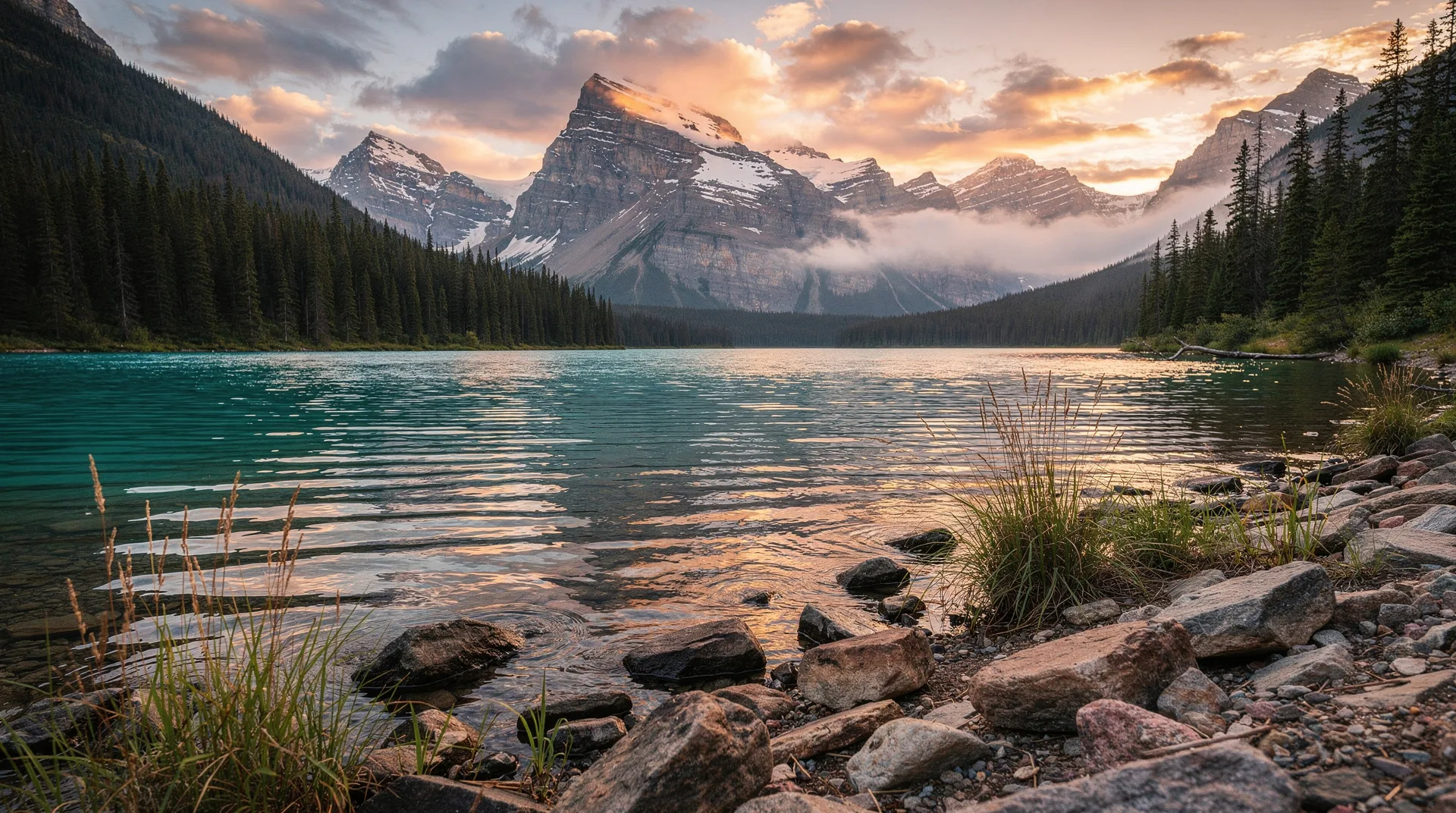
Halifax
Explore Halifax: a lively waterfront, Citadel Hill, world-class seafood, Peggy's Cove day trips, and Nova Scotia's maritime history and charm.
Peggy's Cove
Visit Peggy's Cove: Nova Scotia's iconic lighthouse on granite boulders, 45 minutes from Halifax. Day trip guide, best timing, and practical tips.
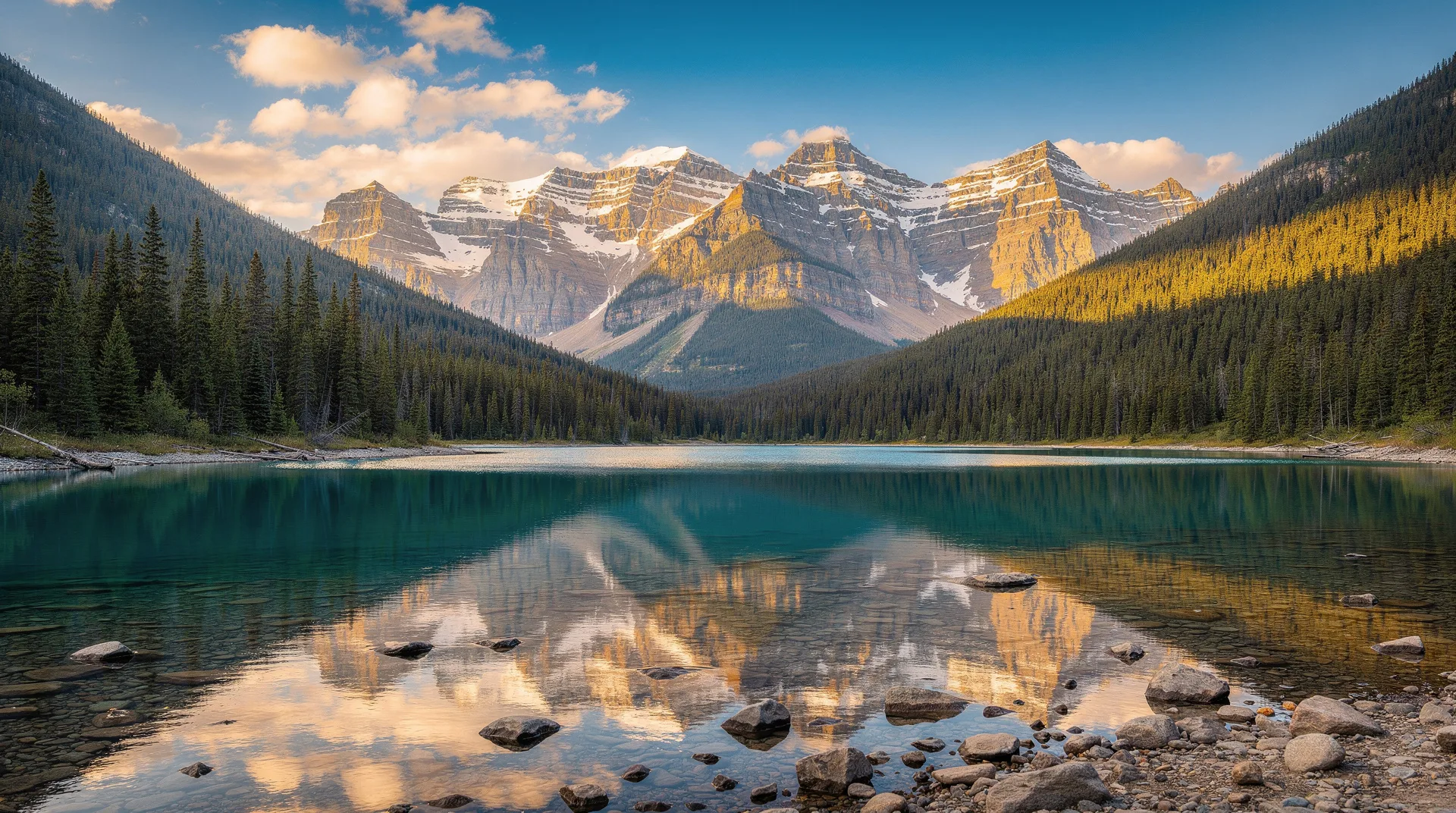
Lunenburg
Discover Lunenburg, Nova Scotia: UNESCO World Heritage old town, Bluenose schooner, colourful heritage streets on the South Shore.
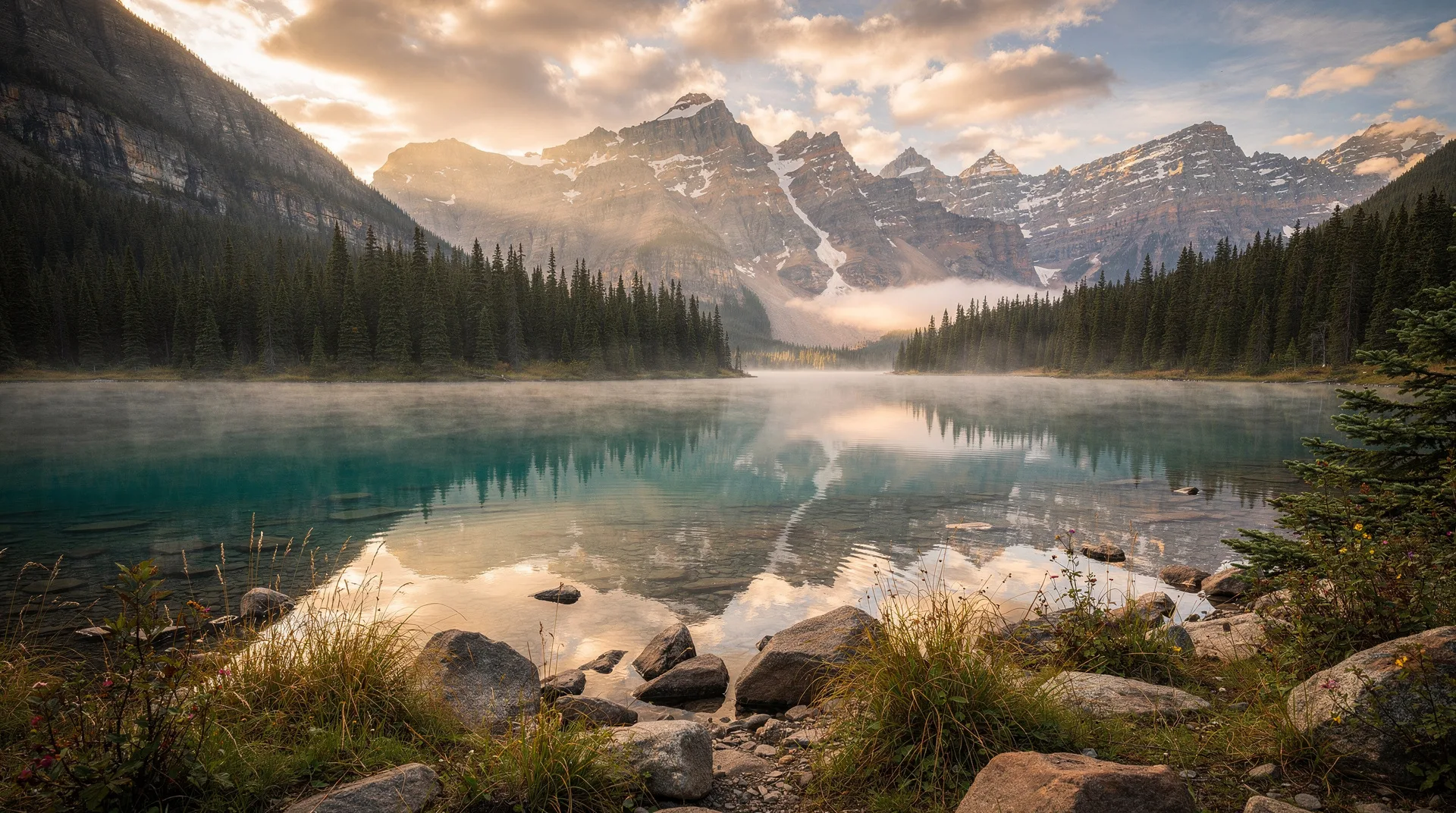
Mahone Bay, Nova Scotia
Mahone Bay's three iconic churches reflected in its harbour, artisan studios, heritage architecture
Wolfville & Nova Scotia Wine Country
Wolfville anchors Nova Scotia's wine country in the Annapolis Valley: Tidal Bay wines, Acadian dykelands, apple orchards
Digby, Nova Scotia
Digby is Nova Scotia's scallop capital: world-famous Digby scallops, Bay of Fundy ferry crossing, dramatic tides, and Annapolis Valley access.
Yarmouth, Nova Scotia
Yarmouth, Nova Scotia — the gateway to the South Shore, Maine ferry terminus, lighthouse heritage and the entry point to Acadian French Shore country.
Annapolis Royal, Nova Scotia
Annapolis Royal is Nova Scotia's oldest town: Fort Anne, North America's only tidal power plant, heritage gardens, and Acadian history on the Bay of Fundy.
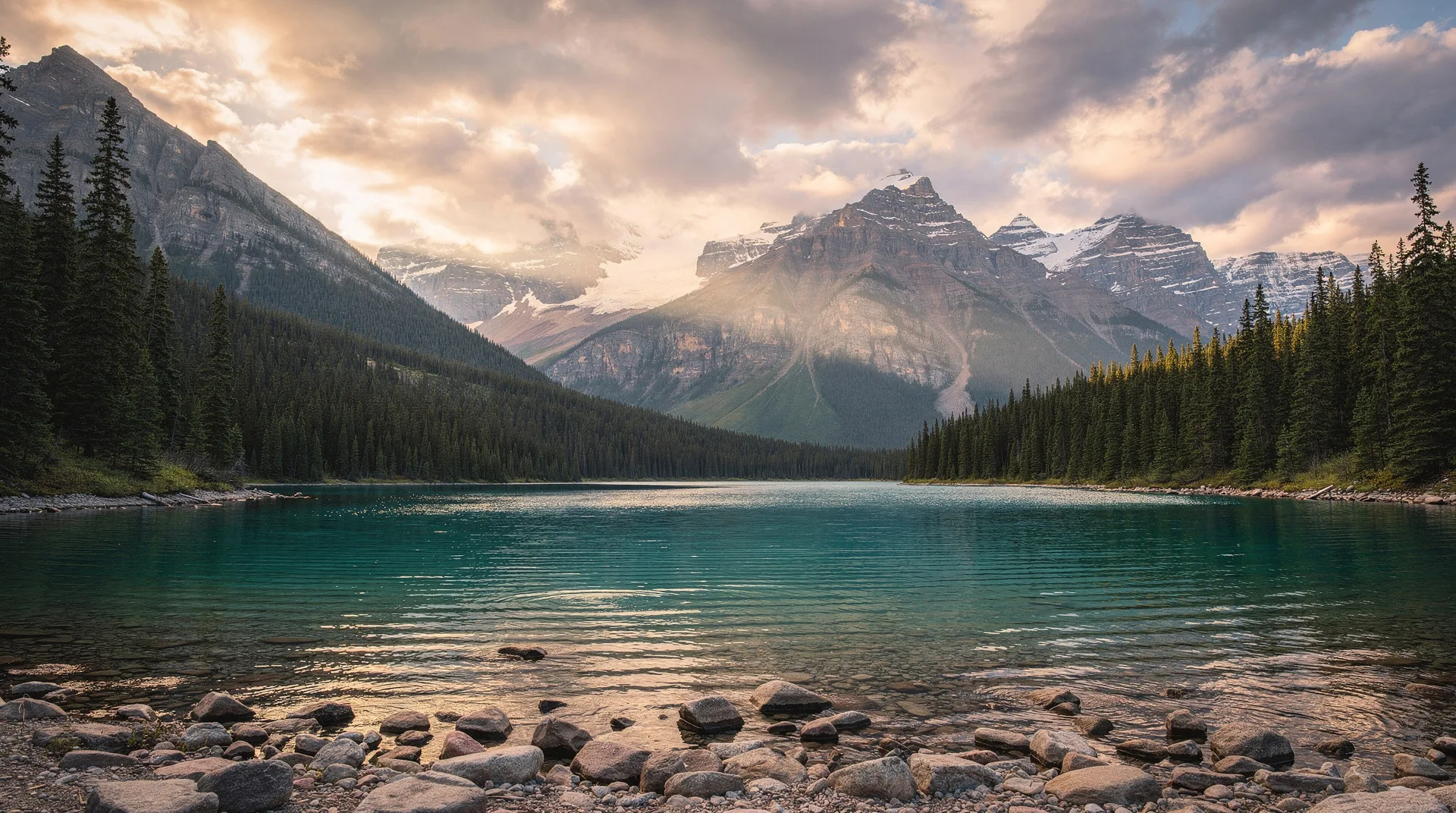
Kejimkujik National Park, Nova Scotia
Kejimkujik National Park — NS inland wilderness: Dark Sky Preserve, canoe routes, petroglyphs and thousands of years of Mi'kmaw heritage.
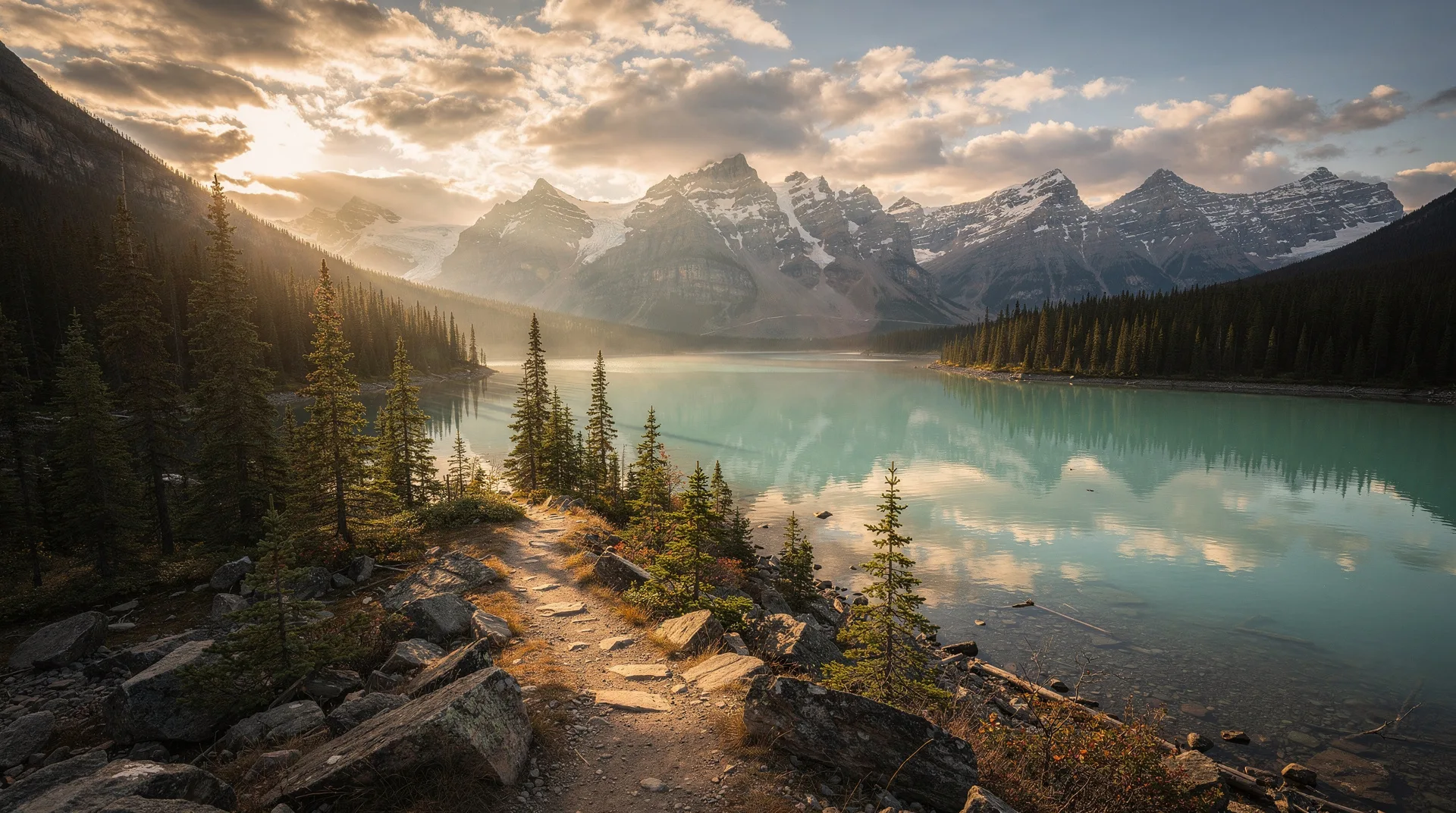
Sherbrooke Village, Nova Scotia
Sherbrooke Village — Nova Scotia's largest living history museum recreating a 1860s-1890s gold rush and shipbuilding community on the Eastern Shore.
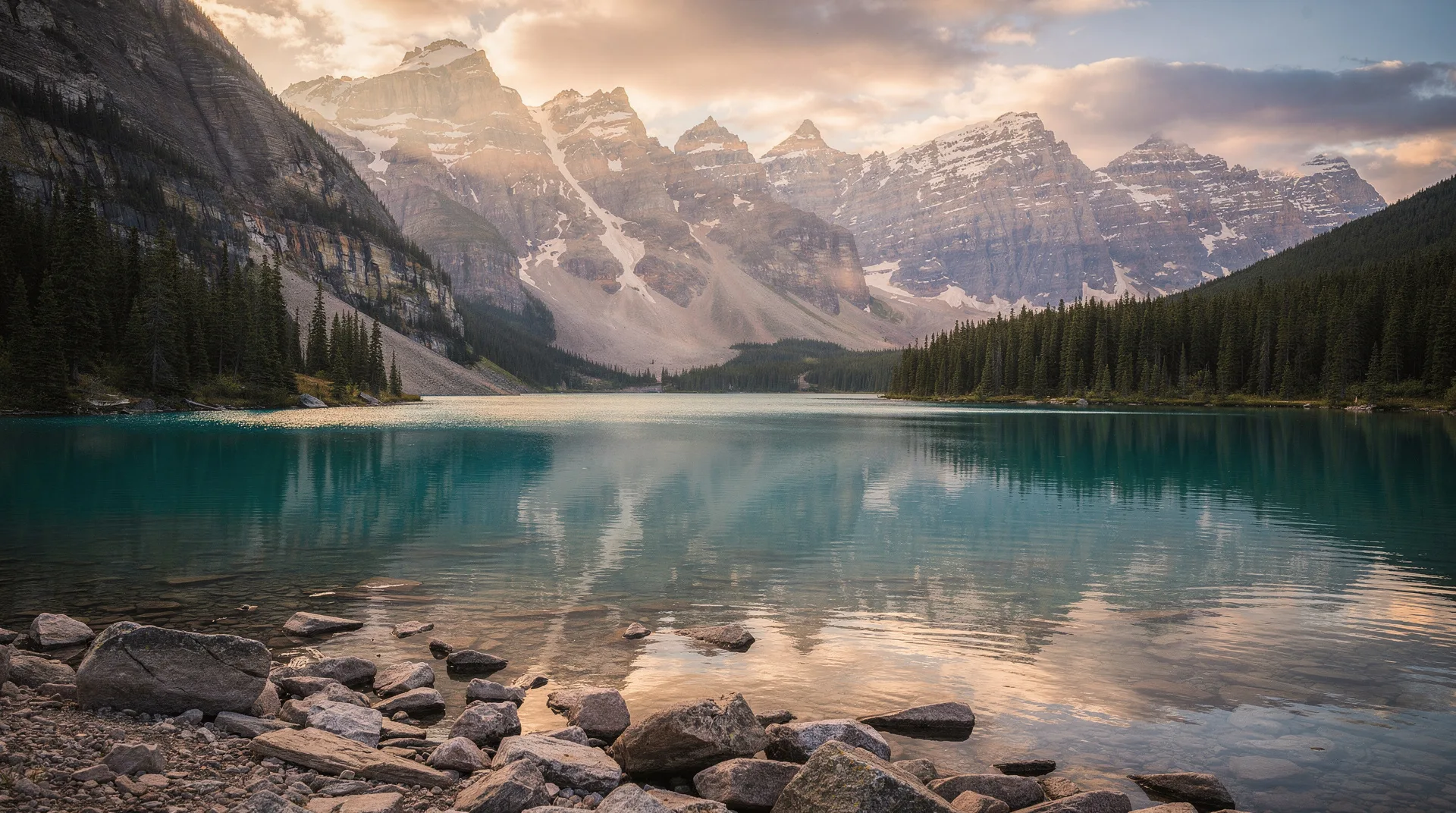
Cape Breton Island
Discover Cape Breton Island: Cabot Trail, Celtic music, Highland scenery, whale watching, and Nova Scotia hospitality.
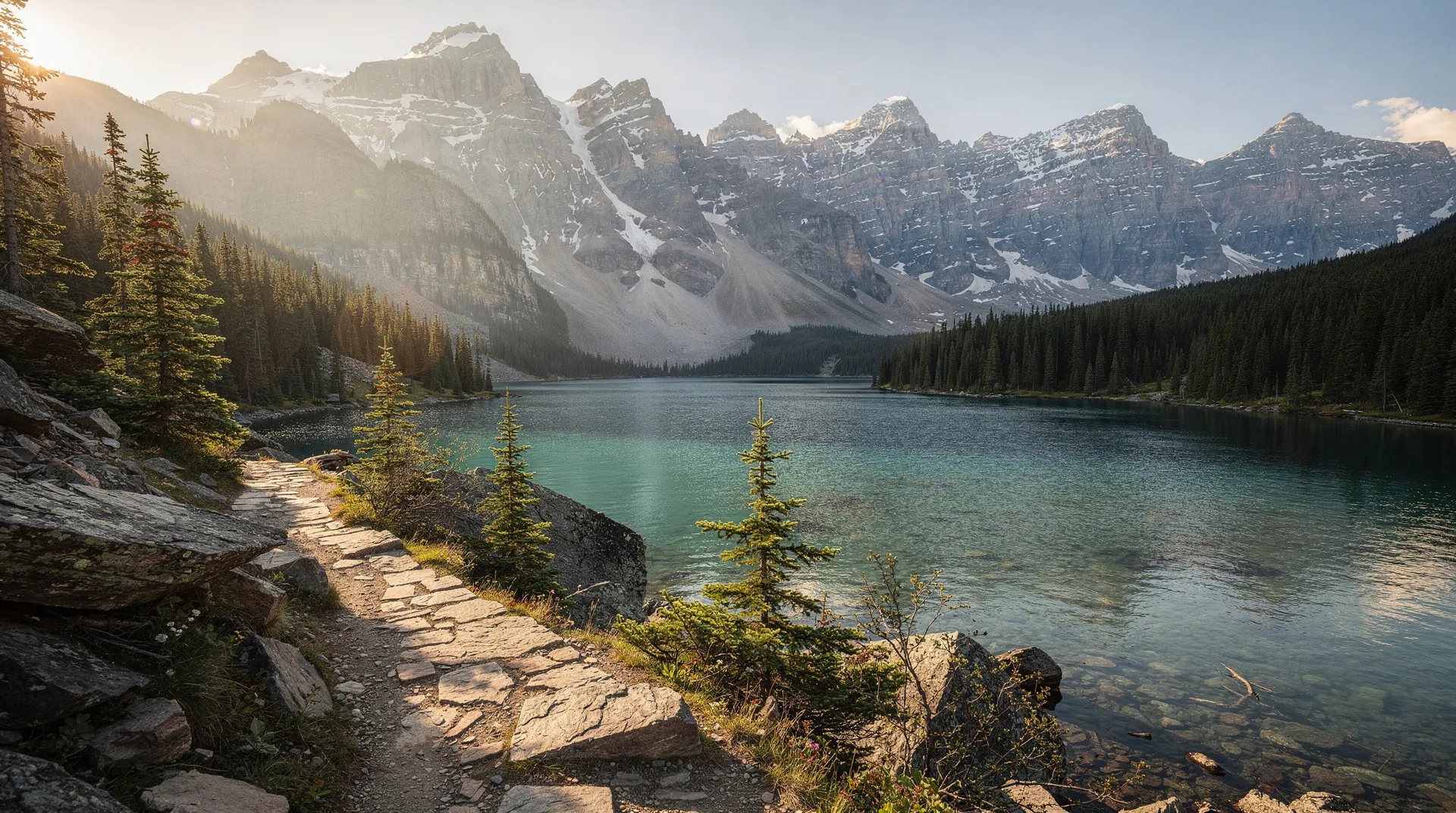
Cape Smokey, Nova Scotia
Cape Smokey offers Cape Breton's most dramatic coastal hiking — a 300-metre climb above the Atlantic with views of the Cabot Trail and Ingonish Bay below.
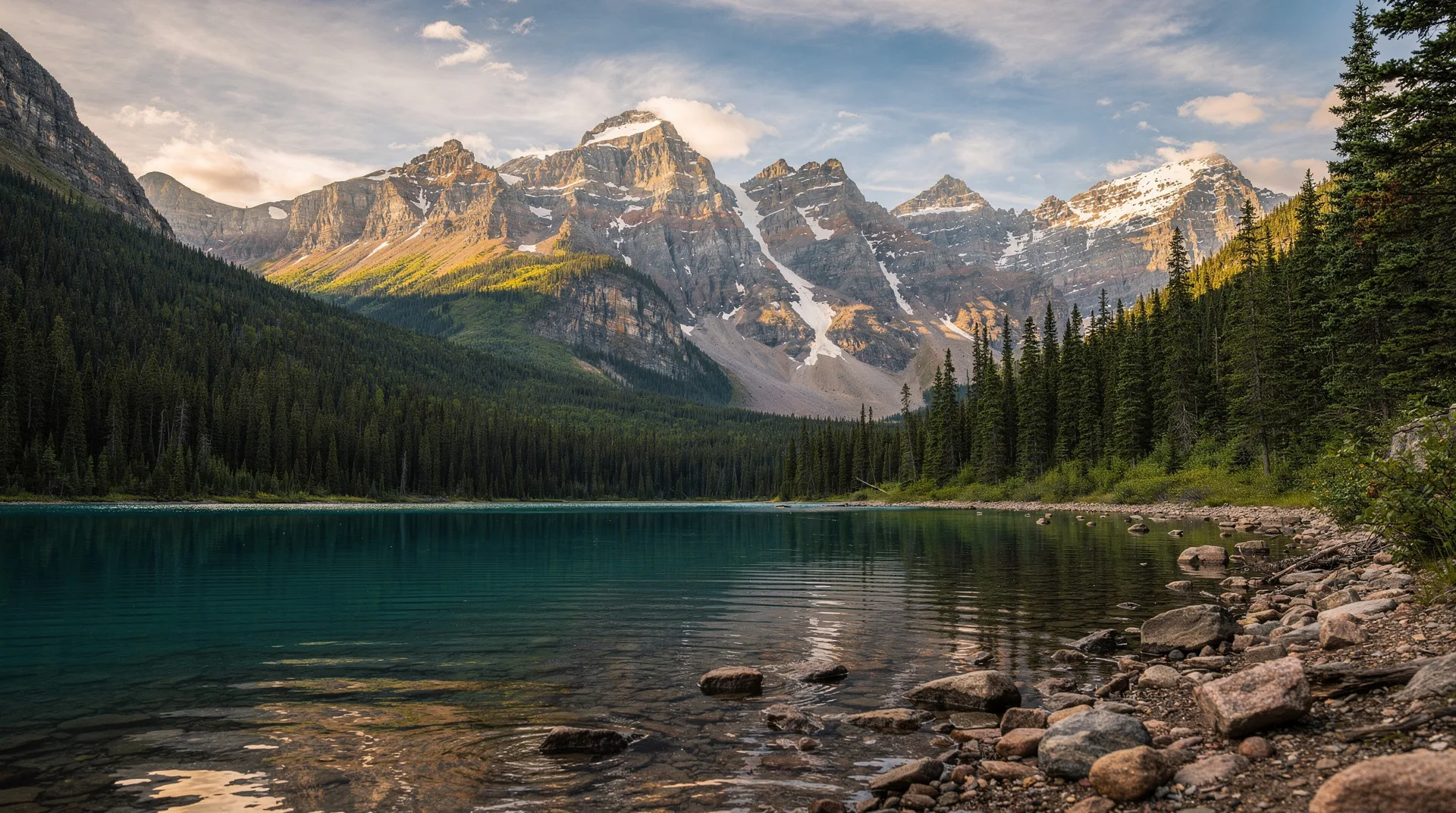
Baddeck, Nova Scotia
Baddeck on the Bras d'Or Lake is Cape Breton's most charming town: Alexander Graham Bell museum, sailing, Cabot Trail access
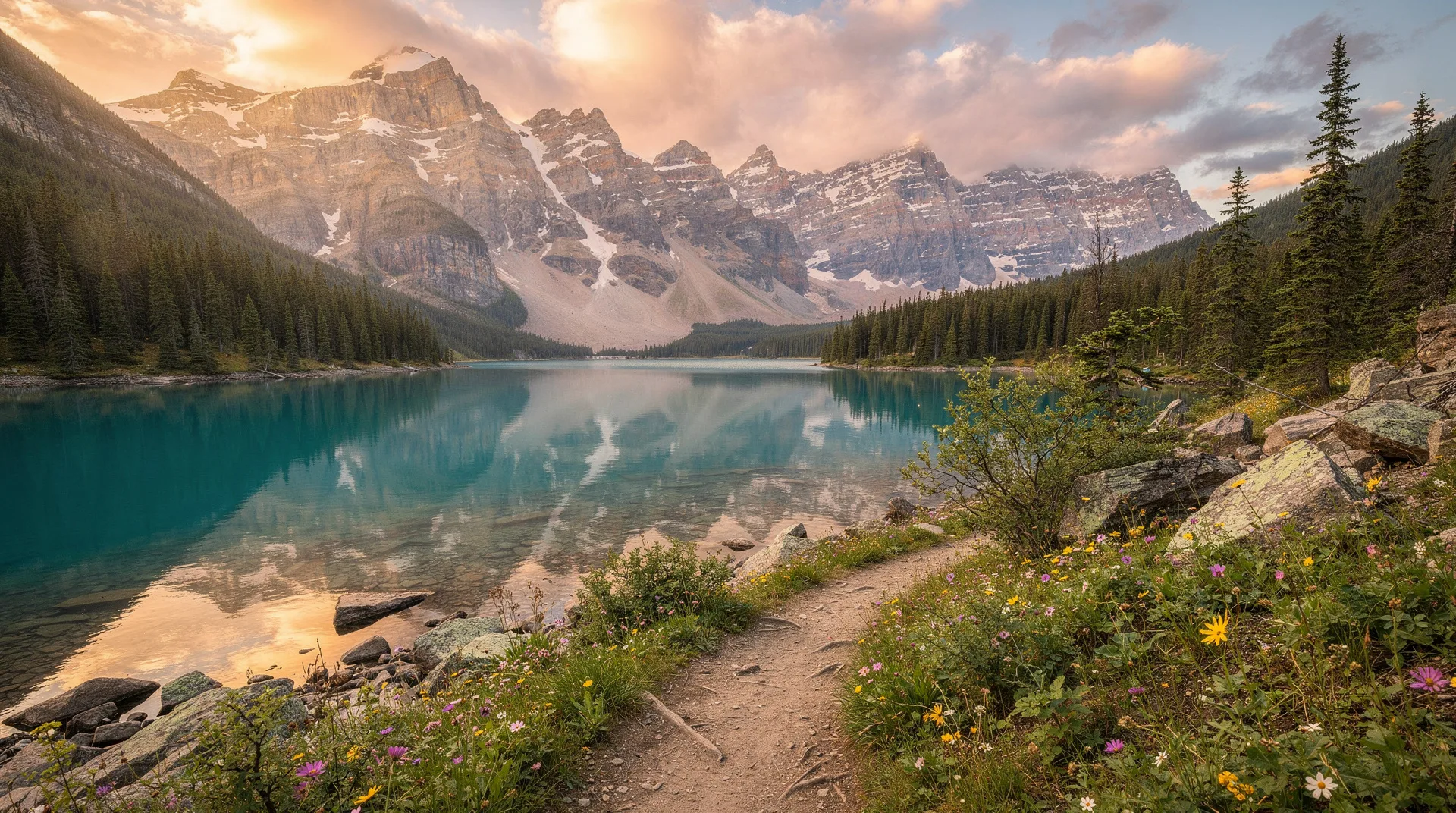
Fortress of Louisbourg, Nova Scotia
The Fortress of Louisbourg is North America's largest historical reconstruction — an 18th-century French colonial town brought back to life on Cape
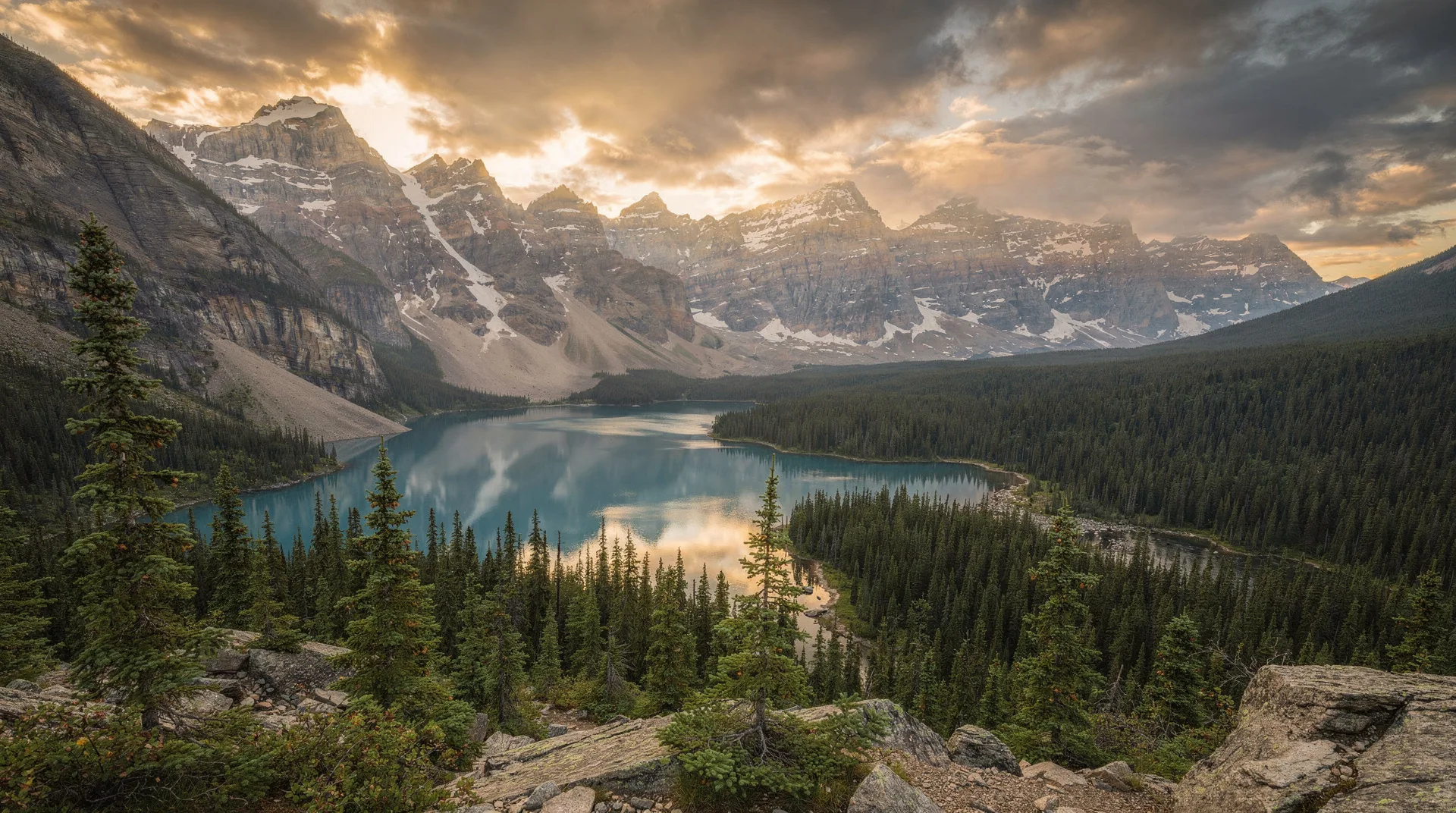
Pleasant Bay, Nova Scotia
Pleasant Bay on the Cabot Trail's northwest coast is Cape Breton's whale watching hub — pilot whales, humpbacks
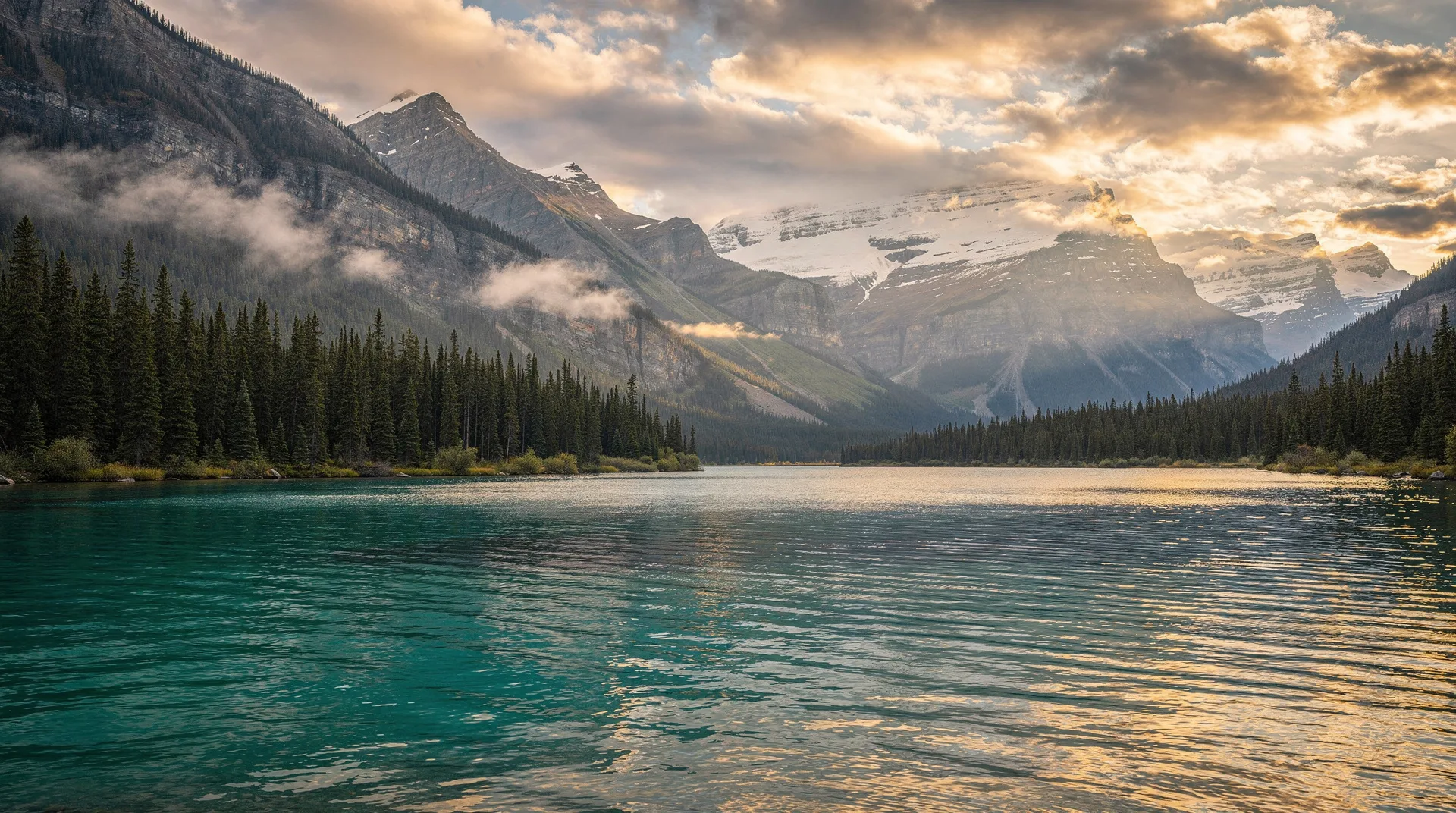
Sydney, Nova Scotia
Sydney is Cape Breton's largest city: Celtic culture, Cabot Trail access, Fortress Louisbourg nearby, and the warmest welcome in Atlantic Canada.
New Brunswick10
Fredericton
Fredericton NB: garrison history, Beaverbrook Art Gallery, leafy Saint John River, and vibrant university-city energy in NB's capital.
Saint John, New Brunswick
Saint John is New Brunswick's port city on the Bay of Fundy: world's highest tides, Reversing Falls, Victorian Uptown, and wild Fundy Trail Parkway.
Moncton, New Brunswick
Moncton is Atlantic Canada's geographic hub: tidal bore, Magnetic Hill, Hopewell Rocks access, bilingual culture
Shediac, New Brunswick
Shediac is the Lobster Capital of the World — warm Northumberland Strait beaches, fresh Atlantic lobster, Acadian culture
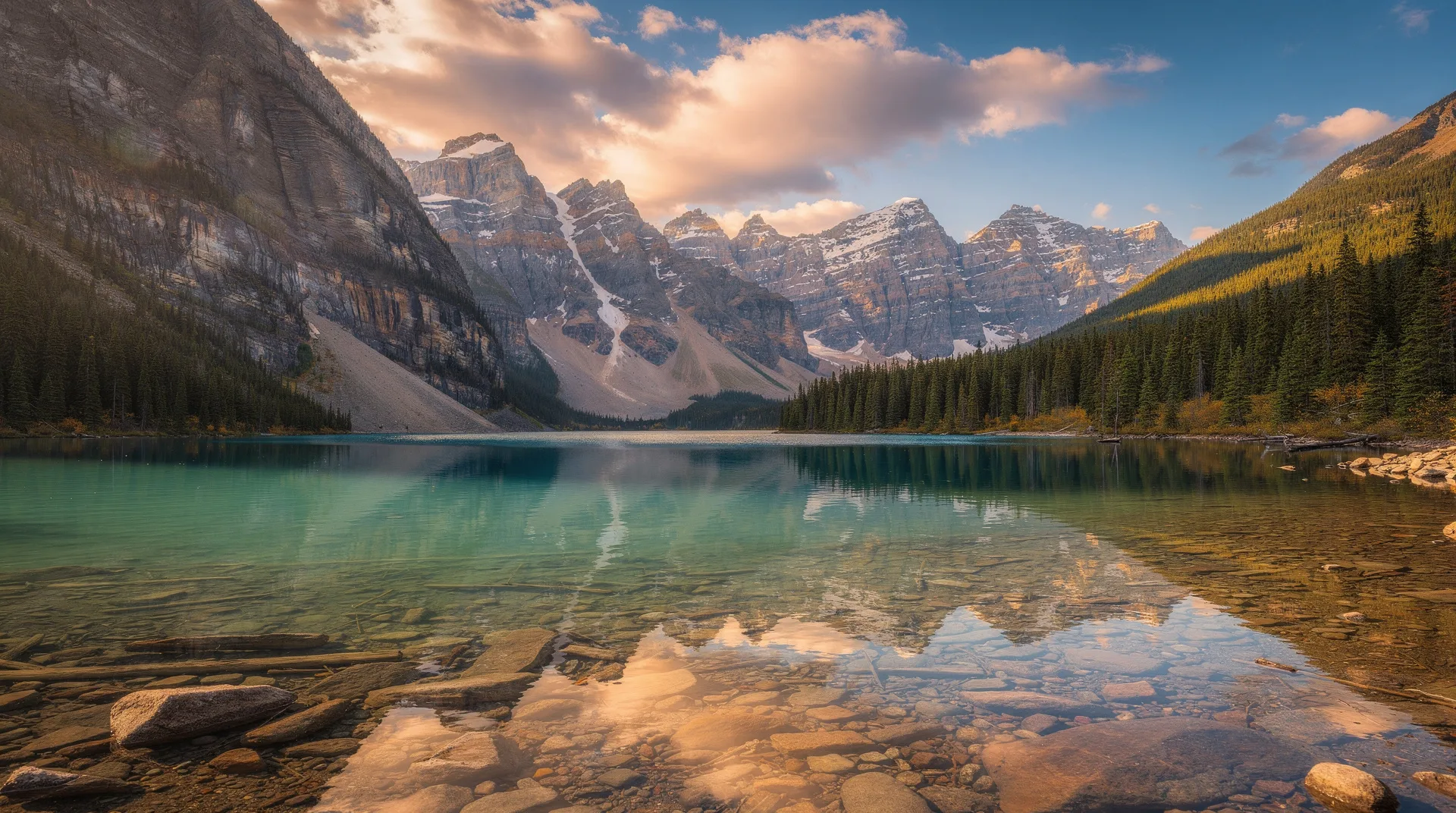
Bay of Fundy
Explore the Bay of Fundy: world's highest tides (16m), Hopewell Rocks flowerpots, humpback whale watching, Fundy National Park, and tidal bore rafting.
Hopewell Rocks, New Brunswick
Hopewell Rocks lets you walk on the ocean floor at low tide — the Bay of Fundy's 16-metre tides expose towering flowerpot rock formations twice a day.
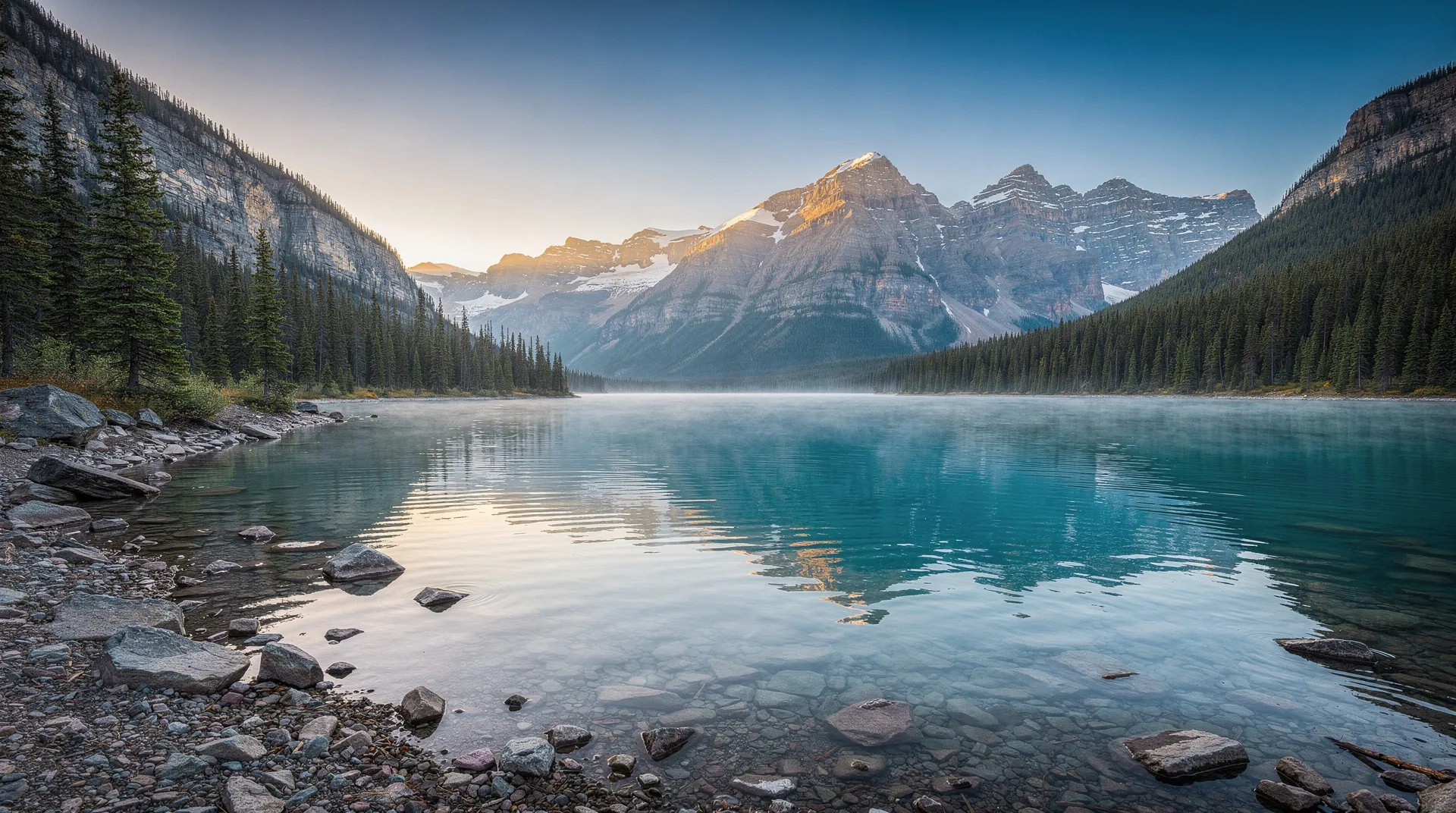
St. Andrews-by-the-Sea, New Brunswick
St. Andrews by-the-Sea is New Brunswick's prettiest seaside town on Passamaquoddy Bay. Whale watching, heritage streets and the Algonquin Hotel.
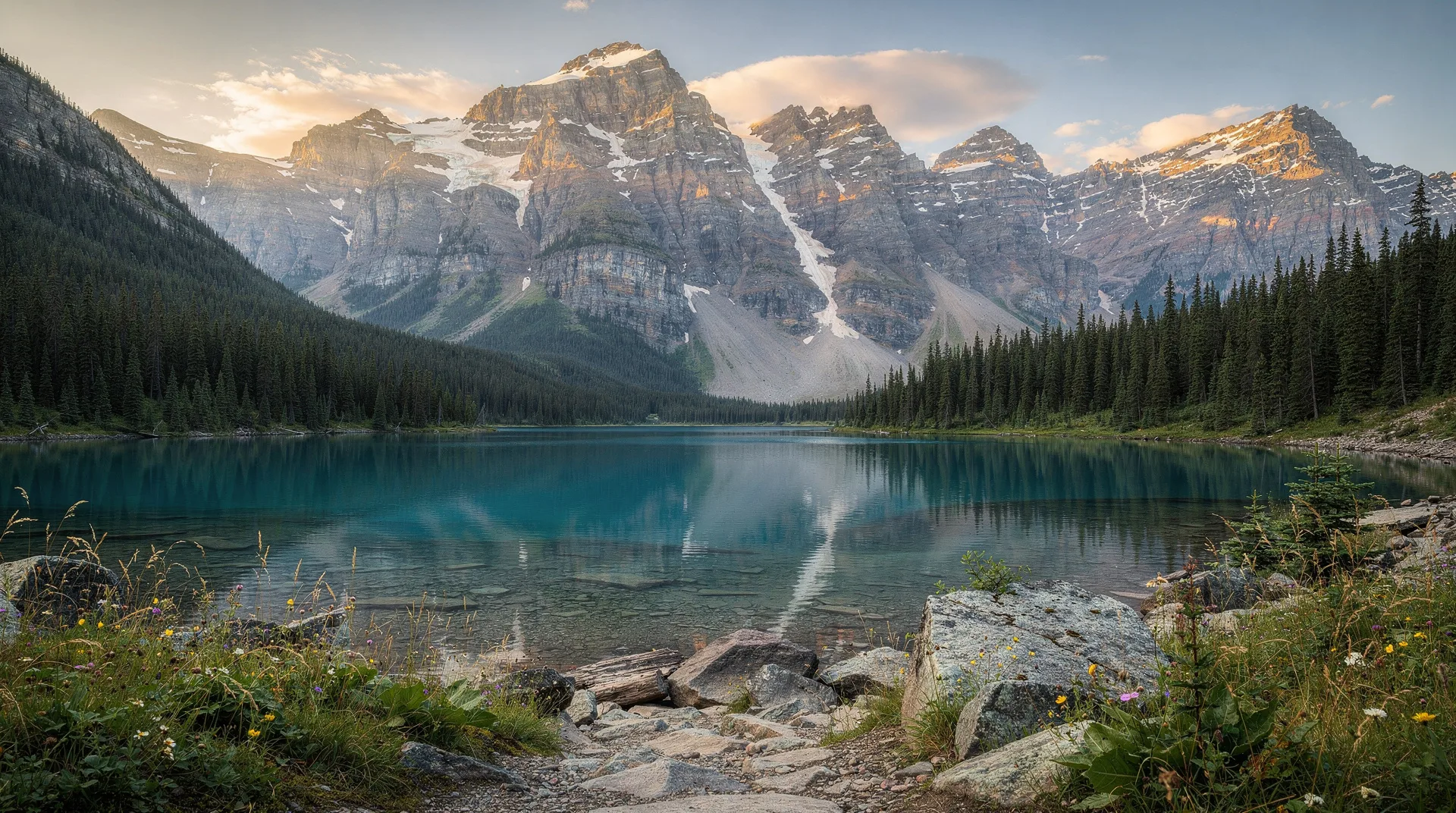
Grand Manan Island, New Brunswick
Grand Manan Island in the Bay of Fundy is a remote paradise for birders, hikers, whale watchers, and anyone seeking the raw Atlantic with almost no crowds.
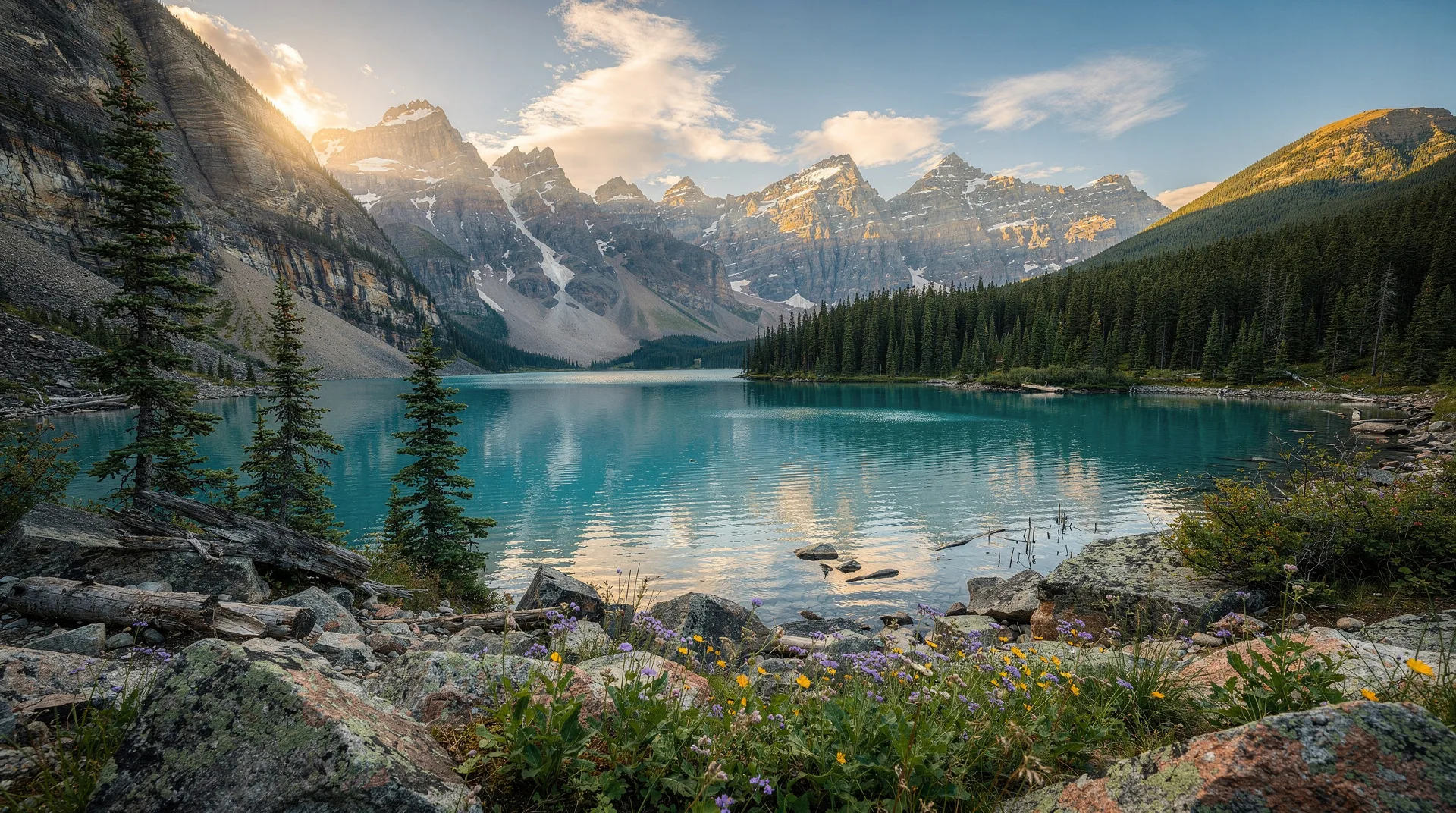
Campobello Island, New Brunswick
Campobello Island — Franklin D. Roosevelt's summer home, the only shared US-Canada international park and a quiet Bay of Fundy outpost.
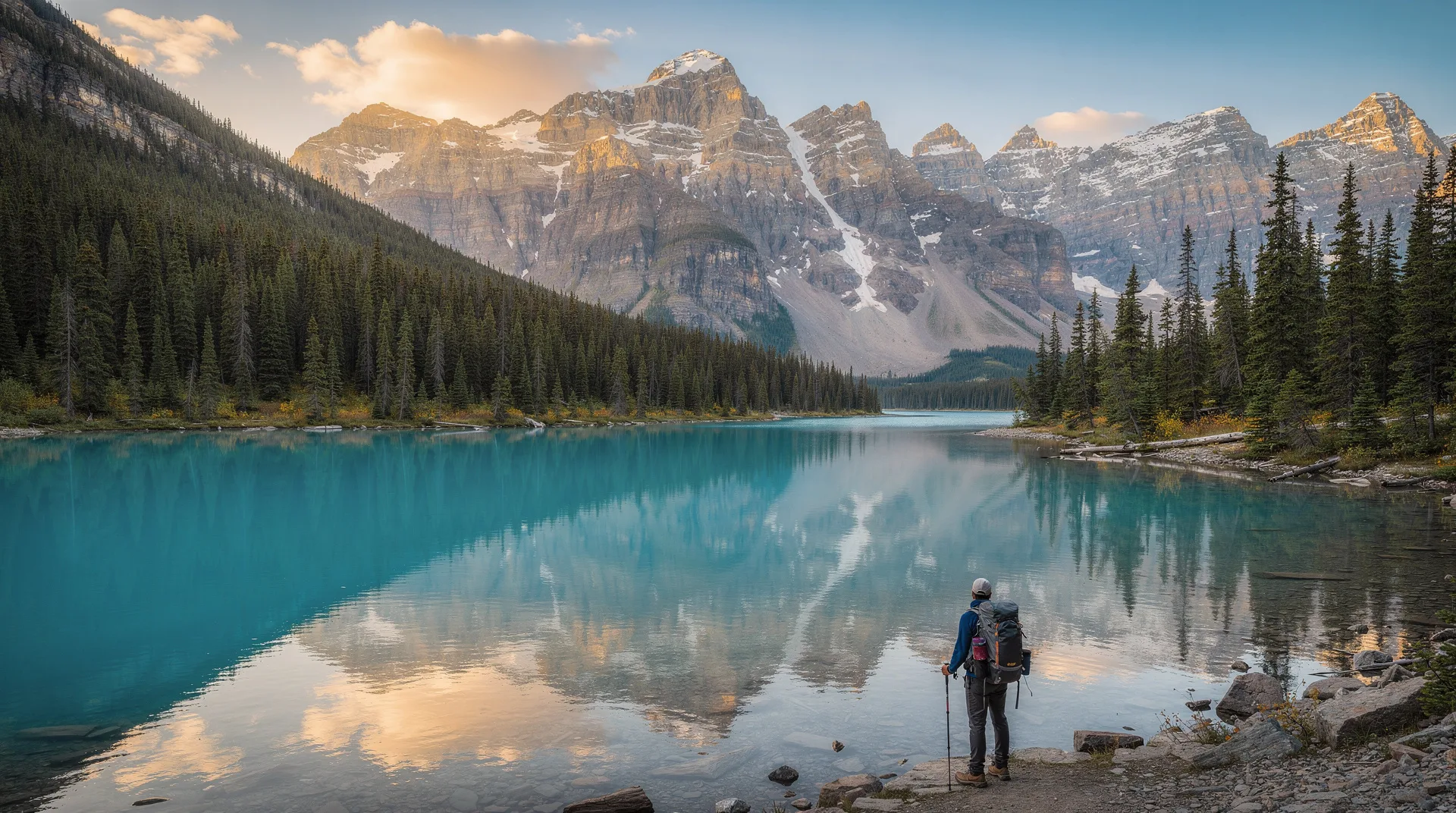
Kouchibouguac National Park
Kouchibouguac National Park offers NB's finest beaches, sand dunes, black bear viewing, cycling trails and seal watching on the Northumberland Strait.
Prince Edward Island5
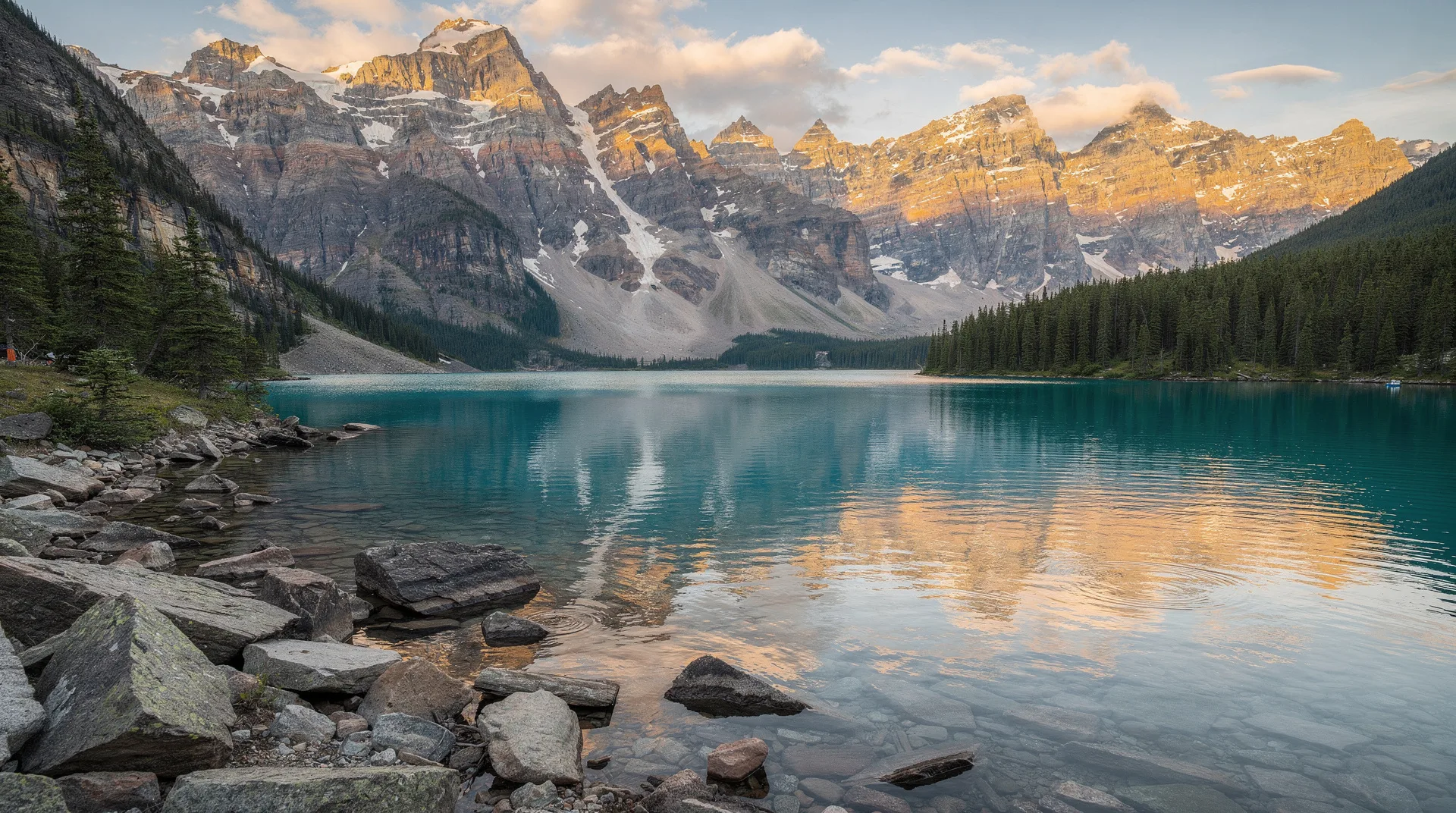
Charlottetown
Explore Charlottetown, PEI: birthplace of Confederation, Anne of Green Gables heritage, Peake's Wharf, world-class oysters, and small-capital charm.
Cavendish, PEI
Cavendish is PEI's beach and heritage hub — the warmest beaches in eastern Canada, Anne of Green Gables homestead
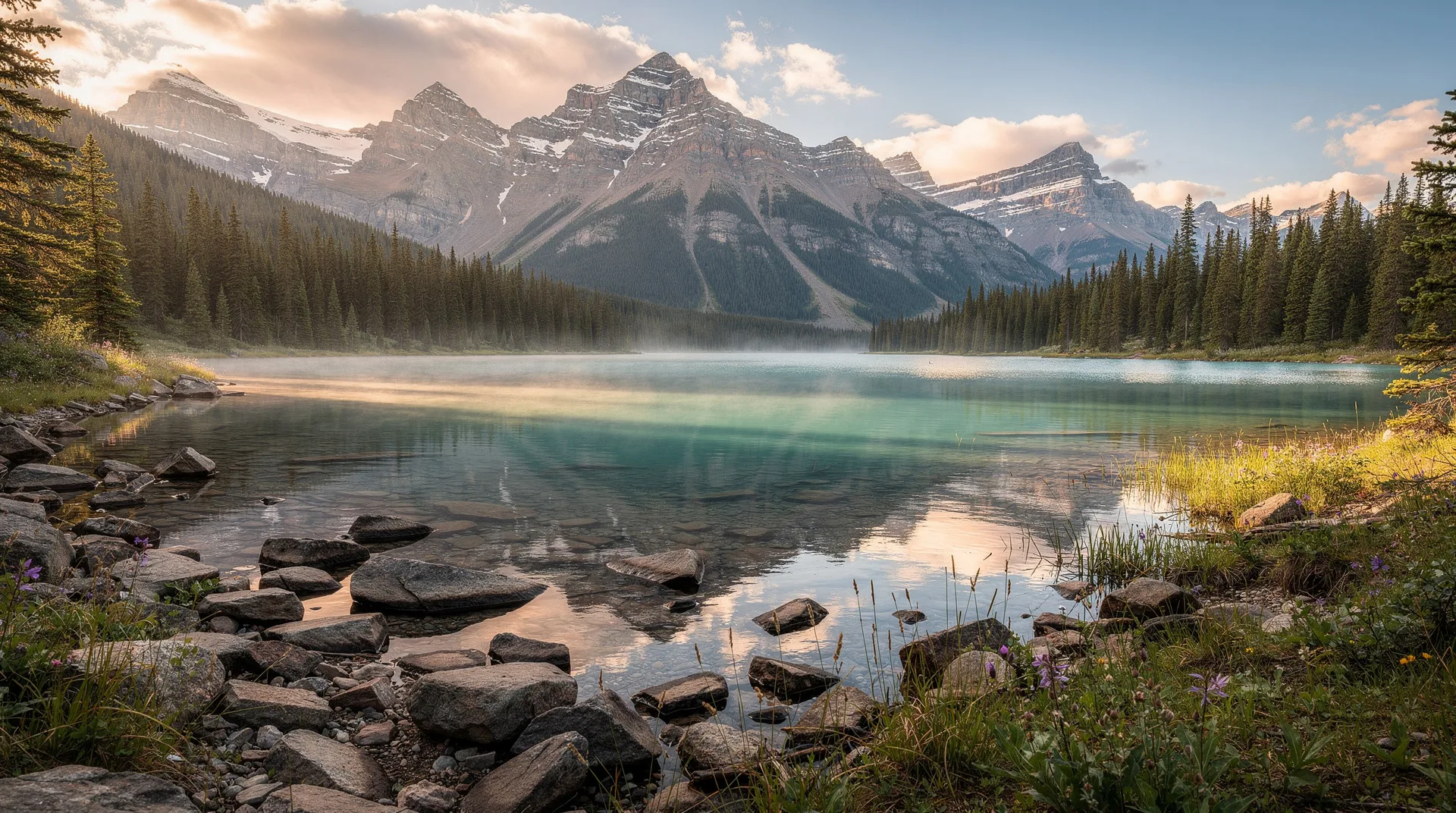
Anne of Green Gables Heritage Circuit, PEI
Follow L.M. Montgomery's footsteps across PEI — Green Gables, Cavendish, Park Corner, and the island landscape that gave the world Anne Shirley.
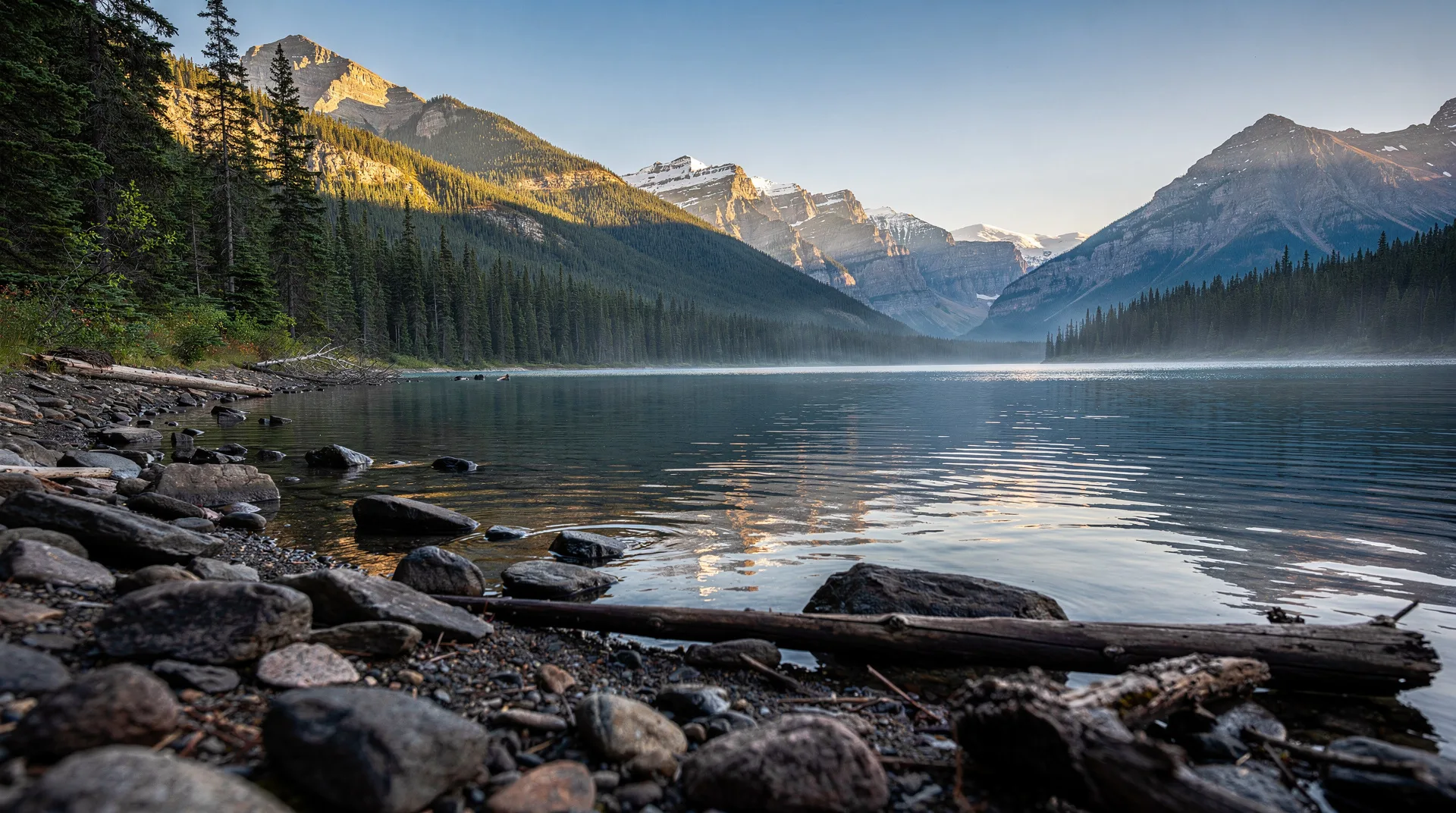
PEI Culinary Trail
The PEI Culinary Trail celebrates Canada's most food-rich island: Malpeque oysters, PEI lobster, blue mussels, local beef
Prince Edward Island
Canada's smallest province packs in red sand beaches, lobster suppers, Anne of Green Gables heritage, and the iconic Confederation Bridge.
Newfoundland & Labrador9
St John's
Discover St. John's, Newfoundland: Jellybean Row houses, Signal Hill, ocean cliffs, pub culture, and warm local hospitality.
Gros Morne
Explore Gros Morne National Park: UNESCO World Heritage Site with ancient mantle rock Tablelands, Western Brook Pond fjord, and Viking heritage nearby.
L'Anse aux Meadows, Newfoundland
L'Anse aux Meadows is the only confirmed Norse settlement in North America — a UNESCO World Heritage Site at the northern tip of Newfoundland
Bonavista Peninsula, Newfoundland
The Bonavista Peninsula in Newfoundland tells the story of cod, collapse, and revival — Cape Bonavista where Cabot landed, Trinity outport
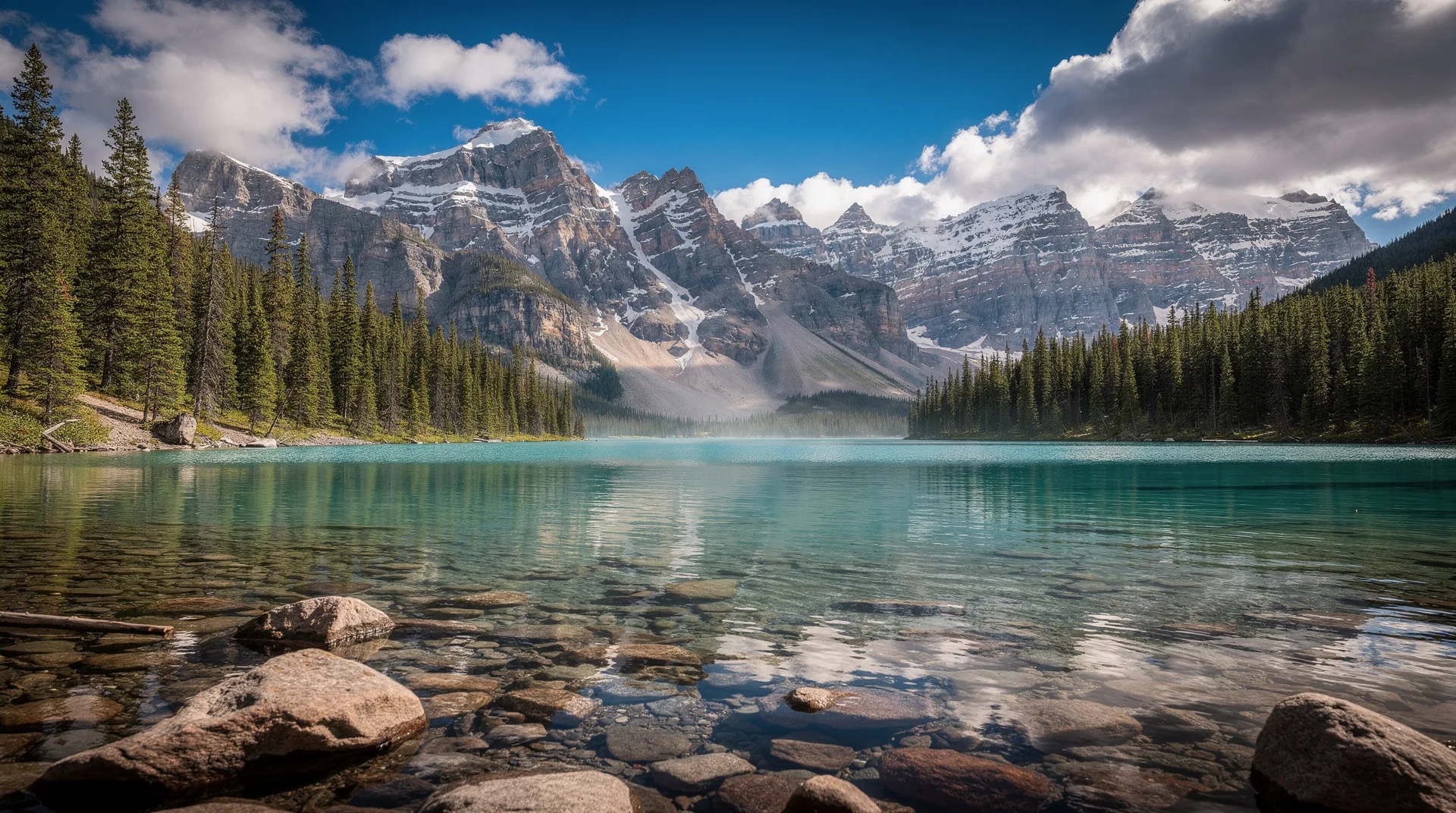
Trinity, Newfoundland
Trinity, Newfoundland is Canada's most intact 18th-century outport, a village of painted wooden houses with 300 years of history.
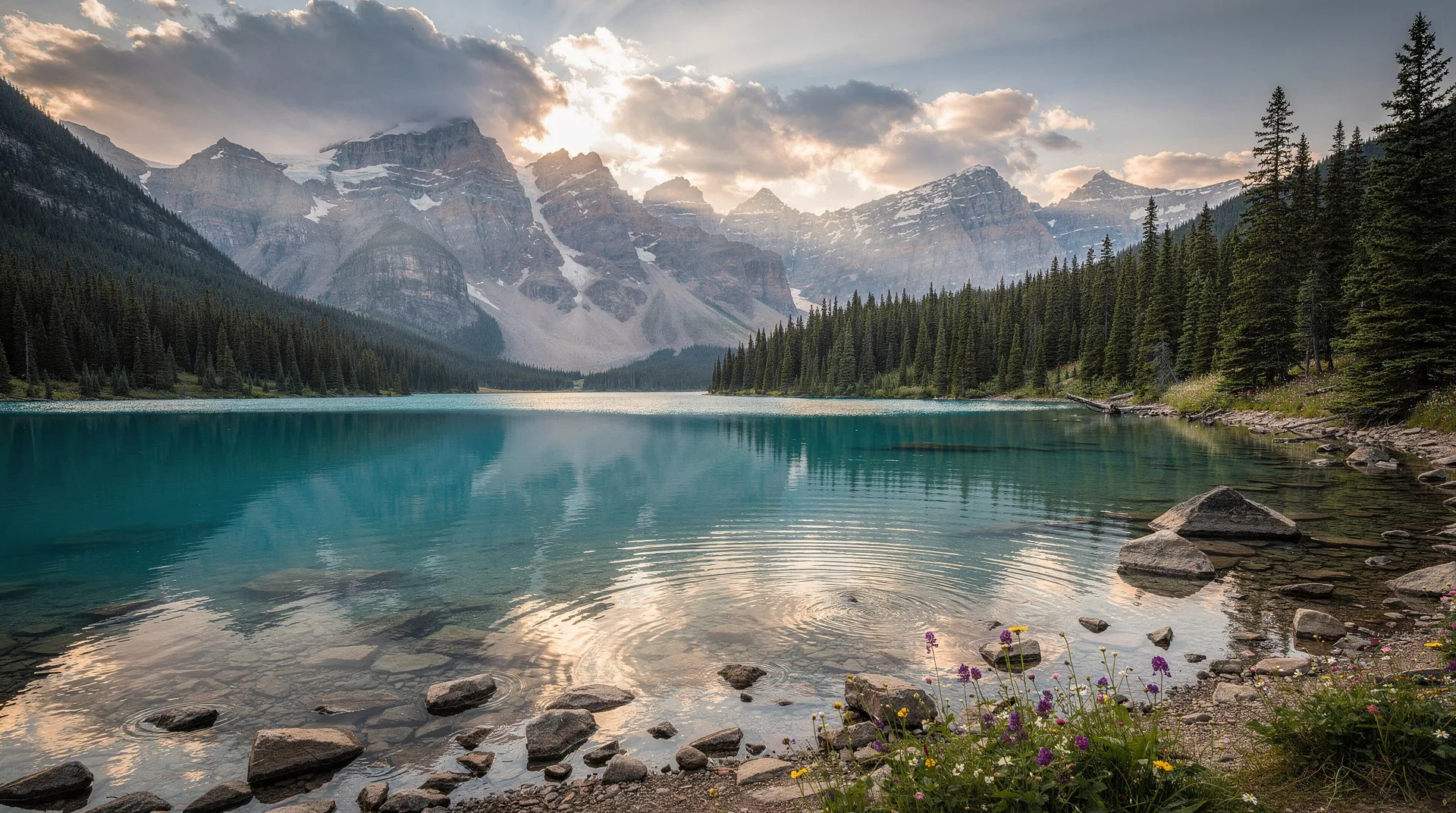
Twillingate, Newfoundland
Twillingate is Newfoundland's Iceberg Capital — ancient icebergs drifting past the harbour, Atlantic puffins nesting on nearby islands
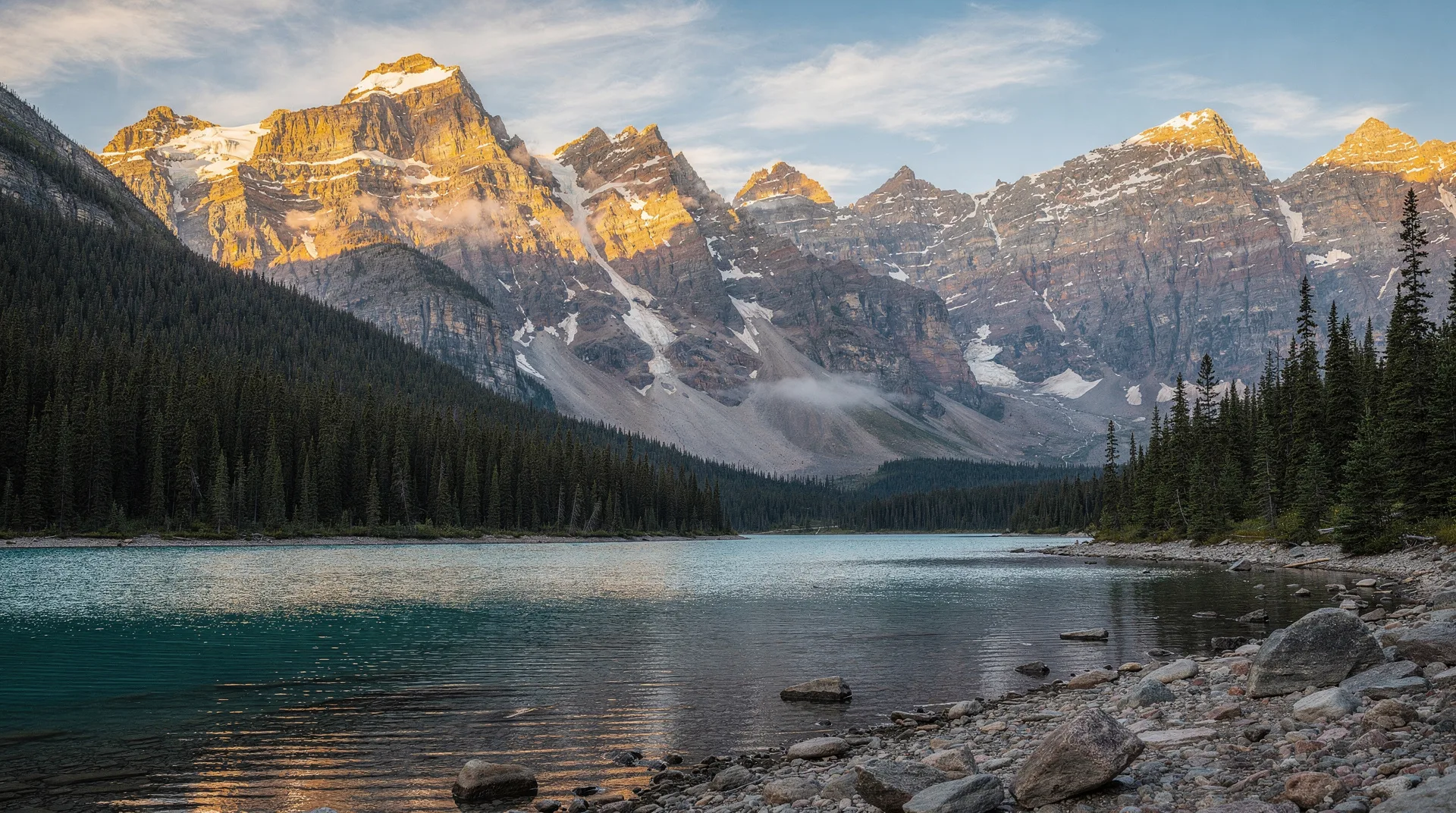
Fogo Island, Newfoundland
Fogo Island in Newfoundland is home to the extraordinary Fogo Island Inn and a community-led revival — icebergs, cod traps, and the edge of the world.
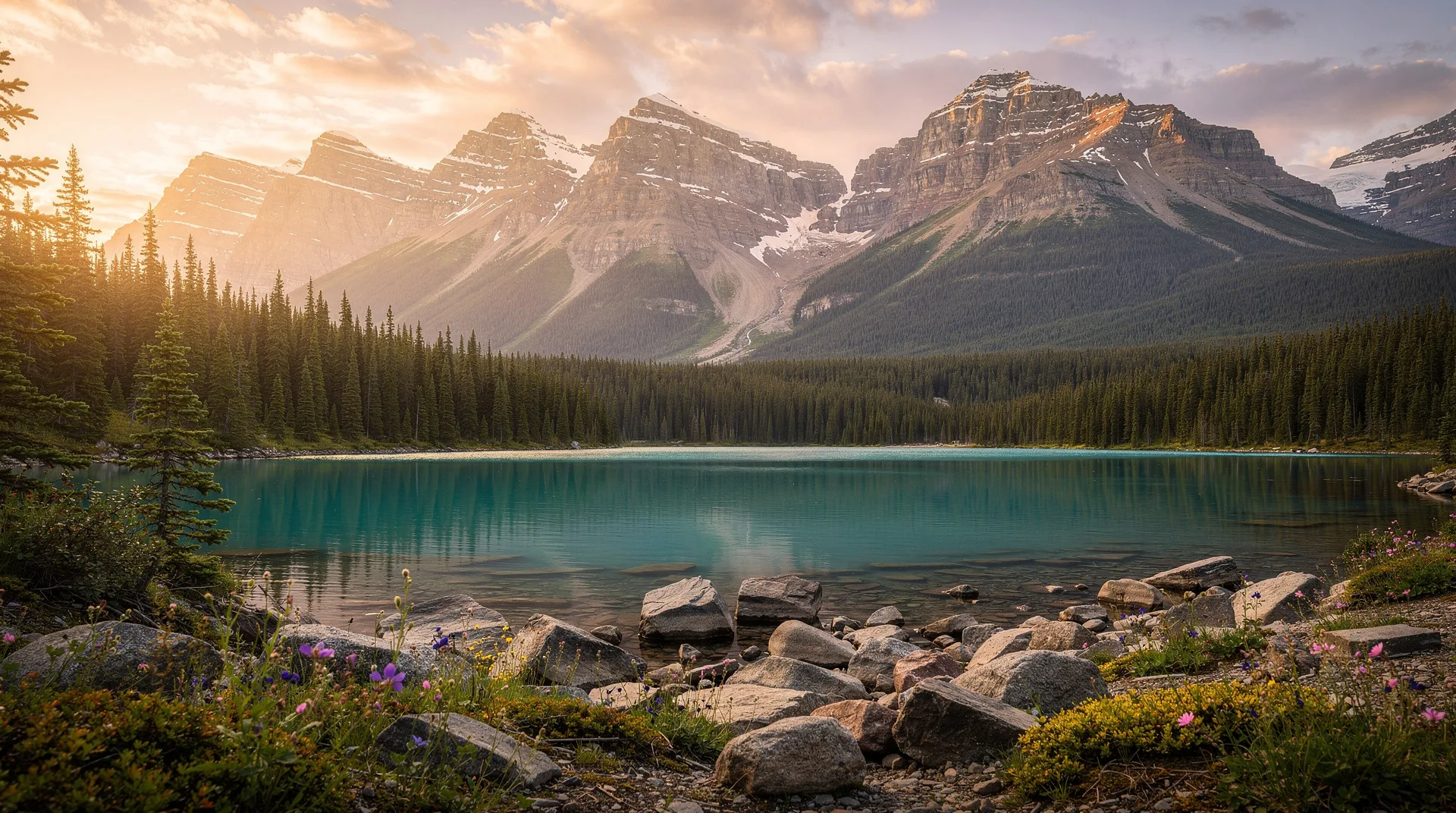
Gander, Newfoundland
Gander, Newfoundland — the small airport town that sheltered 7,000 stranded travellers on 9/11 and inspired the Broadway musical Come From Away.
Torngat Mountains National Park, Labrador
Torngat Mountains National Park, Labrador — Canada's most remote national park, home to polar bears, caribou, spectacular fjords and Inuit heritage.