Canada in winter: 10 days of ski, aurora, and Quebec City ice magic
Overview
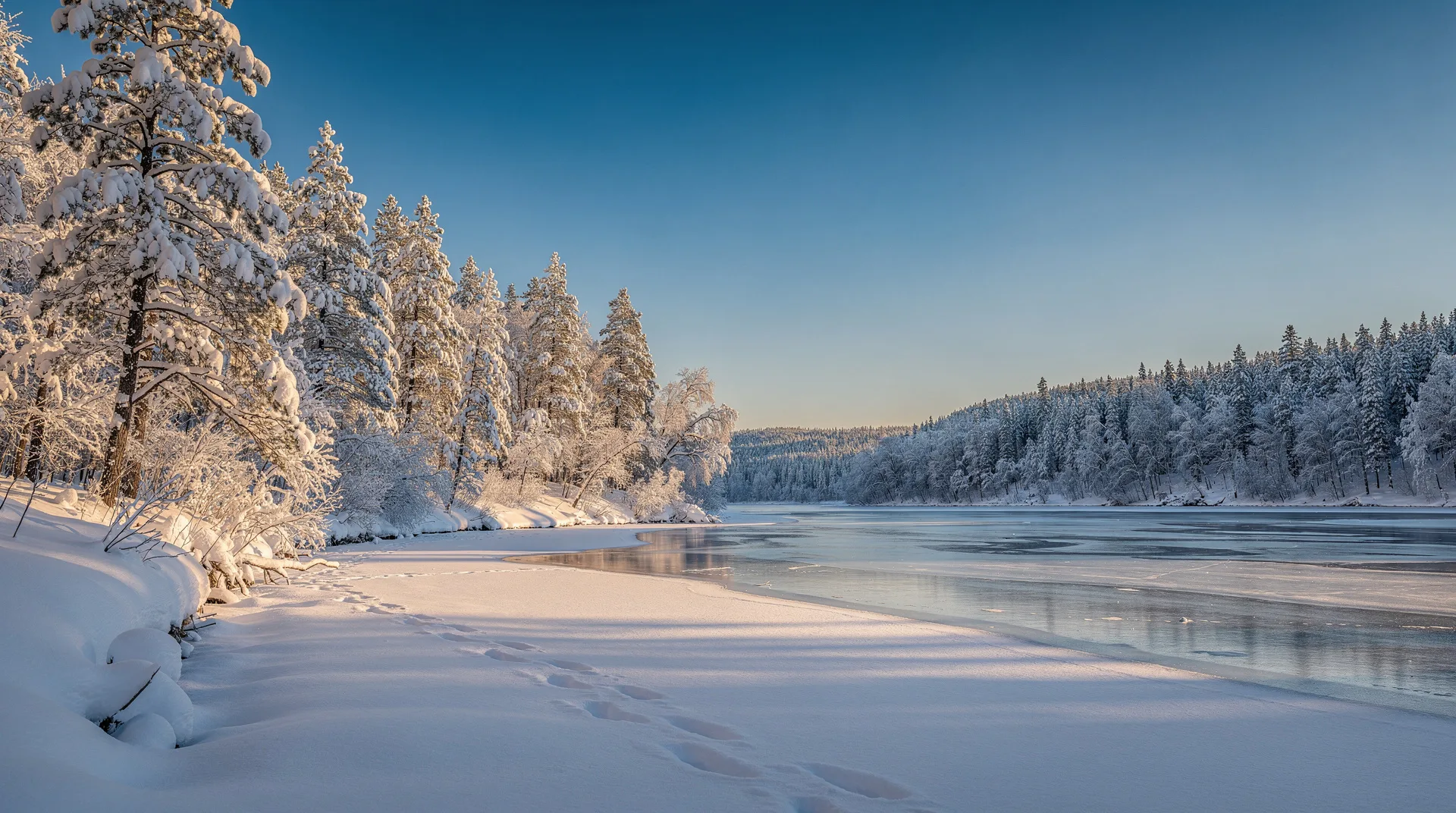
Canada in winter is not a compromise — it is a destination. The country has built an extraordinary winter culture around its climate: the ski resorts of the Rockies and the Coast Mountains are among the finest in the world; the Yukon’s winter darkness is the canvas for some of the most spectacular aurora borealis displays available anywhere; and Quebec City’s winter carnival transforms an already beautiful city into a spectacle of ice palaces, tobogganing, and festivity that has no equivalent in North America.
This 10-day itinerary links three distinct winter experiences: the ski culture of Banff and Whistler in the west, the aurora of the Yukon, and the winter carnival atmosphere of Quebec City. Internal flights connect the sections efficiently. The result is a winter trip with variety, depth, and the specific Canadian quality of embracing cold rather than retreating from it.
| Days | Destination | Winter highlight |
|---|---|---|
| 1–3 | Banff | Skiing, hot springs, mountain wildlife |
| 4 | Travel to Whistler | Sea-to-Sky winter drive |
| 5 | Whistler | Largest ski resort in North America |
| 6–7 | Whitehorse, Yukon | Aurora viewing, dog sledding |
| 8–10 | Quebec City | Winter Carnival, tobogganing, ice palace |
Days 1–3: Banff — winter in the Rockies
Banff in winter is arguably superior to Banff in summer for those who embrace cold. The lakes are frozen into jade-green mirrors of ice. The elk move into the valley and graze in town. The hot springs at the Upper Hot Springs take on a particular appeal when the air temperature is -20°C and steam rises from the pool. And the skiing — the three resorts of Banff Sunshine, Lake Louise Ski Resort, and Mount Norquay together constitute one of North America’s greatest ski destinations.
Fly into Calgary and drive west to Banff (90 minutes). The Trans-Canada in winter is well maintained; check road conditions before departing.
Day 1: Arrive in Banff, check in (the Fairmont Banff Springs in its winter configuration — heated pools, firelit lobbies, and the dramatic mountain setting under snow — is one of the great winter hotel experiences), and ski the afternoon at Mount Norquay (5 km from town, the smallest but most convenient of the three resorts). Evening: the Banff Upper Hot Springs. Soaking in 39°C water with snow on the mountains above and -15°C air on your face is an experience that cannot be adequately described.
Day 2: Full day at Banff Sunshine Village. Sunshine Village sits at 2,160 metres base elevation — above the valley fog and cloud inversion that sometimes affects the Bow Valley in winter — with 3,358 acres of skiing across three mountain peaks. The longest run is 8 km; the snowfall record is legendary (over 9 metres average annual snowpack). The gondola rises from the valley to the village, where skiing begins at tree level and opens into wide alpine bowls above. The Delirium Dive extreme terrain is strictly for expert skiers; the Wawa bowl and Strawberry runs are excellent for intermediate skiers.
Day 3: Lake Louise Ski Resort is the visual showpiece of the three resorts — the view from the top of the gondola over the valley, the Chateau Lake Louise visible below and the mountains stacked behind it, is one of the finest in North America. 4,200 acres of terrain across four mountain faces. The Back Bowls on the west side receive regular fresh powder and are among the finest intermediate and advanced runs in Canada. Check in at the Fairmont Chateau Lake Louise for the night — the frozen lake below and the Victoria Glacier beyond compose a winter scene of extraordinary beauty.
Before you commit to a mountain for each day, the Banff ski resorts guide compares the three areas side by side, and the Banff Upper Hot Springs guide explains what to expect from an evening soak. For wider context on the town and the lake, see the Banff destination page and the Lake Louise destination page.
Day 4: Whistler via Sea-to-Sky winter drive
Fly from Calgary to Vancouver (90 minutes) and drive north on the Sea-to-Sky Highway to Whistler (2 hours). The highway in winter passes through snow-covered Coast Mountain scenery that is different in character from the Rockies — lower, greener, wetter — and the transition is interesting.
Check into Whistler. The village in winter is the full version of itself: the ski lifts running, the village streets snowy, the restaurants full and warm. The Fairmount Chateau Whistler or Summit Lodge are the premier accommodation options.
Day 5: Whistler — largest ski resort in North America
Whistler Blackcomb is the largest ski resort in North America by number of runs (200+) and one of the largest by vertical drop (1,530 metres from the Blackcomb summit to the valley). Two full mountains connected at the top by the Peak 2 Peak Gondola — even in winter, the gondola crossing is an engineering spectacle and a view of the two mountains’ summit terrain.
A day at Whistler requires a plan: the resort is large enough to get lost in (in the best sense). Suggested focuses: Harmony Ridge and Symphony Amphitheatre on Whistler Mountain for open bowls with panoramic views; Blackcomb Glacier for groomed high-elevation runs; Dave Murray Downhill for the technical thrill of a World Cup race course. The Whistler Blackcomb ski school offers lessons at all levels for those building confidence.
Evening in the village: the Garibaldi Lift Co. for an après-ski pint, Araxi for a serious dinner.
If you want more detail on how to spend the day on the slopes, the Whistler skiing guide walks through the terrain, and the Peak 2 Peak guide covers the gondola crossing. The Whistler destination page gives the broader picture of the village.
Days 6–7: Whitehorse, Yukon — the aurora
Fly from Vancouver to Whitehorse (2 hours; connections available through Air North and occasional charters). Whitehorse in January or February has average temperatures of -15 to -20°C and 6–7 hours of daylight — long nights for aurora viewing.
Book the Yukon aurora borealis late-night viewing tour from WhitehorseDay 6 evening: An aurora viewing tour with one of Whitehorse’s professional operators. The standard tour picks up from your hotel around 9pm, transports you 20–40 km from the city to a dark-sky viewing area (sometimes a heated cabin, sometimes a warming tent), and returns around 1–2am. The sky is monitored continuously and you are alerted when activity appears. The Yukon’s dry continental climate makes clear nights more probable than at comparable latitude destinations in Norway or Iceland.
Bring: warm boots rated to -40°C, insulated gloves or mittens (not gloves), base layers, mid-layer fleece, windproof outer shell, and a hat that covers the ears. Cold injury is a real risk at these temperatures if inadequately dressed.
Day 7: Dog sledding. Several Whitehorse-area kennels offer half-day sled dog experiences ranging from passenger rides to driving the team yourself under guide supervision. The experience of running a team of Alaskan huskies across a frozen Yukon lake, the dogs’ breath visible in the cold air, the complete silence of the forest except for the sound of the runners on snow, is one of the more profound outdoor experiences Canada offers.
Afternoon: the Takhini Hot Springs (27 km north of downtown) — soaking in steaming natural hot spring water while temperatures drop towards -25°C outside is a Whitehorse winter tradition. The steam creates an otherworldly atmosphere around the pool, and if the sky is clear the aurora can appear overhead.
Browse all Yukon aurora and winter experience toursSecond night aurora tour if the first was clouded out — the operators understand weather variability and will reschedule if cloud prevented viewing.
Two Yukon-specific guides help you prepare for this leg: the northern lights in the Yukon guide explains how to read the sky, and the Yukon dog sledding guide helps you choose between a passenger ride and driving a team. The Whitehorse destination page covers the city itself, and the Yukon destination page places it in the wider territory.
Days 8–10: Quebec City — Carnaval de Québec
Fly from Whitehorse to Quebec City via Vancouver (full travel day; depart early). The Carnaval de Québec runs for 17 days in late January and early February — the largest winter carnival in the world, and the event for which Quebec City in winter exists.
Arrive and check into accommodation within or adjacent to the walled city — the Fairmont Le Château Frontenac is the grandest option; the Auberge Saint-Antoine and Hotel 71 in the Basse-Ville are excellent alternatives.
Day 8: Orient to the winter city. The Plains of Abraham under snow — the battlefield where New France was lost in 1759 becomes a winter sports park in the cold months, with cross-country skiing, snowshoeing, and organised snow activities. The Terrasse Dufferin boardwalk in front of the Château has its famous toboggan slide — three wooden toboggans descending 91 metres from the top of the terrasse to the Basse-Ville below at up to 70 km/h. Queue early; the slides fill quickly. Dinner on the Grande-Allée — the restaurant strip that runs west from the Old City is lively even in February.
Day 9: Carnaval activities. The Ice Palace (Palais de Glace) — constructed fresh each year from 6,000 tonnes of snow and ice — is the festival’s signature structure and is open to walk through. The bonhomme de neige (the snowman mascot) appears at various events. Snow sculpture competitions near the Parliament Building. Sleigh rides through the old city streets. The night parade (if during Carnaval weeks) brings costumed performers, illuminated floats, and the particular festivity of a city in full winter celebration.
Day 10: Montmorency Falls in winter is extraordinary — the 83-metre falls generates such spray that an enormous ice cone (the pain de sucre — sugar loaf) builds up at its base, sometimes reaching 30 metres high. The suspension bridge over the falls in winter, the ice formations on the cliff face, and the via ferrata (a guided ice climbing ascent of the cliff on fixed rungs) make for a memorable last morning. Back to Quebec City for afternoon departure.
Book a Quebec City and Montmorency Falls winter tourTo go deeper on this last leg, read the Quebec winter carnival guide, the Old Quebec guide for the walled city, and the Hôtel de Glace guide if the ice hotel appeals. The Quebec City destination page ties it all together.
Essential winter gear list
This itinerary spans three different cold environments — the dry cold of Banff (-15 to -25°C), the extreme cold of the Yukon (-20 to -40°C), and the Quebec winter (0 to -20°C). Packing for the most extreme environment (Yukon) covers all three:
- Base layer: Merino wool thermal top and bottom
- Mid-layer: Heavyweight fleece or down hoody
- Outer layer: Insulated and windproof shell jacket and pants
- Boots: Rated to -40°C for Whitehorse; regular winter boots for Banff and Quebec
- Hand protection: Mittens rather than gloves for the Yukon; ski gloves are sufficient for Banff and Whistler
- Head: Balaclava (full face cover) for the Yukon; warm hat for Banff and Quebec
- Eyes: Ski goggles for the slopes; sunglasses for all three destinations
For a fuller checklist beyond the winter layers above, use the Canada packing list, and see the Canada in winter guide for how conditions differ from region to region.
Where to stay
Banff: Fairmont Banff Springs (the winter rooms with Rundle Mountain views are magnificent) or Moose Hotel and Suites (more affordable, excellent location).
Lake Louise: Fairmont Chateau Lake Louise — the frozen lake below in winter is as remarkable as the turquoise in summer.
Whistler: Fairmont Chateau Whistler or Pan Pacific Whistler Village Centre.
Whitehorse: Edgewater Hotel or High Country Inn — both are well-positioned for meeting tour operators and accessing the city.
Quebec City: Fairmont Le Château Frontenac for the full winter experience; Hôtel Pur for a modern alternative.
Budget planning
Winter in Canada’s ski resorts represents some of the country’s highest tourism prices, particularly during the peak Christmas/New Year period. Mid-season (January–February) offers better value.
- Ski resort accommodation: CAD 250–600/night during ski season
- Lift tickets: CAD 130–180/day per person
- Whitehorse accommodation: CAD 150–250/night
- Aurora tours: CAD 80–150/person per evening
- Dog sledding: CAD 120–250/person for a half day
- Quebec City accommodation: CAD 200–400/night during Carnaval
- Internal flights: CAD 300–600/segment
If you want to stretch this plan over a longer stay, the Canada winter 2-week itinerary adds more time, and the domestic flights guide helps you plan the connections between the three regions.
Frequently asked questions about Canada in winter: 10 days of ski, aurora, and Quebec City ice magic
When exactly is the Carnaval de Québec? The Carnaval typically runs for 17 days across late January and early February. The specific dates vary annually — check the official Carnaval website for the current year’s schedule before booking.
Is it possible to see the aurora in Whitehorse on a 2-night stay? Two nights gives two aurora viewing opportunities (weather permitting). Three nights is preferable to account for cloud cover. The Yukon’s clear-sky probability is higher than many aurora destinations, but cloud is always possible.
Can beginners ski at Whistler and Banff? Yes. All three Banff resorts and Whistler Blackcomb have extensive beginner terrain and excellent ski schools. Whisker has arguably the best beginner and intermediate infrastructure in Canada.
What is the coldest part of this itinerary? Whitehorse in January or February. Temperatures of -30°C to -40°C are not unusual. The critical preparation is appropriate footwear and hand protection — the extremities are the vulnerability. The cold itself, once you are dressed for it, is manageable and becomes part of the experience.
Do I need separate lift tickets and passes for Banff and Whistler? Yes, unless you hold a multi-resort pass. Epic Pass covers Whistler Blackcomb and some Vail-owned Rockies-area properties, while Ikon Pass covers a different set of Rockies and Whistler-area resorts depending on the season’s partnerships. Check current pass coverage before this trip, since it changes; buying single-day lift tickets online in advance is otherwise the standard approach and avoids the highest walk-up prices.
Shorter versions of this trip
Ten days combining three regions is a serious undertaking in flights and budget. If that doesn’t fit your schedule, each section works well on its own:
- Just the Rockies skiing: the 5-day winter Rockies itinerary covers Banff, Lake Louise, and Sunshine Village without the onward flights to Yukon and Quebec.
- Just the aurora: the Yellowknife aurora 5-day itinerary is a dedicated northern-lights trip and, for some travellers, a more reliable aurora bet than Whitehorse depending on the season.
- Just Quebec winter culture: the Quebec winter 7-day itinerary goes deeper into Quebec City’s Carnaval, ice hotel, and winter activities than the 3-day slice included here.