Quick facts
- Location
- Central Ontario, east of Algonquin
- Main towns
- Haliburton, Minden, Dorset, Wilberforce
- From Toronto
- 2.5-3 hours by car
- Lakes
- 600+ lakes across the region
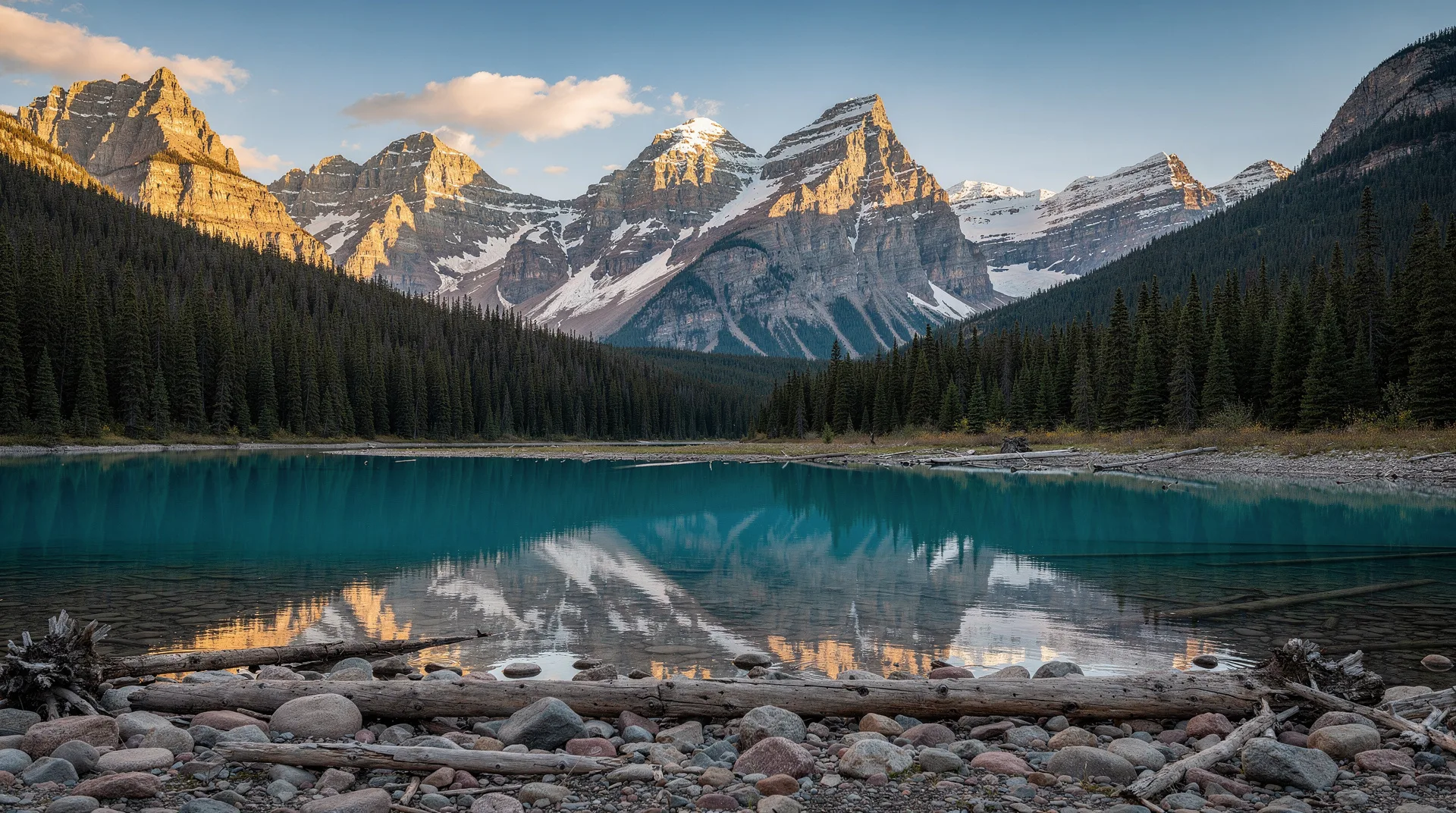
Haliburton Highlands is Ontario’s quieter, artsier, less-developed alternative to Muskoka. Where Muskoka trades on celebrity cottages, resort hotels, and polished lakeside towns, the Haliburton Highlands — the lake-and-forest landscape immediately east of Algonquin Provincial Park — feel genuinely rural.
The population across the entire region is around 20,000 year-round; the lakes (600+ of them) are smaller and more densely packed; the towns have retained their main-street character; and the long-established summer arts community has produced a cluster of artist studios, craft galleries, and the Haliburton School of Art + Design that gives the area a creative identity no other Ontario cottage region can match. For travellers who want the lakes-and-forest experience without the Muskoka price tag or polish, Haliburton is the answer.
This guide covers the main towns, what to do, where to stay, and how Haliburton compares to the more famous cottage regions. For related destinations, see Muskoka, Kawarthas, and Algonquin Park.
At a glance
| Where | Central Ontario, east of Algonquin Provincial Park |
| Main towns | Haliburton, Minden, Dorset, Wilberforce |
| Cost | Cottage rentals around CAD $2,000-5,000/week; canoe/kayak rental around CAD $30-50/day; Sir Sam’s Ski/Ride day pass mid-range for a small hill |
| Time needed | 3-5 days for a proper cottage stay; a weekend covers one or two towns |
| Getting there | 2.5-3 hours from Toronto via Highway 115/35; a car is essential |
| Best time | Late June through October; late September-early October for peak fall colour |
Access without a cottage
Not everyone visiting Haliburton has booked a lakefront cottage, and the region is easy to underestimate if your plan is day-tripping from a hotel in Minden or Haliburton village. Several conservation areas and public access points allow day paddling and swimming without a private dock: public boat launches on Head Lake and Kashagawigamog Lake, and the beach at Head Lake Park in Haliburton village. Renting a canoe or kayak by the day from an outfitter in Haliburton or Minden and driving to one of these access points is a realistic way to get a genuine paddling afternoon without a week-long cottage booking. If you would rather have a local lead the way, you can also compare guided tours in Ontario before you travel.
Comparing a Haliburton base to Algonquin
Travellers weighing Haliburton against a stay based just across the boundary in Algonquin Park should know the trade-off is not subtle. Algonquin’s interior offers true wilderness portaging and a Parks Canada-style day-use/camping fee structure; Haliburton’s lakes are smaller, more developed, and reachable without a permit system, but the trail network and arts infrastructure (galleries, the Haliburton School of Art + Design, restaurants) give Haliburton a social dimension that Algonquin’s backcountry deliberately lacks. Many visitors do both on one trip: a few nights of Algonquin paddling followed by a more comfortable, restaurant-and-gallery finish in Haliburton village.
The geography
Haliburton County sits between Algonquin Park to the west and the Kawarthas to the south, with Muskoka to its west-southwest. The landscape is classic Canadian Shield — granite bedrock exposed by glaciers, hardwood forest (maples, birches, oaks) that produces the most spectacular fall colour in Ontario outside Algonquin, and the chain of lakes that defines the region’s identity. Haliburton village is the main commercial centre; Minden is the historic county town; Dorset on Lake of Bays (technically the Muskoka border) and Wilberforce to the east round out the main population centres.
The area is traversed by two main routes: Highway 35 (north-south, the main access from Toronto via Highway 115) and Highway 118 (east-west, connecting to Bracebridge in Muskoka and Bancroft to the east).
What to do
Canoeing and paddling
The density of small to medium lakes — most of them quiet, most of them navigable by canoe — makes Haliburton exceptional for paddlers without the multi-day-portage commitment of Algonquin. Key paddling areas:
- Kennisis Lake, Redstone Lake, Haliburton Lake: Large lakes with developed shorelines; good for day paddling.
- Queen Elizabeth II Wildlands Provincial Park: 33,500 hectares of wild lakes and forest between Haliburton and Muskoka; canoe-in campsites; limited access.
- Frost Centre: Historical forestry station with canoeing and hiking.
Outfitters in Haliburton village and Minden rent canoes and kayaks by the day (CAD $30-50 per day) or week. Algonquin Outfitters has a Haliburton location.
Hiking
The Haliburton Highlands Water Trails network covers 600+ km of canoe and hiking routes. Specific notable hikes:
- Haliburton Forest Wolf Centre trail (Haliburton Forest, 80,000 acres of private forest with trails open to visitors for a fee). The Wolf Centre houses a resident pack of eastern timber wolves in a large natural enclosure — a genuine conservation programme rather than a zoo.
- Skyline Park in Haliburton village: Short hike with views over the village and lakes.
- Glebe Park trails (Minden): Network of easy-to-moderate trails through mixed forest.
Arts and crafts scene
The Haliburton School of Art + Design (part of Fleming College) is the anchor of the region’s arts identity. Summer courses draw students from across Canada and produce a constant stream of visiting artists. Beyond the school:
- Haliburton Arts Council Studio Tour (usually late September): Dozens of local artist studios open for weekend visits.
- Rails End Gallery and Arts Centre (Haliburton): Regional public gallery.
- Agnes Jamieson Gallery (Minden): Permanent collection of Andrea “André” Lapine paintings plus rotating exhibitions.
- Haliburton Highlands Museum (Haliburton): Regional history and rotating exhibitions.
Fall colour
Haliburton produces some of Ontario’s best fall colour — arguably rivalling Algonquin with less crowding. Peak runs late September to mid-October. Best drives:
- Highway 35 from Minden to Dorset: Classic driving route; pull-offs every few kilometres.
- Highway 118 east from Haliburton village to Wilberforce: Less-travelled, equally spectacular.
- Eagle Lake Road and Redstone Lake Road: Back-road scenic drives.
Winter
Haliburton has developed into one of Ontario’s quieter winter destinations — an alternative to the crowds at Blue Mountain. Options:
- Sir Sam’s Ski/Ride (near Eagle Lake): Small family ski area, 168m vertical, 17 runs; good for beginners and intermediates.
- Haliburton Forest Snowmobile Trails: Over 300 km of groomed trails.
- Haliburton Highlands Nordic: 50 km of groomed cross-country ski trails.
- Dog sledding: Winter Dance Dog Sled Tours runs guided tours.
Where to stay
Haliburton village: Central for shopping and dining; Pinestone Resort (condo-style) is the main developed accommodation; several B&Bs.
Minden: Quieter; small-town feel; limited accommodation but good for food and shopping.
Cottage rentals: The defining Haliburton experience. Cottages on the larger lakes (Kashagawigamog, Kennisis, Redstone, Eagle) are available for weekly rental through Cottage Country Rentals, Cottage Connection, and similar agencies. Summer weekly rentals typically run CAD $2,000-5,000 per week.
Resort options:
- Sir Sam’s Inn & WaterSpa (Eagle Lake): Full-service resort; four-season operation.
- Bonnie View Inn (Haliburton Lake): Traditional lodge; family-friendly.
- Wolf Den Nature Retreat (near Oxtongue Lake, Algonquin edge): Hostel-style accommodation near Algonquin.
Food and restaurants
Haliburton’s food scene has improved significantly in the past decade but is still modest by urban standards. Reliable stops:
- Rhubarb Restaurant (Minden): Farm-to-table; consistently rated the region’s best.
- Kosy Korner (Haliburton): Classic diner; family-friendly.
- Haliburton Highlands Brewing: Craft brewery with small kitchen.
- Molly’s Bistro Bakery (Haliburton): Casual lunch and baking.
- Flour and Flame (Minden): Wood-fired pizza.
Getting there
From Toronto: 2.5-3 hours via Highway 115/35 to Minden, then Highway 35 north to Haliburton. Last services for gas and groceries are in Minden — stock up before heading to remote cottages.
From Ottawa: 3.5 hours via Highway 7 and Highway 62/28.
No transit: Parkbus runs limited summer service from Toronto to Algonquin that stops near the Haliburton edge; otherwise a rental car is essential.
Haliburton vs Muskoka vs Kawarthas
Quick comparison for planners:
| Factor | Haliburton | Muskoka | Kawarthas |
|---|---|---|---|
| Character | Rustic, arts-driven | Polished, established | Canal-connected waterway |
| Towns | Small, working | Built up for tourism | Mix of small + waterway towns |
| Accommodation | Cottages, small inns | Full-service resorts | Mix |
| Restaurants | Limited but improving | Strong dining scene | Good, mixed |
| Prices | Lowest | Highest | Mid-range |
| Crowds | Light | Heavy in season | Medium |
For a dedicated comparison, see Muskoka vs Kawarthas (coming).
How to shape a few days here
Haliburton rewards a slow rhythm. The region is not a checklist of sights; it is a setting for mornings on the water, afternoons on a trail, and evenings in a small-town gallery or a dining room that closes at a sensible hour. A useful way to plan is to pick one anchor town, then let the weather and your energy decide the rest.
A first-timer’s rhythm. Start with an easy paddle on a sheltered lake while the water is calm, keep the afternoon for a short walk in one of the town trail networks, and finish with a meal in Minden or Haliburton village. The next day, swap the order: a gallery or museum visit when the light is flat, then a longer paddle or drive when it improves. If you are new to canoeing, the Ontario canoeing routes guide explains what to expect from different kinds of lakes, and canoeing in Algonquin is the natural next step once you want something wilder.
A trip built around the arts. If the Haliburton School of Art + Design is what drew you, plan your days around the galleries and studios and use the lakes as a pause between them. Visiting in late September lines up the Studio Tour with the turning leaves, which is the strongest combination the region offers. Pair it with the Ontario fall colors guide for wider context, or the fall colors blog guide for a more personal take.
A trip built around the outdoors. Stay on or near a larger lake, keep a canoe or kayak close to hand, and treat the trails as a second option for days when the wind is up. Wildlife is part of the appeal, so read the wildlife safety guide before heading into forest or backcountry areas.
Choosing the right season
Each season gives Haliburton a different personality, and the choice matters more here than in a city destination.
Summer is the classic cottage season: warm water, long evenings, and the widest range of rentals, outfitters and events. It is also the busiest period, so book early and expect the popular lakes to feel lively. For a broader view of timing across the province, see the best time to visit Ontario.
Autumn is the quiet favourite. Hardwood forest across the Shield turns colour, roads empty out after the summer rush, and the air is comfortable for walking and paddling. Combine it with a drive through nearby country using the Ontario fall road trip routes, or compare it with the neighbouring Algonquin fall colors experience.
Winter suits travellers who like snow without big-resort crowds. The region offers skiing, snowmobiling and cross-country trails, and it feels very different from the polished hills elsewhere in the province; if you want to compare, look at Ontario ski resorts and Blue Mountain. Skiers on a budget of time can read more in cross-country skiing in Canada, and anyone curious about a gentler way to enjoy the snow can try snowshoeing or dog sledding.
Spring is the shoulder season. It can be muddy and uneven, and some seasonal businesses are slow to reopen, so check ahead before building a trip around a particular restaurant or outfitter.
Packing and practical notes
Cottage country is informal, but a little preparation makes a big difference. Bring layers even in summer, because evenings by the water cool quickly. Waterproof footwear, a rain jacket and insect protection are sensible in most months. If you plan to paddle, pack a dry bag for phones and keys and wear a lifejacket every time you are on the water. Our general packing list covers the basics, and the camping rules guide is worth a read if you plan to sleep at a canoe-in site.
Mobile coverage can be patchy once you leave the main towns, so download maps before you set out and tell someone your route. Because a car is essential here, the car rental guide is useful if you are flying into Toronto first, and the Toronto page will help with your arrival day.
Combining Haliburton with other stops
Haliburton fits neatly into a longer Ontario trip because it sits between several better-known regions.
- With the rest of cottage country: Start in Muskoka for the polished side, then move east for the quieter side. The Ontario cottage country guide explains how the regions differ.
- With Algonquin and the north: Add a few nights of wilderness paddling at Algonquin Park, or continue north toward Temagami and Killarney Provincial Park for a more remote feel.
- With Georgian Bay and the Bruce: For big-water scenery and rugged shoreline, look at Georgian Bay and the Bruce Peninsula.
- With the capital or the east: Continue toward Ottawa or Kingston, or read about the Toronto to Ottawa route.
- With a longer itinerary: The Ontario 7-day itinerary and the Ontario 10-day itinerary show how a few quiet days in the Highlands can balance busier city stops. For other protected areas, see the Ontario provincial parks guide.
Etiquette on the lakes and in town
Many lakeshores here are lined with private cottages, so treat docks, beaches and shoreline as someone’s property unless a sign says otherwise. Keep noise down in the evening, because sound carries across water. Pack out everything you bring, respect fire restrictions, and give wildlife plenty of space. In town, a friendly greeting goes a long way; shops and galleries are often run by the people who made what is on the shelves, and many are happy to talk about their work. Supporting local studios, bakeries and small restaurants is the simplest way to leave the region better than you found it.
Related guides
- Muskoka — the polished cottage country alternative
- Kawarthas — the waterway-connected alternative
- Algonquin Park — immediately to the west
- Ontario cottage country guide — regional overview
- Algonquin fall colors — the neighbouring fall colour experience
- Ontario fall road trip — regional autumn routes
Frequently asked questions about Haliburton Highlands
Is Haliburton Highlands cheaper than Muskoka?
Generally yes. Cottage rentals, dining, and activities in Haliburton tend to run lower than equivalent options in Muskoka, reflecting the region’s less-developed, more rustic character — though prices on the most desirable lakes (Kennisis, Redstone) have risen in recent years.
Do you need a car in Haliburton Highlands?
Yes, essentially. There is no meaningful public transit in the region beyond limited seasonal Parkbus service that stops near the Algonquin edge. A car is needed to reach cottages, trailheads, and the towns spread across the county.