Quick facts
- Best time
- Late September (fall) or June to August (paddling)
- Days needed
- 2-5 days
- Languages
- English
- Getting there
- 2.5 hrs from Toronto via Hwy 400/60
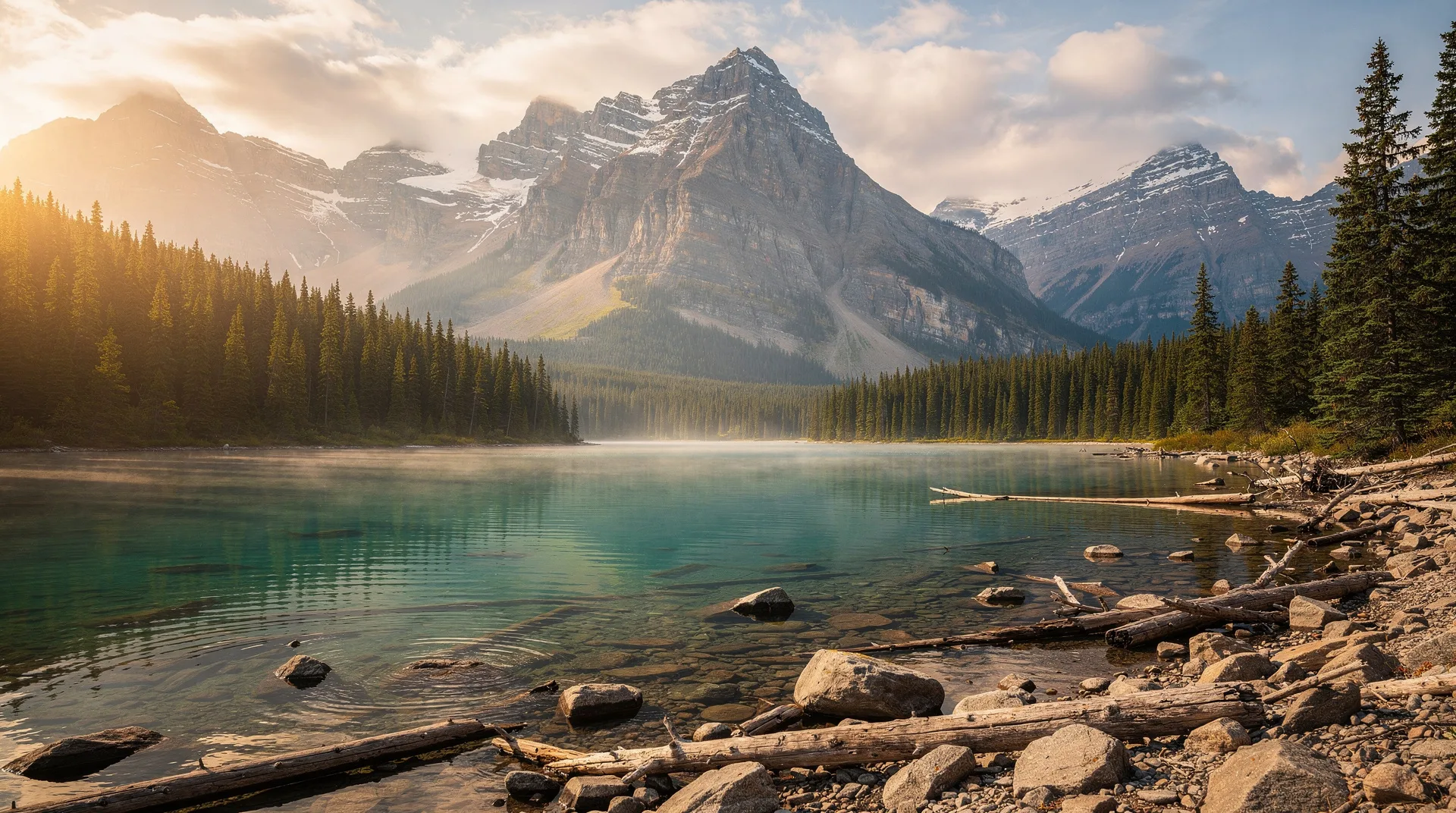
Algonquin Provincial Park is Ontario’s cathedral of wilderness — a 7,653-square-kilometre protected area of Canadian Shield lakes, rivers, and boreal and mixed forest that has defined the outdoor experience for generations of Ontario residents and visitors. Established in 1893 as the province’s first provincial park, Algonquin is older than most of Canada’s national parks and represents something more elemental than park infrastructure: an intact ecosystem within a day’s drive of 15 million people.
| At a glance | |
|---|---|
| Where | Central Ontario, 2.5 hours north of Toronto via Highway 400/11/60 |
| Cost | Ontario Parks vehicle permit around CAD $21/day; interior camping permits and campsite fees on top |
| Time needed | 2-5 days; a half-day is possible for Highway 60 sights alone |
| Getting there | Self-drive only — no public transit reaches the park |
| Best time | Late September for fall colour; June to August for paddling, though June brings heavy bugs |
The numbers are staggering: 2,400 lakes, 1,200 kilometres of canoe routes, 45 species of mammals, 272 species of birds, and a wilderness that begins the moment you carry a canoe into the interior. The park’s position on the height of land between the Ottawa River and Great Lakes watersheds means that rivers flow both north and south from its centre, creating a network of interconnected paddling routes that can sustain weeks of travel without repeating a portage.
Paddling the interior
The interior canoe routes are the heart of the Algonquin experience. The permit system manages access, and routes range from one-night beginner paddles on single lakes to multi-week wilderness expeditions crossing dozens of portages. The quality of the experience is directly proportional to how far you get from the Highway 60 corridor — two portages from a lake access point and the density of other paddlers drops dramatically.
Classic beginner routes include Canoe Lake (which you can drive to and paddle out on within the same afternoon), the Tim River route from Mew Lake, and the Cache Lake loop from the East Beach. For those with experience, the Petawawa River route provides a multi-day river journey with significant rapids. The Haliburton Forest canoe route from the park’s east side is less travelled and offers some of the most remote interior paddling available within the park.
Canoe rentals and portage taxi services are available at several outfitters along Highway 60 and at interior access points throughout the park. Guided canoe trips for beginners are offered by several park-licensed outfitters, and you can compare guided tours in Algonquin Park before you book.
If this is your first time planning a paddling trip, our Algonquin canoeing guide walks through route choice and gear in more detail, and the wider Ontario canoeing routes overview shows how Algonquin compares with other paddling regions in the province. For the rules that apply once you pitch a tent, read the Canadian camping rules before you leave home.
Browse Ontario wilderness tours and Algonquin Park guided experiencesTop things to do in Algonquin Park
Moose watching along Highway 60
The Highway 60 corridor — the 56-kilometre paved highway that crosses the park’s southern portion between the West Gate and the East Gate — provides some of the best moose viewing in eastern Canada. Moose are present in large numbers throughout the park, and the roadsides and wetlands visible from the highway are regular congregation points. Dawn and dusk drives in May and June (when moose seek mineral licks along road margins) and during September rutting season produce sightings with high reliability. Slow down — moose on roads are a genuine hazard as well as a wildlife observation opportunity.
Fall colour on Highway 60 and the interior lakes
Algonquin’s fall colour season is one of the most celebrated in Canada. The park’s forest is dominated by sugar maple, red maple, yellow birch, and trembling aspen — species that produce the full range of the autumn palette. The peak typically falls in the last week of September and first week of October, varying by a few days with temperature and rainfall. Highway 60 through the park is a spectacular fall colour drive. The interior lakes, viewed from a canoe with the colour reflected on still water, provide the definitive Ontario autumn scene. For timing, viewpoints and photography ideas, see the dedicated Algonquin fall colours guide; to set the park against the rest of the province, the Ontario fall colours guide is the natural companion.
Hiking the ridgeline and lookout trails
The Centennial Ridges Trail (19.4 kilometres, difficult) is the most spectacular hike in the park — a full-day loop above the Booth River valley with multiple rock promontories offering panoramic views of the lake-studded interior. The Lookout Trail (2 kilometres, easy) near Canoe Lake is the most accessible viewpoint hike, reaching an exposed rock lookout in 30 minutes. The Track and Tower Trail (7.7 kilometres) follows old railway grades through mature forest with excellent birding throughout.
Canoeing and camping with wolves
The Algonquin Wolf — the rare eastern wolf that is distinct from both grey wolf and coyote — inhabits the park and howls regularly through the summer months. The Park Naturalists’ Public Wolf Howl, held on Thursday evenings in August when wolf activity is reliably reported, is one of the most extraordinary wildlife events in Canada: hundreds of people standing in the dark on a forest road, listening to a wolf pack howl back at the guide’s imitations. The experience is not guaranteed (it depends on wolf location and cooperation) but successful events are unforgettable.
Algonquin Park Visitor Centre
The Algonquin Park Visitor Centre on Highway 60 is one of the finest interpretive facilities in Canada’s provincial park system — exhibits on the park’s natural and human history, exceptional wildlife displays, a well-stocked bookshop, and a theatre program. The exhibits on the park’s logging history (commercial logging has been permitted in Algonquin since 1901 and continues in parts of the park today, a fact that generates ongoing debate) are unusually candid. The Centre is also the daily hub for park naturalist programs.
The Tom Thomson connection
The Group of Seven painter Tom Thomson drowned in Canoe Lake in 1917 — an event whose circumstances have never been conclusively explained and which has generated decades of speculation. Thomson’s paintings of Algonquin’s interior lakes, pine trees, and autumn landscape are the most famous visual images of the Canadian wilderness. The park museum at the Visitor Centre interprets the Thomson story, and a monument marks the site of his original grave site near Canoe Lake.
Birding in the boreal and mixed forest
Algonquin is one of the premier birding destinations in Ontario. The boreal portion of the park (north of Highway 60) harbours species rarely found farther south: Black-backed Woodpecker, Boreal Chickadee, Spruce Grouse, Connecticut Warbler, and both Great Gray Owl and Northern Hawk Owl in winter. Common Loons nesting on interior lakes provide one of the defining sounds of the Canadian wilderness. The spring migration (May) and breeding season (June) are the peak periods.
Best areas in the park
Highway 60 corridor (between West Gate and East Gate) contains all the park’s day-use facilities, campgrounds, the Visitor Centre, the Algonquin Art Centre, and access to the main interior canoe routes. This is where most visitors spend their time.
The park interior (reached by canoe or on foot from access points) is where the wilderness experience begins in earnest. The central watershed lakes — Canoe Lake, Tea Lake, Cache Lake, Smoke Lake — are within a short portage of road access points.
The Opeongo Road north of the highway leads to Lake Opeongo, the park’s largest lake and a major wilderness launching point.
The north of the park (accessed from the north via Brent or Achray) is significantly less visited and offers more solitary wilderness paddling.
When to visit
Late September to early October is the finest time for fall colour — universally regarded as one of the great natural spectacles in eastern Canada. Interior lake canoeing with the colour reflected on still water is the peak experience.
June is excellent: loons nesting, moose calves appearing, black bear families with cubs, and the park relatively uncrowded. The bugs (black flies and mosquitoes) are at their most aggressive in late May and early June — head nets and long clothing are advisable.
July and August are peak season for interior camping — the insects have largely subsided, the lake water is warm enough for swimming, and paddling conditions are good. Book interior permits well in advance.
Winter (January to March) is for cross-country skiing on the Highway 60 ski trails and ice fishing on accessible lakes. The park is open year-round but interior camping is extreme cold weather camping for experienced winter campers.
Where to stay
Interior camping (canoe-in sites throughout the park’s 2,400 lakes) is the preferred option for those seeking the full Algonquin experience. Permits are required and must be reserved in advance through Ontario Parks.
Mew Lake Campground (car camping) provides access to Highway 60 activities, the Visitor Centre, and the trailhead for the Track and Tower Trail. The campground has both serviced and unserviced sites.
Canoe Lake Campground and Tea Lake Campground are the most central car camping options for canoe route access.
Killarney Lodge on Lake of Two Rivers is the park’s historic cottage resort — individual log cabins on the lake, full meal service, and a canoe included with each cabin. A Muskoka-style experience within the park boundary.
Arowhon Pines (accessed via a short water crossing from Algonquin) is the most remote and romantic option — a rustic-elegant log lodge on a private lake within park boundaries.
Food and drink
The park has limited food options beyond what you bring yourself. The Portage Store at Canoe Lake is the main supplier of camping supplies, canoe rentals, and basic food items. The store’s restaurant serves meals throughout the day and is the social hub of the canoe route crowd.
The Visitor Centre cafeteria provides basic lunch options. The Algonquin Lunch Stop near the East Gate serves burgers and fried food in a roadside diner format.
The most satisfying food in Algonquin is camp-cooked dinner on an interior lake as the loons call at dusk. Bring what you need.
Getting around
From Toronto, the standard route is Highway 400 north to Barrie, then Highway 26 to Highway 11 north, then Highway 60 east into the park — about 2.5 hours to the West Gate. Alternatively, Highway 35 from Lindsay via Haliburton reaches the park’s east areas through Dwight.
There is no public transit into Algonquin Park. A car is required for reaching the park and accessing the Highway 60 corridor facilities. Once inside the park, canoe is the primary means of interior travel, supplemented by portage trails on foot.
Day trips and connections from Algonquin Park
Huntsville (45 minutes west) is the gateway town, with a good range of accommodation, restaurants, and services for pre- and post-park logistics. For multi-day visitors based in Muskoka, Algonquin is the natural day-trip extension.
Madawaska Valley (Highway 60 east from the East Gate) continues to the Ottawa Valley — a scenic rural drive through logging country with the Ottawa River at its base.
Algonquin Highlands (Haliburton County south of the park) offer a less protected but equally scenic continuation of the Canadian Shield lake country.
Building Algonquin into a wider Ontario trip
Algonquin works well as the wild centrepiece of a longer journey. Our Algonquin Provincial Park guide goes deeper on planning the visit itself, while the Ontario provincial parks guide helps you decide which other parks deserve a place on the map. Paddlers who enjoy Algonquin often look next at Killarney Provincial Park, another Canadian Shield landscape with a strong canoeing tradition.
For a week-long loop that links wilderness with cities, the 7-day Ontario itinerary is a sensible starting framework, and the best time to visit Ontario guide helps you choose between fall colour, summer paddling and winter quiet. Travellers finishing in the capital can continue to Ottawa after the drive out along Highway 60.
Because this is genuine wildlife country, it is worth reading the Canada wildlife safety advice before any dawn drive or backcountry night. Visitors who like the cottage-country feel on the approach roads can also look at Haliburton Highlands as a base on the park’s southern side.
Permits and reservations
Algonquin runs on a permit system rather than open access, and understanding it in advance saves a wasted trip. A daily vehicle permit (bought at the gate kiosks or online through Ontario Parks) covers Highway 60 day use. Interior camping requires a separate backcountry permit tied to specific access points and travel zones, capping the number of parties allowed onto each route each night — this is what keeps the interior from feeling crowded even in peak season.
Ontario Parks opens reservations for the coming season in early January, and popular access points near Canoe Lake and Opeongo for July and August weekends fill within days. Car-camping sites at Mew Lake, Canoe Lake and Tea Lake campgrounds book on the same Ontario Parks system and follow a similar rush for summer weekend dates. Cancellation windows exist, so late availability does turn up, particularly for weekday interior permits.
Frequently asked questions about Algonquin Provincial Park
Do I need experience to canoe in Algonquin?
For the short accessible routes near Highway 60, basic paddling competence is sufficient — calm water, short portages, and no technical paddling required. For multi-day interior routes, reasonable fitness and canoe handling skills are important. Guided trips are available through licensed outfitters for those who want support and instruction.
What is a portage?
A portage is the overland carry between two lakes or river sections — you carry your canoe and all your gear on your back (or using a portage cart) over the trail from one body of water to the next. Portages in Algonquin range from 50 metres to several kilometres. The word is French Canadian in origin and is fundamental to the Algonquin experience.
When do the fall colours peak?
The peak typically falls between September 25 and October 10, varying year to year with temperature and precipitation. Checking the Ontario Parks colour report in mid-September gives a reasonably accurate prediction for the upcoming peak.
Are the interior campsites crowded?
The permit system manages camping density, and the interior is significantly less crowded than car camping areas. On popular routes within two or three portages of road access, you may encounter several other parties; deep interior routes are genuinely remote. Book permits as early as possible (Ontario Parks opens reservations in early January for the coming season).
Can I see wildlife on a day visit?
Yes. The Highway 60 corridor provides reliable moose viewing opportunities, especially at dawn and dusk. The Visitor Centre trail has good bird life year-round. For bears, wolves, and other mammals, morning and evening time in the park increases sightings significantly.
Is Algonquin safe for families with young children?
The Highway 60 campgrounds, day trails, and Visitor Centre are all family-friendly. Interior canoe trips with young children require careful planning around portage demands and weather unpredictability, but are done successfully by many Ontario families each year.
How does Algonquin compare to Muskoka for a family trip?
They serve different purposes. Muskoka offers resorts, marinas and easy lakeside amenities aimed at comfort; Algonquin is closer to true wilderness, with fewer creature comforts but a far greater chance of seeing moose, hearing wolves howl, or paddling a lake with no other cottage in sight. Many Ontario visitors combine the two — a few resort nights in Muskoka bracketing a shorter, more adventurous stint in Algonquin.
Can I visit Algonquin without a canoe trip at all?
Yes. The Highway 60 corridor alone — moose watching, the Visitor Centre, short trails like the Lookout Trail, and a look at Canoe Lake from the Portage Store dock — makes for a satisfying half- to full-day visit without ever getting in a canoe. It misses the defining interior experience, but it is a legitimate way to see the park on a tight schedule.