Quick facts
- Located in
- East of Vancouver, from Surrey to Hope, BC
- Best time
- April to October; June for berry season; October for harvest
- Getting there
- Highway 1 east from Vancouver; TransLink to Langley and Abbotsford
- Days needed
- 1-3 days
| At a glance | |
|---|---|
| Where | East of Vancouver along Highway 1, from Langley to Hope |
| Cost | Mostly free to explore; U-pick berries and wineries priced per farm, waterfall/park parking modest |
| Time needed | A single day trip, or 1-3 days for a fuller loop |
| Getting there | Highway 1 east from Vancouver; TransLink to Langley/Abbotsford |
| Best time | June-October for farms and berries; April-May for tulips and wildflowers |
The Fraser Valley stretches east from the suburbs of Vancouver for over 150 kilometres, following the Fraser River as it descends from the Coast Mountains toward the Pacific. It is the agricultural heart of British Columbia — the flat, fertile land where most of the province’s berries, vegetables, dairy, and market crops are grown — and it offers a sequence of day trip destinations that ranges from the heritage village of Fort Langley to the dramatic canyon at Hope where the river cuts through the mountains and the road to the Canadian Rockies begins.
The valley is largely overlooked by international visitors who pass through it on Highway 1 en route to Whistler, the Okanagan, or the Rockies, seeing only the commercial development of the highway corridor. This is a navigational error. The Fraser Valley’s side roads, its farm stands, its provincial parks, and its individual communities all reward detours — and the valley’s distances from Vancouver (40 to 160 kilometres, all on good roads) make it ideal territory for day trips or a relaxed few days of loose exploration.
The valley connects naturally to BC’s Interior: the drive through the Fraser Canyon from Hope through Spences Bridge to Kamloops is one of the most dramatic road journeys in western Canada, and the valley marks the transition between the coastal wet climate and the dry warmth of the Interior plateau.
Fort Langley
Overview
Fort Langley is the most historically significant and most visitor-friendly community in the Fraser Valley. The original Hudson’s Bay Company trading post, established here in 1827 on the south bank of the Fraser River, was the commercial hub of the entire Pacific Northwest trade and the site where BC was declared a British colony in 1858. The restored fort, now Parks Canada’s Fort Langley National Historic Site, preserves the core of the original post in working condition, with costumed staff interpreting the daily life of the 1840s fur trade.
Fort Langley National Historic Site
The fort’s buildings — the Big House, palisade walls, cooperage, and trading store — have been reconstructed on the original foundations and are staffed throughout the visitor season by interpreters who demonstrate the trades and activities of the fur trade era: cooperage, blacksmithing, musket demonstration, and the complex cultural negotiation of the Stó:lō First Nations’ relationship with the HBC post.
The site is genuinely well-done by Canadian standards of historic interpretation — it rewards taking time to talk with the staff rather than simply walking through. The re-enactment of the 1858 colonial proclamation ceremony (staged periodically) is one of the most theatrical moments in BC heritage tourism.
Fort Langley village
The village of Fort Langley that has grown around the historic site is a pleasant heritage streetscape of independent restaurants, galleries, antique shops, and boutiques along Glover Road. The bakeries and cafes in the village are reliably good. The Fort Langley Farmers Market on Saturday mornings (late spring to autumn) has excellent local produce. The overall atmosphere — heritage buildings, the river close by, the fort visible at the end of the road — is among the most agreeable in the Fraser Valley.
Bridal Veil Falls and the Valley’s Provincial Parks
Bridal Veil Falls
Bridal Veil Falls Provincial Park, immediately off Highway 1 east of Abbotsford, is one of the most accessible waterfall experiences in BC. The trail to the falls from the parking area is 600 metres one-way on a paved path through second-growth forest, ending at the base of a 60-metre falls that spreads over a wide rock face in a bridal-veil pattern — most impressive in spring and early summer when snowmelt keeps the flow at maximum. The park is genuinely beautiful and chronically underappreciated because of its proximity to the highway.
Cultus Lake Provincial Park
Cultus Lake, south of Chilliwack in a forested valley near the US border, is the Fraser Valley’s most popular summer recreation destination and one of the warmest freshwater lakes in BC. The provincial park around the lake has extensive camping, sandy beaches, and calm water suitable for swimming and paddleboarding. The lake warms to 22–24°C in July and August. The adjacent community has water park facilities and boat rentals.
Chilliwack Lake Provincial Park
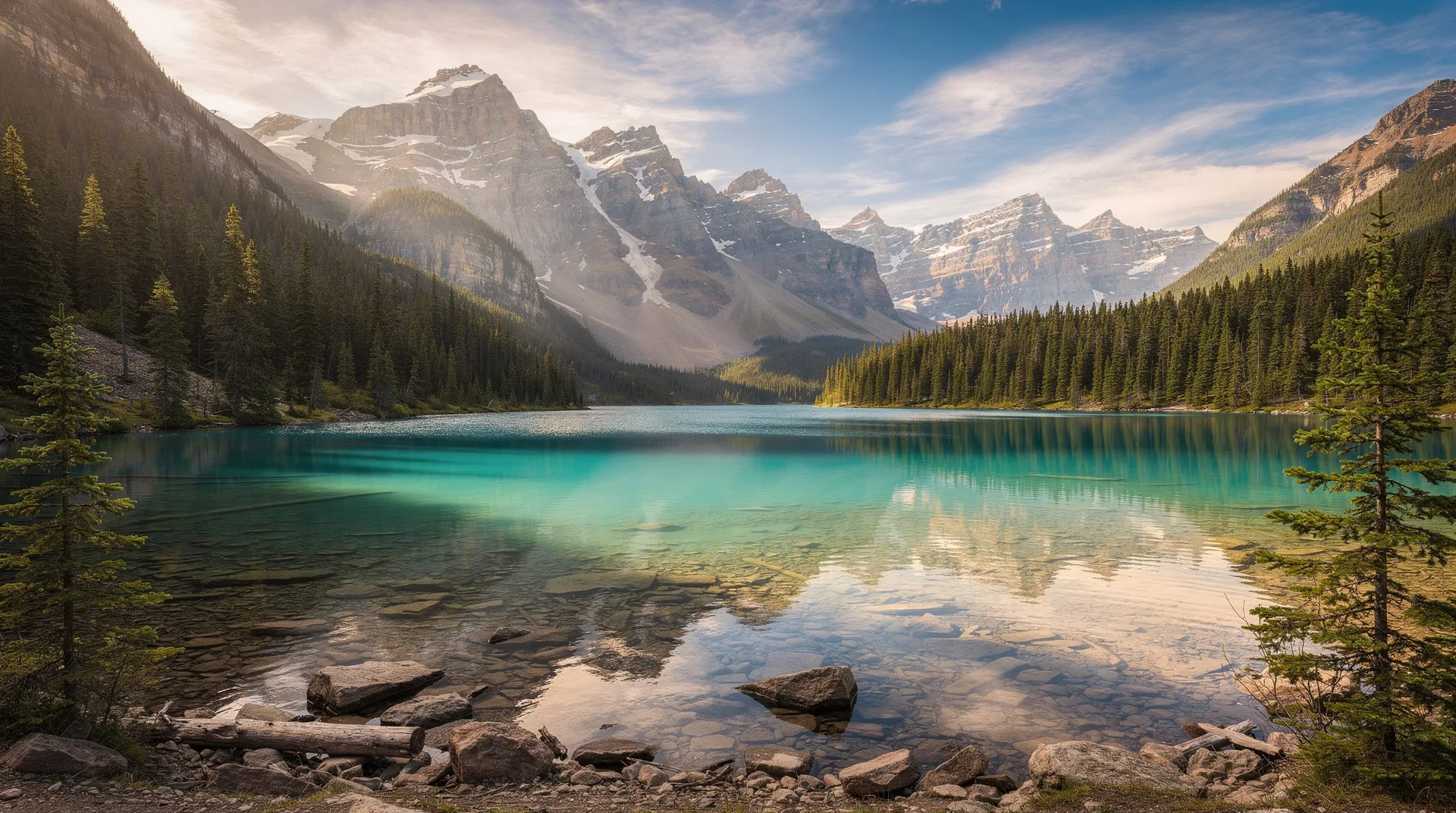
Chilliwack Lake, 70 kilometres east of Chilliwack on a Forest Service road, is a less-visited alternative with spectacular mountain scenery — the lake sits in a glacially carved valley beneath peaks of the Cascade Range, with the Chilliwack River entering at the eastern end. The provincial park has good camping and the Chilliwack Lake trail system provides access to a network of backcountry hiking and the Border Route Trail into Washington State.
Book a Vancouver to Fraser Valley day tour on GetYourGuideFarming, markets, and berries
The Fraser Valley berry season
BC’s Fraser Valley produces the vast majority of Canada’s blueberries, raspberries, strawberries, and cranberries. The berry season begins in June with strawberries, runs through July with raspberries, and peaks in August with blueberries — the valley’s most significant crop. The flat, fertile delta land between Langley, Abbotsford, and Chilliwack is where most of the production occurs.
U-pick farms throughout the valley are open to the public during the berry season, and the experience of picking blueberries on a sunny August morning in the Fraser Valley — filling a box with fruit still warm from the sun — is one of the most satisfying food experiences available in BC. Prices at the farm gate are significantly lower than retail, and the freshness is incomparable.
The Krause Berry Farms near Langley is one of the most complete farm experience destinations — U-pick strawberries, raspberries, and blueberries, plus a farm winery producing fruit wines and a bakery famous for its waffles. It is family-oriented and well-operated.
Farm markets and farm stands
The Fraser Valley Farmers Market network operates at multiple locations throughout the valley, and the quality of produce available — particularly the vegetables, herbs, and specialty crops from the Mennonite farming community around Abbotsford and Chilliwack — is outstanding. The Abbotsford Farmers Market and the Chilliwack Farmers Market both operate on weekend mornings through the summer and autumn seasons.
Alongside the organised markets, roadside farm stands appear throughout the valley from May onward, selling whatever the season is producing. These informal stands — sometimes unstaffed with an honour system payment box — are often the best way to buy local produce.
The Fraser Canyon and Hope
Hope
Hope is the town at the eastern end of the Fraser Valley, where Highway 1 begins the spectacular Fraser Canyon route north toward Cache Creek and Kamloops. It is also the starting point for three provincial highways that diverge in different directions: the Coquihalla (Hwy 5) north to Merritt and Kamloops; the Hope-Princeton (Hwy 3) southeast through Manning Park to the Okanagan; and the Trans-Canada (Hwy 1) through the canyon.
Hope itself is a pleasant small town with a surprising number of chainsaw sculptures (the result of the Hope Wood Carving Festival), a good bakery, and a position on the Fraser River with views of the surrounding mountains that become increasingly dramatic as the canyon begins north of town.
Othello Tunnels / Quintette Tunnels
The Coquihalla Canyon Provincial Park north of Hope preserves five tunnels from the Kettle Valley Railway — narrow passages blasted through solid granite canyon walls in the early 20th century that now form a walking route through one of the most dramatic gorges in BC. The tunnels are short (the longest is about 200 metres), pitch dark within, and the views from the tunnel openings of the Coquihalla River gorge far below are spectacular. The walk through all five tunnels and back takes about an hour and is one of the most unusual hiking experiences in the valley.
The Fraser Canyon route
Highway 1 through the Fraser Canyon north of Hope is one of the most dramatic highway routes in Canada — the road clings to canyon walls above the river, passing through tunnels, beside sheer cliffs, and through communities where the canyon briefly widens enough to allow settlement. Hells Gate (accessible by cable car) is the narrowest point of the canyon at 35 metres wide, where the entire flow of the Fraser River is compressed into a narrow gorge that has historically defeated salmon migration during flooding. The Hells Gate airtram is an enjoyable tourist experience with good canyon views. If you would rather not drive the canyon yourself, you can compare guided tours across British Columbia.
Wineries and cideries in the Fraser Valley
The Fraser Valley wine region has grown significantly in the last 15 years, driven by the same interest in local production that has energised the Okanagan wine industry. The valley’s cooler, wetter climate favours different grape varieties than the Okanagan — cool-climate whites (Ortega, Bacchus, Schönburger) and hybrid reds perform better than the Bordeaux varieties that dominate the Okanagan.
Chaberton Estate Winery in Langley is one of the valley’s most established wineries and a reliable entry point for Fraser Valley wines. The Bacchus and Ortega whites are the benchmarks.
Township 7 Vineyards and Winery has a Langley location alongside its South Okanagan properties and produces well-regarded wines from both regions.
Meadowbrook Farm Estate Winery at Abbotsford makes serious use of its estate fruit and is a good stop on any Abbotsford-area farm market day.
Sea Cider Farm and Ciderhouse is technically just across the border into Saanich Peninsula on Vancouver Island, but the BC craft cider movement is well-represented throughout the Fraser Valley by multiple small producers at the Abbotsford and Langley farm markets.
Harrison Hot Springs and extending the trip
Harrison Hot Springs, on the shore of Harrison Lake north of Agassiz, is a natural extension of a Fraser Valley trip — geothermal hot pools, a lakeside resort village, and a quieter pace than the Highway 1 corridor towns. It pairs naturally with a Fort Langley or Bridal Veil Falls day if time allows a wider loop.
Travellers continuing east from Hope have two classic routings: the Coquihalla north toward Kelowna and the Okanagan Valley wine country (see the complete Okanagan wine guide), or the Fraser Canyon route toward the BC Interior and eventually the Rockies. Both make the Fraser Valley a genuinely useful first or last stop on a longer BC road trip rather than a pure Vancouver day trip.
Cycling in the Fraser Valley
The valley floor is largely flat and has an extensive network of dedicated cycling routes. The Trans Canada Trail (Confederation Trail in BC) runs through the valley from Mission east toward Hope. The Vedder Mountain Trail network near Chilliwack provides mountain biking. The Abbotsford Dyke Trail along the Sumas River dyke system is a flat, scenic cycling route through farmland.
The Heritage Trail network connecting Fort Langley to the surrounding farmland and riverside areas is an excellent half-day cycling route for visitors based in Fort Langley.
Pairing the Fraser Valley with other BC stops
The valley works well as a relaxed opening or closing chapter to a wider trip. Visitors who want a first look at the city before heading east can start with the Vancouver overview and the best tours in Vancouver, then use the valley as a slower, greener contrast. Those weighing a mountain-resort leg afterwards will find the Vancouver to Whistler guide and the Squamish page useful for deciding how far to push the itinerary.
If the farm and wine side of the valley appeals most, the Okanagan wine guide shows how the interior wine country differs in climate and style. For travellers building a full loop, the BC in 7 days and BC in 10 days itineraries show where a Fraser Valley stop fits between the coast, the Interior, and the mountains. Anyone planning the drive itself should read the BC driving distances guide and the notes on the Crowsnest Highway, which shares the Hope junction with the routes described above.
Outdoor-minded visitors can extend the trip with the best hikes in BC, and those who enjoy soaking after a day outside can compare the valley’s hot springs with the options in the BC hot springs guide. Seasonal planning is easier with the best time to visit BC page, especially if you are choosing between berry season and autumn colour.
Getting to and around the Fraser Valley
Highway 1 east from Vancouver provides direct access to all valley communities, with the drive to Fort Langley taking 45 minutes, Abbotsford 1 hour, Chilliwack 1.5 hours, and Hope 2 hours.
TransLink’s West Coast Express commuter rail connects Vancouver’s Waterfront Station to Mission in the Fraser Valley in approximately 80 minutes on weekday mornings and afternoons. The service is not designed for tourist use (it runs peak-direction commuter hours only) but can be useful for visitors staying in the valley.
Several BC Transit systems operate within the valley — Langley, Abbotsford, and Chilliwack all have local bus services, though they are not oriented toward tourist mobility.
Where to stay in the Fraser Valley
The valley is within day trip range of Vancouver for all its main attractions, and most visitors base themselves in the city. However, for visitors planning to spend multiple days or who want to access the eastern valley without a Vancouver commute, accommodation is available throughout.
Sandman Hotels in Abbotsford and Chilliwack are the most reliable mid-range chain options. Fort Langley Bed and Breakfasts offer the most characterful accommodation in the valley, particularly for visitors focused on the heritage area.
Provincial campgrounds at Cultus Lake, Bridal Veil Falls, Chilliwack Lake, and the Coquihalla Canyon offer good camping options for those travelling with tents or campers.
When to visit the Fraser Valley
June to August is peak season for farm experiences — strawberry and raspberry season in June and July, blueberry U-pick in August, and the full agricultural market season throughout.
September and October are the most beautiful months: harvest season in full swing, autumn colour on the hillsides and in the canyon, and the river at its autumn low, revealing sandbars and wildlife. The Chilliwack area apple orchards in October are particularly atmospheric.
April and May bring the valley to life after winter — tulip farms near Abbotsford (the Fraser Valley Tulip Festival is in April) and the spectacular wildflower season in the provincial parks of the eastern valley.
| Month | Weather | What’s on | Crowds |
|---|---|---|---|
| Apr-May | Cool, greening | Tulip Festival, wildflowers, spring waterfall flow | Low |
| Jun-Jul | Warm | Strawberry then raspberry U-pick, Cultus Lake swimming | Moderate-high summer weekends |
| Aug | Hot | Peak blueberry U-pick, lake at its warmest | High |
| Sep-Oct | Mild, cooling | Harvest, apple orchards, autumn colour | Moderate |
| Nov-Mar | Cool, wet | Quietest, indoor/winery visits, off-season rates | Low |
Frequently asked questions about the Fraser Valley
What is the best day trip from Vancouver in the Fraser Valley?
Fort Langley is the most rewarding single day trip — combining the National Historic Site with the village’s restaurants and the Saturday farmers market. For a nature-focused day, Bridal Veil Falls and Cultus Lake together make an excellent loop. For a full valley experience in one day, drive from Fort Langley east through Abbotsford to Hope, stopping at Bridal Veil Falls and the Othello Tunnels.
Is the Fraser Valley good for cycling?
Yes, particularly the flat central valley around Langley, Abbotsford, and Chilliwack. The dyke systems along the Fraser River and its tributaries create flat cycling corridors through farmland with good scenery and minimal traffic. The Heritage Trail network in Langley is the most developed cycling destination.
Can you see the Rocky Mountains from the Fraser Valley?
Not directly, but the Cascade Range peaks visible from Hope and the eastern valley are dramatic by any standard. The Rockies themselves begin approximately 750 kilometres east via the Trans-Canada Highway. The drive from Hope through the Fraser Canyon to the Rockies is one of Canada’s great road trip routes.
Can I combine the Fraser Valley with the Okanagan on the same trip?
Yes, and it’s a natural pairing. From Hope, the Coquihalla Highway reaches Kelowna and the Okanagan Valley wine region in about 3 hours, making a Fraser Valley day or two followed by an Okanagan wine leg a logical BC road trip structure.
Is Harrison Hot Springs part of the Fraser Valley?
Yes — Harrison Hot Springs sits at the northern edge of the valley on Harrison Lake, about 90 minutes from Vancouver, and is often combined with a Fraser Valley day trip or used as an overnight stop.