Best Time to Visit Jasper: Month-by-Month Guide
When is the best time to visit Jasper?
For most visitors: late June through early September for full access to all activities. September offers fall colour with fewer crowds. Winter (December-March) is excellent for stargazing, dark sky events, and Maligne Canyon ice walks. Avoid April-May shoulder if possible — limited services.
At a glance
| Where | Jasper National Park, Alberta Rockies, north of Banff |
| Peak season | Late June through early September |
| Best value with good conditions | Mid-September to early October |
| Winter highlights | Maligne Canyon ice walks, Dark Sky Festival (around February) |
| Park pass | Parks Canada day pass or Discovery Pass required — not free |
| Getting there | See Getting to Jasper for road and rail access |
Jasper National Park has a longer effective season than many assume. Full summer operations run from June through early September. Fall delivers September and early October gold. Winter transforms the park into a dark-sky and ice-activity destination with genuine attractions that many summer visitors don’t realise exist. The only period most visitors should avoid is the April-May shoulder, when summer services haven’t yet started and winter activities have ended.
This guide breaks Jasper down month by month, with honest assessment of what you can do, what you’ll pay, and whether each period is worth targeting. For related planning, see best time to visit Banff — the two parks share broad patterns but differ in several important specifics.
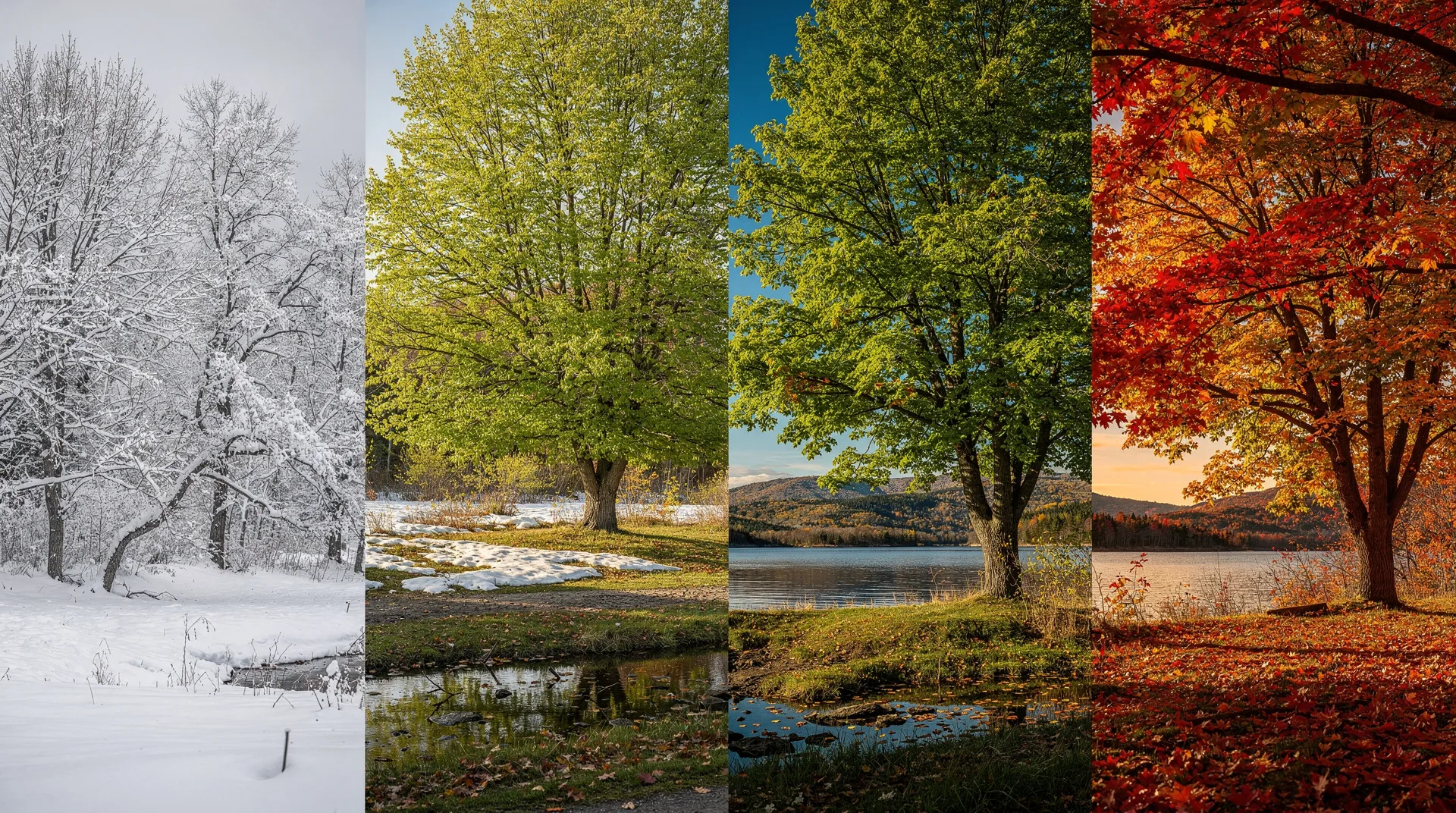
Quick summary by season
Spring (April-May): Generally avoid. Snow melting, trails muddy, limited services, cold evenings. Prices cheaper but value per day is low.
Early summer (June): Good value. All services opening, wildflowers starting, wildlife active. Some high-altitude snow lingering. Cooler than peak summer.
Peak summer (July-August): Hottest, most crowded, most expensive, but everything is open and accessible. Classic Jasper experience.
Fall (September-early October): Often the best time for photographers and return visitors. Quiet, cool, golden.
Late fall (mid-October-November): Transition season. Summer operations ending, winter not yet started. Limited.
Early winter (December): Dark sky festival, ice walks opening, some ski operations starting. Cold but quieter.
Deep winter (January-February): Spectacular cold, dark sky viewing, ice walks at Maligne Canyon, skiing at Marmot Basin. Limited but distinctive experience.
Late winter (March): Cold stable weather, all winter activities operating. Often the best winter month.
Month by month
January
Character: Deep winter. The park is genuinely cold — daytime highs typically -5 to -15 degC, overnight lows routinely below -20 degC. Short daylight (sunrise around 8:30, sunset around 4:30).
What’s open: Maligne Canyon ice walks (the signature January experience), Marmot Basin ski resort, limited hotels and restaurants in Jasper town, Miette Hot Springs (closed for maintenance January-early February typically).
What’s closed: Most summer operations — SkyTram, boat tours, many hotels at Pyramid Lake, and most hiking trails are snow-covered.
Highlights:
- Maligne Canyon frozen. The waterfalls and the canyon bottom become solid ice in January. Guided ice walk tours are the single best Jasper winter experience.
- Dark Sky viewing. Longest nights of the year; clearest skies typical. Northern lights possible on active nights.
- Marmot Basin skiing. Full winter ski operations with the usual Rockies quality snow.
- Winter photography. Hoarfrost, animal tracks, frozen lakes — all at their most striking.
Who it suits: Dark sky enthusiasts, ice walk participants, skiers, winter photographers, people who want a genuinely quiet time in the mountains. If you plan to join an ice walk, you can book guided tours in Jasper ahead of time.
Who should avoid: First-time visitors wanting the full Jasper summer experience; families with very young children.
Pricing: Low to moderate. Mid-range hotels often offer significant winter discounts.
February
Character: Similar to January but often with longer daylight. Dark Sky Festival typically held mid-to-late February — the park’s marquee winter event with special programming, stargazing events, and guided experiences.
What’s open: Same as January plus Dark Sky Festival programming, Miette Hot Springs reopens in mid-February typically.
Highlights:
- Dark Sky Festival. Multi-day programme of astronomy talks, guided dark-sky tours, planetarium events.
- Ice walks at peak ice conditions. Maligne Canyon ice is at its most stable and dramatic.
- Marmot Basin. Excellent snow conditions for most of February.
Who it suits: Dark sky enthusiasts specifically timing their visit to the festival, winter adventurers, skiers.
Pricing: Moderate during the Dark Sky Festival; moderate elsewhere in the month.
March
Character: Still winter but days lengthening quickly. Daytime highs warm into the -5 to +5 degC range by late March. Overnight lows remain cold.
What’s open: Winter operations continuing, Miette Hot Springs reopened, some outfitters beginning to take early-spring bookings.
Highlights:
- Late-season skiing. Marmot Basin typically operates through early May, with March being some of the best powder and sunshine of the ski season.
- Ice walks still running. The last reliable month for Maligne Canyon ice walks; by late March, some thawing begins.
- Sunrise/sunset photography. Longer golden hours than January-February.
Who it suits: Late-season skiers, winter photographers, visitors wanting winter-quiet with more daylight.
Pricing: Low to moderate; often the best value of the ski season.
April
Character: Transition chaos. Days are long but conditions are mixed. Snow melting at lower elevations but still extensive at higher ones. Trails muddy, lakes often still frozen, most summer services not yet open. Many restaurants and hotels close temporarily for maintenance.
What’s open: Limited. Some hotels and restaurants; few activities.
What’s closed: SkyTram, boat tours, most outfitters, most trails, many hotels.
Highlights: Bear sightings as bears emerge from hibernation. Aurora still visible through early April on clear nights. Pricing at its lowest.
Who it suits: Budget travellers without high expectations; locals and return visitors for specific purposes.
Who should avoid: First-time international visitors. The experience is limited and often disappointing compared to other months.
Pricing: Low.
May
Character: Spring is arriving but Jasper lags Banff by 2-3 weeks. Snow still melting at elevation; lower trails becoming passable. Lakes thawing; wildflowers beginning at low elevations. Weather unstable.
What’s open: Many summer services opening mid-to-late May. Pyramid Lake Resort typically opens. Boat tours usually start late May. SkyTram starts late March to April but operations limited early on.
Highlights:
- Waterfalls at peak flow. Athabasca Falls and Sunwapta Falls are spectacular with spring runoff.
- Bear viewing. Black bears and grizzlies out and actively feeding on new grasses.
- Low prices, low crowds. If you can tolerate the uncertainty, May can be genuine bargain territory.
- Elk calving. Cow elk give birth in spring; calves visible from mid-May onward.
Who it suits: Budget travellers, photographers interested in high water and spring colour, wildlife watchers.
Who should avoid: Visitors with specific activity goals that require consistent weather (rafting, high-altitude hiking).
Pricing: Low, rising toward the end of the month.
June
Character: Summer arriving properly. Low to mid-altitude terrain is fully accessible; high country still has some snow in early June but clear by late June. Wildflowers peaking in mid-altitude meadows. Wildlife extremely active. Days are long (sunrise 5:30, sunset 9:45).
What’s open: Nearly everything. Rafting starts mid-June. SkyTram in full operation. Boat tours on Maligne Lake. Most outfitters active.
Highlights:
- Wildflowers. Subalpine zones like Cavell Meadows start blooming mid-June.
- Bear viewing at peak. June is the best single month for bear sightings in Jasper.
- Long days. 17+ hours of daylight in late June.
- Elk calving continues. Small calves visible with mothers.
- Rafting season begins. Athabasca rafting starts mid-June.
Who it suits: Most visitors, particularly those wanting summer experience without peak crowds or prices.
Pricing: Moderate in early June, approaching peak in late June.
July
Character: Peak summer. Warmest temperatures (typical highs 22-25 degC in the townsite, cooler at elevation). Longest days. Most crowds. Highest prices. Everything open.
What’s open: All summer operations at full capacity.
Highlights:
- Full trail access. High-elevation terrain (Skyline Trail, Wilcox Pass alpine sections) fully open.
- Wildflowers at peak. Subalpine and alpine meadows at their best.
- All activities operating. Maximum choice and availability.
- Maximum daylight. Early July has 17+ hour days for extended activities.
Drawbacks:
- Crowds. Popular sites (Maligne Canyon, Pyramid Lake, Maligne Lake boat tours) can feel busy.
- Price. Peak pricing across accommodation, tours, and rentals.
- Bookings needed. Most accommodation should be booked 4-6 months ahead.
- Wildfire smoke. Risk of reduced visibility from Canadian wildfires.
Who it suits: Visitors with classic summer expectations (peak hiking, wildflowers, long days), families aligned with summer vacation, first-time visitors wanting the full experience.
Pricing: Peak.
August
Character: Similar to July but often slightly warmer, drier, and more reliable weather. Afternoon thunderstorms less frequent than July in some years. Wildfire risk higher.
What’s open: Everything.
Highlights:
- Stable weather. Often the most consistent weather month in Jasper.
- Wildflowers still strong through mid-August.
- Wildlife feeding heavily as animals prepare for winter.
- Longer nights returning by month-end, improving stargazing conditions.
Drawbacks:
- Crowds remain high.
- Price remains peak.
- Wildfire smoke most likely in August of recent years.
Pricing: Peak.
September
Character: The connoisseur’s month. Crowds drop sharply after Labour Day. Weather cools to 10-18 degC daytime highs. Fall colour on aspens, birches, and subalpine larches (late September). Wildlife extremely active during the elk rut. Days shortening but still long.
What’s open: All summer operations through early September, tapering through the month. Some closures by late September.
Highlights:
- Elk rut. Bull elk bugling is unmistakable and dramatic from mid-September into October.
- Fall colour. Aspens and birches turn gold late September; larches in the alpine turn gold simultaneously.
- Quiet trails. Post-Labour Day crowds are a fraction of July-August.
- Better photography light. Lower sun angle produces warmer, longer golden hour.
- Clearer air. Cooler temperatures reduce haze; visibility at its finest.
Drawbacks:
- Cooler weather requires layering.
- Earlier sunsets than midsummer.
- Some services closing mid-month onward.
Who it suits: Photographers, return visitors, fall colour enthusiasts, wildlife watchers, solitude seekers.
Pricing: Moderate to low, dropping through the month.
October
Character: Late fall. Temperatures cooler (daytime highs 5-12 degC typically). Snow possible at any elevation. Some summer operations closing by mid-October. Remaining operations often have last-of-the-season feel.
What’s open: SkyTram typically operates through mid-October. Some boat tours end in early October. Trails at low elevation still accessible. Marmot Basin may start early-season ski operations by late October in a good snow year.
Highlights:
- Very quiet. Even fewer visitors than September.
- Stunning early-snow scenery. Freshly snow-dusted peaks with fall colour below is photographically spectacular.
- Low pricing. Some of the best value of the year.
Drawbacks:
- Limited services. Many restaurants and activities closed.
- Weather uncertainty. Possible for unseasonable storms.
- Short days. Sunrise-to-sunset daylight drops to 10 hours by late October.
Who it suits: Budget travellers, photographers seeking quiet, late-season hikers.
Pricing: Low.
November
Character: Early winter. Transitional month; summer is fully over but winter operations haven’t fully started. Cold, short days, typically lots of precipitation. Maligne Lake Road typically closes after Canadian Thanksgiving (early October) through the winter.
What’s open: Some Jasper town operations. Marmot Basin often starts late November. Ice walks and other winter operations typically start late November to early December.
Who it suits: Budget travellers flexible about activities, early-season skiers if Marmot is open.
Who should avoid: Most visitors.
Pricing: Very low.
December
Character: Holiday season. Cold and snowy. Ski season operating fully at Marmot Basin. Ice walks starting. Dark skies excellent. Days short but atmosphere festive in Jasper town.
What’s open: All winter operations up and running by mid-December.
Highlights:
- Ice walks begin. Maligne Canyon starting to freeze properly.
- Festive Jasper. Town lights and community events create a warm atmosphere.
- Dark sky viewing. Christmas-new-year aurora activity possible.
Drawbacks:
- Holiday pricing around Christmas/New Year.
- Cold temperatures.
- Crowded ski resort during holiday weeks.
Who it suits: Ski vacation travellers, families wanting a mountain Christmas, winter enthusiasts.
Pricing: Holiday weeks high; non-holiday December moderate.
Recommendations by visitor type
First-time international visitor: Late June through early September for maximum access.
Photographer: Mid-September for fall colour and golden hour; late February for dark sky; early-to-mid March for powder photography.
Family with school-age children: July-August during school summer vacation. Consider early September for fewer crowds if schedule allows.
Budget traveller: Late May or late September-early October for cheapest prices with good weather.
Winter enthusiast: February (Dark Sky Festival) or March (best ski conditions plus ice walks).
Return visitor from previous summer trip: September for fall; February for winter.
Post-wildfire recovery context: See Jasper wildfire recovery for current status on services, closures, and what’s different.
Jasper versus Banff timing
Jasper’s calendar broadly mirrors Banff’s, but two things run on different schedules. Jasper lags Banff by roughly two to three weeks in spring — snowmelt, trail opening, and wildflower timing all arrive later at Jasper’s slightly higher latitude and more northerly position.
And Jasper’s dark-sky programming (the February Dark Sky Festival, plus Maligne Canyon ice walks through the winter) is a genuine point of difference: Banff has good stargazing too, but Jasper markets and programmes around it more deliberately, including ice walks that Banff does not offer at the same scale. If comparing the two parks for a single-park trip, see Banff National Park vs Jasper National Park for the fuller breakdown.
Getting the shoulder season right
April and May are the one stretch of the year most visitors should actively plan around rather than into. Trails are muddy or still under high-elevation snow, many hotels and outfitters near Pyramid Lake have not reopened, and the SkyTram and boat tours are not yet running at full capacity. Budget travellers who don’t mind uncertainty can still find value — bear sightings pick up as animals emerge from hibernation, and prices are at their lowest of the year — but anyone wanting the classic Jasper experience (SkyTram, boat tours, full trail access) should shift into June at the earliest.
Weather expectations by season
| Month | Typical high | Typical low | Daylight | Precipitation |
|---|---|---|---|---|
| Jan | -5 degC | -17 degC | 8h | Snow common |
| Apr | 10 degC | -3 degC | 13h | Mixed rain/snow |
| Jul | 23 degC | 8 degC | 16h | Summer thunderstorms |
| Oct | 8 degC | -3 degC | 10.5h | Snow possible |
Related pages
- Best time to visit Banff — the Banff equivalent
- Jasper in summer — peak season detail
- Jasper in winter — winter activities
- Jasper things to do — full activity overview
- Jasper dark sky stargazing — night experiences
- Getting to Jasper — access routes
- Jasper National Park — full park overview
- Jasper hikes overview — trail planning by season
Frequently asked questions about Best Time to Visit Jasper
Is Jasper colder than Banff?
The two parks are close in latitude and altitude and their weather is broadly similar, but Jasper’s spring lags Banff’s by about two to three weeks, so a May visit will feel noticeably less advanced into spring at Jasper than the same date at Banff.
Do I need a park pass to visit Jasper?
Yes. Jasper is a Parks Canada national park and requires a day pass or Discovery Pass — there is no free general entry, regardless of season.