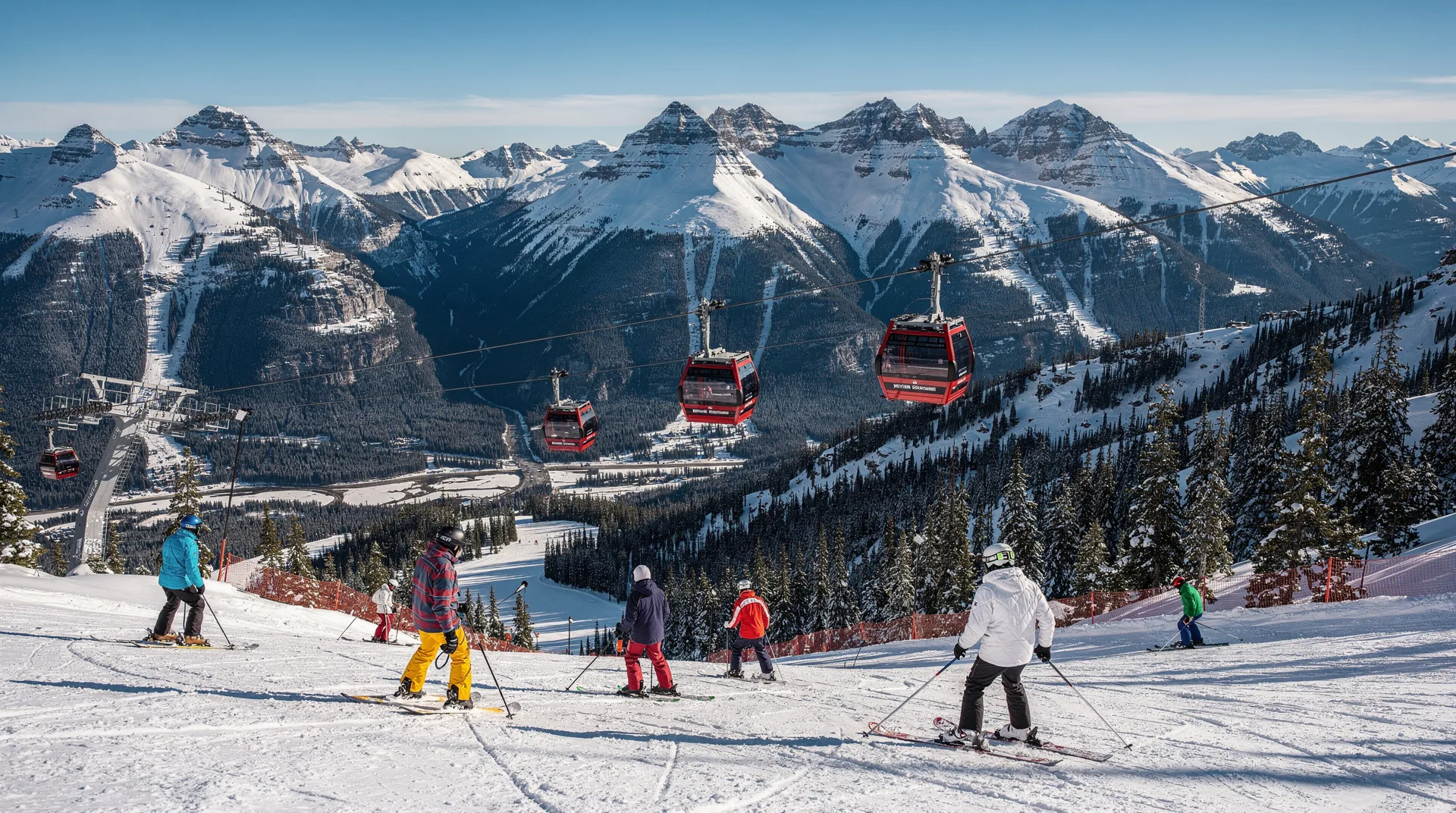
Whistler Weekend: The Perfect 2-Day Trip from Vancouver
Overview
Whistler is 120 kilometres north of Vancouver on one of BC’s most spectacular highways. The drive takes under two hours on a clear road — close enough for a weekend, far enough to feel like a genuine escape. A Whistler weekend is one of the most common trips British Columbians make; it is equally rewarding for visitors discovering it for the first time.
The resort works in every season. In winter, it is the largest ski resort in North America — 200+ runs across two mountains, three glaciers, 8,171 hectares of skiable terrain. In summer, the gondolas run for hikers and mountain bikers, alpine meadows bloom with wildflowers, and the pedestrian village fills with people eating and drinking on terraces in the long summer evenings. Spring and autumn are quieter and considerably cheaper, with the landscape at its most dramatic.
Two days here is enough to cover the mountain experience, the village, and the Sea-to-Sky drive without rushing. This itinerary assumes a car from Vancouver — the fastest and most flexible approach — but coach alternatives are noted below.
At a glance
| Day | Focus | Highlights |
|---|---|---|
| Day 1 | Drive up + afternoon/evening | Sea-to-Sky Highway, Shannon Falls, village arrival |
| Day 2 | Mountain + return | Peak 2 Peak Gondola, hiking or skiing, village, drive back |
Summer version: Peak 2 Peak Gondola, mountain hiking, bike park, Lost Lake, Squamish Lil’wat Cultural Centre.
Winter version: Skiing or snowboarding on Whistler-Blackcomb, snowshoeing, village après-ski.
Best months to visit: December–March for skiing; June–September for summer activities. May and October for quiet shoulder season with lower prices.
Day-by-day
Day 1: Vancouver to Whistler — the drive is part of the experience
Leave Vancouver by 8:00 to miss the morning traffic on the highway and have the early light on Howe Sound. Pick up your rental car at YVR or a downtown location.
Head north on Highway 99, which becomes the Sea-to-Sky Highway as it leaves the suburbs of West Vancouver. The road climbs above Horseshoe Bay and then clings to the cliffs above Howe Sound — one of BC’s most dramatic coastal fjords. The ferry traffic below, the flat dark water, the mountains on both sides, and the road carved into the rock face above the water create a scene that is genuinely cinematic throughout.
Stop 1: Shannon Falls (45 minutes from Vancouver). The falls drop 84 metres from a notch in the cliff face above Highway 99 — the third-highest waterfall in BC, visible in full from a five-minute walk from the parking area. Worth 20 minutes.
Stop 2: Stawamus Chief viewpoint in Squamish. The Chief is an 823-metre granite monolith — the second largest in North America after Rock of Gibraltar. The full hike to one of its three summits takes 3–5 hours; even from the base parking area, the scale of the rock face is extraordinary. Squamish itself has developed a serious food and craft beer scene — Howe Sound Brewing and Backcountry Brewing both make excellent stops if you arrive by mid-morning.
Optional stop: Sea to Sky Gondola in Squamish. A gondola rises 885 metres above Howe Sound to a summit station with a suspension bridge, viewpoint, and trail network. The view back down the sound and toward the Chief is excellent. Budget an hour.
Continue north as the highway climbs into mountain terrain — the peaks close in, the trees change, and the light is different. Pass the Garibaldi Provincial Park access points (Rubble Creek/Black Tusk access is worth noting for future day hikes) and arrive in Whistler by early afternoon.
Check in and explore the village: Park at your hotel and abandon the car. The pedestrian village at the base of Whistler and Blackcomb mountains is entirely car-free — a well-designed resort core with the accommodation, restaurants, and shops concentrated in a compact area walkable in under 20 minutes. Take the afternoon to walk the village, visit the Whistler Museum (small but good for context on the resort’s 1960s origins), and find the Whistler Olympic Plaza — the site of the medal ceremonies during the 2010 Winter Olympics.
Dinner: Araxi Restaurant is the Whistler standard — a farm-to-table menu drawing on BC producers, an exceptional wine list, and a room that is lively without being overwhelming. Book in advance. For something more casual, the Dubh Linn Gate Irish pub, Sushi Village, or the Garibaldi Lift Co. at the base of Whistler Mountain are all solid.
Where to stay:
- Luxury: Fairmont Chateau Whistler (at the base of Blackcomb — one of Canada’s great mountain hotels, with a pool, spa, and ski-in/ski-out access); Four Seasons Resort Whistler
- Mid-range: Summit Lodge Boutique Hotel (in the village, genuinely good service, excellent value for Whistler); Aava Whistler Hotel
- Budget: HI Whistler Hostel (well-located in the village, clean, social atmosphere)
Day 2: The mountains
Wake up early. Whistler’s mountain experiences require most of the day to do properly.
Summer — Peak 2 Peak Gondola and alpine hiking:
The Whistler Village Gondola (Whistler Mountain) and the Blackcomb Gondola both open in the morning. Take either to the top and ride the Peak 2 Peak Gondola — a 4.4-kilometre cable span connecting the two mountain summits, crossing 436 metres above the valley floor. The gondola holds the world record for the longest unsupported cable span and highest point above a valley floor for a lift of its type. The 11-minute crossing — or 28 minutes in one of the glass-floor cabins, which reveal the drop directly below you — is genuinely extraordinary.
From either summit, hike the alpine meadows: the Whistler Mountain interpretive trail above the Roundhouse Lodge passes through sub-alpine and alpine terrain with wildflowers from late June. The Blackcomb Glacier is visible from the summit of Blackcomb Mountain, and the 7th Heaven Express lift accesses higher terrain still.
Back in the valley by mid-afternoon: Lost Lake Park (a network of trails around a small lake with a swimming area, accessible on foot from the village in 15 minutes) or the Valley Trail cycling network for a leisurely afternoon on a rented bike.
Summer — Mountain Bike Park:
The Whistler Mountain Bike Park runs all summer on the same gondola infrastructure. This is the world’s most famous downhill mountain bike venue — 80+ trails across both mountains, from beginner green runs to expert double-black terrain. Full suspension bike rentals and protective equipment are available at the base. Even a beginner can access green and blue runs with a two-hour lesson from the Whistler Bike Park Patrol team. If you would rather have a guide, you can book guided tours in Whistler ahead of time.
Winter — skiing and snowboarding:
The morning priority is the lifts before the mountain gets busy. In high season (December–March), the lifts open at 8:30. Whistler Mountain has the best beginner and intermediate terrain; Blackcomb Mountain has more advanced runs, the Spanky’s Ladder terrain, and Glacier access. A single lift ticket gives access to both mountains on the shared lift system.
For first-timers or those returning after years away, a morning lesson with Whistler Blackcomb Ski & Snowboard School is worth the cost — the instructors are skilled at matching terrain to ability, and the mountain is large enough that poor choices early in the day can lead you somewhere you cannot exit gracefully.
Après-ski in the Whistler Village begins as the lifts close. The Longhorn Saloon, GLC (Garibaldi Lift Co.), and the Dubh Linn Gate are the traditional gathering places. The Fairmont Chateau Whistler’s bar is quieter and considerably more comfortable.
Mid-afternoon: Visit the Squamish Lil’wat Cultural Centre in the village before it closes at 5pm. The centre represents both the Squamish Nation and the Lil’wat Nation, on whose shared and unceded territory Whistler sits. The building is architecturally distinctive and the permanent collection of artworks, regalia, and contemporary pieces is excellent — the most substantive cultural experience available in Whistler.
Return to Vancouver: Leave Whistler by 4:00 or 5:00 to arrive in Vancouver in time for dinner. The drive south is equally beautiful in the evening light — the Sound is dramatic at dusk. Allow 2–2.5 hours for the return, longer in summer traffic.
Browse Whistler gondola, skiing, and mountain toursBudget breakdown
Costs per person, two people sharing, in Canadian dollars:
| Category | Budget (CAD) | Moderate (CAD) | Comfort (CAD) |
|---|---|---|---|
| Accommodation (2 nights) | 250–350 | 450–650 | 900–1,400 |
| Food and drink | 120–180 | 220–320 | 400–600 |
| Rental car (2 days, or coach) | 150–200 | 200–280 | 280–400 |
| Gondola ticket (summer) or ski pass (winter) | 80–120 | 120–160 | 160–200 |
| Activities and extras | 50–100 | 100–200 | 200–400 |
| Total | ~650–950 | ~1,090–1,610 | ~1,940–3,000 |
Winter ski lift tickets for Whistler-Blackcomb cost approximately CAD 130–230 per person per day depending on when you book and the season. Booking well in advance (Epic Pass for Vail Resorts properties, or Ikon Pass) reduces costs significantly.
Getting to Whistler without a car
Whistler Direct Coach (operated by Pacific Coach Lines) runs multiple departures daily from downtown Vancouver and Vancouver Airport to Whistler Village. Journey time is approximately 2.5–3 hours. Book at whistlerdirect.com. This is a practical option if neither person drives or if you want to drink freely on both days.
Snowbus runs in winter specifically for skiers, departing from various Vancouver pickup points and arriving in time for first lifts.
Driving is preferred for flexibility: stopping at Shannon Falls, Squamish, and the Sea to Sky Gondola is easy with a car and would require expensive private transfers otherwise.
Booking tips
- Ski lift tickets: Buy online before you go. Walk-up window prices are the highest. Epic Pass holders ski Whistler-Blackcomb at steep discounts if planned ahead of the season
- Peak 2 Peak Gondola: Buy online — queues can be significant in summer peak days
- Araxi and other popular restaurants: Book at least a week ahead for summer weekends; several weeks ahead for peak winter weekends
- Fairmont Chateau Whistler: Rates are significantly lower in shoulder season (May, October, November). The same hotel at half the price in May is excellent value
- Helmet rental: In winter, helmets are strongly recommended for skiing. All rental shops include them; bring or rent
Variations
From Whistler, go further: Instead of returning to Vancouver, continue north from Whistler to Pemberton (a small farming community in a wide valley with views of Mount Currie) and Lillooet via Duffey Lake Road — one of BC’s most dramatic secondary highways, climbing through mountain passes and descending into a completely different climate zone. This extends the weekend to 3 days and requires a car.
Add Squamish rock climbing: Squamish is one of North America’s premier climbing destinations. The Stawamus Chief and the Smoke Bluffs offer hundreds of routes. Adding a day in Squamish en route to Whistler turns the weekend into 3 days and gives a very different outdoor experience alongside the resort.
Garibaldi Provincial Park day hike: Several trailheads access Garibaldi’s backcountry from the highway between Vancouver and Whistler. The Black Tusk trail (19 km return, full day) and the Garibaldi Lake trail (18 km return) are among BC’s finest hikes. Either adds half a day to the drive north.
Related guides
- Whistler skiing guide
- Whistler Peak 2 Peak Gondola guide
- Vancouver to Whistler drive guide
- Whistler vs Sun Peaks: BC’s top ski resorts compared
- 7-day BC road trip — the weekend extends into a full week
Extending to a longer BC trip
Two days covers the essentials, but Whistler rewards more time if your schedule allows it. A third day opens up the Duffey Lake Road north toward Pemberton and Lillooet, or a proper day of rock climbing in Squamish on the way up rather than a drive-by stop.
Skiers chasing terrain variety sometimes compare Whistler against BC’s smaller resorts — see the Whistler vs Sun Peaks comparison if you are weighing options for a longer ski trip. Those coming from Alberta often ask how Whistler stacks up against the Rockies resorts; the honest answer is different terrain and a different vibe rather than a straightforward “better” — Banff and Whistler compared goes into the detail.
For travellers building a full BC itinerary around this weekend, the 7-day BC road trip or the longer 14-day BC itinerary both use Whistler as one stop among several, pairing it with Vancouver Island, the Okanagan, or the Rockies depending on how much time you have.
A note on the Peak 2 Peak and altitude
First-time visitors sometimes underestimate how much of a Whistler day the mountain genuinely takes. Loading the gondola, riding to mid-station, transferring, and crossing on the Peak 2 Peak easily consumes 90 minutes round trip before any hiking or skiing happens. Build this into your Day 2 plan rather than assuming you’ll be on the trail or the slope within the first half hour. Altitude at the alpine stations (roughly 1,850-2,180 metres) is enough that unacclimatised visitors sometimes notice shortness of breath on steeper alpine trails — nothing serious, but worth pacing for, especially with kids or older travellers in the group.
Frequently asked questions about Whistler Weekend
Do I need a car for a Whistler weekend?
A car makes the trip considerably better because it lets you stop at Shannon Falls, Squamish, and the Sea to Sky Gondola along the way, but it isn’t strictly required. Whistler Direct Coach and, in winter, Snowbus both run regular departures from Vancouver directly to the village, and once there, the resort itself is entirely walkable.
Is one day enough to visit Whistler from Vancouver?
A single day is workable if all you want is a look at the village and a short gondola ride, but it doesn’t leave enough time to do the Peak 2 Peak, a proper hike or ski session, and the Sea-to-Sky stops justice. Two days, as in this itinerary, is the practical minimum for a satisfying trip.
A Whistler weekend is the prototype for what a mountain resort getaway should be: an excellent drive to get there, a world-class mountain experience, a pleasant and walkable village, and good food at the end of it. Most people who do it once plan their second trip before they have left.