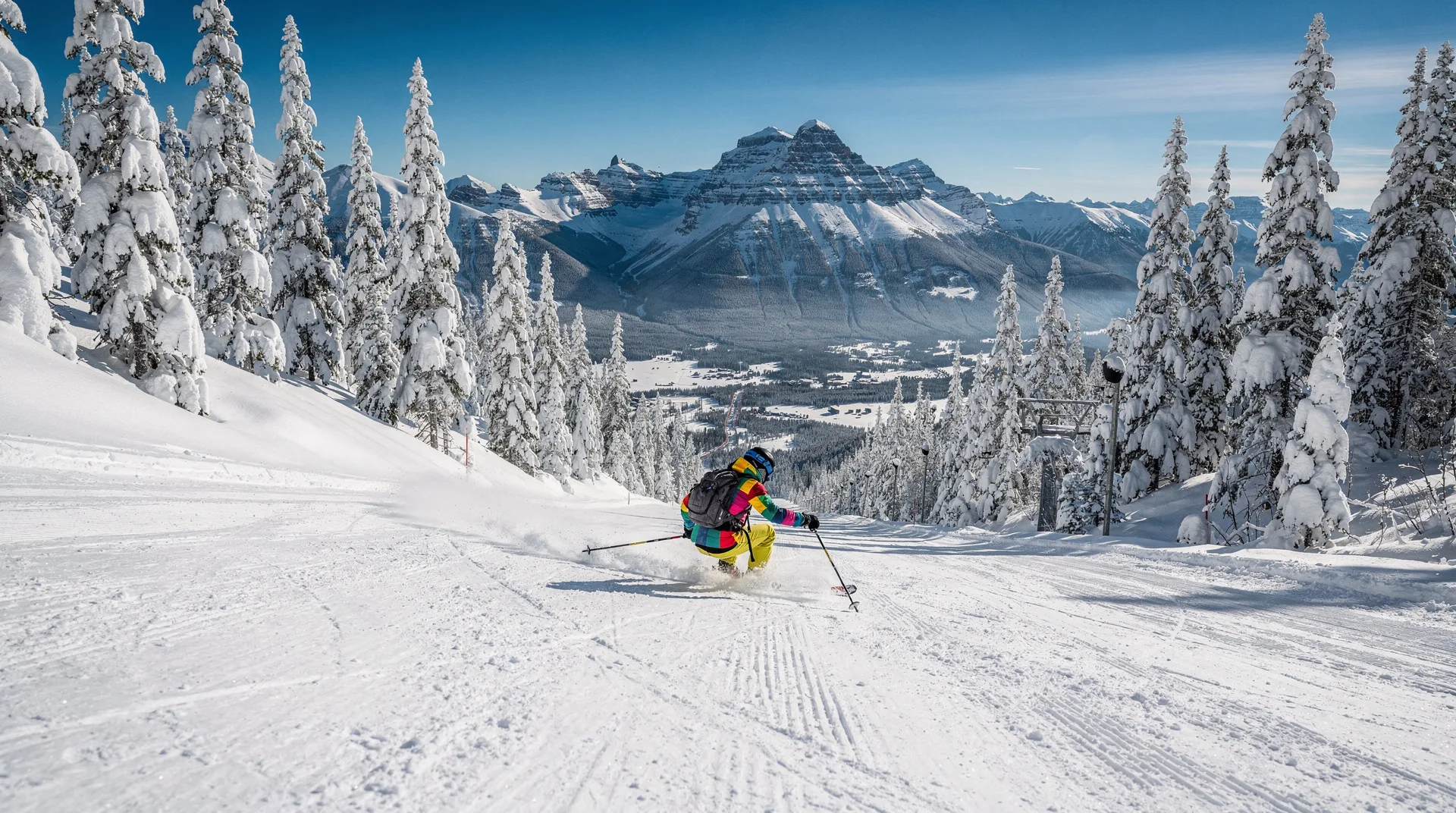
Whistler Blackcomb ski guide: runs, lifts, tips and what to expect
How big is Whistler Blackcomb and is it worth the trip?
Whistler Blackcomb is North America's largest ski resort with over 8,100 acres of terrain, 200+ marked runs, and 37 lifts across two mountains. It consistently ranks as the top ski resort in North America and is considered world-class by any standard. Yes — it is worth the trip.
Whistler Blackcomb has occupied the top position in North American ski resort rankings for so long that it has become almost a given. The numbers make the case simply: 8,171 acres of skiable terrain, 200+ marked runs, a vertical drop of 1,609 metres (the largest in North America), 37 lifts including the world-famous PEAK 2 PEAK gondola connecting the two mountains, and an alpine village at the base that ranks among the most complete ski resort communities on the continent.
But statistics do not capture what makes Whistler Blackcomb exceptional. It is the scale of the experience — the sensation on a clear January day of being high on the Blackcomb Glacier with the Coastal Mountains spread in every direction, the interior plateau visible to the east, and the immensity of the BC wilderness below. It is the village, which manages to combine genuine mountain character with a full-service resort. And it is the snow quality — Whistler receives an average of 11 metres of snow per year, driven by Pacific moisture hitting the Coastal Mountains, producing a snowpack that begins in November and in good years extends skiing into May.
At a glance
| Where | Whistler Village, British Columbia — 125 km / around 2 hrs north of Vancouver |
| Cost | Single-day lift pass around CAD 200-260; multi-day passes bring the per-day cost down |
| Time needed | Minimum 3 full ski days to cover both mountains properly; 5-7 days for a fuller trip |
| Getting there | Self-drive on the Sea-to-Sky Highway (winter tires required Oct 1-Apr 30), or a shuttle from Vancouver |
| Best time | January for the best balance of snow reliability and manageable crowds |
Mountain overview
Whistler Mountain
Whistler Mountain (elevation 2,182 m at the top of the Whistler Peak chair) is the larger of the two mountains and the first to be developed. It covers approximately 3,307 acres of skiable terrain and is broadly divided into several distinct areas:
Whistler Bowl: The alpine area at the top of the mountain, accessed via the Peak Express quad. Open bowls, couloirs, and the famous Peak-to-Creek run (11 km top-to-bottom, one of the longest continuous descents in North America) make this the terrain that defines Whistler for advanced skiers.
Harmony area: Intermediate and advanced terrain with excellent groomed runs and open bowls. Harmony Chair is one of the most scenic lifts on the mountain.
Symphony area: A newer development on the far south side of Whistler Mountain, accessed via the Symphony Express. Less busy than the main Whistler mountain areas, with good intermediate terrain and beautiful views.
West Bowl / Dave Murray / Franz’s run area: The primary route from mountain top to Whistler Village, with classic intermediate and easy green runs. The Dave Murray Downhill — the World Cup downhill course — is steeper than it appears from the valley.
Blackcomb Mountain
Blackcomb Mountain (elevation 2,440 m at the summit of 7th Heaven Express) is technically slightly higher than Whistler and is considered by many experts to have the most interesting advanced terrain:
7th Heaven area: The upper mountain zone on Blackcomb, accessed via the 7th Heaven Express chair. Excellent intermediate and advanced terrain with a range of groomed runs and entry points to the Blackcomb Glacier.
Blackcomb Glacier: The summer skiing zone on Blackcomb. In winter, the Horstman T-bar accesses the glacier area above 7th Heaven, with challenging terrain for advanced skiers. The glacier provides some of the most dramatic high-alpine scenery on the mountain.
Catskinner and Springboard area: Intermediate-focused terrain on the lower Blackcomb, with good grooming and a range of blue runs for developing skiers.
Couloir Extreme and Blackcomb Glacier chutes: Blackcomb’s expert terrain is among the most challenging in North America. The couloirs between the glacier and the main mountain face are steep, narrow, and committing.
PEAK 2 PEAK Gondola
The PEAK 2 PEAK gondola is an engineering marvel and a unique feature of Whistler Blackcomb. It connects the summits of the two mountains — spanning 4.4 km with a vertical lift of 436 metres — in a continuous cable system that takes approximately 11 minutes to cross. The middle span of 3.024 km is one of the longest unsupported gondola spans in the world. Cabins pass 436 metres above the valley floor at the midpoint.
Beyond the spectacle, PEAK 2 PEAK solves the practical problem of skiing both mountains in a day: instead of skiing down to the village and taking a base gondola to the other mountain (losing significant altitude and time), skiers can transfer between the summits mid-mountain. The logistics of a Whistler Blackcomb ski day change entirely with this connectivity.
Browse Whistler ski tours, mountain experiences and activity packagesTerrain breakdown and what suits you
| Level | Percentage of terrain | Best areas |
|---|---|---|
| Beginner (green runs) | 18% | Whistler Mountain Magic chair; Creekside base area |
| Intermediate (blue runs) | 55% | Harmony, Symphony, Whistler Bowl groomed; Catskinner, 7th Heaven |
| Advanced/Expert (black/double-black) | 27% | Couloir Extreme, Blackcomb Glacier, Whistler Bowl, Spanky’s Ladder |
Whistler Blackcomb is genuinely good for all levels. Beginners have dedicated learning zones at both the Whistler and Creekside bases, with gentle greens away from faster traffic. Intermediates have an enormous amount of terrain — the vast majority of the mountain suits confident blue-run skiers. Advanced skiers can spend a week without repeating a challenging run.
The ski school at Whistler is large and well-regarded — lessons are available for all levels, including private coaching with former racers and extreme skiers. Book in advance during peak season.
Whistler village
Whistler Village sits at the base of both mountains at 650 metres elevation. The village was purpose-built — unlike many ski resorts that grew organically from farming or mining towns — and the planning shows: it is pedestrian-only, compact enough to walk everywhere, and connects via the Whistler Village Gondola and Blackcomb Gondola to both mountains within 5 minutes of most accommodation.
The village has over 100 restaurants and bars, ranging from mountainside cafeterias to award-winning fine dining. The après-ski culture is excellent — Garibaldi Lift Co (GLC) at the base of the Whistler gondola is the traditional après-ski focal point, with a deck facing the mountain. The Longhorn Saloon on the main Village Square is another fixture.
Shopping in the village covers ski and snowboard equipment (rentals, repairs, and retail from all major brands), outdoor clothing, art galleries, and boutique lifestyle retail. Groceries are available at the Village Market and Nesters Market.
See our Vancouver to Whistler guide for how to get to the village from Vancouver.
Getting to Whistler
The Sea-to-Sky Highway (Highway 99) from Vancouver to Whistler is one of the most scenic drives in North America — 125 km of winding highway through mountains, fjords, and old-growth forest, reaching Whistler in approximately 2 hours from downtown Vancouver in normal winter conditions.
Winter driving requirements: BC law requires winter tires or chains on Highway 99 between October 1 and April 30. Rental cars for Whistler trips should be booked with winter tires confirmed. The highway is generally well-maintained but can close temporarily for avalanche control or extreme weather events.
Whistler Shuttle: Multiple shuttle services operate from Vancouver Airport (YVR) and downtown Vancouver, arriving directly at Whistler Village hotels. These remove the driving responsibility entirely and are popular for both day trips and longer stays.
Book a full-day Whistler tour from Vancouver, including transportSnowbus runs scheduled daily departures from downtown Vancouver. Epic Shuttle and Whistler Shuttle are two of the major private shuttle operators. Book shuttles well in advance for the Christmas-January and spring break periods.
Whistler has no commercial airport; all access is via the Sea-to-Sky Highway from Vancouver.
Best time to ski Whistler
| Period | Conditions | Crowds | Notes |
|---|---|---|---|
| Late November–early December | Early season; limited terrain | Low | Opening deals; quieter but limited runs |
| Christmas–New Year | Peak season; all terrain open | Very high | Expensive and busy; book months ahead |
| January | Best snow reliability; full season | Moderate | Best combination of conditions and manageable crowds |
| February | Excellent conditions; Spring break building | High (mid-Feb to mid-March) | Presidents’ Week and reading weeks bring crowds |
| March | Spring skiing approaching; often excellent snow | Variable | Shoulder week good value; spring break weeks busy |
| April–May | Spring conditions; corn snow | Low | Excellent for experienced skiers; summit terrain may close |
January is the sweet spot for most visitors: post-Christmas crowds have thinned, snow conditions are typically excellent, and the full mountain is accessible. Mid-week in January or February offers the most uncrowded conditions of the peak season.
Lift pass costs
Whistler Blackcomb lift passes are among the most expensive in North America:
- Single day pass: CAD 200–260 depending on date (peak weekend vs. mid-week; peak season vs. shoulder season)
- Multi-day pass (4–7 days): Better value — approximately CAD 180–210 per day for a 4-day pass
- Season pass: The Ikon Pass and Epic Pass cover Whistler with different access structures — check current season details on Whistler’s website
Early booking discount: Whistler offers discounts for passes purchased months in advance — prices can be 15–25% lower when bought before the season opens. The discounts reduce progressively as the season approaches.
Edge Card: Whistler’s own season pass product for single-resort access. Compare with Ikon Pass (which covers Whistler among 50+ resorts) to determine value based on your travel plans.
Accommodation in Whistler
Whistler Village and adjacent Upper Village and Creekside offer ski-in/ski-out accommodation at varying price points:
- Fairmont Chateau Whistler: The landmark property at the base of Blackcomb, ski-in/ski-out, with full spa and premium facilities. From CAD 600–1,200 per night in peak season.
- Four Seasons Resort Whistler: Upper Village location, ski-in/ski-out, considered by many the best hotel in the resort. From CAD 700–1,500 per night in peak season.
- Pan Pacific Whistler (Village Centre and Mountainside): Good mid-range full-service hotel options. From CAD 300–600 per night.
- Sundial Boutique Hotel: Condo-style hotel with kitchen facilities — good for families or groups wanting self-catering. From CAD 250–500 per night.
- HI Whistler: Hostel accommodation near the village — dorms from CAD 60–90 per night.
All accommodation in Whistler Village must be booked months ahead for Christmas, New Year’s, spring break, and January peak weekends. Mid-week January stays have more availability.
Practical tips for skiing Whistler
Buy lift passes in advance: Never buy at the window. Online advance purchase saves 10–25% and guarantees availability. During peak periods, same-day window tickets may not be available.
Use the PEAK 2 PEAK early: The gondola has a morning rush when all skiers want to cross to the other mountain. Cross early (before the 10am rush) or wait until mid-afternoon.
The mountain is big enough to lose crowds: Even on peak days, the sheer size of Whistler Blackcomb means you can find empty runs. Head to Symphony on Whistler Mountain or the upper glacier areas on Blackcomb and you will have dramatically more space than on the popular Harmony and 7th Heaven runs.
Check the avalanche forecast: The Sea-to-Sky region has active avalanche terrain. In-bounds areas are managed by Whistler ski patrol, but if you venture into out-of-bounds terrain (which requires a beacon, probe, and shovel — and experience), always check the Avalanche Canada forecast first.
Rent equipment in the village: All equipment is available to rent at multiple outlets in the village — equipment is regularly updated and fitting staff are knowledgeable. Reserve rentals online in advance to avoid peak-day queues.
See our Whistler vs Banff comparison for help choosing between Canada’s two premier ski destinations.
First-timer trip planning: how much to budget and when to book
A realistic Whistler ski trip has three big cost blocks — lift pass, accommodation, and getting there — and the largest savings come from booking early rather than shaving costs on the day. Passes bought months ahead of the season can run 15-25% cheaper than late-season walk-up pricing, and the same logic applies to accommodation: Christmas, New Year’s, and February reading-week dates sell out first and at the highest rates. If your dates are flexible, targeting a mid-week stretch in January delivers close to peak-season snow conditions at meaningfully lower prices across passes, hotels, and restaurant wait times.
For visitors deciding between Whistler and a quieter, cheaper BC alternative, see the Whistler vs Sun Peaks comparison — Sun Peaks trades scale for lower prices and lighter crowds, which suits some trips better than Whistler’s bigger, busier resort. And for summer visitors or those wondering what the mountain offers outside ski season, the Whistler Peak 2 Peak Gondola guide covers the non-ski alpine experience in detail.
Building a longer BC winter trip around Whistler
Whistler works well as the centrepiece of a wider winter journey rather than a stand-alone stop. Many visitors fly into Vancouver, spend a night or two in the city, and then head north; the Vancouver destination page covers what to do before or after your ski days, and the Whistler destination page gives the wider picture of the village and its surroundings. If you like the idea of combining the coast with the mountains, Whistler weekend shows how a short stay can be laid out, while the BC ski guide and the BC ski resorts guide place Whistler alongside the province’s other resorts so you can judge how it fits your plans.
For visitors who want to be on the mountain in the quietest part of the season, the Whistler in January guide goes deeper into what that month feels like in practice. Anyone driving up should also read the Vancouver to Whistler guide and the BC driving distances guide before committing to a schedule, since winter conditions on the road can shape how much you plan for the first and last day.
Off the slopes: other winter days around Whistler
A ski trip is more enjoyable when you give your legs a rest day. Rather than forcing a fourth consecutive day on the lifts, consider mixing in something different. The best tours in Whistler page collects guided options that suit a day away from skis, and the snowshoeing in Canada guide explains what to expect if you want a slower pace among the trees. Those interested in the summer side of the same terrain can look at the Whistler Bike Park guide, which shows how differently the same mountain behaves once the snow has gone.
Non-skiers and mixed-ability groups
Whistler handles mixed groups better than most ski resorts because there is genuinely enough non-ski infrastructure to keep a non-skier occupied for a week: the Scandinave Spa, snowshoeing on Lost Lake’s groomed trails, the PEAK 2 PEAK Gondola for sightseeing, and a village dense enough with shopping and dining that a day off the snow doesn’t feel wasted. Families travelling with both skiers and non-skiers should book accommodation within walking distance of the village core rather than at outlying properties, since coordinating separate transport for ski and non-ski activities adds friction to every day.
Frequently asked questions about Whistler Blackcomb ski guide: runs, lifts, tips and what to expect
How many days do I need at Whistler?
A minimum of 3 full ski days allows you to ski both mountains properly. Five to seven days gives you enough time to explore the terrain at different conditions, venture off the standard circuits, and take advantage of a powder day (which can completely change the mountain). If you are based in Vancouver, a day trip to Whistler is possible but leaves almost no time for exploring beyond one or two lift circuits.
Is Whistler suitable for beginner skiers?
Yes — Whistler has excellent beginner facilities and dedicated learning areas at both the Whistler and Creekside bases. The green runs are well-designed with easy gradients, and the ski school has large capacity for lessons. The main caution for beginners is the scale: it is easy to end up on terrain that is too challenging if you stray from the designated green areas. Stay in the marked beginner zones until you have a clear blue run competence.
What is the snow like at Whistler?
Whistler receives Pacific moisture-laden snowfall — the snow tends to be heavier and wetter than the dry powder of inland resorts like Banff or Utah. This is sometimes called “Cascade concrete” by skiers. However, at higher elevations (the Whistler and Blackcomb summits, the glacier areas), temperatures are cold enough for lighter powder. After a cold storm cycle, upper mountain snow quality is excellent. Valley snow lower on the mountain is more variable and can become heavy or icy after a warm Pacific system.
Can I ski both mountains in one day?
Yes — and the PEAK 2 PEAK gondola makes it practical. A typical Whistler Blackcomb ski day might begin with the Whistler gondola, ski the Harmony and Symphony areas on Whistler Mountain, take the PEAK 2 PEAK across to Blackcomb in mid-morning, ski 7th Heaven and Catskinner on Blackcomb, and PEAK 2 PEAK back for a final Whistler run before the lifts close. This is the standard ambitious tourist day; experienced skiers manage it comfortably.
When is Whistler’s ski season?
Whistler Blackcomb typically opens in late November and closes in late April on both mountains. The Blackcomb Glacier remains open for summer skiing through June and sometimes July (access via the Horstman T-bar). In good snow years, Whistler’s lower mountain may have rideable snow from early November, but the resort’s official opening is typically late November.
Is there anything to do in Whistler besides skiing?
Whistler has a significant non-ski offering: snowshoeing and cross-country skiing (Lost Lake has 32 km of groomed trails right in the village), snowmobiling tours from the top of the gondola, the Tube Park at the base of Blackcomb, mountain biking (summer and the Bike Park’s lower elevation season extending into early winter), the Scandinave Spa (outdoor Nordic thermal baths in the forest — one of the best après-ski recovery experiences in Canada), and a full cultural and dining scene in the village. Non-skiers in a group can be well-entertained at Whistler for a week.
Book Ziptrek Ecotours Whistler — zipline and ecotour experiences through the forestHow does Whistler compare to European ski resorts?
Whistler’s terrain size rivals the largest linked European ski areas, though the comparison depends on what you value. European resorts often win on high-altitude guaranteed snow and multi-resort lift-linked skiing across borders; Whistler wins on vertical drop, a single walkable village, and consistently excellent snowmaking-backed conditions at a resort that doesn’t require a car once you arrive. Visitors used to the Alps should expect a shorter, more concentrated ski area but a more polished, all-in-one village experience.
Is a rental car necessary for a Whistler ski trip?
No. Once you are in Whistler Village, everything — lifts, accommodation, restaurants, rentals — is within walking distance, and a car mostly becomes a parking expense. The main reason to rent one is flexibility for side trips along the Sea-to-Sky Highway; otherwise, airport shuttles or coach services from Vancouver cover the trip adequately, as detailed in the getting-there section above.