Rock climbing in Squamish: the Stawamus Chief and BC's climbing mecca
Is Squamish good for beginner rock climbers?
Yes — Squamish has excellent climbing for all levels. While the Stawamus Chief's multi-pitch routes are for experienced climbers, crags like Murrin Provincial Park, the Smoke Bluffs, and various single-pitch venues are well suited to beginners and intermediate climbers taking guided lessons. Multiple guide services offer instruction for complete novices.
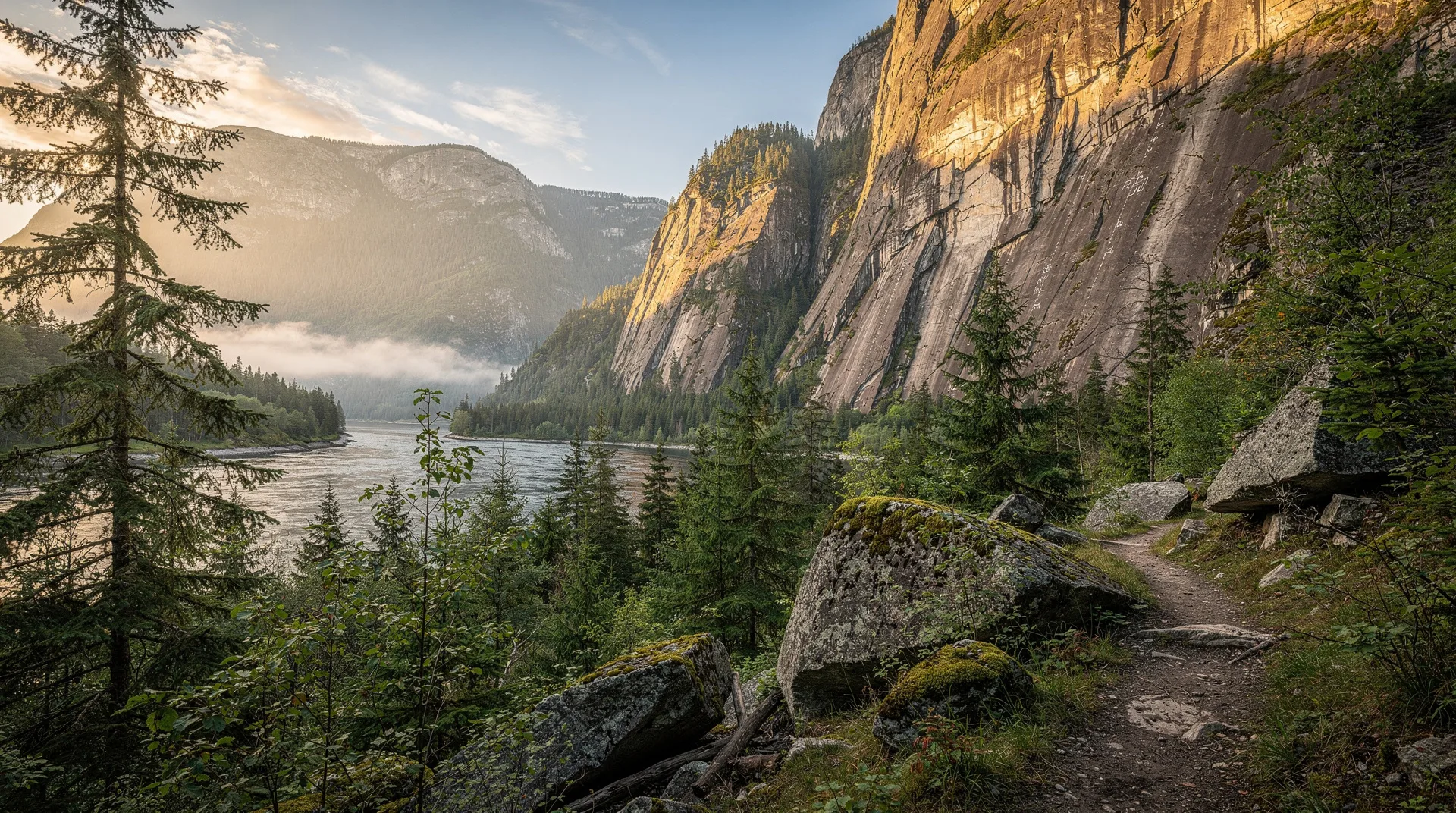
Squamish sits at the head of Howe Sound, an hour north of Vancouver on the Sea-to-Sky Highway, and it has a claim to being the rock climbing capital of Canada that very few other locations could dispute. The town is dominated by the Stawamus Chief — a 700-metre granite monolith that rises almost vertically from the valley floor and is one of the largest granite faces in the world. Its mere presence is enough to explain why the climbing community here exists. But the Chief is far from the only reason climbers come to Squamish; the surrounding valley contains hundreds of crags, boulders, and multi-pitch routes on rock so high-quality that international climbers make specific pilgrimages.
For visitors who have never climbed before, Squamish is also an excellent introduction to the sport. The combination of beginner-accessible crags, a large and active guiding industry, and a town that has deeply internalized outdoor culture means the logistics of learning to climb here are straightforward. Equipment rentals are available everywhere, guide services offer half-day introductory courses, and the outdoor gear shops carry everything you might need.
| Where | Squamish, BC — around 1 hour north of Vancouver, 30 minutes south of Whistler on the Sea-to-Sky Highway |
| Cost | Around CAD 95-220 per person for a half-day guided course |
| Time needed | Half-day for an intro course; a full day for Chief multi-pitch routes |
| Getting there | Rental car or Sea-to-Sky bus/shuttle from Vancouver or Whistler |
| Best time | May-June and September-October for ideal conditions; July-August for long daylight but bigger crowds |
The Stawamus Chief: Squamish’s defining formation
What the Chief is
The Stawamus Chief (known locally as simply “the Chief”) is a 700-metre granite monolith that forms the most prominent visual feature of Squamish. The rock face visible from the highway and the town is the South Face, which hosts dozens of routes ranging from multi-pitch trad climbs to shorter sport routes. The Chief has three separate summits, each accessible by different route systems.
Climbing the Chief is a serious undertaking. The standard multi-pitch routes to the summit of the First Peak (the lowest and most accessible summit) are graded in the 5.6–5.9 range in Yosemite Decimal System — technically within the range of intermediate climbers — but involve exposed positions, significant elevation gain (nearly 400 metres of climbing), and route-finding challenges that require experienced leadership. The Second and Third peaks involve longer and often harder routes.
The Apron: The lower angled slabs below the main Chief wall are known as the Apron, and these provide some of the most accessible and quality multi-pitch slab climbing in the region. Routes like Diedre (5.8) and Calculus Crack (5.9) on the Apron are classic introductions to Chief-scale climbing for intermediate climbers.
Summit by trail (non-climbing)
For visitors who want to reach the Chief’s summit without climbing the rock face, a hiking trail ascends from the base through the forest to reach the three peaks via the back side. The trail to the First Peak is approximately 3–4 hours return and involves steep hiking, chains, and ladders in the upper section. It’s a genuine workout and provides stunning views of Howe Sound and the surrounding mountains, but it’s accessible to fit hikers without any climbing skills. See the best hikes in Canada guide for context on British Columbia hiking options.
Squamish’s broader climbing geography
The Smoke Bluffs
The Smoke Bluffs, a series of granite crags rising above the town centre of Squamish, are one of the best beginner and intermediate climbing areas in BC. The rock is excellent, the routes are short (15–25 metres), and the setting — above the rooftops of Squamish with views toward the Chief — is beautiful. The Bluffs have dozens of routes from 5.6 to 5.12, making them the ideal venue for learning the basics of sport and trad climbing.
Many guide services use the Smoke Bluffs for beginner instruction because the routes are accessible to walk to from the road, the grades are manageable, and the area offers enough variety to keep a beginner engaged through a full day.
Murrin Provincial Park
Murrin Provincial Park, 10 minutes south of Squamish on the Sea-to-Sky Highway, contains a cluster of short granite crags above a small lake. The climbing here is concentrated and accessible — the main areas are a 5-minute walk from the highway pullout — and the grades span the full beginner to advanced spectrum. The setting above Petgill Lake with views of Howe Sound is lovely. Murrin is particularly popular for bouldering in addition to roped climbing.
Cheakamus Canyon
The Cheakamus Canyon, south of Squamish, offers deep-water soloing (climbing above water without a rope) and some excellent single-pitch sport climbing. The canyon scenery is dramatic and the climbing quality is high, though the area requires slightly more navigation skill to access than the Smoke Bluffs.
Squamish Walls and Malamute
The Squamish Walls area near the Chief’s base has numerous single-pitch sport and trad routes that are popular with intermediate climbers looking for accessible longer routes in a day. The Malamute, a steep granite wall visible from the highway near the Squamish estuary, has harder sport climbing (5.10–5.13) popular with more experienced climbers.
Best guide services in Squamish
Squamish Rock Guides
Squamish Rock Guides is one of the most established guide services in the area, offering introductory courses, day guiding for intermediate and advanced climbers, and multi-day instruction programs. Their introductory courses cover basic rope work, belaying, movement on rock, and an introduction to lead climbing. All equipment is provided.
A half-day introduction to rock climbing with Squamish Rock Guides, focused on the Smoke Bluffs, is an excellent first climbing experience even for those who have never touched a climbing shoe. The instructors are certified by the Association of Canadian Mountain Guides (ACMG).
Vertical Reality Squamish
Vertical Reality offers instruction-focused courses in addition to guided climbing, with specific programs for beginners looking to progress through the sport’s early learning stages in a structured way. Their multi-day courses (typically 2–3 days) cover enough ground to leave participants competent at single-pitch climbing independently by the end.
Mountain Skills Academy and Adventures
Mountain Skills Academy operates from Squamish and runs courses across the Sea-to-Sky corridor, including rock climbing, alpine mountaineering, and ski touring. Their climbing instruction has a reputation for thoroughness and their guides bring mountain skills expertise beyond pure rock climbing.
Browse Squamish and Sea-to-Sky adventure activities on GetYourGuide for outdoor experiences in the Squamish-Whistler corridor.
Bouldering in Squamish
Squamish has developed a world-class bouldering scene alongside its roped climbing. The Smoke Bluffs, Murrin, and the areas around the base of the Chief all have excellent boulder problems. The Shannon Falls area adjacent to the Chief base has clusters of boulders, and the Garibaldi Highlands neighbourhood at the south end of town has extensive bouldering in the forest.
Bouldering requires no rope or harness — just climbing shoes (rentable from local shops), a chalk bag, and optionally a crash pad (rental available in town). It’s the most accessible entry point into climbing for those who want to try the movement without committing to rope management skills.
Best time of year
May–June: Excellent shoulder season climbing. The rock has dried after spring rains, temperatures are moderate (12–20°C), and crowds are lower than summer. Granite dries quickly after rain and Squamish often has good weather between spring storm systems.
July–August: Peak season. The weather is generally dry and warm, all areas are in condition, and the daylight hours are long (6 am–10 pm). The trade-off is that the Smoke Bluffs and popular Murrin routes can get crowded on summer weekends. Arrive early.
September–October: Often the best climbing of the year. Post-summer temperatures of 12–18°C are ideal for the friction climbing that granite demands, summer crowds have dispersed, and the fall colours in the surrounding forest are beginning. October is the favourite month for many Squamish regulars.
November–March: Squamish climbing is significantly impacted by rain from November through March — the Pacific coast’s wet season soaks the rock for days at a time. However, overhanging routes and some south-facing crags dry quickly, and the hardcore local community climbs year-round on suitable features. Bouldering under roofs and on overhanging sections continues through winter.
How to book and what to bring
Guided instruction: Book 1–2 weeks ahead for summer guided climbing; shoulder season is more flexible. Half-day introductory courses typically operate on weekday and weekend mornings. Multi-day courses require more advance booking.
Equipment provided on guided courses: Harness, helmet, climbing shoes, rope, quickdraws, belay device — everything needed. Wear comfortable athletic clothing and bring layers.
If climbing independently:
- Climbing shoes: Rent from Valhalla Pure or Climbers Rock in Squamish if you don’t own a pair (CAD 10–15/day). Sizes are limited; book ahead in summer.
- Chalk bag and chalk: Sold in all local shops for CAD 15–30
- Crash pad (for bouldering): Rental from local shops for CAD 20–35/day
- Guidebook: “Squamish Select” by Marc Bourdon is the standard reference (available at local gear shops)
- Approach shoes: Standard trail runners work for most approaches
Essential personal items:
- Water (minimum 1.5 litres for a day out)
- High-energy snacks
- Sunscreen (south-facing granite reflects significant UV)
- Bug repellent (May–July in forested approaches)
- Layers — temperatures can drop 10°C between the parking lot and the base of a shaded wall
Costs in Canadian dollars
Half-day beginner guided course (equipment included): CAD 180–220 per person (private), CAD 95–130 per person (group of 3–4) Full-day guided climbing (intermediate): CAD 350–450 per person (private) 2-day beginner course: CAD 350–450 per person in a group Chief multi-pitch guided ascent (full day): CAD 450–600 per person (private guiding) Climbing shoe rental per day: CAD 10–15 Crash pad rental per day: CAD 20–35 Guidebook: CAD 35–50
Safety and tips
Rock climbing has real objective hazards — falls, rockfall, equipment failure — that are minimized but not eliminated by competence and quality gear. Guide services carry full insurance and follow ACMG protocols.
For beginners with a guide: The risk profile is very low. Guides manage anchor systems, check equipment, and supervise belaying. Your primary responsibility is following instructions and communicating clearly about how you’re feeling.
For independent climbers:
- Only climb routes within your proven ability — the classic beginner mistake is attempting a route a grade too hard and getting committed above protection
- Check all equipment before every climb: harness buckles, belay device rigging, anchor connections
- The five-point check before leaving the ground: harness, knot, belay device, partner check, communication agreed
- Helmets are not optional on routes where rockfall or leader fall is possible — wear one
- Check weather forecasts; wet granite is essentially non-functional for friction climbing
Bears: The Chief’s hiking trail and forest approaches pass through bear habitat. Make noise, check Parks BC for any bear activity notices, and keep food secure.
Where to stay in Squamish
Squamish has a range of accommodation options that have expanded significantly as the town has grown.
Sea to Sky Hotel: Mid-range hotel in the Squamish town centre with clean rooms and easy access to town services. From CAD 140–200/night.
Sunwolf Outdoor Centre: On the Cheakamus River near Brackendale, Sunwolf has riverside cabins in a forested setting that suits outdoor visitors. From CAD 150–250/night.
Squamish Valley campgrounds: Multiple campgrounds in the valley including Alice Lake Provincial Park (CAD 35–45/night) and various Rec Sites. Book Alice Lake in advance for summer weekends.
Garibaldi Provincial Park backcountry: For climbers combining the Chief with backcountry hiking, Garibaldi’s Elfin Lakes hut and camping are accessible from the Diamond Head trailhead east of Squamish.
Squamish is also positioned as a day trip from Vancouver (1 hour) or Whistler (30 minutes), making a day of climbing from either base feasible. For broader Sea-to-Sky corridor planning, see the Vancouver to Whistler guide and the Whistler skiing guide.
Combining climbing with other Sea-to-Sky activities
Rock climbing isn’t the only reason to base yourself in Squamish. The Garibaldi Lake trail and the turquoise waters of Joffre Lakes are both within reach for a rest-day hike, and Garibaldi Provincial Park more broadly offers backcountry camping that pairs naturally with a multi-day Chief trip.
If you want a taste of exposed rock and cable routes without the technical rope skills, the via ferrata concept popular at Banff has no direct Squamish equivalent yet, but the Chief’s summit trail with its chains and ladders offers a similar flavour of exposure for hikers. For the full Squamish destination overview, including food and lodging beyond what’s listed here, see our dedicated page.
Frequently asked questions about Rock climbing in Squamish: the Stawamus Chief and BC’s climbing mecca
Do I need to be fit to rock climb in Squamish?
General fitness helps but is less important than many people expect for beginner and moderate grades. Climbing is a technique-dependent activity, and instruction focuses on teaching efficient movement that minimizes the muscular effort required. The main physical requirement is the ability to grip, push through your legs, and stand in awkward positions. Specific climbing fitness develops quickly with practice.
Can I climb the Stawamus Chief as a beginner?
Not independently. The Chief’s multi-pitch routes require solid rope management skills, route-finding ability, and confidence at the grades involved. However, a guided ascent with an ACMG guide is available and appropriate for motivated beginner-intermediates who are comfortable at height. The guided ascent of the First Peak is an excellent goal for a second-season climber.
What is the difference between sport climbing and trad climbing?
Sport climbing uses bolts pre-drilled into the rock face — you clip your rope to these as you ascend and don’t need to place your own protection. Trad (traditional) climbing involves placing removable nuts and cams into cracks in the rock to create protection as you climb. Squamish has excellent examples of both. Beginners typically start on sport routes; trad climbing is taught as a separate skill set.
Is bouldering harder than roped climbing?
Not necessarily. Bouldering problems range from very easy to extremely hard — the same spread as roped climbing. The psychological difference is that bouldering happens close to the ground (typically 3–6 metres) with crash pads below, while roped climbing has the psychological exposure of greater height but the security of a rope. Many people find bouldering more immediately accessible as there is no rope to manage.
What is the best crag for beginners in Squamish?
The Smoke Bluffs is the standard answer — short routes, excellent rock quality, easy access from town, grades from beginner to advanced, and a social atmosphere that is welcoming to new climbers. Murrin Provincial Park is the second choice. Both are ideal for first-day instruction with a guide.
Is there indoor climbing in Squamish?
Yes. The Hive Squamish is a well-equipped indoor climbing gym in the Squamish industrial area, offering bouldering and roped walls. The Hive is useful for warming up technique before an outdoor day, climbing on rainy days, and renting equipment. The Vancouver location of The Hive is larger if you’re preparing in the city before your Squamish trip.
Can I combine a Squamish climbing trip with hiking?
Yes, and many visitors do. Rest days between climbing days work well for the Garibaldi Lake trail or a drive up to Joffre Lakes, both within about an hour of town. Climbers based in Squamish for several days often alternate climbing and hiking to manage forearm fatigue while still making the most of the Sea-to-Sky scenery.