Whistler Peak 2 Peak Gondola: summit experiences and what to expect
Is the Whistler Peak 2 Peak Gondola worth it in summer?
Yes — the Peak 2 Peak is one of the most impressive gondola rides in the world, spanning 4.4 km between Whistler and Blackcomb peaks at over 400 metres above the valley floor. The summit boardwalks, alpine hiking access, and glacier views from Blackcomb make it worth the ticket price for any visitor to Whistler.
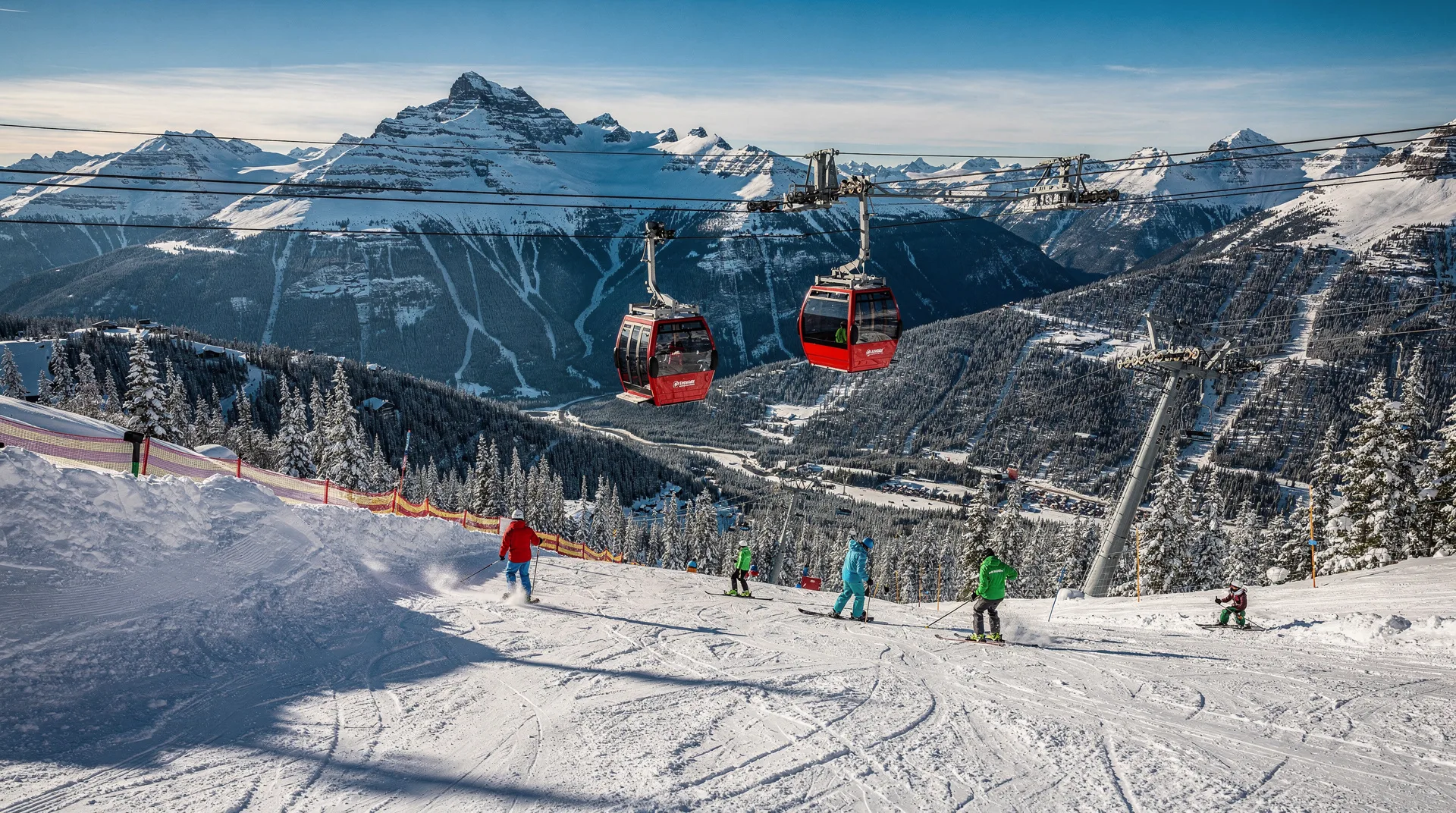
The Whistler Peak 2 Peak Gondola is one of the engineering marvels of the mountain resort world. A single span of 4.4 km crosses the valley between Whistler Mountain and Blackcomb Mountain, with a mid-span height above the valley floor of 436 metres — that is, the gondola passes more than 400 metres above the terrain below during the crossing. The record-breaking span, the remarkable height, and the views from the glass-floored cabins have made the Peak 2 Peak one of the most visited alpine experiences in North America.
But the gondola itself is only the beginning of what the Whistler Blackcomb mountain experience offers in summer. Once you’ve made the crossing, you’re at 2,182 metres elevation (Blackcomb side) with access to alpine hiking trails, glacier viewing, summit restaurants with panoramic views, and high-alpine terrain that only a small fraction of the millions of annual Whistler visitors experience. The Peak 2 Peak is the gateway to a mountain world that ski-season crowds access with equipment and skills most summer visitors don’t need — the gondola system has made the Whistler Blackcomb alpine genuinely accessible.
At a glance
| Where | Whistler Village, British Columbia — 125 km / around 1.5-2 hrs north of Vancouver on Highway 99 |
| Cost | Around CAD 85-105 for the summer sightseeing ticket (includes the Peak 2 Peak crossing) |
| Time needed | Half a day for the gondola circuit alone; a full day with summit hiking and lunch |
| Getting there | Self-drive on the Sea-to-Sky Highway, scheduled bus from Vancouver, or a guided day tour |
| Best time | July for reliable weather and wildflowers; September for lighter crowds and autumn light |
The Peak 2 Peak Gondola: records and engineering
World records
When it opened in December 2008, the Whistler Peak 2 Peak held three world records simultaneously:
- Longest unsupported span for a gondola (3.024 km of free span between towers)
- Greatest vertical height above ground for a gondola (436 m)
- Longest lift of its kind (4.4 km total span)
The engineering required to achieve these records involved cable tensions, tower foundations, and cabin designs that pushed the limits of gondola technology at the time. The system was designed by Garaventa, a Swiss lift manufacturer, and required special high-tensile steel cables and towers engineered to withstand the specific wind and load conditions of the Whistler Blackcomb ridge.
The gondola runs at 9 metres per second and the crossing takes approximately 11 minutes. On clear days, the views during the crossing span from the Pacific Ocean at Howe Sound in the south to interior BC mountain ranges stretching north indefinitely.
Glass-floor cabins
A subset of the Peak 2 Peak cabins feature glass-floor panels that allow passengers to look directly down to the valley floor — or, in the sections above the valley, to 436 metres of air below your feet. The glass-floor cabins run at specified times during the operating day, and queues for them can be longer than for standard cabins. If you specifically want the glass-floor experience, arrive early or check the Whistler Blackcomb app for current wait times.
Getting to the Peak 2 Peak
The gondola system from the village
The Peak 2 Peak does not run directly from Whistler Village. To reach either Whistler Mountain or Blackcomb Mountain’s mid-mountain station (where the Peak 2 Peak departs), you first ride one of the lower gondolas:
Whistler side: The Whistler Village Gondola (also called Gondola 1) runs from the base of Whistler Village to the Roundhouse Lodge at mid-mountain (1,850 m). From the Roundhouse, a second gondola — the Peak Express — ascends to the Whistler Peak (2,182 m). The Peak 2 Peak departs from the Peak Express terminal.
Blackcomb side: The Blackcomb Gondola (formerly Excalibur Gondola) rises from Blackcomb Way to Rendezvous Lodge at mid-mountain (1,860 m). From Rendezvous, the Peak 2 Peak departs to Whistler Peak.
In practice: Most visitors ride up one mountain, cross via Peak 2 Peak, and either hike or ride the gondolas back down on the other side. The full circuit — village to Whistler Peak, Peak 2 Peak to Blackcomb, back down Blackcomb gondola to village — makes a logical summer day.
Pricing and tickets
Summer lift tickets at Whistler Blackcomb are sold as daily sightseeing tickets and include access to all gondola and chairlift systems operating in summer. The Peak 2 Peak is included in the sightseeing ticket.
Summer sightseeing ticket (includes Peak 2 Peak): Approximately CAD 85–105 per adult, CAD 55–75 per child (ages 7–12), free for children under 7. Prices vary seasonally and are updated annually — check Whistler Blackcomb’s website for current pricing.
Combo packages: Whistler Blackcomb sells combination tickets bundling gondola access with specific activities (Cloudraker Skybridge, Raven’s Eye viewpoint, zip-lining) at packages that can reduce per-activity cost.
Find Whistler Blackcomb gondola tickets and activity packages on GetYourGuide for flexible booking with free cancellation options.
Summit experiences on Whistler and Blackcomb
Whistler Mountain summit
At the top of Whistler Mountain (2,182 m), the Roundhouse Lodge and the higher peak terrain offer a number of distinct experiences.
Cloudraker Skybridge: A 130-metre suspension footbridge spanning a ridge on Whistler Peak provides views down into the Valley and across to Blackcomb. The bridge is exposed and open (no solid flooring — grated metal panels) and provides the kind of airy experience that will be either thrilling or terrifying depending on your relationship with heights. The views from the bridge are extraordinary.
Raven’s Eye viewpoint: A glass-floored platform on the cliff edge below the Cloudraker, accessible from the same trail system, provides a perpendicular view directly down the face.
Hiking from Whistler Peak: The upper Whistler terrain connects to several hiking routes, including the Musical Bumps trail that traverses the ridge toward Singing Pass. The high-alpine environment here — wildflower meadows, rocks, ptarmigan, and marmots — is the wildest terrain accessible from a gondola in the region.
Blackcomb Mountain summit
Blackcomb’s upper terrain at 2,440 m (the highest accessible point in summer) is adjacent to the Horstman Glacier, one of the few glaciers in BC accessible by gondola. The Blackcomb Glacier Trail leads from the top of the glacier chair (7th Heaven) to within viewing distance of the glacier surface. Interpretive signage explains the glacier’s recession — the ice has lost significant volume over the past decades, and the signs mark where the glacier surface stood in 1985, 2000, and more recently.
Christine’s Restaurant (Rendezvous Lodge, Blackcomb): The mid-mountain Rendezvous Lodge on Blackcomb has a full-service restaurant operating in summer, with views across the valley toward Whistler Mountain. Dining at 1,860 m is not the cheapest meal in Whistler, but the setting is memorable.
The Glacier: On days when the glacier skiing/snowboarding camp is operating (typically June–August), it is possible to view the glacier at close range on foot from the upper Blackcomb terrain. Check Whistler Blackcomb’s website for current glacier camp operating days.
Best time of year
Summer (June–September): The primary season for Peak 2 Peak sightseeing. The gondola typically operates for summer sightseeing from mid-June through late September. July and August offer the warmest temperatures, most reliable weather, and all summit facilities open. Wildflowers in the alpine meadows peak in July.
July (optimal): Best combination of weather reliability, long days (sunset after 9 pm), and all facilities operational. The wildflower displays in the high-alpine meadows are at peak.
September: Beautiful autumn light, reduced crowds compared to summer peak, and the first snow possible on the highest terrain. Early September is still warm; late September brings autumn chill.
Winter: In ski season, the Peak 2 Peak operates as part of the ski area’s lift network and is included in ski lift tickets. Non-skiers can purchase a specific Peak 2 Peak ticket for winter sightseeing, though most of the walking experiences are inaccessible under snow.
Morning vs. afternoon: Mountain weather at Whistler follows a pattern of clear mornings with cloud development in the afternoon from late June onward. Book morning gondola time for the clearest summit views. Late afternoon often clears again as convective heating subsides, but reliability is lower.
How to get to Whistler
By car from Vancouver: The Sea-to-Sky Highway (Highway 99) runs 125 km from downtown Vancouver to Whistler. The drive takes 1.5–2 hours in normal conditions and is spectacular — it climbs out of Horseshoe Bay along sheer cliffs above Howe Sound before entering the mountains. Parking in Whistler Village is expensive ($25–50/day); consider the day lots slightly removed from the village.
By bus: Whistler’s Pacific Coach runs daily scheduled service between Vancouver Airport and Whistler Village (approximately 2.5 hours). Direct bus from Vancouver city hotels is also available.
By train: The Rocky Mountaineer operates a “Rainforest to Gold Rush” route between Vancouver and Whistler seasonally — not practical for a day trip but exceptional for scenic travel.
See the Vancouver to Whistler guide for comprehensive transport options.
What to bring
Summit elevations at Whistler and Blackcomb are 2,182–2,440 m. Temperatures at the summit are typically 10–15°C colder than Whistler Village, which itself is 675 m. On a 25°C summer day in the village, summit temperatures may be 10–15°C with wind. This is a significant shift that catches many summer visitors unprepared.
Essential:
- Windproof jacket or fleece (mandatory — even in July, summit temperatures can be uncomfortably cold)
- Long pants or hiking trousers (shorts are fine in the village; cold at the summit)
- Closed-toe walking shoes or hiking boots for any trail walking
- Sunscreen and sunglasses — UV at 2,400 m is intense even on overcast days
Useful:
- Water bottle — you will be more active than expected and dehydration at altitude is common
- Gloves and hat in September
- Small daypack for summit hiking
Costs summary (CAD)
Summer sightseeing ticket (Peak 2 Peak included): CAD 85–105 adult Cloudraker Skybridge add-on (if separate): Check current season pricing Combo activity packages: CAD 110–150 adult Christine’s Restaurant lunch: CAD 25–45 per person Roundhouse Lodge café: CAD 12–20 for coffee and snack
Safety and tips
Weather cancellations: The Peak 2 Peak and upper gondola systems close in high winds, lightning, and severe weather. Conditions change rapidly on Whistler Blackcomb — the mountain can be sunny in the village and in a whiteout above treeline within 30 minutes. Check the weather forecast and the resort’s mountain conditions website before ascending.
Sun and UV: The combination of high altitude, reflective snowfields (often present in June–July), and long summer days creates intense UV exposure. Apply SPF 50+ and reapply after 2 hours outside. Snow blindness is possible without UV-blocking sunglasses in June when snowfields are extensive.
Altitude: At 2,400 m, some people experience mild altitude effects — slight headache, shortness of breath on exertion, lightheadedness. These are typically minor at Whistler’s modest elevations; anyone with cardiac or respiratory conditions should note the elevation change from sea level.
Wildlife: Alpine rodents (marmots, pikas, ground squirrels) are abundant at Whistler’s summit terrain. Do not feed them — habituation affects their ability to survive winter. Bears occasionally travel above treeline in summer; standard bear awareness applies.
Where to stay in Whistler
Whistler Village has over 6,000 accommodation units ranging from hostel dorms to five-star suites. The most convenient properties are ski-in/ski-out from the gondola base.
Fairmont Chateau Whistler: The landmark luxury property at the Blackcomb gondola base. Rates from CAD 400–1,200/night in summer.
Pan Pacific Whistler Mountainside: Excellent location at the base of the Whistler Village Gondola. From CAD 300–700/night.
Adara Hotel: Boutique property in the village centre, popular with independent travellers. From CAD 200–400/night.
Aava Whistler Hotel: Mid-range hotel near the gondola base with solid value. From CAD 180–320/night.
Riverside RV Park and Campground: Budget option 2 km from the village. From CAD 55–80/night for an RV site.
For the full Whistler picture, combine the Peak 2 Peak with the Whistler skiing guide, the zip-lining in Canada guide, and the Banff vs Whistler comparison.
Is it worth doing both mountains in one visit?
Most first-time visitors assume they should ride up one side, cross the Peak 2 Peak, and come straight back down — but the more rewarding pattern is to treat each summit as its own stop rather than a quick photo. Whistler Mountain’s Cloudraker Skybridge and the Musical Bumps trailhead reward at least an hour of walking beyond the gondola terminal; Blackcomb’s glacier viewpoint and Christine’s Restaurant deserve a similar block of time. Trying to “do” both summits, the crossing, and a meal in under three hours usually means rushing past the parts that justify the ticket price in the first place. If you only have half a day at Whistler in summer, pick one mountain and go slowly rather than sprinting across both.
Combining the Peak 2 Peak with the rest of your Whistler stay
The Peak 2 Peak works well as the anchor for a single alpine day within a longer Whistler trip. Pair it with a lower-elevation activity the next day — the Whistler Bike Park if you’re visiting outside ski season, or a walk around the village and Lost Lake if you’d rather stay off the mountain.
Visitors debating whether a summer trip to Whistler is worth it compared with a winter one should see the Whistler skiing guide for the seasonal contrast, and anyone cross-shopping BC’s mountain resorts may find the Whistler vs Sun Peaks comparison useful before committing to Whistler over a quieter alternative. If Vancouver is your base, the Vancouver to Whistler guide covers transport logistics for a day trip or overnight stay in more depth than the summary above.
Frequently asked questions about Whistler Peak 2 Peak Gondola: summit experiences and what to expect
How long is the Peak 2 Peak gondola ride?
The crossing between Whistler and Blackcomb mountains takes approximately 11 minutes. With boarding and disembarking time, allow 20–25 minutes for the crossing. In summer, there may be a queue at the departure terminal, particularly on weekday afternoons — allow an additional 15–30 minutes wait in peak season.
Can I walk across the Peak 2 Peak?
No — the Peak 2 Peak Gondola is a closed gondola system (fully enclosed cabins). There is no walking bridge between the two mountains. The Cloudraker Skybridge on Whistler Mountain is a walking suspension bridge, but it spans a ridge on Whistler Peak itself rather than the valley between the two mountains.
What is there to do on top of Whistler Mountain in summer without skiing?
The Cloudraker Skybridge, Raven’s Eye viewpoint, alpine hiking trails toward Musical Bumps and Harmony Lake, wildlife watching (marmots, pikas, eagles), and dining at the Roundhouse Lodge are the main activities. The terrain around the Whistler Peak summit is genuinely beautiful high-alpine landscape that rewards walking beyond the immediate gondola terminal.
Is the Whistler gondola open year-round?
The summer sightseeing operation typically runs from mid-June through late September. In winter, the gondola operates as part of the ski area lift system (ski lift ticket required). There are brief maintenance closures in spring (April–May) and between the end of ski season and the start of summer operations. Check Whistler Blackcomb’s official website for current season status.
Can I do the Peak 2 Peak as a day trip from Vancouver?
Yes, easily. The 1.5–2 hour drive on the Sea-to-Sky Highway is part of the attraction. Leave Vancouver at 8–9 am, arrive at Whistler by 10–11 am, ride the gondola systems until 3–4 pm, and be back in Vancouver by 6–7 pm. Many visitors find this is one of the best day trips from Vancouver available.
What should I do if it’s cloudy when I visit Whistler?
Low cloud is common at Whistler, especially on summer afternoons. If cloud is sitting at mid-mountain or summit level, the gondola views will be obscured. In this situation, hiking in the valley, exploring the village, or waiting for the morning cloud to lift are the options. Clouds often burn off by 10–11 am and can reform by 2–3 pm — the morning window is typically the clearest.
Is the Peak 2 Peak better than driving the Sea-to-Sky Gondola near Squamish?
They’re different experiences and not really substitutes for each other. The Sea to Sky Gondola near Squamish is a shorter, cheaper single-mountain gondola with its own suspension bridge and viewpoints, worth doing on the drive up if you have time to spare. The Whistler Peak 2 Peak is the more significant experience — two full ski mountains, a world-record crossing, and glacier terrain — and is the better choice if you can only do one.