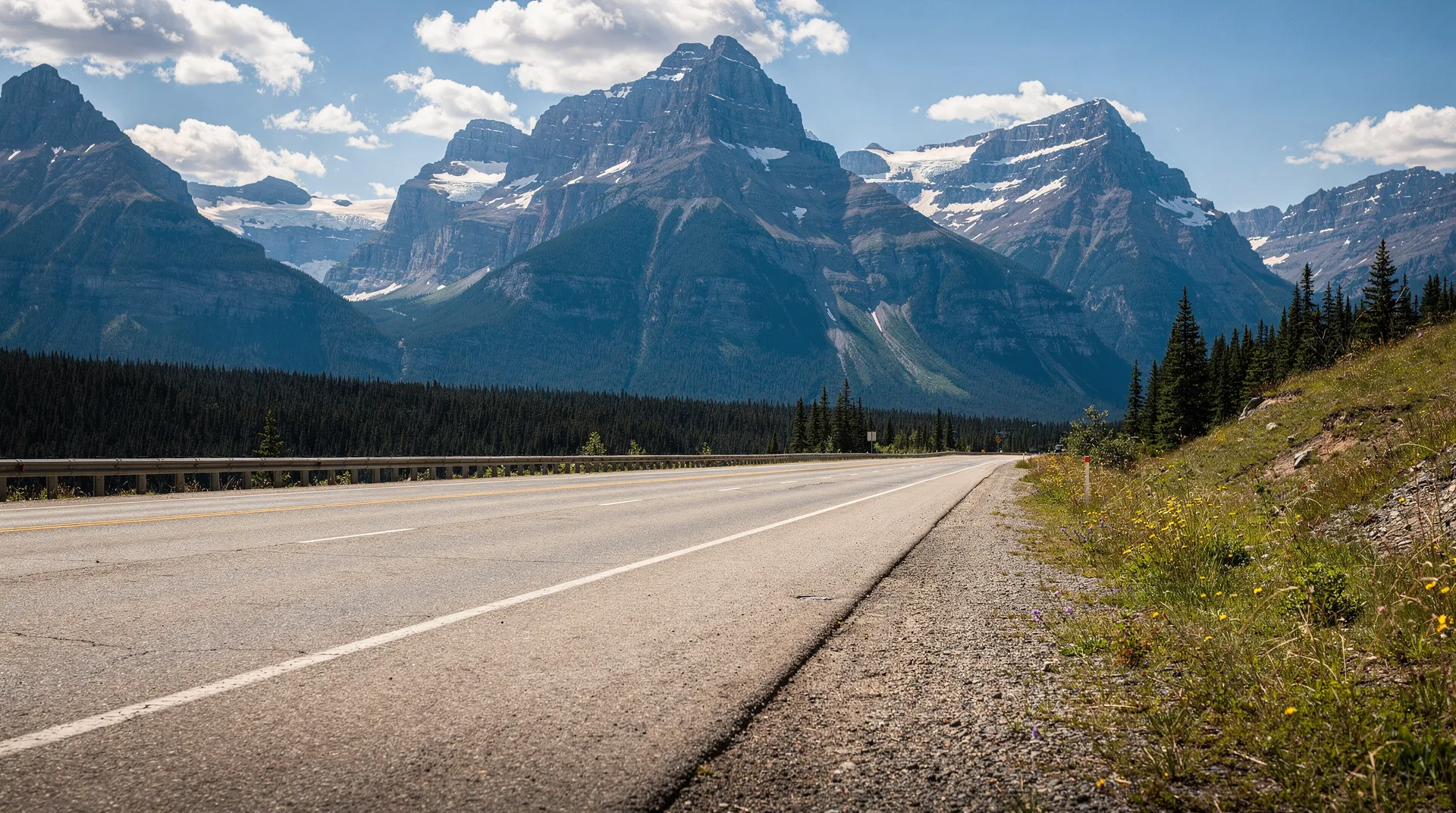
Vancouver Island 7-Day Road Trip Itinerary
Overview
Vancouver Island is one of the largest islands in North America — 32,000 square kilometres of temperate rainforest, mountain ranges, surf beaches, and sheltered inlets. It is bigger than many countries, and seven days on the island gives you enough time to move between its most distinct zones without feeling like you are rushing.
This itinerary begins and ends in Victoria (the natural entry and exit point via BC Ferries from Tsawwassen or via Victoria International Airport). It drives north and west to Tofino on the wild Pacific coast, with stops at Cathedral Grove, the Comox Valley, and the central island communities. The driving distances are reasonable, the roads are well-maintained, and the scenery is continuously excellent.
A rental car is essential. The island’s BC Ferries connections give you flexibility on entry and exit — arriving by ferry from Tsawwassen (to Swartz Bay near Victoria) or Horseshoe Bay (to Departure Bay near Nanaimo) both work with minor itinerary adjustments.
At a glance
| Day | Location | Drive time | Highlights |
|---|---|---|---|
| 1 | Victoria | — | Inner Harbour, Chinatown, Old Town |
| 2 | Victoria | — | Butchart Gardens, Royal BC Museum |
| 3 | Victoria → Cowichan Valley → Nanaimo | 2h | Farm stands, Cowichan wineries |
| 4 | Nanaimo → Tofino | 3h | Cathedral Grove, Long Beach |
| 5 | Tofino | — | Surf, Clayoquot Sound kayaking |
| 6 | Tofino | — | Wildlife watching, rainforest hikes |
| 7 | Tofino → Victoria via north island | 4.5h | Comox Valley, scenic return |
Best months: June through September. Tofino surf is excellent in autumn (September–November) when Pacific swells increase.
Start/end: Victoria (YYJ airport or BC Ferries Swartz Bay terminal).
Day-by-day
Day 1: Victoria — arrival and the Inner Harbour
Arrive in Victoria by ferry (Tsawwassen–Swartz Bay, 1h35m) or by air at Victoria International Airport. Pick up your rental car and drive to the city centre.
Victoria’s Inner Harbour is one of Canada’s most handsome urban waterfronts — the Fairmont Empress hotel, the Parliament Buildings with their copper domes, the float plane base, and the constant harbour traffic of ferries and water taxis create a scene that is busy and picturesque simultaneously.
Walk the harbour causeway and into Chinatown — the oldest in Canada, established in 1858 during the Fraser Canyon Gold Rush. Fan Tan Alley, the narrowest street in Canada, cuts through the district between buildings barely wide enough for two people to pass. Continue into the Old Town (Bastion Square, Market Square) for an afternoon of independent shops and cafés.
Dinner in the harbour district — Red Fish Blue Fish on the wharf for excellent fish and chips from a former shipping container; the Empress Room inside the Fairmont for a more formal occasion.
Where to stay: Fairmont Empress (iconic, expensive, Inner Harbour views); Hotel Zed (colourful, affordable, 10 minutes from the centre); Inn at Laurel Point (quiet, contemporary, harbour views at mid-range).
Day 2: Victoria — gardens, museum, and whales
A full day in Victoria justifies itself.
Morning: Drive or take a taxi to Butchart Gardens, 22 kilometres north of the city. The gardens occupy a former limestone quarry that Jennie Butchart began transforming in 1904 and now cover more than 22 hectares. The Sunken Garden (the quarry’s centrepiece), Italian Garden, Japanese Garden, and Rose Garden are each distinct and meticulously maintained. Go early to avoid the largest tour-bus crowds; the gardens open at 9am.
Afternoon: Return to the city centre for the Royal BC Museum. The First Peoples gallery is BC’s finest permanent exhibition of Indigenous heritage: a reconstructed Kwakwaka’wakw bighouse, button blanket collections, hereditary regalia, and a comprehensive account of coastal First Nations culture. The natural history galleries recreate BC’s geological past with unusual authenticity. Allow a minimum of two hours, ideally three.
Late afternoon: Book a whale watching tour from the Inner Harbour. The waters around Victoria’s southern tip — the Strait of Juan de Fuca and Haro Strait — are outstanding for orca sightings. Both resident Southern Resident Killer Whales (J, K, and L pods) and transient Bigg’s orcas pass through regularly from May to October. Humpback whales have returned to these waters in increasing numbers since the 1990s.
Browse Victoria whale watching and toursDay 3: Victoria to Nanaimo through the Cowichan Valley
Leave Victoria by mid-morning and drive north on the Trans-Canada Highway (Highway 1) through the Saanich Peninsula and into the Cowichan Valley — the agricultural heartland of southern Vancouver Island and BC’s oldest wine-producing region.
The Cowichan Valley Wine Trail passes through communities between Victoria and Nanaimo: Cobble Hill, Cowichan Bay, Duncan, and Hillside. The wineries here are small, family-run, and welcoming — Averill Creek Vineyard, Cherry Point Estate, and Unsworth Vineyards are all worth stopping at for tastings. The region produces Pinot Gris, Pinot Noir, and Ortega grapes particularly well.
Duncan is the gateway to Cowichan Nation territory — a community with the largest population of Coast Salish peoples in BC. The Quw’utsun’ Cultural and Conference Centre (Cowichan Tribes) offers cultural programs and one of the finest collections of Cowichan sweater weaving in the region.
Continue north to Nanaimo. Walk the Harbourfront Walkway and visit the Nanaimo Bastion — a wooden fortification built by the Hudson’s Bay Company in 1853, one of the oldest structures remaining in British Columbia. Stay the night in Nanaimo; it is a practical choice before the long drive to Tofino.
Drive: Victoria to Nanaimo via Cowichan Valley approximately 2 hours not including stops.
Day 4: Nanaimo to Tofino via Cathedral Grove
This is the most scenically dramatic driving day. Leave Nanaimo by 8:00.
Drive north briefly on the Island Highway to Parksville (45 minutes), then turn west on Highway 4 — the only paved road to the west coast of the island. The highway climbs through mountain terrain, passes Cameron Lake, and enters MacMillan Provincial Park.
Cathedral Grove: Stop here without fail. The grove contains old-growth Douglas fir trees up to 800 years old, 9 metres in diameter, and 75 metres tall. A loop trail from the parking area puts you among them in ten minutes. The scale of these trees — older than most European cathedrals — is genuinely arresting. This is one of the most accessible old-growth forests remaining in BC.
Continue west through Port Alberni (a working industrial city with a good waterfront district) and into the mountains. The highway descends to the coast through increasingly dramatic scenery.
Enter Pacific Rim National Park Reserve at the Tofino–Ucluelet junction. Take the highway north to Tofino, but stop first at Long Beach: 16 kilometres of open Pacific beach with surf rolling in from thousands of kilometres of open ocean. This is the longest beach on the island and one of the wildest — the horizon is genuinely empty. Walk for at least 30 minutes before checking in to your accommodation.
Drive: Nanaimo to Tofino approximately 3 hours, not including Cathedral Grove stop.
Day 5: Tofino — surf and Clayoquot Sound
Tofino operates at its own pace, and Day 5 is for giving into it.
Morning surf: Cox Bay is the most consistent beach for beginners. Multiple surf schools (Surf Sister, Pacific Surf School, and others) provide lessons and equipment rental. Sessions run 2–3 hours and include time in the water under instruction. No experience required; wetsuits are provided. The Pacific swell is manageable in summer for beginners.
Afternoon sea kayaking: Guided kayak tours through Clayoquot Sound take 3–4 hours and pass through channels, estuaries, and islands that see very little boat traffic. Wildlife — black bears foraging at the tide line, sea otters on kelp beds, bald eagles nesting in old-growth snags, and harbour seals resting on rocks — is present throughout. The sound is a UNESCO Biosphere Reserve, recognized for the scale and quality of its intact temperate rainforest ecosystem.
Evening: Walk Chesterman Beach (15 minutes from town on foot or by bike) for the sunset. The beach faces due west over the Pacific and the sunsets here, when the horizon is clear, are extraordinary.
Dinner: Wolf in the Fog (Tofino’s best table — book in advance), Sobo (long-established, excellent seafood), or the casual spots near the government dock for fish tacos.
Day 6: Tofino — wildlife and rainforest
Early morning: Book a small-boat wildlife tour from the main dock. Grey whales feed in the shallow bays of Clayoquot Sound through the summer (resident grey whales, distinct from the migrating population, remain in the sound year-round). Black bears forage on beaches at low tide — shoreline bear watching from a boat is one of Tofino’s most memorable experiences. Sea otters, Steller sea lions, bald eagles, and harbour porpoises are commonly sighted.
Mid-morning: Hike the Rainforest Trail near Long Beach — two short loop trails (1 km each) through Sitka spruce and western red cedar forest. The trails are well-maintained and interpretive panels explain the ecology of Pacific rainforest in accessible detail. The moss, the scale of the trees, and the quiet are notable even after Cathedral Grove.
Afternoon: Explore the Tonquin Trail — a 3-kilometre trail system behind Tofino town that accesses several coves and rocky headlands with views across Browning Passage and the islands of Clayoquot Sound. A worthwhile alternative to the more popular Pacific Rim trails.
Optional day trip: The floatplane or water taxi to Hot Springs Cove — natural geothermal pools in a rocky channel on a remote headland 37 kilometres north of Tofino — takes a full day and is one of BC’s genuinely special experiences. Book in advance.
Browse Tofino wildlife and adventure toursDay 7: Tofino → Victoria via north island route
Rather than simply retracing the route back, take the longer northern loop for the return. Drive from Tofino to Port Alberni, then north on the Island Highway to Courtenay and Comox — the largest urban centre on the central island, with a pleasant downtown and good food. The Comox Valley has its own small wine and craft beer scene, and the Filberg Heritage Lodge and Park in Comox is a quiet heritage property worth a stop.
Continue south on the Island Highway through Campbell River (optional detour to Discovery Passage, a wildlife-rich tidal channel where orca pods pass regularly in summer — whale watching boat tours depart from the Campbell River harbour) and down through the farmland of the Saanich Peninsula back to Victoria.
Alternatively, return directly on Highway 4 and the Island Highway (the faster route, approximately 4.5 hours from Tofino without stops).
Return your rental car at YYJ airport or deliver the car to Swartz Bay terminal for the BC Ferries crossing back to Tsawwassen.
Budget breakdown
Costs per person, two people sharing, in Canadian dollars:
| Category | Budget (CAD) | Moderate (CAD) | Comfort (CAD) |
|---|---|---|---|
| Accommodation (7 nights) | 700–950 | 1,300–1,800 | 2,500–3,500 |
| Food and drink | 350–500 | 600–850 | 1,000–1,400 |
| Rental car (7 days) | 400–550 | 550–700 | 700–950 |
| BC Ferries (1 crossing, vehicle) | 80–100 | 80–100 | 80–100 |
| Activities (surf, kayak, whale watching, Butchart) | 300–450 | 500–750 | 850–1,200 |
| Total | ~1,830–2,550 | ~3,030–4,200 | ~5,130–7,150 |
Booking tips
- Tofino accommodation: Book 2–3 months in advance for July–August. The Wickaninnish Inn (luxury, above Chesterman Beach) should be booked 4–6 months ahead in summer
- BC Ferries vehicle reservations: Essential for the Tsawwassen–Swartz Bay crossing in summer. Book at bcferries.com as early as possible
- Surf lessons: Most schools take walk-ins but advance booking is recommended in July–August
- Whale watching Victoria: Prince of Whales and Eagle Wing Tours are the most established operators — book at least 24 hours ahead
- Butchart Gardens: No advance booking required for general admission but evening illumination visits (summer) are busier and worth arriving early for
Variations
Without a car: Victoria is highly walkable and whale watching/Butchart tours run from the city as day trips. Tofino Bus runs a coach service from Nanaimo and Victoria to Tofino (4–5 hours). Once in Tofino, activities are accessible on foot or by bike. It is possible but limits flexibility significantly.
Focus on the north island: Swap Days 3–4 for a drive north to Telegraph Cove (a heritage boardwalk community above Johnstone Strait, outstanding for orca watching and grizzly bear tours) and Cape Scott Provincial Park at the island’s northern tip. This version trades Victoria time for genuine wilderness.
Add a Gulf Islands night: Take the ferry from Victoria via the Gulf Islands (Salt Spring or Galiano) at the end of the trip for a final island night before the mainland return. See which Gulf Island to visit.
Park passes and entry fees to plan for
Several stops on this itinerary are not free, even though the island’s natural landscape feels open and accessible. Pacific Rim National Park Reserve (which covers Long Beach and the Rainforest Trail near Tofino) requires a Parks Canada day pass or Discovery Pass — this applies to every vehicle entering the park, not just those stopping at formal trailheads. Butchart Gardens is a privately run, ticketed attraction; admission is required and there is no free entry point. Cathedral Grove, by contrast, is a provincial park with free roadside access — budget nothing beyond parking. Build these fees into the budget breakdown below rather than assuming the island’s parks are all pay-as-you-go free.
Ferries: the detail that shapes this whole trip
Every version of this itinerary depends on BC Ferries, and getting the crossing wrong can cost hours. The Tsawwassen-Swartz Bay route (mainland to Victoria) takes about 1 hour 35 minutes and runs frequently in summer, but vehicle reservations are strongly recommended June through September — without one, waiting through two or three sailings on a peak Saturday is a real possibility. The Horseshoe Bay-Departure Bay route (mainland to Nanaimo) is the shorter alternative if your trip starts or ends nearer Nanaimo rather than Victoria; see BC Ferries guide for how to choose between routes and how far ahead to book.
Frequently asked questions about Vancouver Island 7-Day Road Trip Itinerary
Do I need a car for this itinerary? Yes, effectively. A rental car is described as essential above because the route covers Victoria, the Cowichan Valley, Nanaimo, and Tofino over considerable distances. The Variations section above covers a car-free version using Tofino Bus coach service, but it significantly limits flexibility, particularly around Cathedral Grove and the Cowichan wineries.
Is 7 days enough for Vancouver Island? Seven days is enough for a genuine introduction covering Victoria, the wine valley, and Tofino, as this itinerary is structured. It is not enough to also reach the north island (Telegraph Cove, Cape Scott) without cutting time elsewhere — most visitors who love the island end up planning a return trip for the areas they missed.
Related guides
- Tofino vs Ucluelet: which town is right for you?
- Surfing in Tofino
- Pacific Rim National Park guide
- Vancouver to Victoria by ferry
- BC driving distances and times
- Best time to visit BC
- Vancouver to Whistler if you’re combining the island with a Sea-to-Sky extension
Vancouver Island rewards every day you give it. Seven days provides a genuine introduction — coast to harbour city, old-growth to surf beach — and most visitors leave planning when they can return for longer.