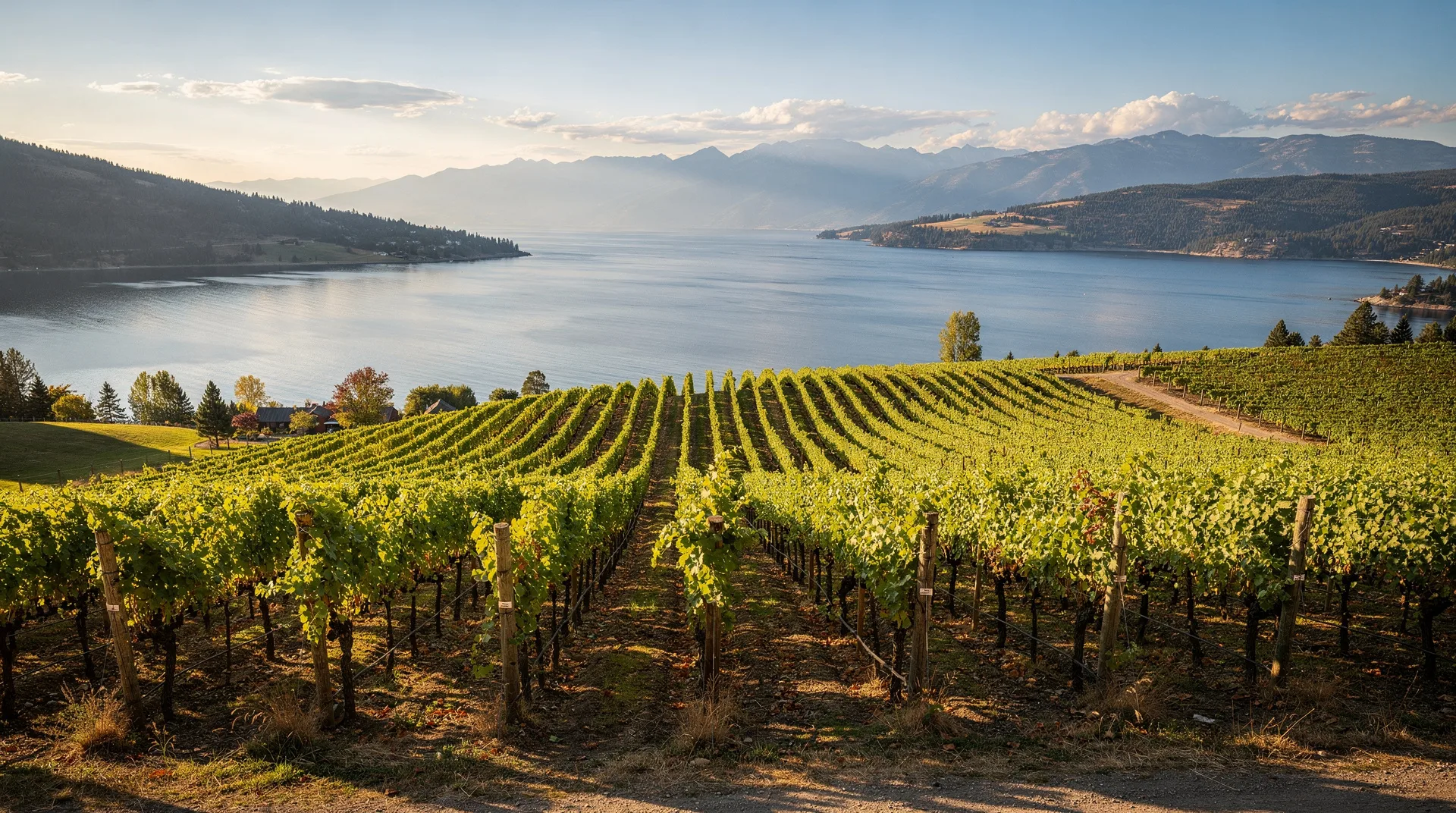
Okanagan Wine Country: 5-Day Tasting Itinerary
Overview
The Okanagan Valley is British Columbia’s wine country — a 180-kilometre valley running north to south between mountain ranges, centred on the shimmering ribbon of Okanagan Lake. More than 200 wineries operate here, producing Chardonnay, Pinot Gris, Pinot Noir, Merlot, Cabernet Franc, and the ice wines for which Canada is internationally famous. The climate is distinctive for Canada: hot, dry summers (the valley receives less than 300mm of annual rainfall), cold winters, and long sunny days during the growing season produce grapes with natural acidity and intensity.
But the Okanagan is not only about wine. The valley has peach, apple, cherry, and apricot orchards; excellent farm-to-table restaurants; beaches on Okanagan Lake that genuinely compete with anything on the BC coast; and a relaxed, unhurried character that makes it one of the most pleasant destinations in western Canada.
Five days here allows you to cover the valley’s three main wine regions — the Kelowna area, the Naramata Bench near Penticton, and the South Okanagan around Oliver and Osoyoos — without feeling rushed.
Getting here: Kelowna International Airport (YLW) has direct flights from Vancouver (45 minutes), Calgary, Edmonton, and Toronto. Alternatively, drive from Vancouver via the Coquihalla Highway (4 hours). Rent a car on arrival — it is essential for wine touring.
At a glance
| Day | Area | Focus |
|---|---|---|
| 1 | Kelowna | City orientation, Mission Hill, waterfront |
| 2 | Kelowna surrounds | Myra Canyon trail, East Kelowna wineries |
| 3 | Naramata Bench | Boutique winery day, Penticton lunch |
| 4 | South Okanagan | Oliver, Osoyoos, desert ecosystem |
| 5 | Kelowna/return | Final tastings, Farmers’ Market, departure |
Best months: July through September for warmth, beaches, and full activity. September–October is harvest season — the most exciting time to visit, with fresh crush at wineries and orchards at peak fruit. Winter (January–February) is icewine harvest season — a cold but rewarding niche visit.
Day-by-day
Day 1: Kelowna — arrival and the central valley
Arrive in Kelowna and get your bearings. The city (population ~140,000) sits on the eastern shore of Okanagan Lake with the Myra Escarpment rising steeply behind it. The waterfront district — City Park beach, the boardwalk, the floating bridge — is pleasant for an afternoon walk.
Your first winery visit should be Mission Hill Family Estate, west of Kelowna on the Westside Road. The architecture alone justifies the visit — a bell tower, Roman columns, and a barrel-vaulted wine cellar carved into the hillside above the lake, designed by architect Tom Kundig as a monument to BC wine culture. The Terrace Restaurant has a view over the valley and vineyard that is matched by few restaurant settings in Canada. Book lunch or dinner here in advance.
Spend the afternoon on Quails’ Gate Estate Winery, a few kilometres from Mission Hill — a family operation established in 1989 with a distinctive range of Chardonnay and Pinot Noir and one of the valley’s best patio restaurants, Old Vines. The Chardonnay is the benchmark of the Central Okanagan.
Where to stay in Kelowna: Hotel Eldorado (heritage lakefront hotel, excellent restaurant, comfortable mid-range); Manteo Resort (lakeside, family-friendly, pleasant grounds); The Cove Lakeside Resort for self-contained apartment-style accommodation with lake access.
Day 2: Myra Canyon and east Kelowna wineries
Morning activity before the afternoon tasting sessions: Myra Canyon on the Kettle Valley Rail Trail. The trail follows a former railway grade across 18 trestles and through two tunnels carved into the Myra Canyon rock face, 1,000 metres above Okanagan Lake. The trestles are heritage wooden railway bridges with views down into the canyon. The 24-kilometre return trail (or shorter sections) can be done on foot or by mountain bike (rentals available in Kelowna). This is one of BC’s most scenic trail sections.
Return to Kelowna for lunch and an afternoon of east Kelowna wineries: Tantalus Vineyards (producing some of the valley’s most age-worthy Riesling; the vineyard has been in continuous production since 1927); Summerhill Pyramid Winery (organic, biodynamic, distinctive for its pyramid-aged sparkling wines and the certified organic vineyard practices); and CedarCreek Estate Winery, recently rebuilt by the Mission Hill ownership group with a spectacular new hospitality building.
Afternoon at the lake: Okanagan Lake’s beaches are genuinely excellent in summer. City Park beach in Kelowna or Bertram Creek Regional Park south of town both have calm water, sand, and enough space to escape the crowds.
Day 3: Naramata Bench — a day of boutique wineries
Drive south from Kelowna to Penticton (45 minutes on Highway 97). The Naramata Bench is the most concentrated wine touring area in BC: a 15-kilometre bench of hillside above Okanagan Lake, east of Penticton, with more than 40 wineries accessible on a quiet single road.
The bench is best explored slowly — pull into wineries as you encounter them, have a tasting, walk the vineyard rows, and move on. Recommended stops:
Poplar Grove Winery: Producing bold reds (Cabernet Franc, Merlot) with excellent structure. The tasting room overlooks the lake.
Laughing Stock Vineyards: A Bordeaux-focused operation with a winemaker background in finance (the labels all reference stock market terminology). The Portfolio red blend is excellent.
Therapy Vineyards: Wit in the branding; quality in the glass. The Pinot Gris is one of the bench’s best.
Elephant Island Orchard Wines: A deliberate detour — fruit wines (pear, apricot, cherry) made with the same seriousness as grape wines. The cherry wine is remarkable.
Lunch at The Bench Artisan Food Market in Penticton — a deli and café that sources from local farms and producers. Finish the afternoon in Penticton proper: the Penticton Farmers’ Market (Saturday mornings) and the SS Sicamous heritage sternwheeler museum on the waterfront.
Stay: The Naramata Inn (the most atmospheric accommodation on the bench — a restored heritage hotel with a wine-focused restaurant and vineyard views) or Penticton hotels for a more affordable base.
Day 4: South Okanagan — Oliver, Osoyoos, and the desert
Drive south from Penticton on Highway 97 through Oliver, the self-proclaimed Wine Capital of Canada (there are signs to prove it). The South Okanagan has the warmest growing conditions in BC and produces the valley’s biggest red wines: Syrah, Cabernet Sauvignon, and Cabernet Franc with a depth and warmth not quite achievable in the central valley.
Burrowing Owl Estate Winery, just north of Oliver, is one of BC’s most respected producers — named for the endangered burrowing owl whose nesting habitat the winery protects and actively manages. The Meritage red blend is exceptional; the restaurant has a pleasant terrace with vineyard views.
Continue south to Osoyoos — at the US border, this town sits in Canada’s only true desert. The Osoyoos Desert Centre explains the pocket desert ecosystem (cactus, sagebrush, rattlesnakes, scorpions, burrowing owls) that occupies the dry benchlands between the lake and the US border. The contrast with the lush vineyards immediately adjacent is genuinely startling.
Nk’Mip (Inkameep) Cellars in Osoyoos is the first Indigenous-owned winery in North America, operated by the Osoyoos Indian Band. The winery, cultural centre, and resort sit above the lake in one of the most scenic settings in the valley. The Qwam Qwmt (Achieving Excellence) Syrah is the flagship wine.
Return north to Penticton or Kelowna for the night.
Day 5: Final tastings and departure
A morning of final Kelowna-area activities before the drive back to Vancouver or the flight from YLW.
Kelowna Farmers’ and Crafters’ Market runs Wednesday and Saturday mornings at the downtown market site — one of BC’s best weekly markets with exceptional local produce, cheese, honey, and prepared foods.
One final winery if time allows: Sperling Vineyards, a fifth-generation family farm and winery in East Kelowna producing old-vine Riesling from vines planted in the 1930s. The tasting room is in the original heritage farmhouse.
Drive or fly back to Vancouver. The Coquihalla Highway (Highway 5) from Hope to Kelowna is a dramatic 4-hour drive through mountain passes and the Fraser Canyon.
Browse BC wine country tours and experiencesChoosing your base
Kelowna, Penticton and Naramata each make a different kind of base. Kelowna offers the widest choice of restaurants and the easiest airport access. Penticton sits between the lakes and puts both the Naramata Bench and the south of the valley within comfortable reach. The village of Naramata itself is the quietest option, ideal if the goal is to wake up among the vines rather than in a city. If you prefer not to move hotels, a single base in Penticton works well for Days 3 and 4.
Beyond the valley
If you have extra time before or after the tasting days, the wider region rewards a detour. Kamloops lies on the northern route toward the Rockies, and the town of Vancouver is the natural start or end point for a fly-drive. Travellers who want mountains after the vineyards can continue east toward Banff, while those who like the sound of more of BC’s food and wine can look at the Vancouver Island week for a very different coastal pace. The BC 7-day route is another way to fold the Okanagan into a shorter, broader trip.
Budget breakdown
Costs per person, two people sharing, in Canadian dollars:
| Category | Budget (CAD) | Moderate (CAD) | Comfort (CAD) |
|---|---|---|---|
| Accommodation (5 nights) | 600–800 | 1,100–1,500 | 2,000–3,000 |
| Food and drink (incl. wine) | 500–700 | 900–1,200 | 1,500–2,200 |
| Rental car (5 days) | 300–400 | 400–550 | 550–750 |
| Winery tasting fees | 50–100 | 100–200 | 200–400 |
| Activities | 80–150 | 150–250 | 250–400 |
| Total | ~1,530–2,150 | ~2,650–3,700 | ~4,500–6,750 |
Winery tasting fees typically run CAD 10–25 per person per winery and are often waived or credited against purchases. Mission Hill and a few other premium wineries charge more. Wine purchases at source are a major additional cost — budget accordingly.
Booking tips
- Winery restaurants: Mission Hill Terrace, Quails’ Gate Old Vines, Poplar Grove, and Naramata Inn all require advance reservations, especially on summer weekends
- Naramata Inn: One of BC’s most sought-after small hotels — book 2–3 months ahead for summer
- Harvest season (September–October): The most exciting time, but accommodation fills very early — book 3–4 months ahead
- Designated driver planning: If one person is not drinking, wine touring by car is straightforward. If both are tasting, consider guided wine tours from Kelowna — several operators run half-day and full-day tours with vehicle and guide included
- Fly-drive: Flying Kelowna–Vancouver (Air Canada or WestJet, ~45 minutes) is simpler than the 4-hour drive and allows both people to taste freely throughout the trip
Variations
If you only have 3 days: Focus on Kelowna and the Naramata Bench. Skip the south Okanagan and Myra Canyon. Do Mission Hill, Quails’ Gate, and spend a full day on the bench — this alone is an excellent wine trip.
If you want more outdoor activity: Combine with cycling the Kettle Valley Rail Trail (the full Myra Canyon to Penticton section is 3 days by bike with accommodation en route), kayaking on Okanagan Lake, or a morning on the lake with a paddleboard rental from City Park. For ready-made options, you can compare guided Canada tours and activities before you go.
Combine with Vancouver: The Okanagan works well as an add-on to a BC coast trip. Fly Vancouver–Kelowna after your coast days, spend 3–5 days wine touring, and fly or drive back.
Shipping wine home and duty limits
Buying wine at the source is one of the pleasures of an Okanagan trip, but getting it home takes some planning. Canadian residents crossing back into their home province by car can generally carry personal wine purchases without issue, though provincial import limits vary — Ontario and Quebec residents in particular should check their province’s personal import allowance before loading up the trunk.
For international visitors, checked luggage is the simplest option: wrap bottles well (wine shipping bags or bubble wrap from the winery gift shop work) and pack them centrally in a suitcase. Several larger wineries, including Mission Hill and Burrowing Owl, offer direct-to-door shipping within Canada, which is worth asking about for cases rather than single bottles — it avoids the breakage risk and the awkward extra luggage.
Wine touring etiquette and tasting fees
Tasting fees in the Okanagan typically run CAD 10–25 per person per winery, and the etiquette is straightforward: most rooms expect you to taste rather than gulp, spit buckets are provided and using them is completely normal (and expected if you are driving between multiple wineries in a day), and staff are used to a mix of serious collectors and casual visitors.
Three to four wineries is a realistic daily maximum if you want to actually taste rather than just collect stamps — trying to fit in six or seven in an afternoon tends to produce a blur of forgettable pours. Calling ahead is worth doing even where reservations are not strictly required, particularly for the smaller Naramata Bench producers, since tasting room hours can be limited outside peak season.
Frequently asked questions about Okanagan Wine Country
Is five days enough to see the whole Okanagan Valley? Five days covers the three main wine sub-regions (Kelowna, Naramata Bench, South Okanagan) at a comfortable pace without feeling rushed. Seeing every winery is impossible in any timeframe — 200+ operate in the valley — but five days gives a genuine sense of each area’s character.
Do I need to book winery visits in advance? Larger, well-known producers like Mission Hill and Burrowing Owl benefit from reservations, especially for restaurant seating, but casual tasting-room visits at most wineries can be done on a walk-in basis outside peak weekends. Book ahead for July–October Saturdays.
Related guides
- Kettle Valley Rail Trail for the Myra Canyon section in detail
- BC hot springs for a restful add-on after the tastings
- Best time to visit BC
- BC driving distances and times
- Okanagan wine guide
- 14-day BC grand circuit — includes 2 Okanagan days in a longer loop
- Car rental in BC
- Best time to visit Canada for broader seasonal context
The Okanagan is BC’s most underrated destination. Visitors focused on the coast often miss it entirely — and almost universally regret that they did.