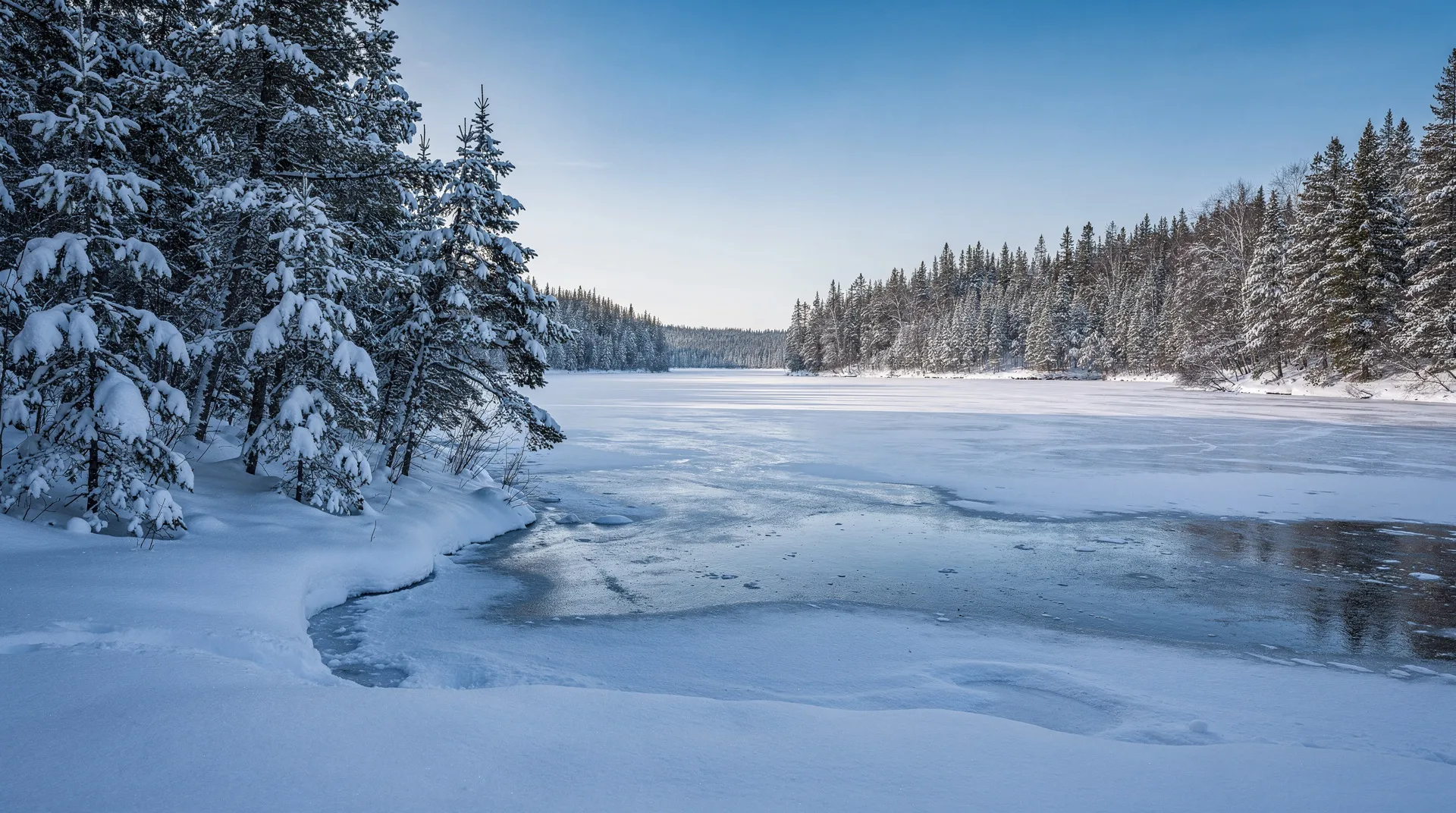
Canada in winter: 2-week ski, aurora and winter festival itinerary
Canada in winter is a different country — colder, quieter, cheaper outside the ski resorts, and with experiences the summer visitor never touches. This 2-week itinerary combines the three Canadian winter signatures: skiing the Rockies and Whistler, chasing the aurora borealis in Yellowknife, and the Quebec Winter Carnival in Quebec City. It is a demanding trip in terms of weather and logistics but delivers the most complete winter-Canada experience possible in 14 days.
The itinerary targets late January through mid-February — the carnival window, peak aurora season, best snow quality. Pack seriously warm gear: Yellowknife can drop to -40°C.
At a glance
| Where | Vancouver to Whistler to Banff/Lake Louise to Yellowknife to Montreal to Quebec City |
| Cost | Around CAD 8,100-12,200 per person (moderate to comfort, excludes international flights) |
| Time needed | 14 days; this pace is already tight given four internal flights |
| Getting around | Rental car for BC/Rockies, domestic flights for Yellowknife and Quebec, VIA Rail for Montreal-Quebec City |
| Best time | Late January to mid-February for the carnival, aurora and ski conditions to align |
Real depth: managing the logistics of a four-region winter trip
This itinerary asks more of its logistics than a summer trip of the same length, mainly because of the four internal flights (Vancouver-Calgary, Calgary-Yellowknife, Yellowknife-Montreal, plus the Whistler-Calgary transition) and the genuine cold-weather risk in Yellowknife. Build a one-day buffer around the Yellowknife-to-Montreal connection specifically — winter flight delays out of the Northwest Territories are more common than in southern Canada, and missing a connection there has knock-on effects on carnival-week hotel bookings in Quebec City that are hard to unwind.
Cold-weather health and safety
Beyond gear, plan for shorter outdoor windows than you would in summer: exposed skin frostbites in minutes at -30°C to -40°C with wind, and Yellowknife aurora tours deliberately build in warm-up breaks in heated shelters for exactly this reason. Anyone with respiratory or circulatory conditions should check with a doctor before a Yellowknife leg at this time of year — the temperature swing from Vancouver’s 4-8°C to Yellowknife’s -30°C to -40°C within 48 hours is significant.
Overview
| Days | Base | Highlights |
|---|---|---|
| 1-2 | Vancouver | City, optional Grouse Mountain skiing |
| 3-5 | Whistler | Three days on Whistler Blackcomb |
| 6-7 | Lake Louise / Banff | Ski Lake Louise, Sunshine, Banff town |
| 8-10 | Yellowknife | Aurora hunting, ice road (if open), dogsledding |
| 11-12 | Montreal | Nuit Blanche (late Feb) or Igloofest (late Jan) |
| 13-14 | Quebec City | Winter Carnival, Hotel de Glace, old city in snow |
Days 1-2: Vancouver winter arrival
Vancouver winters are mild and rainy — 4-8°C typical. A gentle start to a cold trip.
Day 1. Arrive YVR. Canada Line SkyTrain downtown. Check in.
Afternoon. Walk the Stanley Park Seawall (bundled up). Granville Island market. Steam Clock in Gastown.
Day 2. Grouse Mountain — Vancouver’s nearest ski hill on the North Shore, accessible by bus and gondola. 26 runs, 4 lifts, mostly beginner-intermediate. Full day or half day. Skating on Robson Square downtown (free outdoor rink in winter).
Browse Vancouver winter activitiesDays 3-5: Whistler Blackcomb
Day 3. Pick up rental car or board the Whistler Direct coach. Drive the Sea-to-Sky Highway (120 km, 2 hours) — in winter a dramatic road with the Coast Mountains snow-laden. Arrive Whistler Village afternoon. Rent ski gear.
Whistler Blackcomb is the largest ski resort in North America by skiable area (8,171 acres across two mountains). Lift ticket ranges CAD 150-220 per day depending on advance purchase and blackouts. The Epic Pass and Ikon Pass both include Whistler.
Day 4. Full day on Whistler Mountain. Saddle down to the village lifts. Ride the Peak 2 Peak Gondola between mountains for scenic photographs and access to Blackcomb in the afternoon. Lunch at Chic Pea or Christine’s on Blackcomb.
Day 5. Full day on Blackcomb Mountain. Upper-elevation glacier runs, Blackcomb’s signature steeps in 7th Heaven. Après-ski at Garibaldi Lift Company or Longhorn Saloon. Dinner at Araxi or Bearfoot Bistro.
Days 6-7: Lake Louise and Banff skiing
Day 6. Drive Whistler to Calgary (8-9 hours via Highway 99 and Trans-Canada — long winter driving day, leave early, winter tires mandatory). Alternatively fly Vancouver-Calgary (return the Whistler rental car, fly from YVR or drive down and fly from Vancouver). Fly arrives 1h 30m. Car from Calgary to Banff is 90 minutes.
Option — ski Lake Louise Mountain Resort. The largest ski area in Canada by acreage (4,200 acres, 164 named runs) — less crowded than Whistler, high-altitude dry snow, long intermediate cruising runs. Day pass CAD 160-180.
Day 7. Ski Banff Sunshine (off the Trans-Canada between Banff and Lake Louise). Expert terrain in Delirium Dive and the Wild West; beginner and intermediate across the main bowls. Day pass CAD 145-170. Alternative: Mount Norquay (closest to Banff town, less dramatic but cheaper). Evening in Banff town — dinner and a soak at the Banff Upper Hot Springs (open in winter, -15°C air, 38°C water, one of the best sensory experiences in Canada).
Book Banff winter experiencesDays 8-10: Yellowknife aurora hunting
Day 8. Fly Calgary to Yellowknife (2h, Air Canada or WestJet). Arrive early afternoon. Check into the Explorer Hotel (the classic choice) or an aurora village property.
Afternoon. Dress properly for Yellowknife — we are in the Northwest Territories, 3°N of 60°, with January and February lows of -30 to -40°C. Rent or buy serious Arctic-grade parka and pac boots locally if you didn’t bring them (some tours rent gear).
Night. Aurora hunt — book a small-group tour with Aurora Village or North Star Adventures. These operate from heated teepees or cabins 20-30 minutes outside town with experienced guides who monitor cloud cover and solar forecasts. Plan 4-5 hours 10pm-3am. Success rates in Yellowknife from late November through mid-April are among the highest in the world (87 per cent over a 3-night stay).
Day 9. Sleep in. Afternoon in town — Prince of Wales Northern Heritage Centre (excellent First Nations and Inuit exhibits). Dogsledding afternoon tour (90-minute runs available). Aurora hunt again that night — two consecutive nights massively increases success rate.
Day 10. Ice Road to Dettah — if conditions permit, the winter ice road crossing to the Dene community of Dettah is driveable (or you can drive some length of the Tibbitt to Contwoyto Winter Road, one of the longest ice roads in the world, featured in the TV series Ice Road Truckers). Season typically late January through mid-March. Snowmobiling on Great Slave Lake is another option. Final aurora hunt tonight.
Book Yellowknife aurora and winter toursDays 11-12: Montreal in winter
Day 11. Fly Yellowknife to Montreal (direct flights seasonal; usually connect via Calgary or Toronto, 6-8 hours total). Arrive evening. Check into a downtown or Old Montreal hotel. Dinner at Schwartz’s for smoked meat or Au Pied de Cochon for excessive French-Canadian.
Day 12. Montreal. Old Montreal in the snow is postcard-beautiful — Notre-Dame Basilica, cobblestones in drifts. Mount Royal for snowshoeing or sledding (free rentals at the Beaver Lake chalet). Underground City (RÉSO) network of 33 km of climate-controlled pedestrian tunnels connecting metro stations, shopping, hotels — essential on the coldest days.
Winter festivals in Montreal. Igloofest (late January through early February) — outdoor electronic music festival on the Old Port with temperatures often below -20°C, strong all-season vibe. Nuit Blanche Montreal (late February/early March) — all-night art installations, open museums, free outdoor activities.
Browse Montreal winter toursDays 13-14: Quebec City and Winter Carnival
Day 13. VIA Rail Montreal to Quebec City (3 hours). Check into Fairmont Le Château Frontenac (the iconic lodging) or the Hotel de Glace ice hotel (rebuilt annually January-March, 30 minutes outside the city).
Quebec Winter Carnival runs late January through mid-February — 17 days, the largest winter festival in the world. Bonhomme Carnaval (the snowman mascot), night parades, ice sculpture competitions, the canoe race across the partly-frozen St Lawrence, snow baths (yes, people wade into snow in swimsuits).
Evening: walk the old walled city lit in winter, dinner in Place Royale in the lower town, caribou (mulled wine and brandy, the carnival drink) at an outdoor bar.
Day 14. Morning at the Hotel de Glace (open for day visits CAD 25 even if not staying) — sculpted ice chapel, bedrooms, and a full bar. Winter Carnival events on your last day. Montmorency Falls (30 m higher than Niagara, entirely frozen in deep winter — ice climbing tours run to the falls). Return to Quebec City airport for departure, or train back to Montreal for the flight home.
Book Quebec City winter experiencesBudget estimate (per person, CAD, two sharing)
| Category | Moderate | Comfort | Luxury |
|---|---|---|---|
| Accommodation (13 nights, mix of ski resort and city) | 3,200 | 5,500 | 10,500 |
| Food and drink | 1,400 | 2,100 | 3,600 |
| Flights (Vancouver-Calgary-Yellowknife-Montreal) | 1,600 | 2,000 | 2,800 |
| Ski lift tickets (5 days) + equipment rental | 900 | 1,100 | 1,400 |
| Aurora tours (3 nights), dogsledding, other activities | 1,000 | 1,500 | 2,500 |
| Total per person | 8,100 | 12,200 | 20,800 |
Winter hotel rates at ski resorts are peak season (often higher than summer at Whistler, Banff, Lake Louise). Yellowknife aurora tours cost CAD 150-300 per night per person.
Gear essentials
Minimum for Yellowknife: Down parka rated to -40°C, pac boots rated to -40°C (Sorel Caribou or Baffin Impact), balaclava, heavy mittens (not gloves), multiple thermal base layers, thick wool socks, hand and toe warmer packets.
Most Yellowknife aurora tour operators rent Arctic-grade gear if you don’t have it — typically CAD 60-100 per day for full kit. Strongly recommended if you are not otherwise a cold-weather traveller.
For the rest of the trip (Whistler, Banff, Montreal, Quebec City): a down jacket, waterproof pants for skiing, merino base layer, waterproof winter boots.
Variations
Add Churchill polar bears — not in peak winter (season is late October-early November), but possible to combine in an extended shoulder-season trip. See Churchill polar bear 5-day itinerary.
Ski-only version. Drop Yellowknife and spend that time at a single resort — 5 days at Whistler plus 3 days at Banff. See rockies winter 5-day itinerary.
Aurora-only version. Spend 5-7 days in Yellowknife for maximum aurora success. Combine with 2-3 days in Calgary or Vancouver.
Quebec-only winter version. Montreal + Quebec City + Laurentians (Mont-Tremblant skiing). See Quebec winter 7-day itinerary.
Best timing within winter
Late January / early February — this itinerary’s ideal window. Quebec Winter Carnival, Yellowknife aurora season active, ski conditions peak in the Rockies, Whistler open. Coldest temperatures but best experiences.
Mid-February / early March — carnival ends but ski conditions remain excellent. Warmer (relatively). Montreal Nuit Blanche in late February.
December — shorter daylight, decent aurora but increasing cloud risk, early-season snow at Whistler. Christmas markets in Toronto and Montreal.
Late March — longer days, softening snow, aurora season ending. Not ideal.
Frequently asked questions about Canada in winter
Is it too cold to enjoy this trip? Yellowknife’s -30°C to -40°C is the extreme point, but tours are designed around it — heated shelters, short outdoor windows, rented Arctic gear — and the rest of the route (Whistler, Banff, Montreal, Quebec City) is standard winter cold, not extreme cold; see the Canada in winter guide for what to expect region by region.
Can I do this trip without skiing? Yes — swap the Whistler and Lake Louise ski days for snowshoeing, the Banff Upper Hot Springs, and extra time in Banff town; the aurora and carnival portions do not require skiing at all.
Related guides
- Canada in winter guide for general winter planning
- Yellowknife aurora 5-day itinerary for aurora focus
- Quebec winter 7-day itinerary
- Rockies winter 5-day itinerary
- Churchill polar bear 5-day itinerary
- Banff park pass guide