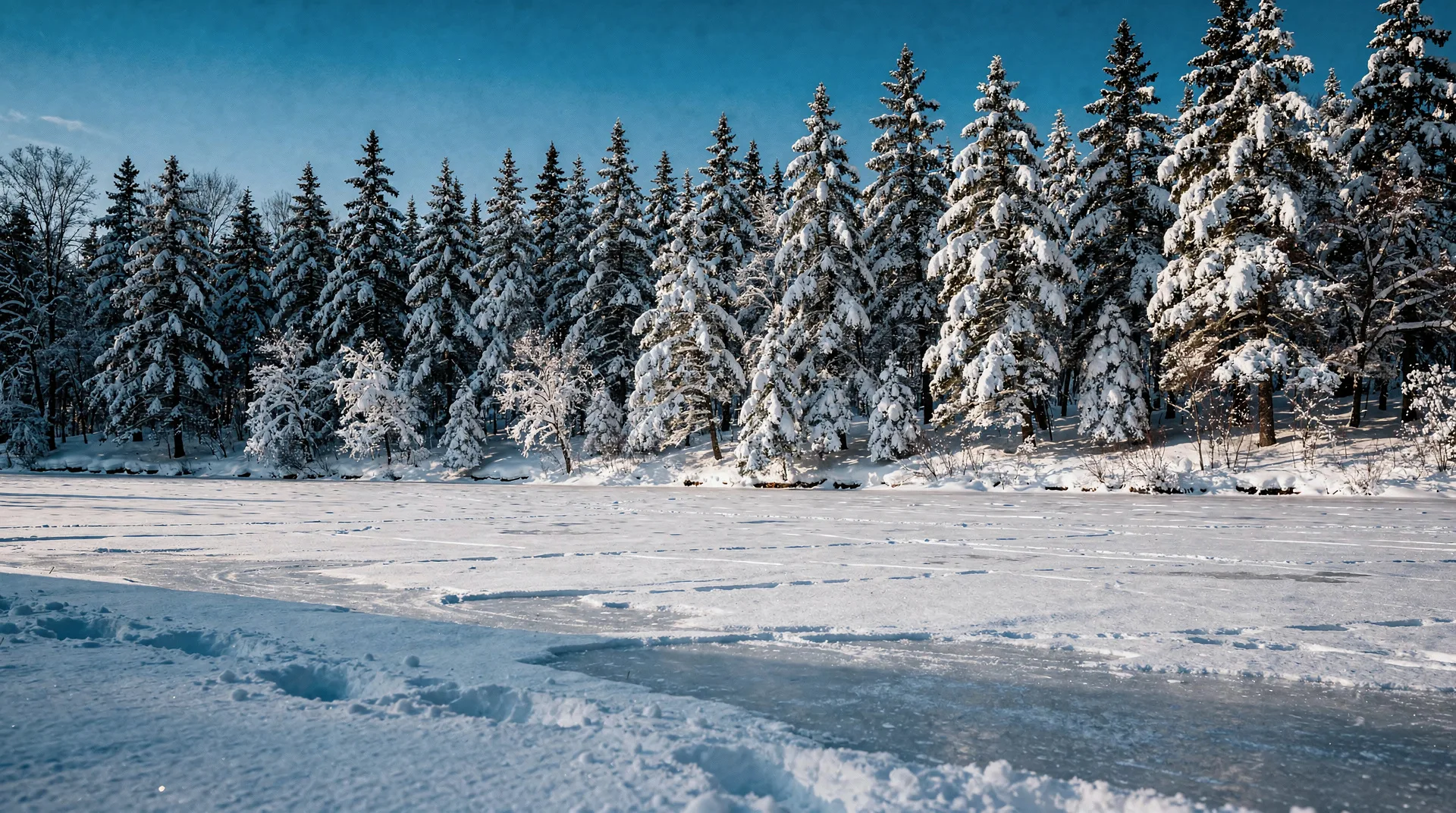
Quebec in Winter: Carnival, Ice Hotel, Skiing and the Northern Mood
Is Quebec worth visiting in winter?
Absolutely. Quebec is one of the few places in the world that genuinely celebrates winter rather than enduring it. The Winter Carnival in Quebec City is the planet's largest, the Hôtel de Glace is a genuine architectural feat, and the ski resorts of the Laurentians and Eastern Townships offer excellent value. Montreal buzzes year-round, and Old Quebec under snow is strikingly beautiful.
| At a glance | |
|---|---|
| Where | Quebec City (Carnival, Hôtel de Glace nearby), Montreal, Laurentians and Charlevoix ski areas |
| Cost | Hotels drop 30-40% outside Carnival weekends; ski day tickets around CAD 70-115; Hôtel de Glace overnight from around CAD 350-550 per person |
| Time needed | A long weekend covers Carnival or the Ice Hotel; 7 days combines both cities plus skiing |
| Getting there | Fly into Montreal-Trudeau or Quebec City; snow tires are legally required Dec 1-Mar 15 for any rental car |
| Best time | Late January-early February for Carnival; December for Christmas markets; January-March for reliable snow |
Quebec has a different relationship with winter than most places. Where other destinations simply manage the cold, Quebec has built an entire culture around embracing it. The province invented the winter carnival, pioneered the ice hotel concept in North America, and maintains a restaurant and nightlife scene in Montreal and Quebec City that runs as vigorously in February as in July. For visitors willing to dress appropriately, winter in Quebec is not merely tolerable — it is exceptional.
The keys to a successful winter Quebec trip are straightforward: understand the main experiences on offer, accept that temperatures will be genuinely cold (often -15 to -25°C in Quebec City in January), and dress in proper layers. Everything else — the food, the culture, the architecture, the skiing — falls into place.
Quebec Winter Carnival: the world’s biggest
The Carnaval de Québec, held each year in late January and early February, is the largest winter carnival on earth and the oldest continuously running winter festival in the Western Hemisphere. Its history stretches back to 1894. Today it draws approximately 400,000 visitors over its two-week run.
What actually happens at Carnaval
The festival is centred on the Old City of Quebec, which — with its fortified walls, 17th-century stone buildings, and position on the clifftop above the St. Lawrence — provides an extraordinary backdrop for a winter festival. Events sprawl across both Upper Town (Haute-Ville, inside the walls) and Lower Town (Basse-Ville, in the Petit-Champlain district).
The ice sculptures: The International Ice Sculpture Competition fills the Plains of Abraham with enormous carved ice installations — these are not decorative trinkets but full architectural sculptures the size of small cars, created by teams from around the world. Walking through the Plains in the evening, when the sculptures are lit from within, is one of the festival’s most genuinely spectacular moments.
Night parades: The Carnaval parades run in the evenings through the Old City streets. The cold makes them brisk affairs, but the floats, the light displays, and the sheer energy of the crowd — most of whom are fortified with Caribou, the festival’s traditional hot wine-and-spirits drink — are memorable.
Bonhomme Carnaval: The festival’s mascot — a giant snowman figure in a red cap and sash — appears throughout the two weeks at official events and photo opportunities. He is simultaneously slightly ridiculous and genuinely beloved. The Bonhomme Ice Palace is one of the festival’s flagship installations.
Ice canoe racing: One of the most dramatic competitions at Carnaval is the ice canoe race, in which teams paddle and drag their canoes across the semi-frozen St. Lawrence River. The combination of open water, ice floes, and the physical feat of the competitors makes this a genuinely exciting spectator event.
Winter sports: Dog-sled races, ice fishing demonstrations, snow slides, and the famous outdoor baths (bains de neige) fill out the programme throughout the festival fortnight.
Book a Quebec City Winter Carnival guided tour and experienceThe Hôtel de Glace: sleeping in ice
The Hôtel de Glace (Ice Hotel) is one of North America’s most singular travel experiences. Built fresh each winter from approximately 15,000 tonnes of snow and 500 tonnes of ice, the hotel is an architectural feat that takes four to six weeks to construct and houses approximately 80 rooms and suites, an ice chapel, ice bars, and hot tubs set within the snow walls.
What a stay actually involves
Rooms are built from sculpted ice and snow, with ice bed frames topped with wooden platforms and thick mattresses, covered in sleeping bags rated to -30°C. The room temperature hovers around -5°C. The hotel provides full cold-weather sleeping gear for guests who do not bring their own. Bathrooms with warm showers are in a separate heated building — guests are not expected to endure more cold than the sleeping experience itself.
Day passes are available for those who want to tour the public spaces — the intricate carvings, the ice bar, and the themed suites — without spending the night. The bar serves cocktails in hand-carved ice cups, which is theatrical but also genuinely enjoyable.
The Hôtel de Glace reopened at Village Vacances Valcartier, approximately 20 kilometres north of Quebec City. The adjacent Valcartier resort also offers the largest outdoor winter playground in Canada, with snow tubing runs, an ice slide complex, and skating circuits. Check the hotel’s website each autumn for that season’s opening dates, as the construction timeline varies with weather conditions.
Practical note: The Hôtel de Glace books up quickly for weekend overnight stays — often selling out weeks in advance once reservations open. Mid-week nights are significantly easier to book.
Skiing and winter sports
Quebec’s skiing is excellent, often underestimated by visitors more familiar with the Rockies. The province’s ski mountains lack the altitude of Banff or Whistler but compensate with reliable snowfall, outstanding grooming, and a mountain-village culture rooted in Quebec’s distinctive joie de vivre. Après-ski in the Laurentians has an energy that the Rockies rarely match.
Major ski areas
Mont-Tremblant: The flagship resort of the Laurentians and the most complete ski destination in eastern Canada. The pedestrian village at the base is one of the finest in North America — car-free, cobblestoned, and animated even on weekday evenings with restaurants, bars, and live music. Tremblant has 96 runs, a vertical drop of 645 metres, and reliable snowmaking that extends the season well into March and sometimes April. Ski-in/ski-out accommodation at the Fairmont Tremblant or the numerous condo-hotels puts visitors directly at the slopes.
Mont-Sainte-Anne, Charlevoix: Located 40 kilometres east of Quebec City, Mont-Sainte-Anne is one of the most underrated ski mountains in eastern Canada. Its 71 runs include some of the longest descents in the east, and the mountain has extensive night skiing. The proximity to Quebec City makes it an excellent choice for combining carnival city culture with daily skiing. The Charlevoix region surrounding the mountain adds excellent restaurants and lodges.
Massif de Charlevoix: Described in the ski world as one of the most scenic ski mountains in eastern Canada, Le Massif offers unobstructed views over the St. Lawrence River from every run. The vertical drop (770 metres) is the largest in eastern Canada. The mountain is deliberately small in skier numbers, maintaining a different atmosphere from Tremblant. The Charlevoix Railway — a train that runs between Quebec City and Baie-Saint-Paul — offers a scenic winter transfer to the area.
Eastern Townships resorts: Owl’s Head, Sutton, and Bromont offer accessible skiing from Montreal, typically a 90-to-120-minute drive. These mountains suit intermediate skiers and families looking for a relaxed mountain weekend without the drive to Tremblant.
Book a Montreal to Mont-Tremblant ski day tripQuebec City in winter beyond Carnival
Quebec City in winter — whether during Carnival or not — is extraordinary. The Old City’s fortifications, the Château Frontenac, and the cobblestoned streets of Petit-Champlain are at their most photogenic under snow. The city functions entirely normally in winter; Quebec’s residents do not hibernate.
Key winter experiences
Skating on ice rinks: The Plains of Abraham and several city parks maintain outdoor ice rinks throughout winter. The Lower Town rink, near the Château Frontenac funicular, is particularly scenic. Skate rentals are available at the main rinks.
Cross-country skiing on the Plains: The Plains of Abraham park maintains groomed cross-country trails during winter, providing a remarkable urban skiing experience with historic fortifications as a backdrop.
The fortification walls walk: The 4.6-kilometre circuit of the Old City walls remains walkable through winter. Dressed properly, this walk in snow — with views over the St. Lawrence and the surrounding countryside — is one of the city’s best winter activities.
Petit-Champlain in winter: The Lower Town’s most picturesque street, Rue du Petit-Champlain, is decorated extravagantly for the winter season. The boutiques, galleries, and restaurants remain open and often less crowded than in summer. Hot chocolate and tourtière (meat pie) from one of the cafés while watching snow fall on the narrow street is a classic Quebec winter moment.
See our 7-day winter Quebec itinerary for a complete plan combining Carnival, the Ice Hotel, and skiing.
Montreal in winter
Montreal’s winter reputation as a cold and inhospitable city dramatically undersells what the city actually offers in December through March. Montreal has spent decades developing an underground network of climate-controlled passages — the RÉSO, or Underground City — connecting hotels, offices, shopping centres, and metro stations across the downtown core. Locals can function for entire days without stepping outside in extreme cold.
Above ground, Montreal’s restaurant and bar scene has no off-season. The city’s food culture — one of the finest in North America — operates at full capacity through the depths of February. The Mile End neighbourhood, Plateau-Mont-Royal, and the Old Port all maintain their characteristic energy.
Christmas markets: In December, the Old Port of Montreal hosts one of Quebec’s largest Christmas markets, with outdoor stalls selling artisan crafts, mulled wine, and regional food products. The Montreal Christmas market draws around 300,000 visitors and runs from late November through Christmas. See our Quebec Christmas markets guide for the full calendar.
Igloofest: Each January and February, Montreal’s Old Port hosts Igloofest, an outdoor electronic music festival run specifically in the coldest part of winter. Festival-goers dance in sub-zero temperatures; the more extreme the cold, the better the ticket discounts offered. It is strange, it is specifically Montréalais, and it is an excellent time.
Museums and culture: The Montreal Museum of Fine Arts, the McCord Museum, and the Musée d’art contemporain de Montréal are world-class institutions that operate year-round. Winter is the ideal time to spend meaningful time in them without the summer crowds.
Weather and what to wear
Quebec winter temperatures are genuinely cold. This is not the mild version of winter experienced in Vancouver or even Toronto.
| City | January average low | January average high | Record cold |
|---|---|---|---|
| Montreal | -14°C | -5°C | -33°C |
| Quebec City | -17°C | -8°C | -36°C |
| Laurentians | -18°C | -7°C | -38°C |
| Charlevoix | -16°C | -6°C | -34°C |
Layering is the technique, not just the insulation. A quality down jacket is necessary but not sufficient — thermal base layers, mid-layer fleece or wool, and a windproof outer shell work together. For outdoor activities like Carnival or ice canoe watching, add warm hat covering the ears, a neck gaiter, insulated gloves (not thin fashion gloves), and warm boots rated to -30°C (Sorel, Kamik, and Baffin are Quebec-tested brands).
See our driving in Quebec in winter guide for vehicle preparation and tire regulations if you are planning to rent a car.
Costs and budget
Winter in Quebec outside the Carnival and Christmas peak periods is genuinely affordable:
- Quebec City hotels: Drop 30–40% from summer rates in January and February outside Carnival weekends
- Montreal hotels: Moderate drop (15–25%); the city’s year-round appeal keeps demand relatively stable
- Ski lift tickets: Mont-Tremblant day tickets range CAD 70–115 depending on season and advance purchase; multi-day passes offer better value
- Hôtel de Glace: Overnight stays from approximately CAD 350–550 per person including the sleeping gear package; day passes from approximately CAD 35
- Carnaval admission: Most outdoor events are free; specific events and the ice palace require a Carnaval pass (approximately CAD 20–30)
Getting around Quebec in winter
Quebec’s winter roads are well-maintained but require the right preparation. Snow tires are mandatory on Quebec roads from December 1 to March 15, so any rental car booked in that window comes equipped. VIA Rail’s Montreal-Quebec City corridor runs on a normal winter schedule and is a low-stress way to skip winter driving between the two cities entirely — see the Montreal to Quebec City guide for timing.
If a road trip toward the Laurentians or Charlevoix is part of the plan, read the driving in Quebec in winter guide before booking a car, since black ice and sudden squalls are real considerations outside the city cores. For a full week combining Carnival, the Ice Hotel and skiing without rushing, the 7-day winter Quebec itinerary is the most realistic pacing template.
Comparing Quebec’s winter to the rest of the country is also worth doing before committing dates — the summer vs winter Canada guide and Quebec vs Montreal comparisons both help decide how much time each city deserves.
Frequently asked questions about Quebec in Winter: Carnival, Ice Hotel, Skiing and the Northern Mood
Is Quebec City safe in winter cold for outdoor sightseeing?
Yes, if properly dressed. Frostbite becomes a genuine risk below -20°C in wind, which means covering exposed skin completely. The Old City is compact and walkable with many café and restaurant warm-up points along any route. Quebec residents spend considerable time outdoors in winter — it is culturally normal to do so. The key is wearing the right gear. Visitors who underdress for cold-weather sightseeing have an unpleasant time; visitors who dress properly find winter Quebec exhilarating.
When exactly is Quebec Winter Carnival held?
The Carnaval de Québec typically runs for two weekends in late January and early February, including the days between them — approximately 17 days in total. The exact dates shift slightly year to year; check the Carnaval’s official website (carnaval.qc.ca) in October for the following February’s schedule. Book accommodation in Quebec City well in advance — the city fills completely during Carnival weekends.
Can I drive to Mont-Tremblant from Montreal in winter?
Yes. The Highway 15 north from Montreal to the Laurentians is well-maintained and salted throughout winter. The total distance to Mont-Tremblant is approximately 145 kilometres — about 1.5 to 2 hours in normal winter conditions. Snow tires are legally required on Quebec roads from December 1 to March 15, so any rental car will be equipped. Check road conditions via Quebec’s 511 service before departing in heavy snow periods. See the driving in Quebec in winter guide for complete details.
Is it better to base in Quebec City or Montreal for a winter trip?
It depends on priorities. Quebec City is the better base for Carnival, the Hôtel de Glace and the most photogenic snow-covered old town; Montreal offers a bigger city with year-round restaurant energy, Igloofest and easier access to Laurentian skiing. Most first-time winter visitors split their week between both, using VIA Rail to connect them — see the Quebec City vs Montreal comparison for a fuller breakdown.