Celtic music in Cape Breton: sessions, festivals & halls
Where can I hear traditional Celtic music in Cape Breton?
Cape Breton has the most active traditional Celtic music scene in North America. Best venues: Red Shoe Pub in Mabou, Normaway Inn ceilidhs, Gaelic College in St. Ann's, and community square dances weekly from spring to fall.
At a glance
| Where | Mabou/Inverness/Margaree cluster, western Cape Breton; St. Ann’s for the Gaelic College |
| Cost | Most pub sessions free with food/drink; square dances around $5-15; Celtic Colours concerts roughly $30-60 |
| Time needed | One evening for a taste; 4-5 days for a music-focused base in Inverness County |
| Getting there | Rental car essentially required — venues are rural |
| Best time | July-September for regular sessions; Celtic Colours in October for the biggest concentration |
Cape Breton Island holds something unique in North America: a living, active, community-scale tradition of Celtic music — fiddle, piano, bagpipes, Gaelic singing, and the square dances they accompany — passed down continuously since Scottish Highland emigrants settled here in the late 18th and early 19th centuries. When the language and music began to disappear in Scotland, it survived on Cape Breton in communities where people spoke Scottish Gaelic into the mid-20th century and still play the old tunes in a style distinct from, and in some ways older than, what survives in Scotland itself.
For visitors, Cape Breton offers the best opportunity anywhere in North America to experience authentic traditional Celtic music in its original social context — not as a museum performance, but as a living tradition in pubs, community halls, and family homes. This guide covers where to go, what to expect, and how to integrate Celtic music into a Cape Breton trip.
What Cape Breton Celtic music actually is
Cape Breton music is rooted in the fiddle traditions of the Scottish Highlands, brought by Gaelic-speaking settlers in the 1770s-1850s and maintained continuously by families and communities since then. The tradition emphasises:
Dance music: the tunes exist primarily to accompany square dances. Jigs, reels, strathspeys, and marches make up the core repertoire. A good player can pivot from a strathspey to a reel without dropping a beat while keeping 60 dancers in sync.
Fiddle as core instrument: the fiddle (violin played in this style) is central. Piano accompaniment is distinctive — a driving chordal style pioneered by players like Doug MacPhee and Mary Jessie MacDonald. Guitar is a more recent addition. Pipes appear in some contexts.
Distinctive style: the Cape Breton fiddle style is recognisable — strong bow arm, Scotch snaps (a characteristic rhythmic emphasis), grace notes and cuts that define the “Celtic” sound, and an unstoppable rhythmic drive. The style is closer to 18th-century Scottish fiddle than to most contemporary Scottish or Irish playing.
Gaelic connection: many of the tunes have Gaelic song equivalents or Gaelic roots. Gaelic singing (unaccompanied, in Gaelic) is part of the tradition though rarer in public venues.
Dance tradition: square dances (called “squares” or “set dances”) are still held weekly in rural community halls throughout spring, summer, and fall. These are not tourist demonstrations — they are working dances where families, young people, and elders dance together.
Where to hear it
The Red Shoe Pub, Mabou
The Red Shoe is the single most famous venue on Cape Breton for Celtic music, and deservedly so. Owned by members of the Rankin family (one of Cape Breton’s most famous musical families), the pub features live traditional music most nights in season. The format is intimate — a small pub room, musicians on a small stage, audience at wooden tables. Sessions run the traditional tune-swap format plus featured performers.
Mabou is also the home of the annual Celtic Colours Festival’s most important pub sessions. Visiting the Red Shoe during Celtic Colours (early October) provides the peak concentration of top players.
Location: Mabou, Inverness County. About 90 minutes from Baddeck.
Community square dances
The square dance tradition is still active in rural Cape Breton halls. These are not tourist demonstrations — they are genuine working community dances where locals attend regularly. Major dance venues include:
- Glencoe Mills hall (Tuesday night in summer) — the longest-running weekly square dance in Cape Breton
- West Mabou Square Dance (Saturday night) — famous for its fiddler and caller combinations
- South West Margaree hall (various nights) — quieter, family-focused
- Brook Village hall — active in summer and fall
Square dances are informal. Cost is $5-10 at the door. Beginners are welcome; regulars will often explain the figures. The format is: dance for an hour or two, break, music and socialising, dance again. A square dance is the quintessential Cape Breton cultural experience.
Check the schedule at the Cape Breton Celtic Music Interpretive Centre website or local tourism offices.
Normaway Inn, Margaree Valley
The Normaway Inn hosts regular ceilidh evenings through summer and fall — small-scale evening concerts with traditional music, often combined with dinner. The setting is an intimate historic inn with a focus on authentic musical programming rather than tourist-oriented spectacle.
Gaelic College (Colaisde na Gàidhlig), St. Ann’s
The Gaelic College in St. Ann’s is Cape Breton’s primary institution for Gaelic cultural preservation — language classes, music instruction, dance classes, and performances. In summer, the college hosts public concerts, open sessions, and demonstrations. The Great Hall of the Clans museum on the college grounds provides cultural context.
Buddy MacMaster Tune Legacy sessions
Various venues across Cape Breton host sessions in tribute to legendary players. Session locations rotate; check local event listings in summer.
Local pubs in Inverness, Judique, Mabou, Margaree, and Cheticamp
Most rural Cape Breton communities have at least one pub that hosts occasional or regular traditional music. In Inverness County particularly, weekend evenings during tourist season consistently feature traditional music.
Festivals
Celtic Colours International Festival
Held every October over nine days, Celtic Colours is the largest celebration of Cape Breton and Celtic music on the island. Concerts, workshops, dances, and cultural events take place in venues across the island. Performers include the best of Cape Breton’s traditional players plus international guests from Scotland, Ireland, and the Celtic diaspora.
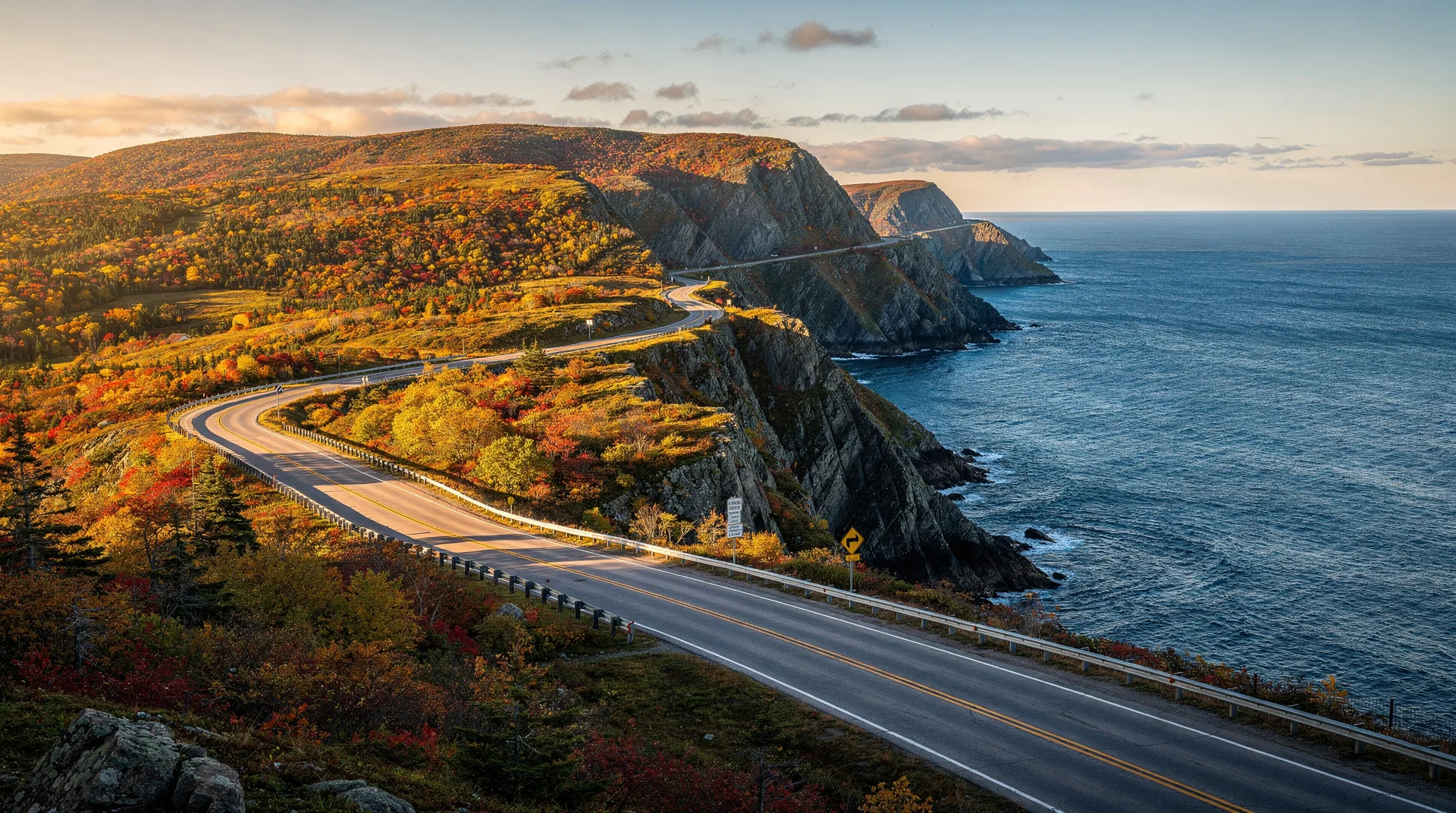
Celtic Colours combines music with fall colour season (fall foliage peaks during the festival), making it one of the best times of year to visit Cape Breton. The festival is well-organised, widely attended, and offers a concentrated experience of the tradition. Book accommodation months in advance.
Festival website: celticcolours.com
Cape Breton Highlands National Park - various summer events
The Parks Canada facilities host occasional outdoor concerts, ceilidhs, and cultural demonstrations during summer. Check the current schedule.
Stan Rogers Folk Festival (Stanfest)
Not strictly Celtic, but the annual folk festival in Canso, Nova Scotia (mainland, about 90 minutes from the Canso Causeway onto Cape Breton) is a major Atlantic folk music event in early July, with substantial Cape Breton presence. Worth knowing about for visitors timing a broader Atlantic trip.
When to visit for music
July through September is peak season for regular sessions, square dances, and small ceilidhs. Rural community halls run their dance schedules. The Red Shoe and other pubs are at full music programming.
Celtic Colours in October is the single best time for serious music visitors. A week-long concentration of events across the island with the best players and international guests.
Spring (late May-June) has some music programming but schedules are lighter. Operations are re-opening after winter.
Winter is off-season for public music programming. Private kitchen sessions continue but are not accessible to visitors.
Practical planning
Base locations for music: Mabou and the surrounding Margaree/Inverness area offers the densest traditional music programming. Baddeck has Bell’s museum and Gaelic College access. For Celtic Colours, base anywhere on Cape Breton — the festival uses venues across the island.
Transport: a rental car is essentially required. Many pubs and dance halls are rural; some are 30+ km from the nearest hotels.
Accommodation: book well ahead, particularly for Celtic Colours (October) when the festival draws attendees from around the world.
Cost: most pub sessions are free with the cost of food/drink. Square dances cost $5-15 at the door. Celtic Colours concerts range from $30-60 per event. A music-focused week on Cape Breton costs less than a comparable festival experience elsewhere.
Dress: casual. Square dances are particularly casual — jeans, t-shirts, comfortable shoes. Bring layers; rural halls can be cool in the evening.
Fitting the music around the rest of your days
Evenings are for the music, so daytime is free for the island’s other highlights. The Cape Breton Highlands National Park guide covers coastal walks that make a good counterpart to a late night in a pub, and the Cabot Trail guide explains how to structure the loop around your base. If you want a slice of history before an evening session, the Louisbourg fortress tour and the Louisbourg destination page show how the island’s past connects to its culture. Visitors weighing the island against its neighbour can read Cape Breton vs PEI, and anyone driving the full region will find the driving Atlantic Canada guide useful for linking Cape Breton with the mainland.
What to know before going
Authenticity: Cape Breton Celtic music is real and living, not a tourist performance. Respect the tradition — listen, watch, and ask questions if invited. Don’t request specific tunes; let the musicians build their sets naturally.
Cost to musicians: if you enjoy a session, tip the musicians. Square dance players work hard for modest pay and tips matter.
Gaelic: Scottish Gaelic is an endangered language with a small active-speaking community on Cape Breton. Gaelic signage and a few Gaelic-language events exist. The language commitment is genuine.
Dancing: at square dances, it is entirely fine to watch only. If you want to dance, ask a regular to show you the basic steps during a break. The community is welcoming.
Season by season for music
| Period | What’s on | Notes |
|---|---|---|
| Late May-June | Light schedule, venues reopening | Some sessions, fewer square dances |
| July-August | Full square dance and pub session schedule | Peak season, book accommodation ahead |
| September | Schedule still active, smaller crowds | Good value window before Celtic Colours |
| October (Celtic Colours) | Nine days of concerts, workshops, dances island-wide | The single best window for serious music visitors; book months ahead |
| Winter | Public programming largely off | Private kitchen sessions continue but aren’t accessible to visitors |
Pairing music with the rest of Cape Breton
A music-focused base works well alongside the island’s other draws. Bird Island boat tours (puffins and seabirds) are an easy half-day add-on from the Baddeck area, and you can compare Cape Breton Island tours to fill the daytime hours. If you’re comparing Cape Breton’s Celtic tradition to Quebec’s francophone music scene as part of a wider Atlantic-to-Quebec trip, the Quebec music festivals guide covers the very different — but equally rich — Quebec side. And for the classic scenic drive that frames a music-focused stay, see the Cabot Trail guide.
Combining Celtic music with a Cape Breton visit
Celtic music fits naturally into a Cape Breton 5-day itinerary or a broader Atlantic Canada trip. The Mabou/Inverness cluster is typically a 1-2 day segment of a larger Cape Breton visit.
For visitors focused specifically on the music tradition, a 4-5 day Inverness County base (Mabou or Margaree) with day trips to sessions, square dances, and the Gaelic College provides a substantial experience. Celtic Colours concentrates this into a nine-day window.
Related content:
- Cabot Trail — the broader island driving experience
- Baddeck — gateway community with Bell museum
- Cabot Trail direction — which way to drive
Why this matters
Cape Breton is one of a small number of places in North America where a continuous Celtic music tradition survives at community scale. The Scottish, Irish, and Gaelic musical cultures that shaped Atlantic Canada have largely disappeared elsewhere — absorbed into mainstream pop, professionalised beyond community participation, or left behind in the migration process. On Cape Breton, they continue in community halls, in family homes, and in the pubs that serve as the tradition’s public face.
For visitors with any interest in folk music, Celtic culture, or the living maintenance of tradition, the Cape Breton experience is genuinely rare and irreplaceable. The musicians are real. The tradition is alive. The community welcomes interested visitors who approach it with respect. Don’t leave Cape Breton without spending at least one evening in a pub or at a square dance.
Frequently asked questions about Celtic music in Cape Breton
Do I need to book Celtic Colours events in advance?
Yes for accommodation, and for the larger ticketed concerts. Smaller pub sessions and community events during the festival are generally first-come, first-served, but rooms across Cape Breton fill months ahead of the October festival.
Is Cape Breton Celtic music similar to what you’d hear in Scotland or Ireland?
Related but distinct. The Cape Breton style descends from 18th- and 19th-century Scottish Highland fiddling and has been preserved in a form that, in some respects, differs from and predates what commonly survives in Scotland today. It is its own living tradition rather than a copy of the Scottish or Irish scenes.