Quick facts
- Winter season
- December–March
- Average temperature
- -10 to -15°C (January)
- Snowfall
- About 210 cm/year
- Coldest month
- January
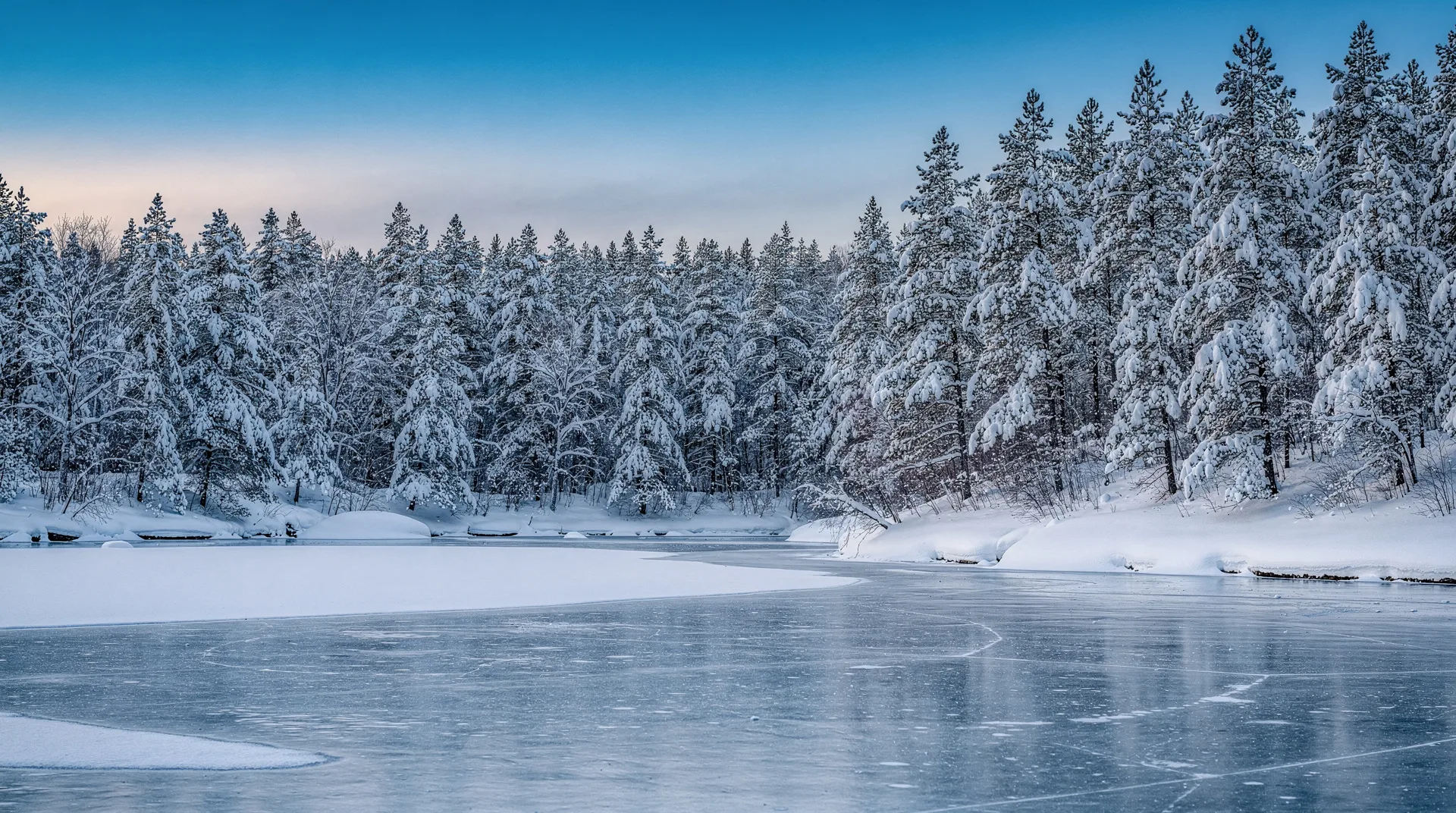
Montreal in January averages -10°C and receives about 210 cm of snow annually — figures that should not deter anyone who has discovered what this city does with its winters. Montrealers don’t retreat indoors and wait for spring. They dress properly, embrace the cold, and build some of the most inventive winter programming on the continent. The result is a city that is genuinely worth visiting in its most challenging season, with lower hotel prices, smaller crowds, and a local atmosphere that summer visitor numbers inevitably dilute.
The key to Montreal in winter is preparation: quality base layers, a proper winter coat (not a fashion coat that ends at the waist), waterproof boots with grip, and wool socks. Once you are dressed for it, -12°C is entirely manageable and even, on clear sunny days with fresh snow on the Plateau rooftops, beautiful.
| At a glance | |
|---|---|
| Where | Underground city (RÉSO), Old Port, Plateau, museum district on Sherbrooke Ouest |
| Cost | Museums and attractions typically around CAD $15-25; Igloofest tickets vary by night, book ahead for popular DJs |
| Time needed | 3-4 days covers festivals, museums and the underground city comfortably |
| Getting there | STM metro and the RÉSO underground network; walking outdoors is manageable in proper winter gear |
| Best time | December for Christmas markets; January-February for Igloofest; late Feb-early March for Montréal en Lumière |
The underground city (RÉSO)
The RÉSO is Montreal’s underground pedestrian network — 33 km of tunnels connecting 80 commercial buildings, 7 Metro stations, 2 bus terminals, a train station, universities, hotels, shopping centres, and two convention centres. For winter visitors, it functions as a climate-controlled parallel city: you can travel from your hotel near the Peel Metro station to the Old Montreal waterfront without ever setting foot outside.
The network emerged organically from individual building connections starting in the 1960s and has no single coherent map — navigation requires some exploration. The best approach is to follow the Metro stations (each is connected), use the RÉSO to cross the blocks between them, and emerge to street level at your destination. The underground mall at Place Ville-Marie and the shopping around McGill Metro are the most developed sections.
Igloofest
Igloofest is the event that defines Montreal’s winter attitude. Held Thursday through Saturday nights from mid-January through mid-February at the Old Port, it is an outdoor electronic music festival with stages set up on the frozen waterfront, crowds of 2,000–5,000 people dressed in their most outlandish winter gear, and international DJs performing sets in conditions that sometimes reach -25°C with wind chill.
The paradox of Igloofest — one of the world’s coldest outdoor festivals, drawing people who are genuinely excited to be there — captures something essential about Montreal. The dressing-up culture (parkas with LED lights, full snowsuits, absurd hats) turns the cold into a participatory performance. The crowd dances to stay warm. The vodka at the bar helps. The St. Lawrence River, partially iced over, provides a backdrop that no other city on earth can replicate.
Tickets should be purchased well in advance — popular DJ nights sell out within hours of going on sale.
Montréal en Lumière
Held over about 10 days in late February and early March, Montréal en Lumière (Montreal Highlights Festival) is a festival of light, gastronomy, and winter celebration. The outdoor component transforms the Quartier des spectacles with light installations — the nuit blanche (all-night event) is a particular highlight, with cultural institutions open through the night and free outdoor programming citywide.
The culinary component brings international guest chefs to collaborate with Montreal restaurants, creating prix-fixe tasting menus and events that make this one of the best weeks in the year for serious food tourism. Reservations for the festival restaurant events fill up fast.
Christmas markets and December atmosphere
December in Montreal is genuinely magical. The Christmas market at the Old Port runs through December and combines the European Christmas market format (wooden chalets, mulled wine, artisan crafts) with a Quebec flavour — cabane à sucre (maple syrup house) products, regional cheese and charcuterie, and locally made gifts. The ice rink at the Old Port opens in December and is one of the largest outdoor skating surfaces in the city.
The Old Town in December — stone buildings lit with Christmas lights, snow on the cobblestones, horse-drawn calèche carriages around Place Jacques-Cartier — is a winter tourism postcard that genuinely matches its own image. The Plateau’s residential streets with their multi-coloured Christmas lights on Victorian triplexes are equally atmospheric for evening walks.
Book a Montreal winter walking tour on GetYourGuideMuseums and indoor culture
Montreal’s museum scene is excellent and far better appreciated in winter when the outdoor competition is reduced. The three Smithsonian-quality institutions are:
Montreal Museum of Fine Arts (MBAM): One of the largest art collections in Canada — permanent collection spanning 5,000 years from Egyptian antiquities through to contemporary Canadian and international art. The temporary exhibitions are internationally significant. Located on Sherbrooke Ouest in the museum district.
Pointe-à-Callière Museum of Archaeology: Built directly over the excavated remains of Montreal’s founding settlement from 1642. The basement tour through the authentic archaeological foundations — paved 17th-century streets, cemetery remains, the first Catholic Church — is one of the most unusual museum experiences in the country. Located in Vieux-Montréal.
McCord Stewart Museum: Canadian history and social history, with particular strength in Quebec cultural and photographic history. The Notman photographic archives (450,000 images from the 19th and early 20th centuries) are remarkable.
The Biosphère on Île Sainte-Hélène (Buckminster Fuller’s geodesic dome from Expo 67, now an environmental museum) and the Science Centre in the Old Port provide additional indoor options, especially for families.
Skating
Montreal has several outdoor skating rinks in winter. The Parc La Fontaine rink in the Plateau is the most beloved local experience — skate rental available, the park is beautiful in the snow, and the surrounding streets have cafés for warming up. The Atrium Le 1000 in the downtown business district has an indoor skating rink under a dramatic atrium skylight — particularly useful on the coldest days.
The Lachine Canal path, plowed for winter use, is an excellent place to skate in good conditions, though this depends on freeze quality and city maintenance.
Winter on Mont-Royal
Mont-Royal is one of the most rewarding free winter outings in the city. The summit paths are packed down by walkers, snowshoers and cross-country skiers, and the lookout over the snowy rooftops is at its best on a clear, cold morning. Plan on one to two hours, wear boots with real grip because the upper trails can be icy, and bring a thermos. The Mont-Royal Park guide covers the main routes and lookouts, most of which are open year-round. Sledding hills, skating on Beaver Lake when conditions allow, and the chalet for warming up make it a good half-day with kids too.
Eating your way through the cold
Winter is the best time for heavy Quebec comfort food: poutine, smoked meat, tourtière, pea soup and maple desserts. Many restaurants have cozy interiors and shorter waits than in summer, though weekends during Montréal en Lumière still fill up. Budget roughly CAD $15-25 for a casual lunch and considerably more for a sit-down dinner, with tasting menus at the top end. The Montreal food guide explains what to order and where the city’s strengths lie. Indoor food halls and markets are also a smart way to spend a freezing afternoon, since you can browse, snack and warm up without committing to a full meal.
Evenings out in winter
Short days mean early sunsets, often before 5 p.m. in December, so evenings are long and best spent indoors. Bars, music venues and late-night restaurants stay busy all winter, and the cold tends to make the crowds friendlier and more local. Check opening hours in advance, as some smaller venues close on Mondays or Tuesdays in the low season. If you plan a night out beyond Igloofest, the Montreal nightlife guide outlines the main districts. Take the Metro or a taxi back rather than walking long distances late at night, and keep a spare pair of dry socks in your bag if you will be outside for long.
Choosing your winter month
Montreal’s winter is long, and the character of a visit changes noticeably from December through March. This breakdown helps you match your trip to what’s actually happening.
| Month | Weather | Crowds/events | Highlights |
|---|---|---|---|
| December | Cold, building snowpack, festive lighting | Moderate, pre-Christmas rush late in month | Christmas markets, Old Port ice rink, holiday lights on the Plateau |
| January | Coldest month, -10 to -15°C typical | Low outside Igloofest weekends | Igloofest begins, museums at their quietest, best hotel value |
| February | Still deep winter, occasional thaw days | Higher on Igloofest and Montréal en Lumière weekends | Igloofest continues, Montréal en Lumière starts late month, Winter Carnival day trips to Quebec City |
| March | Milder, melting begins, still cold | Low-moderate | Tail end of Montréal en Lumière, maple sugar season (cabane à sucre) begins |
For most first-time winter visitors, late January into February balances event density (Igloofest, the start of Montréal en Lumière) against still-manageable crowds. If dressing for genuine cold isn’t appealing, March offers a gentler introduction with fewer of the coldest days, though the ski season and Igloofest wind down by then.
Day trips in winter
The Laurentians ski hills are at their best from January through March. Mont-Tremblant is 1.75 hours from Montreal and offers the best skiing in eastern Canada. Smaller hills — Saint-Sauveur, Bromont, Mont-Saint-Bruno — are closer and better for day trips if a full ski resort experience is not the goal.
Quebec City’s Winter Carnival in early February is the world’s largest winter festival and is 2.5 hours from Montreal — a natural companion trip for winter visitors. If you would rather not drive on snowy roads, Quebec City day tours are an easy way to see it. The Hotel de Glace (ice hotel) near Quebec City is one of the world’s most extraordinary accommodation experiences.
Practical winter information
What to wear: Layering is essential. A good winter coat (rated to -20°C), thermal base layers, wool or synthetic-fill mid-layer, waterproof boots with grip (not fashion boots), wool socks, warm hat covering ears, gloves. Invest before arrival — Quebec outdoor retail stores stock proper winter gear.
Wind chill: The felt temperature with wind can be 8–12°C colder than the actual temperature. Wind chill warnings are broadcast when felt temperatures drop below -25°C — on those days, limit outdoor time between heated spaces.
Travel disruptions: Snowstorms can affect flights and driving. Build flexibility into winter itineraries. The Metro and bus system generally continues operating through storms.
Hotel prices: Winter (excluding Jazz Fest and F1 weeks, which are summer) brings significantly lower hotel rates. December, January, and February offer the best value for accommodation in Montreal.
Frequently asked questions about Montreal in winter
Is Montreal worth visiting in winter? Yes — Igloofest, Montréal en Lumière, Christmas markets, museums and the underground city give winter visitors a distinct experience with lower prices and smaller crowds than summer.
How cold does it actually get in Montreal in winter? January averages -10 to -15°C, with wind chill sometimes pushing the felt temperature 8-12°C lower. Proper layering makes it manageable; see the practical winter information above for what to pack.