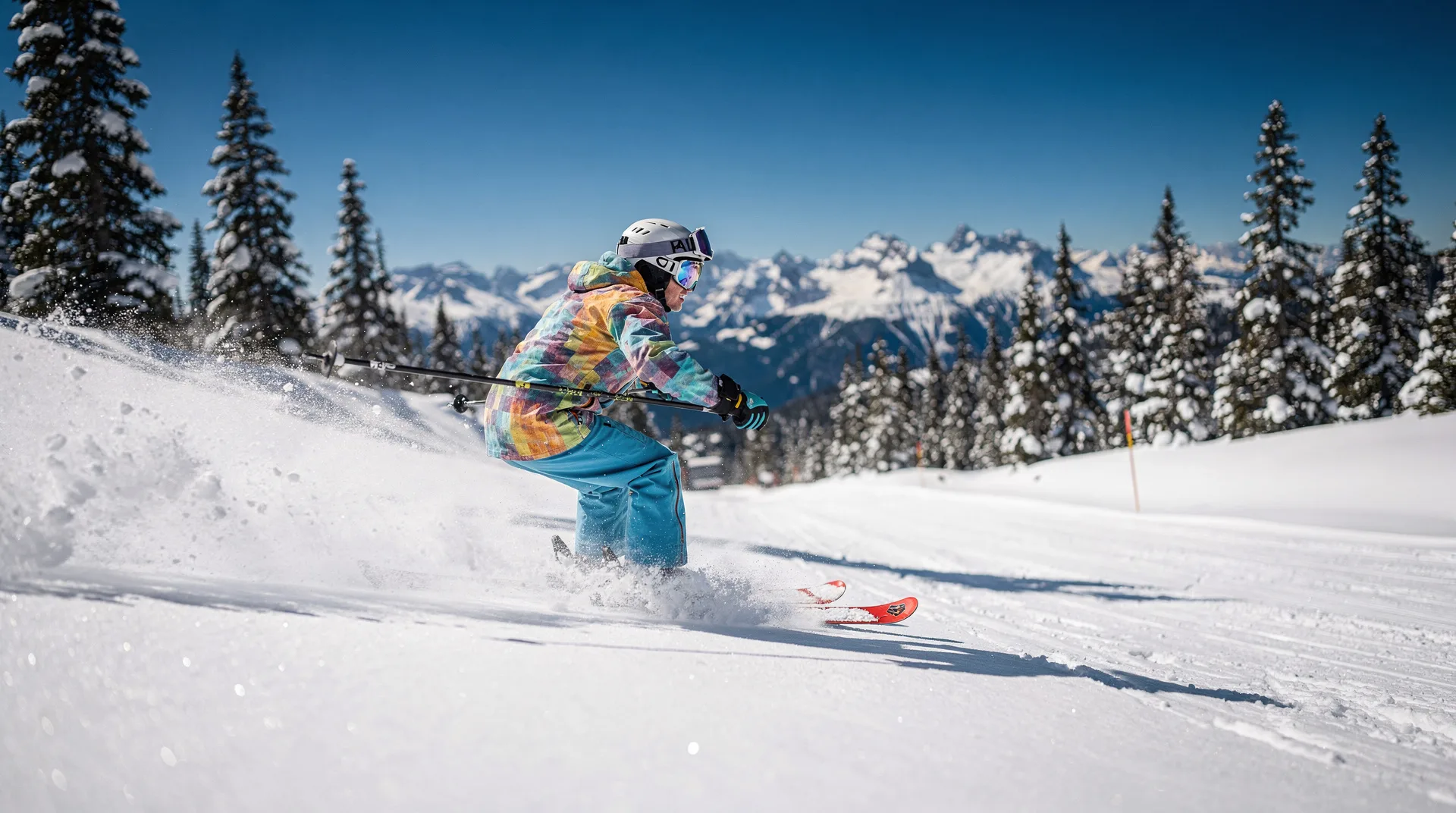
Mont-Tremblant ski guide: Quebec's premier mountain resort
Is Mont-Tremblant worth it for a ski trip?
Mont-Tremblant is the largest ski resort in eastern Canada with 102 trails across four sides of the mountain, a beautifully designed pedestrian village, and reliable snow from December through March. For skiers flying into Montreal, it is the clear first choice.
Mont-Tremblant has held its position as the top ski destination in eastern Canada for decades, and not by accident. The resort combines a genuinely impressive mountain — 645 metres of vertical drop, 102 trails, four distinct sides — with a pedestrian village at the base that rivals anything in the Alps for atmosphere. Add Quebec’s vibrant French-Canadian culture, a reliable Laurentian snowpack, and lift infrastructure that manages the mountain efficiently, and you have a destination that competes well beyond its eastern Canadian geography.
The mountain sits roughly 140 km north of Montreal in the Laurentian Mountains — a two-hour drive through a landscape that transforms completely in winter, the boreal forest under deep snow and the roads lined with frozen lakes. The resort is operated by Alterra Mountain Company (owners of the Ikon Pass), which has invested heavily in both mountain improvements and the base village over the past decade.
For skiers flying into Montreal who want a proper mountain experience with full resort amenities, Mont-Tremblant is the answer.
| Where | Laurentian Mountains, roughly 140 km north of Montreal, Quebec |
| Cost | Around CAD 130-175 for a single-day lift pass; less with advance purchase or multi-day passes |
| Time needed | 3-5 nights minimum to make the drive worthwhile; a week for a full ski holiday |
| Getting there | Drive from Montreal (about 1.5-2 hours) or take an airport shuttle from Montreal-Trudeau |
| Best time | January for the best conditions and manageable crowds; avoid Quebec’s late-February school break unless booked well ahead |
Mountain overview: four sides and what they offer
Mont-Tremblant is unusual among eastern Canadian mountains in having skiable terrain on four distinct faces: the South Side, North Side, Edge, and Versant Soleil (Sun Side). Each has a different character.
South Side
The South Side is the most classic Mont-Tremblant experience — it faces the pedestrian village directly, and the runs visible from the village looking uphill are on this face. It contains a mix of groomed intermediate cruisers, challenging black runs through the glades, and the main gondola access. The South Side is where most intermediate skiers spend the majority of their time.
Key runs include Beauvallon (long intermediate cruiser), Ryan (steep and direct black run), and the trail network through the Kandahar area — some of the most sustained vertical on the mountain.
North Side
The North Side is where serious skiers go. It faces away from the village, receives less direct sun (meaning snow stays better throughout the day), and contains the steepest and most technical terrain on the mountain. The Expo and Flying Mile chair accesses this side. Runs like Duncan and McCulloch are challenging even by expert standards.
The North Side also has some of the best glades on the mountain — tree skiing through Quebec’s boreal forest on a powder day is one of the better ski experiences in eastern Canada.
Edge (Les Versants)
The Edge sector provides access to more intermediate terrain with a slightly different character from the main South Side. It is often quieter than the main mountain and worth exploring on busy weekends when the South Side gondola queues are long.
Versant Soleil (Sun Side)
Versant Soleil is a separate base area accessed by a dedicated gondola — it opened in 2003 and expanded the mountain significantly. It contains both beginner-friendly terrain and some excellent intermediate runs, and it tends to be less crowded than the main South Side. Families with young children often prefer starting at Versant Soleil for the more relaxed pace.
What to expect on the mountain
Trail count: 102 marked trails across all four sides.
Vertical drop: 645 metres — the highest in eastern Canada.
Lifts: 14 lifts including the Cabriolet gondola from the parking area to the village, the eight-person gondola from the village to the summit, and high-speed quads serving the main sectors.
Terrain breakdown: approximately 17% beginner (green), 32% intermediate (blue), 51% advanced/expert (black and double-black). This is a mountain that skews toward stronger skiers — intermediates have plenty of terrain but the true character of Tremblant emerges on the black runs.
Snowmaking: Mont-Tremblant has one of the most extensive snowmaking systems in eastern Canada, covering over 70% of trails. This is critical in the Laurentians, where temperatures fluctuate more than in the Rockies and natural snowfall is less consistent than at Whistler or Banff. Snowmaking allows the resort to open in late November and maintain good base coverage even in leaner natural snow years.
Browse guided ski and winter experiences across CanadaBest time to ski Mont-Tremblant
| Period | Conditions | Crowds | Notes |
|---|---|---|---|
| Late November–December | Early season; snowmaking covering key trails | Low–Moderate | Opening deals; limited terrain |
| Christmas–New Year | Full mountain open; cold and reliable | Very high | Expensive; book months ahead |
| January | Best conditions; coldest temperatures | Moderate | Best overall month for conditions and manageable crowds |
| February | Excellent; spring break builds mid-month | High (Feb school break) | Quebec’s school break (relâche) fills the resort |
| March | Spring skiing; warming temperatures | Variable | Good value mid-week; weekends busy |
January is the optimal month for most visitors. The mountain is fully open, temperatures are cold enough to keep the snow dry, and the Christmas crowds have cleared. Quebec’s winter school break (relâche) typically falls in late February or early March and fills the resort completely — avoid those dates unless you book months ahead.
Lift pass costs
Mont-Tremblant lift passes can be accessed through the Ikon Pass or purchased directly:
- Single day pass: CAD 130–175 depending on date and advance purchase timing
- Multi-day pass (5+ days): Approximately CAD 110–145 per day
- Ikon Pass: Covers Mont-Tremblant with a set number of days (7 or unlimited depending on pass tier) — excellent value for visitors who also ski other Ikon resorts
- Ikon Base Pass: More restricted access but significantly cheaper; check blackout dates carefully around peak Quebec school breaks
Advance purchase discount: Buying online in advance saves 20–30% versus day-of window pricing. Early season (October–November) offers the deepest discounts for the coming season.
The pedestrian village
The base village at Mont-Tremblant is one of the most attractive ski resort villages in North America. It was purpose-designed in the style of a Quebec village — colourful buildings, covered walkways, a central place du village — and manages to feel authentically Canadian rather than generically resort-like.
The village has over 75 restaurants and bars, ranging from poutine and tourtière at casual spots to fine dining at Canti and Aux Truffes. The après-ski culture is strongly Quebec-flavoured — loud, warm, and fuelled by local microbreweries and Quebec spirits. La Diable and Microbrasserie Mont-Tremblant both brew on-site.
Shopping in the village covers ski equipment rentals and retail, Quebec artisan products, and outdoor apparel. The Casino de Mont-Tremblant (reached by gondola from the village) adds an entertainment option non-skiers tend to appreciate.
Getting to Mont-Tremblant
From Montreal: 140 km north via Autoroute 15 to Route 117. Driving time is approximately 1.5–2 hours in normal conditions, 2.5–3 hours in heavy weekend traffic or snow. Montreal offers easy international access as a gateway.
Airport shuttle: Limocar and several resort shuttle services connect Montreal-Trudeau Airport (YUL) directly to the resort. Booking in advance is essential during peak periods.
Mont-Tremblant International Airport: A small regional airport (YTM) located 5 km from the resort receives some charter flights during ski season from Toronto, Ottawa, and occasionally US cities. Check seasonal schedules.
Via Rail: The train from Montreal to Mont-Laurier stops at Saint-Jérôme and other Laurentian towns; the resort itself is not directly served but connecting transport is available.
See our Canada in February guide for broader winter trip planning across Canada.
Costs in CAD
| Item | Estimated cost (CAD) |
|---|---|
| Lift pass (single day, advance) | 130–175 |
| Ski/snowboard rental | 55–85/day |
| Beginner group lesson | 100–140 |
| Private lesson (2 hrs) | 250–350 |
| Village mid-range restaurant (dinner) | 40–70/person |
| Hotel (village, peak season) | 300–700/night |
| Hotel (off-mountain, Tremblant town) | 150–300/night |
What to bring and prepare
Layering system: Quebec winters are genuinely cold — January temperatures regularly reach -15°C to -25°C. A proper base layer (merino wool or synthetic), mid-layer, and waterproof shell are essential. Cotton kills warmth when wet; avoid it entirely.
Face protection: At -20°C with wind on the North Side, exposed skin is at risk. A balaclava or neck gaiter and goggles with a quality lens are not optional.
Sun protection: Quebec winter sun reflected off snow is intense. Sunscreen on exposed skin (particularly the face) and good UV-protection goggles prevent a painful sunburn that catches first-time visitors by surprise.
Helmet: Strongly recommended and essentially universal on the mountain now. Helmet rentals are available if you do not own one.
Hydration: Cold and dry mountain air causes dehydration faster than most people expect. Carry water or buy drinks at mountain cafeterias.
Where to stay
In the village: The cluster of hotels within walking distance of the lifts provides the best ski-in/ski-out convenience. Fairmont Tremblant is the flagship property (from CAD 450–900/night in peak season). Le Grand Lodge, Homewood Suites, and various Intrawest condominiums offer a range of price points within easy village access.
Lac Tremblant and surroundings: Several hotels and rental chalets sit on the shores of Lac Tremblant a short drive from the village. The lake location adds a different aesthetic and prices are generally lower than village-facing properties.
Mont-Tremblant town: The municipality of Mont-Tremblant has budget hotels, B&Bs, and rental properties at significantly lower prices — a 10-minute drive from the resort. This is the practical choice for cost-conscious skiers.
See our Canada in January guide for more winter destination ideas.
If you are building a longer trip around the ski days, the Mont-Tremblant destination page covers the area beyond the slopes, and our Montreal to Mont-Tremblant guide goes into the transfer in more detail. Pairing the mountain with a few nights in the city works well: the Montreal destination guide and the Montreal food guide make good bookends for a ski week.
Non-ski activities and rest days
Even dedicated skiers benefit from a change of pace mid-week, and Mont-Tremblant has genuine options beyond the lifts. The Aquaclub La Source indoor water park is a reliable option for families or on a bad-weather day. Cross-country skiing and snowshoeing trails wind through Mont-Tremblant National Park adjacent to the resort, offering a quieter alternative to the downhill crowds. Dog sledding operators run tours from the base of the Laurentians, and the region’s snowmobile trail network is among the most extensive in Quebec. To book any of these ahead, compare guided tours in Mont-Tremblant. For a broader sense of what else the Laurentians region offers beyond the resort itself, see our Laurentians destination guide.
If a rest day appeals more outdoors than in, our guides to snowshoeing in Canada, cross-country skiing, dog sledding and snowmobile tours will help you choose. Winter in Quebec is also a season of festivals and cold-weather traditions, so browse our Quebec winter activities guide and the Quebec winter carnival page for ideas that fit around your ski days. Driving in snow is part of the experience too, and the advice in our Quebec winter driving guide is worth reading before you set off.
Frequently asked questions about Mont-Tremblant ski guide: Quebec’s premier mountain resort
How does Mont-Tremblant compare to Whistler?
Mont-Tremblant cannot match Whistler in sheer scale — Whistler’s 8,100 acres versus Tremblant’s terrain is not a close comparison. However, Mont-Tremblant offers a genuinely excellent mountain experience that is more accessible from eastern Canada and the US northeast, more affordable on average, and arguably has a more characterful village. For skiers based in Ontario, Quebec, or flying into Montreal, Tremblant is the better practical choice for a week’s skiing.
See our Whistler vs Banff guide for a western Canada comparison.
Is Mont-Tremblant good for beginners?
Yes, though the mountain skews toward experienced skiers. The beginner area at Versant Soleil is well-designed, and the ski school has good capacity. The caution for beginners is the North Side — it is genuinely expert terrain and easy to end up somewhere too steep if you follow more experienced skiers without checking trail maps.
What is the language situation at Tremblant?
Quebec is a French-speaking province, and Mont-Tremblant is in the French-speaking Laurentians. The resort is bilingual — all staff speak English and French, signage is bilingual, and English-speaking visitors will have no difficulty. That said, immersing in Quebec French culture is part of what makes Tremblant different from western Canadian resorts — embrace it.
Can I ski Mont-Tremblant as a day trip from Montreal?
Technically yes — the 140 km drive makes a day trip possible. However, accounting for driving time (allowing 2+ hours each way on a ski weekend morning), you end up with a very short day on the mountain and a tired drive home. A two-night mid-week stay is the minimum that makes the journey worthwhile. Weekends require very early departures to beat the Montreal traffic north.
What else is there to do besides skiing?
Mont-Tremblant has a significant non-ski offering: snowshoeing and cross-country skiing in the national park, snowmobiling tours from the Laurentian trail network, the Aquaclub La Source (indoor pool), dog sledding operators nearby, and the Casino de Mont-Tremblant. The village itself — with its restaurants, bars, and shops — provides a full evening programme.
When does the resort open and close each season?
Mont-Tremblant typically opens in late November (snowmaking-dependent) and runs through late March or early April, depending on conditions. The pedestrian village operates year-round, with summer activities including mountain biking, hiking, and the beach at Lac Tremblant.
Is the Ikon Pass worth it for a Tremblant trip?
If you plan to ski 5+ days at Tremblant, the Ikon Base Pass typically pays for itself compared to buying day passes individually, especially when factoring in its coverage of other resorts if you ski elsewhere. The key is checking blackout dates around Quebec school holidays. The full Ikon Pass (no blackouts) makes more sense if you are also skiing other Ikon-affiliated mountains on the same trip.
How does Mont-Tremblant compare to other Quebec ski areas?
Mont-Tremblant is the largest and most complete resort in the province, but Quebec has several smaller alternatives worth knowing about, particularly for day trips from Montreal or Quebec City. None match Tremblant’s vertical drop or trail count, but they offer shorter drives and lower costs for a single-day outing. Our Mont-Tremblant vs Mont-Sainte-Anne comparison sets the two against each other directly. See our Canada in February guide for a broader look at Quebec’s winter season and timing.