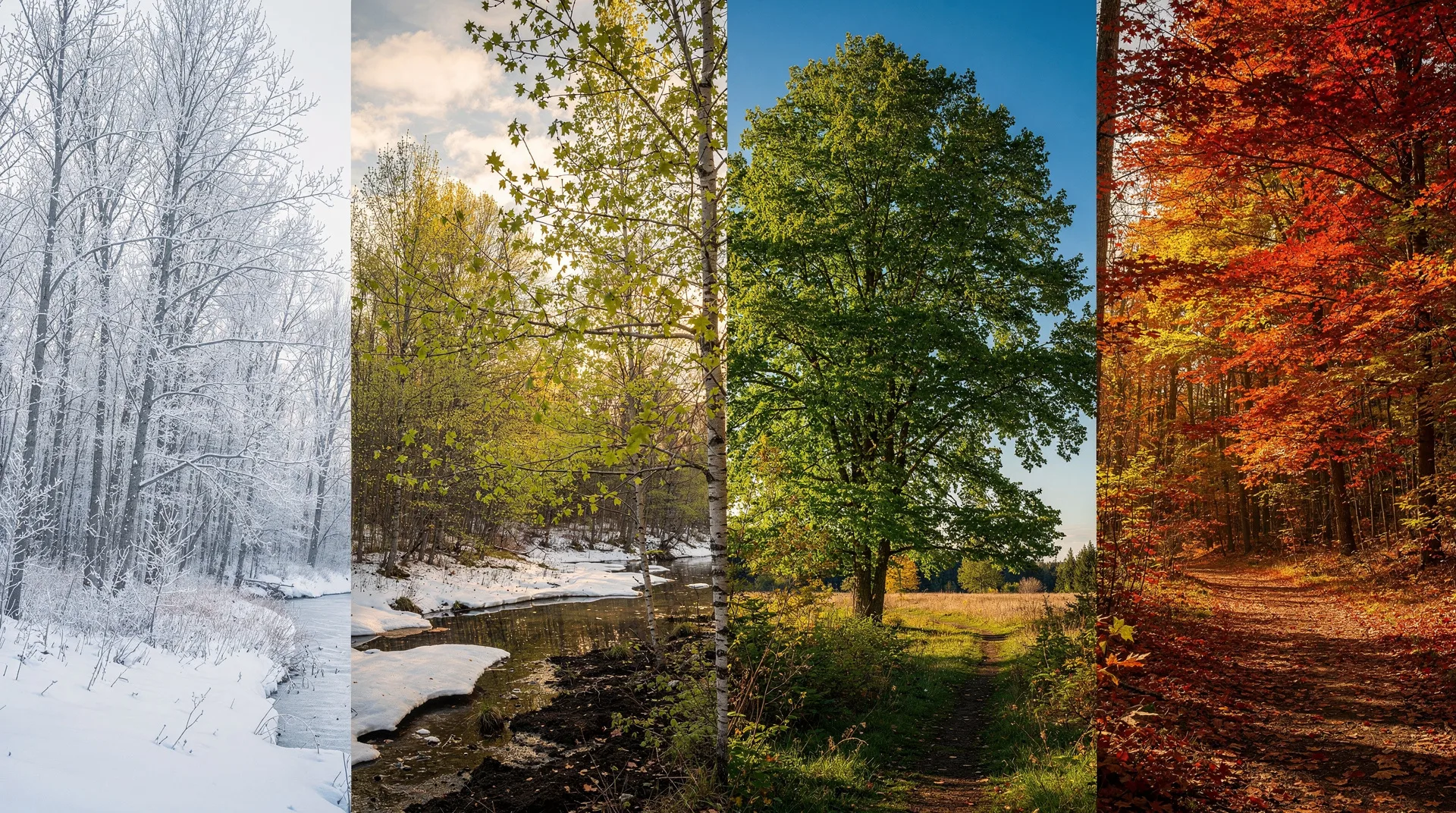
Best Time to Visit Ontario: Season-by-Season Guide
What is the best time to visit Ontario?
June through September is Ontario's peak season — warm weather, outdoor activities, and the full range of attractions open. October is outstanding for fall colours in Algonquin and Muskoka. Winter (December–February) is best for Ottawa's Winterlude, Niagara frozen mist, and skiing.
At a glance
| Where | Southern Ontario (Toronto, Niagara), Central (Algonquin, Muskoka), Eastern (Ottawa), Northern Ontario |
| Peak season | June through August |
| Fall colour peak | Early-to-mid October in Algonquin/Muskoka, later further south |
| Best value with good conditions | September (after Labour Day) and mid-October |
| Winter highlights | Ottawa’s Winterlude, Niagara Falls frozen mist, skiing at Blue Mountain |
| Getting around | Toronto is 1.5-2.5 hours from most Ontario ski resorts and wine country by car |
Ontario spans a significant geographic range — from the Great Lakes in the south to the boreal forest and tundra of the far north — which means “the best time to visit” depends heavily on where you are going and what you want to do. This guide breaks down Ontario by season and by destination type, giving honest assessments of weather, crowds, costs, and what each period of the year offers distinctively.
Spring: April and May
Spring in Ontario is the shoulder season — quieter than summer, unpredictable weather, and an excitement about what is opening up.
April: Temperatures range from 5°C to 14°C in southern Ontario. Rain is frequent. The provincial parks start opening — Algonquin’s Highway 60 corridor opens in late April — and the first migratory birds arrive in significant numbers. Point Pelee National Park in southern Ontario becomes North America’s most important spring migration concentration point in May, with warblers, shorebirds, and raptors passing through in their thousands.
May: Generally the most pleasant shoulder month — warming temperatures (10°C to 20°C by late May), less rain than April, wildflowers in bloom in the Niagara Escarpment conservation areas, and the first lilacs in Muskoka cottage gardens. Blackflies emerge in late May in the northern parks, which is the main drawback for backcountry camping.
What works well in spring:
- Birdwatching at Point Pelee (May is exceptional)
- Tulip Festival in Ottawa (May — one of the world’s largest, dating to the Dutch liberation in WWII)
- Maple syrup season (March–April) in Ontario’s sugar bush operations — many farms offer sap-gathering demonstrations and fresh syrup breakfasts in the Muskoka and Haliburton regions
- Toronto cultural events, museums, and restaurants without summer crowds
- Waterfalls at peak flow from snowmelt — Niagara Falls is at its most powerful in May when Great Lakes water levels are highest
Spring drawbacks:
- Unpredictable weather — cold snaps in April, rain in May
- Some park services not yet open (lifeguards at beaches, some outfitter services)
- Blackflies in backcountry parks from mid-May
Summer: June, July, and August
Summer is Ontario’s peak season — warm, busy, and expensive, with good reason.
June: The sweet spot of Ontario’s summer. Temperatures reach 22–26°C in southern Ontario; it is warm without the oppressive humidity that can settle in July and August. Blackflies are largely gone by late June in the southern parks. Provincial park campgrounds are open but not yet at peak capacity. Toronto’s Luminato Festival and other city events run in June.
July and August: Full peak season. Temperatures average 25–30°C in Toronto and across southern Ontario; humidity is significant — hot and muggy days are common. Northern Ontario (Algonquin, Killarney) is cooler and more comfortable than the south. Provincial park campgrounds and popular interior canoe routes are fully booked from January’s reservation window. Niagara Falls is at maximum crowd intensity; arrive before 9:00am.
Major summer events:
- Canada Day (July 1): National holiday with fireworks, concerts, and patriotic celebrations across Ontario. Ottawa’s Parliament Hill celebration is the country’s largest.
- Toronto Pride (June): One of North America’s largest pride festivals — a full week of events, culminating in the parade.
- Bluesfest Ottawa (July): Major outdoor music festival on the shores of the Ottawa River — one of Canada’s largest music events.
- Niagara Grape and Wine Festival (late September): Technically shoulder season but built on the summer wine-country energy.
- Toronto International Film Festival (September): Major international film industry event that overlaps with the summer/fall shoulder.
What works best in summer:
- Canoeing and camping in Algonquin, Killarney, and Quetico
- Swimming at Georgian Bay beaches, Sandbanks, and Lake Ontario shorelines
- Niagara Falls (go early morning or late evening to avoid peak crowds)
- Muskoka cottage country — the lakes are warm and beautiful
- Toronto outdoor markets, patios, and waterfront
Summer drawbacks:
- Highest accommodation prices of the year
- Provincial park campgrounds and interior permits booked months in advance
- Toronto hotel rates peak in July and August
- Niagara Falls is heavily crowded; peak weekends in July require patience
Fall: September and October
Fall is many experienced travellers’ favourite season in Ontario — and one of the province’s best-kept secrets for those who default to summer.
September
Early September maintains summer warmth (20–25°C) without peak-season crowds. School has started; the parks quiet down noticeably after Labour Day weekend (first Monday of September). September is an excellent month for:
- Interior canoe tripping in Algonquin and Killarney (warm water, no bugs, quieter)
- Niagara wine country harvest season begins late September
- Toronto International Film Festival (TIFF, early to mid-September) — the world’s largest publicly attended film festival, with screenings across downtown Toronto theatres
- Cycling in Prince Edward County and the Niagara Region
- Farmers markets at peak harvest abundance
October
October is Ontario’s most visually spectacular month and arguably the best time to visit the province if fall colour is on the agenda.
Fall colour timing:
- Algonquin Park: peak usually October 1–14 (varies slightly by year)
- Muskoka cottage country: peak late September to early October
- Haliburton Highlands: peak first week of October
- Rideau Valley/Ottawa region: peak second week of October
- Niagara Escarpment: late October
The entire province turns in stages — a front of colour moving from north to south over three to four weeks. It is possible to follow the colour if you plan a north-to-south October road trip: start in Algonquin in early October, move through Muskoka and Haliburton, and finish in southern Ontario and the Niagara region in late October.
October practicalities:
- Accommodation is 20–30% cheaper than July–August across most of Ontario
- Provincial parks are quieter (most open through October, some into November)
- Thanksgiving long weekend (second Monday of October) is busy in cottage country and Algonquin — book accommodation well ahead for this weekend
- Temperatures are cooling: expect 5–15°C in October, cooler nights (below 5°C from mid-October in the north)
- Most tourist attractions remain open through Thanksgiving; some reduce hours after
See our dedicated Algonquin fall colors guide for the detailed timing and viewing spot advice.
See our Ontario fall road trip guide for a driving route through the colour regions.
Winter: November to March
Ontario’s winter is colder and more variable than most European or American visitors expect — Toronto averages -7°C to -1°C in January, with wind chill making it feel considerably colder. Algonquin and northern Ontario are significantly colder (−20°C and below on cold nights). But winter opens up a genuinely different Ontario experience.
Niagara Falls in winter
Niagara Falls in winter is one of Ontario’s most underrated experiences. From late December through February, the mist from the falls freezes on every surface — the trees, the walkways, the fence rails — creating a crystalline ice forest around the falls. The falls themselves do not freeze (the sheer volume of water prevents it), but the surrounding landscape becomes otherworldly. Crowds are minimal compared to summer. See our Niagara Falls in winter guide for details.
Ottawa’s Winterlude
Ottawa’s Winterlude festival (February, spanning three weekends) is one of Canada’s great winter events. The 7.8-kilometre Rideau Canal becomes the world’s longest skating rink; the festival includes ice sculpture competitions, outdoor concerts, and family activities on the ice. The canal skating experience — buying a BeaverTail at a canal-side stand, lacing up rental skates, and gliding between the frozen banks with the Parliament Buildings visible overhead — is genuinely memorable.
Skiing in Ontario
Blue Mountain near Collingwood, Horseshoe Valley near Barrie, and Mount St. Louis Moonstone are the main Ontario ski resorts. Ontario skiing is modest by western Canada standards — limited vertical, variable snowpack — but the proximity to Toronto (1.5–2.5 hours) makes these resorts a legitimate winter weekend option. See our Ontario ski resorts guide for a full resort comparison.
Toronto in winter
Toronto winters are cold but the city is fully functional. The PATH underground walkway system (30+ kilometres of underground pedestrian corridors connecting major downtown buildings) allows living almost entirely indoors during the coldest weeks. Theatres, restaurants, and the museums are all open; prices are at their lowest, and the city’s food and arts scene does not slow down for winter.
Christmas in Toronto: The Distillery District’s Christmas market (late November to Christmas Eve) is one of the most atmospheric in North America — the Victorian red-brick buildings and cobblestone lanes translate well to Christmas-market aesthetics. Hot mulled wine and artisan gift shopping in the cold is exactly as pleasant as it sounds.
Month-by-month quick reference
| Month | Avg temp (Toronto) | Crowds | Best for |
|---|---|---|---|
| January | -7 to -1°C | Very low | Ottawa skating, skiing, budget travel |
| February | -6 to 0°C | Low | Ottawa Winterlude, skiing |
| March | -2 to 6°C | Low | Maple syrup season, shoulder prices |
| April | 4 to 12°C | Low | Spring migration, tulip festival Ottawa |
| May | 10 to 19°C | Low-moderate | Point Pelee birds, waterfalls, tulips |
| June | 15 to 24°C | Moderate | Canoeing, Toronto events, best shoulder month |
| July | 19 to 27°C | High | Beaches, cottage country, peak summer |
| August | 19 to 27°C | High | Same as July; Muskoka season peak |
| September | 14 to 22°C | Moderate | TIFF, harvest, shoulder prices, canoeing |
| October | 5 to 15°C | Moderate | Best for fall colour |
| November | -1 to 8°C | Low | Early Niagara winter mist, budget accommodation |
| December | -5 to 2°C | Low-moderate | Christmas markets, Niagara illuminations |
Pairing Toronto and Niagara by season
Most first-time Ontario visitors base themselves in Toronto and add a Niagara Falls day trip, and the season changes how well that pairing works. In summer, arrive at the falls before 9am or after the tour-bus crowds thin in early evening — see Toronto to Niagara Falls for the drive-time and timing detail.
In winter, the falls’ frozen mist and thin crowds make it arguably the better season for a first visit, while Toronto itself stays fully functional through the PATH underground network. For travellers deciding where to spend more time, Toronto vs Niagara as a base weighs up the trade-offs by season, and Niagara wineries are worth building into a September or October Niagara day for the harvest atmosphere alongside the falls.
Cost seasonality
Most expensive: July and August in Toronto, Niagara Falls, and Muskoka. Hotels run 40–60% more than November prices; campgrounds require January reservations.
Best value: November, January, February, March. Toronto accommodation drops 30–40%; Ottawa and Niagara are similarly discounted. Winter attractions (skating, museums) cost the same year-round.
Good value with best conditions: September (after Labour Day) and mid-October (after Thanksgiving weekend). The combination of reasonable accommodation prices, minimal crowds, and excellent weather (September) or stunning fall colour (October) makes these the most rewarding months for most visitors.
Climate by region
Southern Ontario (Toronto, Niagara, Hamilton, Windsor) has the most temperate climate in the province — moderated by the Great Lakes, it experiences warmer summers and milder winters than the north. Windsor at the southernmost tip is the warmest city in Canada by average annual temperature.
Central Ontario (Algonquin, Muskoka, Haliburton) is 3–5°C colder year-round than Toronto, with significantly more snowfall in winter. Summers are warm but nights cool; fall colour arrives earlier.
Eastern Ontario (Ottawa, Kingston) has a continental climate — hot summers and cold winters, with Ottawa regularly recording the coldest capital city temperatures of any G7 nation. April in Ottawa is still winter by southern Ontario standards.
Northern Ontario (Sault Ste. Marie, Sudbury, Thunder Bay) has a sub-arctic character — long, cold winters, significant snowfall, and short but warm summers. The scenery — Lake Superior shoreline, boreal forest — is striking year-round.
Related guides
- Algonquin fall colors — peak timing and viewing spots for October colour
- Ontario fall road trip — driving route through autumn Ontario
- Niagara Falls in winter — what to expect at the falls in December–February
- Ontario ski resorts guide — Blue Mountain and Ontario’s ski options
Frequently asked questions about Best Time to Visit Ontario: Season-by-Season Guide
Is Toronto hot in summer?
Toronto has genuine summer heat — July average highs of 27°C, with humid days frequently feeling warmer. Heat warnings (above 32°C with humidity) occur several times per summer. This is not the Mediterranean, but it is warmer than most European visitors expect. Air conditioning is standard in Toronto hotels, restaurants, and transit.
Does Ontario get a lot of snow in winter?
Toronto gets approximately 115 cm of snow per year — less than Montreal or Ottawa but meaningful. Heavy snowfall events (20+ cm in 24 hours) occur several times per winter; the city’s snow removal is efficient and major roads clear quickly. Northern Ontario (Barrie, Algonquin, Sudbury) gets substantially more snow and colder temperatures.
Can I see fall colours without going to Algonquin Park?
Yes — the broader Muskoka, Haliburton, and Kawartha Lakes regions all have excellent fall colour without the need for a park entry permit. Prince Edward County, the Rideau Valley between Kingston and Ottawa, and Gatineau Park in Quebec (accessible from Ottawa) are all excellent autumn destinations. The Ontario fall road trip guide covers multiple colour regions.
Is March a bad time to visit Ontario?
March is the end of ski season and the very beginning of spring — neither one thing nor the other in most years. Maple syrup operations (sugar bushes) are at their peak in March and provide a uniquely Canadian experience. The Toronto restaurant and arts scene is at full capacity. For outdoor activities requiring dry ground or park access, May is significantly better. March is a reasonable budget visit month if cultural activities are the priority.
Should I base myself in Toronto or Niagara Falls?
For most itineraries, Toronto as a base with a day trip to Niagara works better year-round — Toronto has more to do on a rainy or off day, and Niagara Falls is close enough (about 1.5 hours) for a single-day visit. See Toronto vs Niagara as a base for a fuller comparison by trip length and season.
Is Algonquin Park worth visiting outside fall colour season?
Yes — June is excellent for canoeing with fewer bugs than earlier spring, and September offers warm water and quiet trails without the crowds of the July-August peak. Fall colour (early-to-mid October) is simply the single most photogenic window, not the only good one.