Yellowknife Aurora 5-Day Itinerary: Winter Travel
Overview
| At a glance | |
|---|---|
| Where | Yellowknife, Northwest Territories (fly-in only) |
| Cost (2 people, 5 days) | Around CAD 4,500-7,000 excluding flights |
| Time needed | 5 days for 4-5 aurora viewing nights |
| Getting there | Fly via Edmonton, Calgary or Vancouver to YZF |
| Best time | February-March (aurora + tolerable cold); August-September as a milder alternative |
Five days in Yellowknife in winter is the ideal aurora trip: long enough to accumulate 4–5 viewing nights (significantly improving your odds of catching a strong display), varied enough to fill the days with activities that make the trip worthwhile regardless of aurora outcome. This itinerary requires no rental car — aurora tour operators provide hotel pickup, and the city’s main attractions are walkable or taxi-accessible. Pack properly for -30°C and prepare to be surprised by a city that functions with complete normality at temperatures that would shut down most of southern Canada.
| Day | Focus | Notes |
|---|---|---|
| 1 | Arrive, Old Town, aurora night 1 | Afternoon arrival |
| 2 | Dog sledding, museum, aurora night 2 | Full day |
| 3 | Ice road, Great Slave Lake, aurora night 3 | Weather-dependent |
| 4 | Indigenous culture, photography, aurora night 4 | Flexible day |
| 5 | Morning activity, depart | Afternoon/evening flight |
Best months: February and March for the combination of peak aurora probability (equinox enhancement), reasonable temperatures (average -22°C in March vs. -32°C in January), and sufficient daylight for day activities. January is the clearest month but coldest. August and September for aurora plus accessible outdoor activities.
Budget: Yellowknife is northern Canada, not the south. Expect accommodation CAD 180–280/night, meals CAD 35–60 per person per meal, and aurora tours CAD 130–200/person/night. A 5-day trip for two people including accommodation, meals, tours, and activities runs approximately CAD 4,500–7,000 excluding flights.
Flights: Edmonton (YEG) has multiple daily connections to Yellowknife (YZF) — approximately 2 hours. Calgary and Vancouver also serve Yellowknife directly. Book flights 6–8 weeks in advance for winter travel; January–February is high demand.
Browse Canada northern lights and aurora viewing tours from YellowknifeDay 1: Arrive — Old Town, the Wild Cat, aurora viewing
Flights from Edmonton arrive at Yellowknife Airport (YZF) by early afternoon from most connections. The airport is 5 minutes from downtown by taxi; your hotel can typically arrange pickup.
Check in, warm up, plan: Every reputable aurora tour operator picks up from your hotel. Pre-book your aurora tours before leaving home for January–March travel — the best operators sell out weeks in advance. Confirm your pickup time for tonight.
Late afternoon: Old Town
Walk or taxi to Yellowknife’s Old Town — a 20-minute walk from downtown, or a 5-minute cab ride to the rock peninsula. In winter, the exposed Canadian Shield granite is snow-covered, the wooden buildings are iced in frost patterns, and the float plane base on Back Bay is a sheet of ice with the aircraft pulled up the slipways. The Wild Cat Café is closed (summer only) but the building is there; the floatplane base atmosphere is year-round.
Walk the Old Town in the late-afternoon light, which is low and golden by 2–3 PM in February. This is some of the best photographic light of the day — long shadows, warm tones, and the extraordinary visual flatness of the frozen Back Bay behind the wooden buildings.
Dinner: Bullock’s Bistro in Old Town — the Yellowknife institution, serving remarkable Arctic char and lake fish from Great Slave Lake in a rough-wood room that has changed minimally since 1985. Arrive when they open; it fills fast. Plan 90 minutes for dinner.
Evening: Aurora tour night 1
Your aurora tour operator picks up from your hotel (typically 9–10 PM). The drive to the dark-sky site takes 30–40 minutes; you arrive at a heated cabin or teepee structure and begin the watch. In February, aurora probability at Kp 3+ is approximately 50–60% on clear nights. Clear nights are common in February Yellowknife; aurora activity is your wild card.
If aurora doesn’t appear tonight, rest assured — you have four more nights. Return to hotel around 1–2 AM.
Day 2: Dog sledding and the Prince of Wales Museum
Morning: dog sledding
This requires an early start — most dog sledding tours depart by 9 or 10 AM. The operator will pick you up from your hotel. Opt for at least a half-day experience if your budget allows — the 30-minute tour is enjoyable but the half-day gives you time to actually learn mushing rather than just riding.
The experience in winter: the dogs’ excitement at harness-up; the surprisingly smooth and quiet travel through boreal forest; the cold air; the pale winter sun low on the southern horizon; and the specific satisfaction of controlling a team of animals that are doing exactly what they were bred to do. Most people who do dog sledding in Yellowknife rate it as the highlight of the trip.
Midday: Return to downtown (hotel pickup included). Lunch at Zehabesha Ethiopian restaurant on 50th Avenue — an improbable but real Yellowknife institution, reflecting the international workforce of the mining city.
Afternoon: Prince of Wales Northern Heritage Centre
The NWT’s main museum is free and genuinely good. Allow 2 hours for the Dene cultural exhibits, the diamond mining history, and the wildlife and ecology displays. The museum’s interpretation of Yellowknife Dene Nation cultural history is thoughtfully curated and provides important context for the city you’re visiting.
Evening: aurora tour night 2 and aurora photography
Tonight, ask the guide about photography opportunities at the dark-sky site. The best sites have lake foreground (Great Slave Lake ice or Tibbet Lake), spruce silhouettes, and occasionally an aurora cabin with photogenic light-painted exterior. A 24mm or wider lens, f/2.0 aperture, ISO 2000–3200, and 10–20 second exposures are the starting settings. See the aurora photography guide for the full technical detail.
Day 3: Ice road and Great Slave Lake
Morning: the Yellowknife ice road
Great Slave Lake freezes by January to a depth capable of carrying trucks, and the government-maintained ice road opens across the lake’s southern arm — connecting Old Town via Dettah to the ice road network. A guided ice road driving experience is available from Yellowknife operators; alternatively, take a taxi to the edge of the ice road system and walk or skate on the lake surface near the road margin.
The ice road is a remarkable winter environment: the frozen lake in every direction, the city visible behind you, the wind over the flat surface, and the groaning of ice adjusting to temperature changes. The ice near the road is maintained and safe; venturing well off the road surface should only be done with local knowledge.
Dettah: The Yellowknives Dene Nation community of Dettah sits at the end of the ice road across Yellowknife Bay — accessible in winter when the ice road is open, and by water taxi in summer. The community has a small tourism contact through the Nation; a guided visit to Dettah provides the most genuine cultural encounter available near Yellowknife.
Lunch: Return to downtown. The Woodyard Brewhouse for craft beer and solid food in a post-industrial space — the best brewery in Yellowknife, producing reliably good ales.
Afternoon: the aurora forecast session
Check the NOAA Space Weather Center forecast and aurora apps for tonight’s Kp prediction. If a storm (Kp 5+) is forecast, alert your tour operator — some will recommend repositioning to a specific site for the best direction. If tonight is forecast clear and active, plan your photography targets and charge your camera batteries.
Evening activity alternative: Snowmobile tour on Great Slave Lake — a 1–2 hour guided snowmobile experience on the frozen lake is available from several Yellowknife operators, providing a different perspective on the winter landscape.
Evening: aurora tour night 3
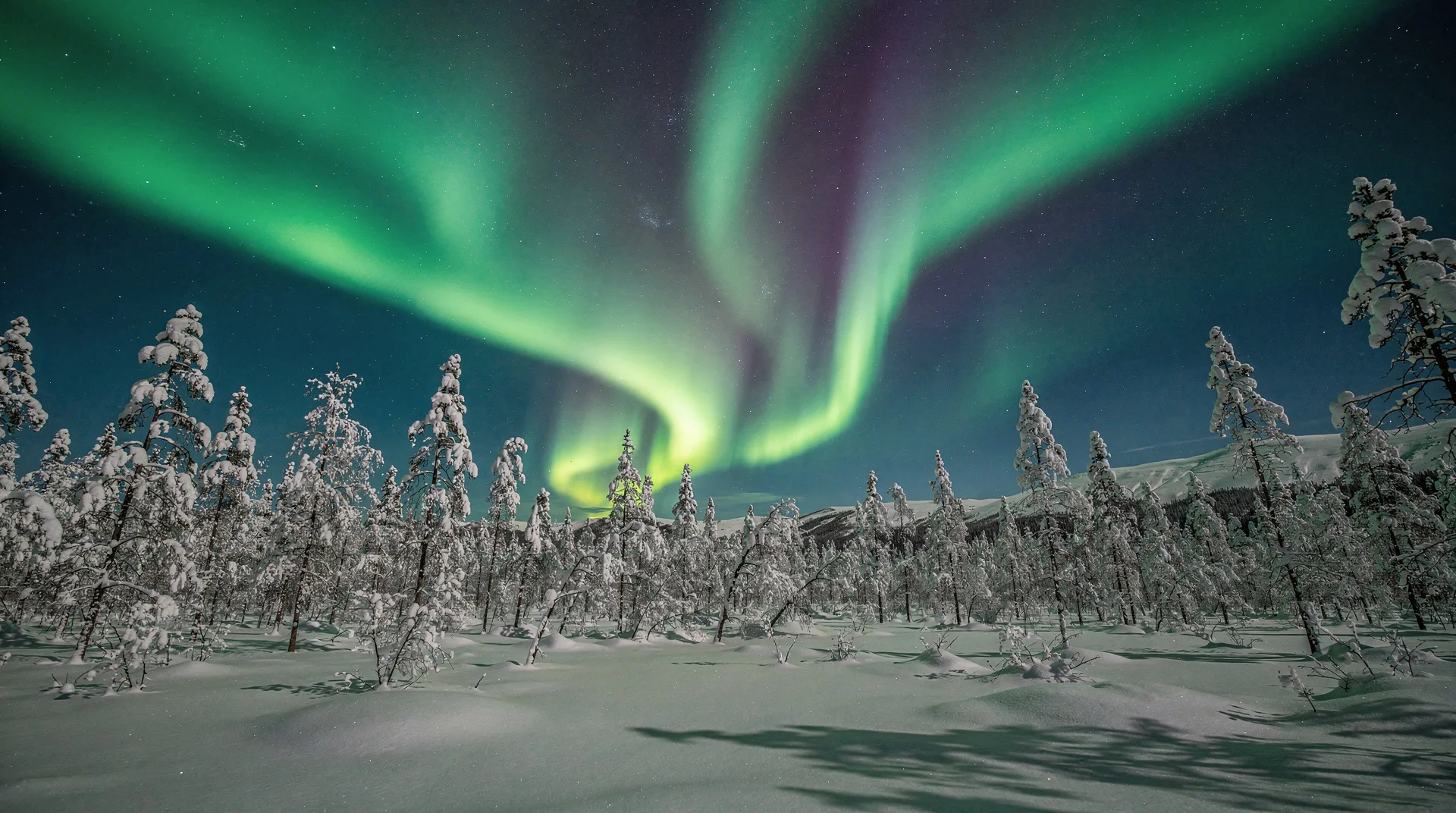
On clear nights with Kp 4+ activity, the aurora over Yellowknife is extraordinary. On the best nights — Kp 6 or 7 — the display is overhead, full-sky, with multiple colours and rapid movement. Your guide will be monitoring conditions; trust their judgment on timing and positioning.
Day 4: Indigenous culture, photography, and afternoon walks
Morning: flexible or guided cultural experience
If you arranged a cultural program with the Yellowknives Dene Nation (book in advance through the Nation’s tourism contacts), this morning is the best time for it — traditional demonstrations, land-based teaching, or a guided visit to Ndilo (the other Dene community adjacent to Yellowknife).
Alternatively, revisit Old Town in the morning light. The float plane base is fascinating in any light; the wooden buildings, the exposed granite, and the possibility of watching a Beaver or Otter land on the ice runway are year-round Old Town experiences.
Late morning: Walk the snow-covered trails on the rock north of downtown. The Yellowknife Ski Club trail network begins near the Ski Club on the north side of the city — accessible by taxi or a 25-minute walk from downtown. Cross-country skiing or snowshoeing on these trails provides a very different perspective on the boreal forest immediately surrounding the city.
Afternoon: Wildcat Retreat Cabins area and Back Bay
Back Bay, the sheltered water between Old Town and the downtown peninsula, is frozen into an ice surface used by local skaters and skiers in winter. Ice skating on Back Bay, with Old Town’s wooden buildings on the western shore and the city’s skyline to the east, is one of the more specifically Yellowknife experiences available. Bring your own skates or rent from a local sports shop.
Dinner tonight: Be there when Bullock’s opens if you didn’t get in on Day 1. If you did, try Le Frolic Bistro Bar on 50th Avenue for solid French-influenced cooking in a warm downtown dining room.
Evening: aurora tour night 4
By now you are aurora-experienced: you know the routine, you know your camera settings, and you can read the sky yourself with some confidence. Ask your guide for a different location tonight if last night’s site was unproductive for photography — variety in foreground improves the photographic record of the trip.
Day 5: Last morning and departure
Most Yellowknife flights to Edmonton depart mid-morning or afternoon. Use the morning based on your flight time:
Flight time before noon: Quick breakfast, hotel checkout, taxi to airport.
Flight time after 2 PM: A final winter morning walk — either back to Old Town for a coffee at Javaroma on the rock, or along the lake at Back Bay watching the morning ice conditions. The Northern Life Museum on 102nd Avenue (behind the courthouse) opens at 10:30 AM and covers the mining and political history of the NWT in a compact, well-curated space.
Airport note: YZF airport has a very small departure lounge. Arrive 90 minutes before departure for security and boarding; smaller regional aircraft sometimes use airstairs, making cold-weather departure a brief outdoor exposure.
Practical preparation notes
Cold weather kit — the non-negotiables
At -30°C, inadequate clothing moves from uncomfortable to dangerous relatively quickly. The following is the actual minimum:
- Insulated parka rated to -40°C (not -20°C)
- Insulated boots rated to -40°C (not -20°C) — this is the most commonly underestimated item
- Merino wool or synthetic base layers (top and bottom) — NO cotton
- Insulating mid-layer (fleece or down jacket)
- Insulated pants or bibs
- Mitts (not gloves — significantly warmer)
- Toque covering ears
- Balaclava or heavy neck gaiter
Most aurora tour operators offer cold-weather gear rental if your kit is insufficient — ask when booking.
Aurora tour pre-booking
Book your aurora tours before leaving home for January–March travel. The best Yellowknife operators — those with heated facilities, knowledgeable guides, aurora guarantee policies, and photography support — fill 4–6 weeks in advance in peak season. Showing up and booking on arrival is a risk.
Accommodation booking
Book 6–8 weeks in advance for February and 4–6 weeks for March. The Explorer Hotel and Chateau Nova are the standard mid-range choices. Request blackout curtains — the city’s ambient winter light (streetlights, moon on snow) can disrupt sleep.
Aurora forecasting: reading the odds before you commit
Kp index alone does not predict a good night — cloud cover matters more than solar activity in most cases, since Yellowknife’s high latitude means even Kp 2-3 activity is often visible overhead on a clear night. The practical approach: check the 3-day NOAA outlook before booking flights, but treat the nightly forecast as noise until you’re actually there watching the sky.
Aurora tour operators reposition based on live cloud radar, not on Kp predictions made days in advance — this is why local guides consistently outperform DIY viewing from a hotel parking lot. Across 4-5 nights, most visitors see at least one strong display; a handful of unlucky groups see nothing worth photographing, which is the honest baseline you should budget for emotionally as well as financially.
Comparing Yellowknife to other aurora destinations
Yellowknife’s specific advantage is viewing consistency rather than spectacle intensity — the city sits directly under the auroral oval, giving it more clear-sky viewing nights per season than competing destinations. Whitehorse and the Yukon (see the Yukon 7-day itinerary) offer a similar latitude with more scenic daytime activity but slightly less reliable aurora odds outside peak months.
Churchill, Manitoba combines aurora season with the tail end of polar bear season in a narrow autumn window, but flights are far more limited and expensive. For a first aurora trip focused purely on maximizing sighting odds without complicating logistics, Yellowknife remains the reference destination — see the best time for aurora in northern Canada guide for the full comparison.
Frequently asked questions
Do I need a car in Yellowknife for this itinerary?
No. Aurora tour operators, dog sledding companies, and most activities include hotel pickup, and downtown, Old Town and the museum are walkable or a short taxi ride apart. Renting a car adds cost and cold-weather driving risk without a corresponding benefit for this specific itinerary.
What if I don’t see the aurora at all over 5 nights?
It happens, though rarely across a full 5-night window with a reputable operator repositioning for clear skies. The itinerary is built so the days — dog sledding, the ice road, the heritage museum, Old Town — justify the trip independent of aurora outcome; that’s a deliberate hedge, not an afterthought.
Related guides and itineraries
For aurora science, photography, and Yellowknife dark-sky locations in detail, see the Yellowknife aurora guide. For the broader Yellowknife activities beyond aurora, the things to do in Yellowknife guide covers all seasons. For comparing Yellowknife and Whitehorse aurora, the best time for aurora in northern Canada guide provides statistical comparison. For a summer return visit, the Yellowknife destination guide covers the midnight sun and open-water activities.