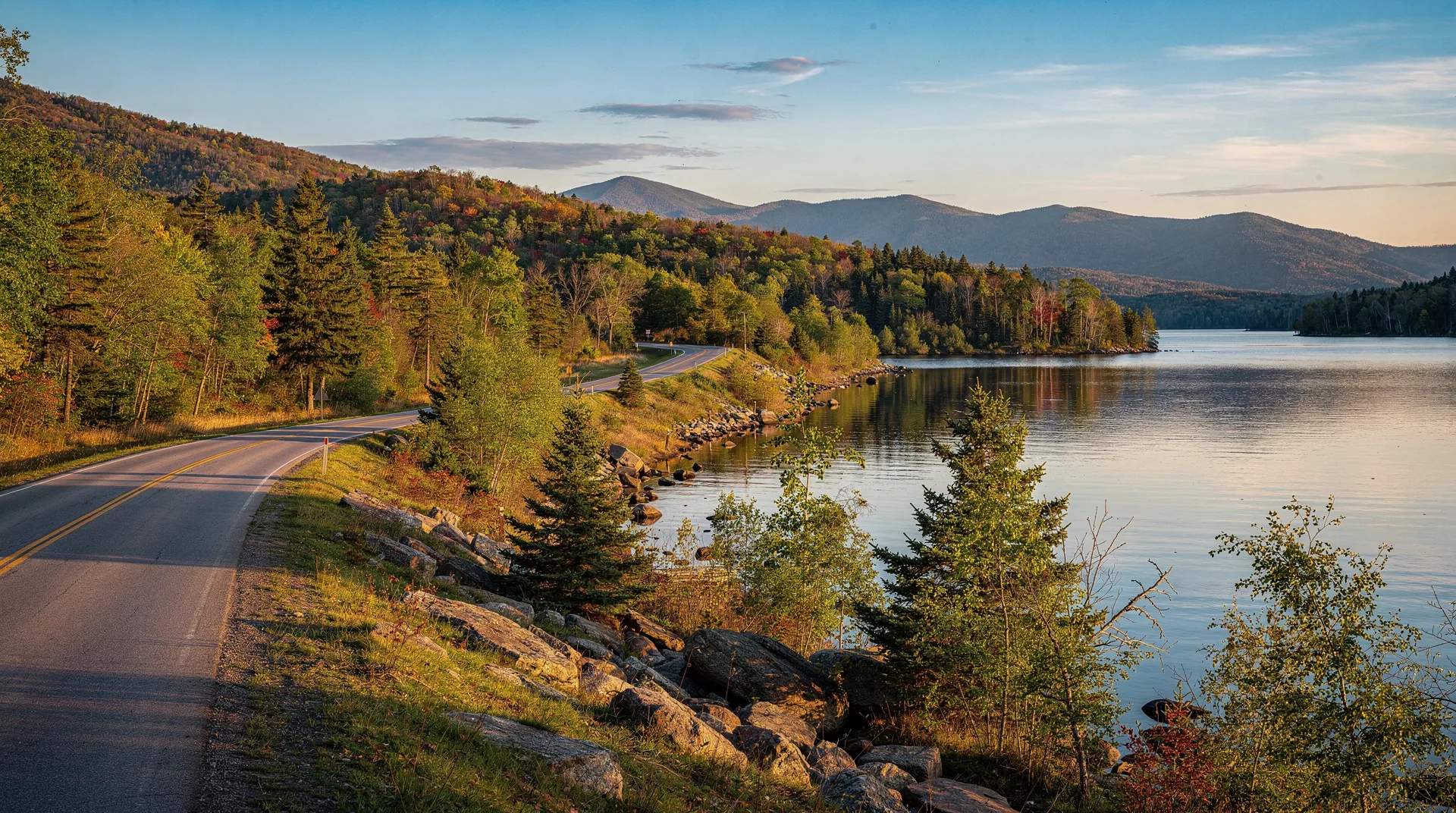
Toronto to Blue Mountain: ski, hike and spa in the Niagara Escarpment
What's the best day trip from Toronto to Blue Mountain?
Drive 90 minutes north on Highway 400 to Blue Mountain Resort near Collingwood. In winter, ski 43 runs on Ontario's largest ski area. In summer, hike, mountain bike, zip-line or relax at the spa. The village has excellent restaurants for après.
Blue Mountain Resort, perched above Collingwood on the southern escarpment of Georgian Bay, is Toronto’s most accessible mountain destination — and the most popular. Just 90 minutes north on Highway 400 and Highway 26, it offers Ontario’s most complete ski area in winter and a well-developed adventure and hiking destination in summer, all wrapped around a pedestrian village of restaurants, shops, and spas that functions year-round.
The resort village itself deserves credit for making Blue Mountain more than just a ski hill. The Blue Mountain Village Association has created a genuinely inviting pedestrian precinct at the base of the mountain, with enough character and quality to reward a day even when conditions on the mountain are less than ideal. Georgian Bay’s warm beaches at Wasaga Beach — just 15 minutes from the village — add a summer dimension that makes the Blue Mountain region arguably the most versatile day trip destination from Toronto in all four seasons.
| At a glance | |
|---|---|
| Where | Blue Mountain, near Collingwood, on Georgian Bay |
| Distance from Toronto | around 150 km / 90 minutes via Highway 400 and Highway 26 |
| Cost | free village access; ski lift tickets and summer activities (gondola, Ridge Runner, Timber Challenge) are ticketed separately, roughly CAD 60-120 depending on activity and season |
| Time needed | a full day; overnight recommended for a multi-day ski pass |
| Getting there | self-drive or a seasonal ski shuttle from Toronto; no year-round public transit |
| Best time | winter (December-March) for skiing, late June-October for the adventure park |
The Blue Mountain landscape
The Niagara Escarpment — the geological ridge running from Niagara Falls northeast across Ontario and into Manitoba — reaches its highest and most dramatic point near Collingwood, where it forms a series of escarpment cliffs above Georgian Bay. Blue Mountain’s ski runs descend this escarpment face; the summit elevation of 443 metres above sea level is modest by alpine standards but significant for Ontario, creating the vertical drop that makes it the most capable ski area in the province.
The escarpment itself is designated a UNESCO World Biosphere Reserve. Above the ski runs, the escarpment plateau stretches across a landscape of grey limestone pavements, ancient cedar forests, and Georgian Bay viewpoints. The Bruce Trail, Canada’s oldest and longest marked hiking trail, runs along the escarpment edge and through the Blue Mountain area, offering some of the most rewarding walking in Ontario.
How to get from Toronto to Blue Mountain
By car: Take Highway 400 North from Toronto toward Barrie. Continue on Highway 26 West to Collingwood (approximately 45 km past Barrie). Blue Mountain Resort is signed from Highway 26, about 8 km west of Collingwood. Total distance is approximately 150 km; journey time is 90 minutes in normal conditions. On Friday afternoon or holiday weekend mornings, add 30-60 minutes to account for Toronto traffic on Highway 400.
On ski weekends: The Highway 400-Highway 26 corridor is one of Ontario’s busiest ski-weekend routes. Leaving Toronto before 7:00 AM Saturday or before 8:00 AM Sunday is strongly recommended to avoid the slow-moving convoy of ski-rack-laden cars. The return Sunday afternoon can also be slow through Barrie.
By bus: No regular public transit runs from Toronto to Blue Mountain. Ski shuttle services operate from Toronto during winter, departing from central collection points. Check the Blue Mountain website for partner transportation services each season.
Parking: Blue Mountain has substantial free parking at the base of the mountain. In peak ski season (Christmas break, February school holidays, busy winter weekends), arrive early to secure spots near the village.
What to see and do at Blue Mountain
Skiing and snowboarding in winter
Blue Mountain has 43 runs, 16 lifts, and a 721-foot (220-metre) vertical drop — small by western Canadian standards but among the best in Ontario. The runs are spread across two mountain faces (the South and Georgian Bay faces), with a good distribution between beginner, intermediate, and advanced terrain. The South Face is generally more sheltered and better groomed; the Georgian Bay Face has more challenging terrain and occasional spectacular views across the bay when visibility allows.
The ski season typically runs from December to March or early April, depending on temperatures. Blue Mountain makes extensive use of snowmaking to extend the season and maintain conditions — the resort invests heavily in this infrastructure, which makes conditions more reliable than at smaller Ontario hills. Night skiing is available several evenings per week.
Lift tickets can be purchased at the base, but booking online in advance saves money and time. Multi-day passes offer the best value for those willing to stay overnight. If you would rather not drive, you can also compare guided tours from Toronto before you decide.
Summer adventure park
From late June to October, Blue Mountain transforms into an adventure park. The Blue Mountain Adventure Park operates several activities on and around the mountain:
Timber Challenge: A tree-top ropes course with multiple levels of difficulty, suitable for older children and adults.
Ridge Runner Mountain Coaster: A mountain coaster (similar to a roller coaster but self-controlled on an open track down the mountain) running for over a kilometre of descent. One of the most popular summer activities at the resort.
Woodlot Zipline: A zip-line tour through the forest on the mountain’s upper section.
Gondola Skyride: The gondola that carries skiers in winter operates in summer as a scenic ride to the summit, where the views over Georgian Bay are outstanding on clear days.
Mountain biking: Blue Mountain is increasingly well-regarded as a mountain biking destination, with a growing network of downhill and cross-country trails accessible via the chairlifts. Bike rentals are available at the base.
Hiking the Bruce Trail and escarpment
The Bruce Trail enters the Blue Mountain area from the south and follows the escarpment edge through some of its most dramatic sections near Collingwood. The Metcalfe Rock side trail (about 1 km from the main trail) leads to a stunning viewpoint over Georgian Bay from the top of a sheer escarpment face. The trail around Kolapore Uplands, a few kilometres west, passes through ancient white cedar forest growing on limestone pavement.
For a gentler escarpment walk, the Mad River trail in Nottawasaga Valley Conservation Authority lands north of Collingwood follows river meanders through mature hardwood forest with minimal elevation change.
Blue Mountain Village
The pedestrian village at the base of the mountain deserves several hours regardless of the season or conditions on the hill. The village has a well-curated mix of restaurants, outdoor gear shops, clothing boutiques, a spa, and a central outdoor fire pit that creates a genuine gathering place in all seasons. In summer, evening outdoor concerts and markets add to the village atmosphere.
The Blue Mountain Pottery studio and gallery in the village is worth a visit — the distinctive pottery (blue-grey tones inspired by Georgian Bay water) has been made in the region since the 1950s and makes an excellent souvenir.
Wasaga Beach
Wasaga Beach, 15 minutes east of Blue Mountain on Highway 26, has the world’s longest freshwater beach — 14 km of fine sand along the southern shore of Georgian Bay. In summer, the beach is excellent for swimming (Georgian Bay warms significantly in July and August), and the Wasaga Beach Provincial Park section at the western end of the beach is the most attractive stretch. The town of Wasaga Beach itself is a classic Canadian beach town — casual, family-oriented, and slightly kitschy, but the beach is genuinely beautiful.
Scenic Caves Nature Adventures
The Scenic Caves, perched on the escarpment edge above Collingwood, are a series of narrow crevices, caves, and overhangs in the escarpment limestone. The property includes a suspension bridge over a forested gorge, toboggan runs in winter, and guided cave tours. Visiting is slightly touristy but genuinely interesting, particularly for the geological story it tells about the escarpment’s formation. Entry is ticketed (around CAD 20-30 for adults); it is a separate attraction from the main Blue Mountain Resort and requires its own short drive from the village.
Comparing Blue Mountain to other Ontario ski options
Blue Mountain is not the only ski hill within reach of Toronto, but it is the largest and most complete. For travellers weighing options, here is how it stacks up against the alternatives closer to the city:
| Resort | Distance from Toronto | Runs / vertical | Best for |
|---|---|---|---|
| Blue Mountain | around 150 km / 90 min | 43 runs, 220 m vertical | Largest terrain, best village, full day out |
| Horseshoe Valley | around 130 km / 80 min | fewer runs, smaller vertical | Shorter trip, families with young beginners |
| Mount St. Louis Moonstone | around 130 km / 80 min | mid-size, no village | Skiing-focused day, less interested in dining/shopping |
For skiers who want genuinely challenging vertical and long descents, none of these Ontario hills compare to Whistler or the resorts around Banff — but for a day trip that does not require a flight, Blue Mountain is the most complete option in the province.
Browse Toronto-area day trip tours and adventure experiencesWhere to eat at Blue Mountain and Collingwood
Copper Blues Restaurant, Blue Mountain Village: The most established restaurant in the village, with a broad menu and consistent quality. The patio is ideal in summer; the fireplace inside works well in winter. Good for the post-ski or post-hike meal.
The Pottery Restaurant, Collingwood: A Collingwood institution in a heritage building near downtown, serving Ontario comfort food with locally sourced ingredients. The brunch on weekends is excellent.
Tesoro Restaurant, Collingwood: A polished Italian restaurant in Collingwood’s historic downtown, consistently one of the best tables in the region. Excellent for a celebratory dinner if you are extending the day.
Northwinds Brewhouse, Collingwood: A brewery and restaurant in downtown Collingwood serving craft beers brewed on-site alongside a solid pub menu. The Georgian Bay Pale Ale and seasonal releases are well-made.
Café Chartreuse, Collingwood: A popular breakfast and brunch spot in Collingwood with creative egg dishes, excellent coffee, and some of the region’s best pastries. Worth the possible queue on weekend mornings.
Practical tips for the Blue Mountain day trip
Check conditions before the ski season: Blue Mountain posts daily snow reports and grooming information on its website. Checking conditions the night before can inform whether to go for the full day or a shorter visit.
Rent equipment at the resort: For infrequent skiers, renting skis, boots, and poles at the Blue Mountain rental shop is more convenient than bringing your own gear from Toronto. Book rentals online to save time at the desk on busy days.
The village is worth time even without skiing: On marginal ski days (rain, poor visibility, thin snow), the village restaurants, shops, and spa provide a pleasant alternative. Several visitors come specifically for the spa and village experience without going on the mountain.
Summer weekend mornings are quiet: Unlike winter, summer weekends at Blue Mountain are generally relaxed in the mornings. The adventure park gets busy in the afternoon; arrival before 10:00 AM gets you on popular activities like the Ridge Runner without waits.
Dress in layers year-round: On the escarpment summit, wind can be significant even in summer. In winter, the wind chill on exposed ski runs can be harsh; face protection and good goggles are essential on cold days.
When to visit Blue Mountain from Toronto
Winter (December to March): The primary reason most Torontonians make this trip. Peak ski season runs from Christmas through March break. January and February offer the best snow conditions and the most reliable cold; Christmas and February school break are the busiest and most expensive periods.
Summer (late June to September): The adventure park operates June to October. The Ridge Runner, gondola skyride, and hiking trails are all excellent in summer. Georgian Bay beaches are at their warmest in late July and August.
Autumn (October to November): The resort is quieter and the escarpment’s deciduous forest turns spectacular orange and gold in mid-October. Hiking the Bruce Trail in peak fall colour is one of the best walks in Ontario. The ski season has not yet begun, so the mountain itself is closed, but the village and surrounding area remain appealing.
Spring (April to May): The ski season ends (usually late March or April), and the summer activities have not yet begun. Spring wildflowers on the escarpment are beautiful for hikers, but the resort village is in its quietest period.
Who is this trip for
Blue Mountain suits a wider range of travellers than any other Toronto day trip destination. Families with skiers of all levels are the classic demographic — the resort’s mix of beginner terrain, ski school, and village makes it one of the most family-friendly ski areas in Ontario. Active travellers find year-round appeal in the hiking, cycling, and adventure activities. Couples and groups seeking a premium day out appreciate the village restaurants, spa, and general ambiance. Those who simply want a scenic drive and a long lunch in a mountain village can enjoy themselves without going near the slopes.
For alternative Toronto day trips, see the complete Toronto day trips guide, including the Niagara Falls day trip and the Thousand Islands cruise. Skiers looking for a bigger mountain further afield should compare the Rockies rather than expecting Alpine-scale terrain here.
Frequently asked questions about the Toronto to Blue Mountain day trip
How far is Blue Mountain from Toronto?
Blue Mountain Resort is approximately 150 km north of Toronto, a 90-minute drive via Highway 400 North and Highway 26 West. Friday afternoon traffic on Highway 400 through Barrie can extend the journey to 2-2.5 hours.
Is Blue Mountain good for beginner skiers?
Yes. Blue Mountain has a dedicated beginner area at the base with gentle slopes served by a magic carpet and slow chairlifts. The resort’s ski school offers lessons for children and adults of all levels. Approximately a quarter of the runs are rated green (beginner), making it a suitable introduction to skiing.
Can I do Blue Mountain without skiing?
Absolutely. In winter, the village itself, the spa at Blue Mountain, and snowshoeing on the escarpment trails are all available without ski lift tickets. In summer, the adventure park, hiking trails, and Georgian Bay beaches provide a full day without any skiing or snowboarding.
What is the best time to ski at Blue Mountain?
Mid-January through early March typically offers the best snow conditions, with reliable cold temperatures and good snowmaking support. Christmas week and February school break are the most crowded and expensive periods. Weekday visits in January and February offer the best combination of good snow and short lift queues.
Are there beaches near Blue Mountain?
Wasaga Beach, 15 minutes east on Highway 26, has one of the longest freshwater beaches in the world — 14 km along Georgian Bay. It is warm enough for swimming from late June through August and is an excellent complement to a summer Blue Mountain day trip.
Is Blue Mountain worth it as a day trip from Toronto?
For most of the year, yes — the 90-minute drive is short enough to make a full day worthwhile, and the village, mountain activities, and surrounding region provide more than enough to fill 8-10 hours. If you are a serious skier looking for challenging terrain, you will find the vertical limited compared to Whistler or the Rockies, but for Ontario skiing it is the best option within a day trip distance from Toronto.
Does Blue Mountain require a park pass like a national park?
No. Blue Mountain is a privately operated resort, not a Parks Canada site, so there is no park pass. You pay separately for lift tickets, adventure park activities, or attractions like the Scenic Caves, but general access to the village and parking is free.
Is Blue Mountain a good add-on to a Niagara or Thousand Islands trip?
Not as a single day — Blue Mountain is north of Toronto while Niagara Falls and the Thousand Islands are south and east, in the opposite direction. Treat it as its own day trip rather than combining it with the Niagara Falls guide or the Thousand Islands guide on the same day.