Pier 21 Halifax: Canada's immigration museum
What is Pier 21 and should I visit?
Pier 21 was Canada's main immigration gateway from 1928 to 1971, processing 1 million+ immigrants. Now the Canadian Museum of Immigration, it's one of Canada's most moving museums, especially for visitors with Canadian family roots. Allow 2-3 hours.
Between 1928 and 1971, more than a million immigrants arrived in Canada through Pier 21 in Halifax. They included Jewish refugees fleeing Nazi Europe, Ukrainian displaced persons after World War II, Hungarian refugees after 1956, Vietnamese refugees in the late 1970s, and a long tail of postwar European and Caribbean immigration that remade Canadian demographics. For many of these arrivals, the first moments of Canadian life happened on the floor of this working pier: the medical inspection, the immigration processing, the train to a waiting sponsor or employer somewhere across the continent.
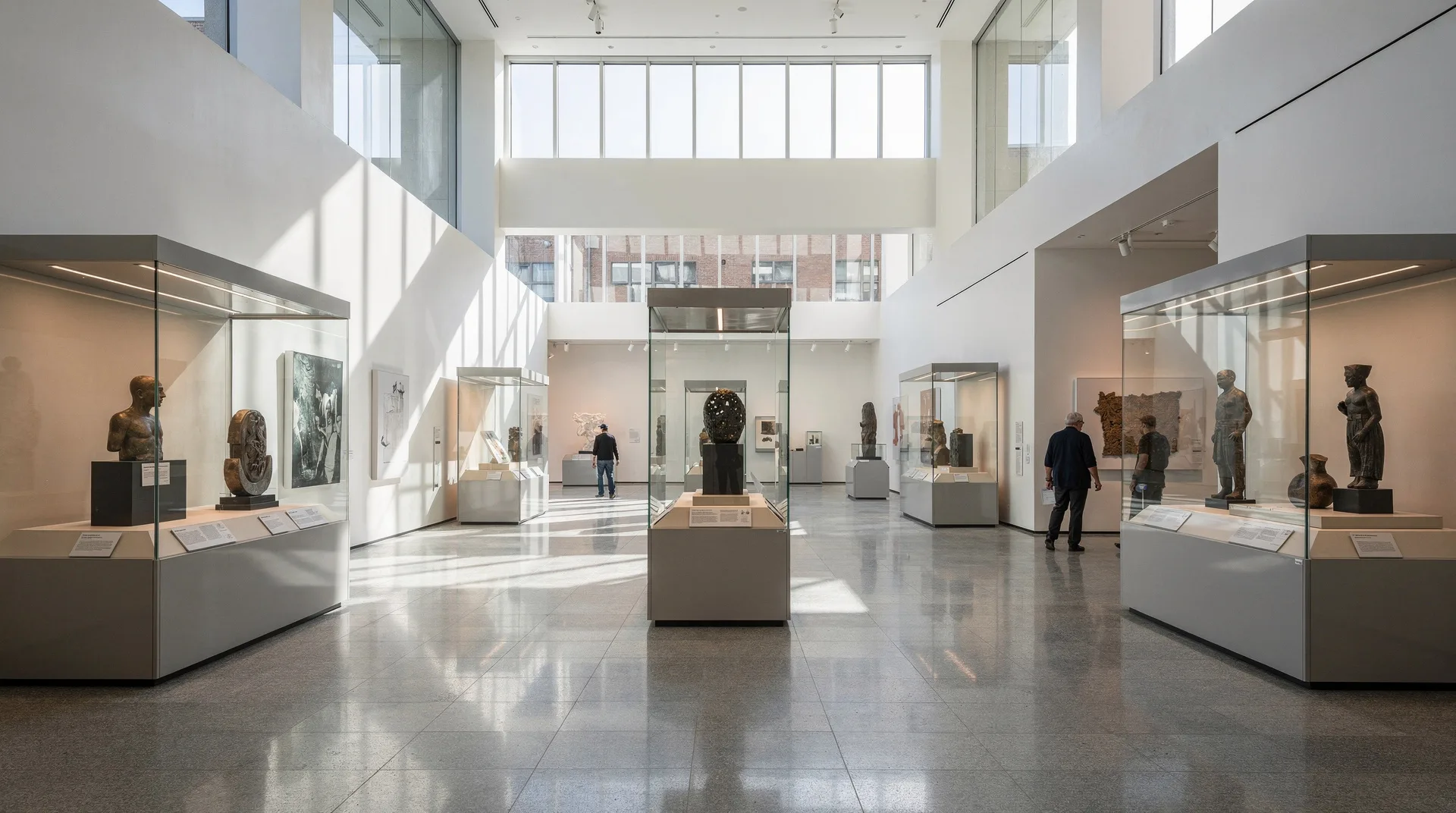
Today Pier 21 is the Canadian Museum of Immigration, a Crown Corporation on the Halifax waterfront that preserves and tells this story. It is one of Canada’s most emotionally resonant museums — genuinely moving, well-researched, and particularly powerful for visitors whose own families arrived through this gateway or through immigration stories that echo what happened here.
| At a glance | |
|---|---|
| Where | 1055 Marginal Road, Halifax Waterfront (Nova Scotia) |
| Cost | Around CAD 14-18 for adults; discounts for seniors/students; kids under 5 free |
| Time needed | Around 2-3 hours; 4-5 with the Family History Centre |
| Getting there | 20-minute walk from downtown Halifax, or a short drive with paid on-site parking |
| Best time | Mid-morning on a weekday, outside cruise-ship arrival hours |
Why Pier 21 matters
Pier 21 is Canada’s Ellis Island — though on a smaller scale and with important differences. The pier operated during a period when Canada’s identity as a country of immigration was still being consolidated, and the museum’s core mission is to make that immigration story a part of the national memory.
The historical importance: approximately one in five Canadians has an ancestor who passed through Pier 21. The pier’s 43 years of operation correspond to the era in which Canada’s ethnic and religious diversity fundamentally expanded — from a largely British/French/Indigenous society in 1928 to the multicultural society of the 1970s and beyond.
The emotional register: unlike many national museums, Pier 21 is personal. The exhibits centre individual immigrant stories — diaries, photographs, letters, objects carried across oceans. Visitors with immigrant family histories frequently find the museum overwhelming in the best sense.
The research resource: the museum maintains the most comprehensive Canadian immigration records archive outside of Library and Archives Canada. Visitors can search for their own ancestors through the Scotiabank Family History Centre on-site. Many find records of relatives that they hadn’t known existed.
What to see inside
The museum is divided into several permanent exhibitions and rotating temporary shows. The full visit takes 2-3 hours.
Canadian Immigration Hall
The main permanent exhibit covers the broad history of immigration to Canada from the 1800s to the present. Themes include the push-and-pull factors driving migration, the policy frameworks that shaped who was admitted, the experience of arrival, and the ongoing contribution of immigrant communities to Canadian culture. The exhibition uses film, audio, artefacts, and interactive displays rather than text panels; it is accessible to visitors with limited English or French.
Pier 21 Story
This exhibition focuses specifically on what happened at the pier between 1928 and 1971. Reconstructed examination rooms, original benches where arriving immigrants waited, photographs of the arrivals, and oral histories from people who came through Pier 21 as immigrants, or worked here as officials, or volunteered to meet the ships. The hall’s floor is the same floor walked by the million arrivals — a genuinely moving structural detail.
Scotiabank Family History Centre
The research centre is free to use and staffed by trained genealogists. Visitors can search immigration records, ship passenger lists, naturalisation records, and census data. For many Canadian visitors with family stories about arrival at Pier 21, this is the most meaningful part of the visit. If you plan to search, bring family names, approximate arrival dates, and countries of origin. Two to three hours in the research centre is common.
The Oral History Collection
Over 2,000 recorded oral histories from Pier 21 arrivals and the people who worked at the pier form the largest curated collection of immigrant testimonials in Canada. Listening stations in the museum allow sampling; the full collection is accessible online via the museum website.
Rotating temporary exhibitions
The museum runs 2-4 temporary exhibitions per year on specific themes — often focused on particular immigrant communities (Vietnamese Boat People, Italian postwar arrivals, Caribbean immigration) or broader topics (refugee policy, children’s immigration experience). Check the current exhibitions before visiting.
The building and the broader site
Pier 21 occupies the original 1928 immigration shed at 1055 Marginal Road, on the Halifax waterfront at the southern end of the working harbour. The building was purpose-built for immigration processing — long halls, medical examination rooms, dormitories for detained arrivals, and train platforms that connected directly to the CN Rail line taking immigrants west.
The building itself is a National Historic Site of Canada. Even without entering the museum, the exterior and the surrounding waterfront area repay attention. The Halifax Seaport — the area including Pier 21, the Seaport Farmers’ Market, and the cruise ship terminal — has been redeveloped since 2000 into one of the most successful waterfront regeneration projects in Atlantic Canada.
Practical information
Location: 1055 Marginal Road, at the southern end of the Halifax Waterfront Boardwalk. A 20-minute walk from downtown Halifax or a short drive with paid parking on-site.
Hours: Open daily in summer (May-October) 9:30am to 5:30pm; reduced hours and closed Mondays from November through April. Check the current schedule before visiting — the museum’s winter schedule varies year to year.
Admission: Adult $14-18 CAD; seniors, students and children discounted; children under 5 free. Parks Canada and Canadian Museum passes are accepted. Free admission on some national holidays.
Duration: 2-3 hours for typical visits; 4-5 hours if using the Family History Centre substantially.
Accessibility: Fully accessible; elevators throughout, accessible washrooms, audio guides available.
Food: Café on-site; the adjacent Halifax Seaport Farmers’ Market (Saturday and Sunday) has extensive food options.
Planning your visit
When to visit within a day: mid-morning is ideal — avoid the cruise-ship crowds that sometimes arrive early afternoon in summer. Allow 2 hours minimum; 3 is better if you plan to engage deeply with the Pier 21 Story exhibit.
Time of year: the museum is open year-round. Summer is busier, but winter offers a quieter experience. The museum is entirely indoor, which makes it an excellent bad-weather Halifax destination.
Family research preparation: if planning to use the Family History Centre, prepare in advance: names of ancestors, approximate arrival dates, countries of origin, any family documents (passports, naturalisation papers, photos). The Centre staff are skilled and helpful but research is faster with starting information.
Combining with other Halifax attractions: Pier 21 pairs naturally with the Canadian Museum of Immigration’s logical counterpart — the Maritime Museum of the Atlantic and its Titanic exhibit. Both museums can be done in a single day; allow two hours minimum for each and plan lunch at the Seaport Farmers’ Market or a waterfront restaurant between them. If you would rather have a local guide connect the sights, guided tours in Halifax are easy to book ahead.
The Halifax Waterfront Boardwalk connects Pier 21 to Historic Properties, the Maritime Museum, and the Alexander Keith’s Brewery — a brewery tour makes a good late-afternoon addition.
Who should visit Pier 21
Anyone with Canadian family connections should strongly consider a visit. The chance of finding ancestor records is significant — statistically, perhaps one visitor in five with Canadian family ties will find direct records of relatives.
First-time visitors to Canada benefit from the museum’s broad perspective on Canadian identity. Pier 21 presents a version of Canada that is explicitly rooted in immigration — a useful orientation if Canada is new.
History and policy travellers find a well-curated and intellectually serious exhibition. The museum does not shy from difficult material: the Chinese Immigration Act, the MS St. Louis turn-away, the internment of Japanese Canadians, and more recent refugee controversies all appear.
Families with older children (12+) find the museum accessible. Younger children will find the hour-length narrative format slow.
What Pier 21 is not
Pier 21 is not primarily a ship or maritime museum — that role is played by the nearby Maritime Museum of the Atlantic. The focus is specifically on the immigrant experience from arrival to settlement.
It is also not primarily a monument of nation-building triumphalism. The museum takes seriously the complexity of Canadian immigration — the exclusions, the discrimination, the ongoing work of newcomer integration.
For a more celebratory view of Halifax’s maritime-military history, the Halifax Citadel National Historic Site offers that register.
Nearby: the rest of the Halifax waterfront
Pier 21 sits at the southern end of a waterfront that rewards a full day on foot. Walking north along the boardwalk takes you past the working harbour, the Seaport Farmers’ Market, and eventually into downtown Halifax proper. If you have a car, the drive out to Peggy’s Cove makes a natural half-day extension — the lighthouse and granite shoreline are free to visit, though parking and any boat trips out of the cove are separate costs. For a broader sense of Atlantic Canada beyond Halifax, our Atlantic Canada weather guide and Cabot Trail guide cover the wider region.
Combining with a Halifax visit
Pier 21 is the single most substantive museum experience in Halifax and one of the top cultural sites in Atlantic Canada. For first-time visitors to Halifax, it belongs in the same category of essential stops as the Citadel, the Maritime Museum, and Peggy’s Cove.
For visitors building a Halifax itinerary, Pier 21 fits into a 2-3 day plan naturally — a morning or afternoon, with the rest of the waterfront accessible on foot afterward. If you’re planning further afield, our Atlantic Canada 7-day itinerary shows where Halifax fits into a wider Maritimes trip.
Frequently asked questions about Pier 21 Halifax
Is Pier 21 the same as Canada’s Ellis Island?
It’s often described that way, and the comparison is useful, but Pier 21 operated on a smaller scale and over a shorter, later period (1928-1971) than Ellis Island. Around one in five Canadians has an ancestor who passed through it.
Can I visit Pier 21 without doing family research?
Yes — the Canadian Immigration Hall and Pier 21 Story exhibits stand on their own as a complete museum visit, typically 2-3 hours, with no need to use the Family History Centre at all.
Browse all Halifax experiences and guided tours on GetYourGuide